 Search


- New energy will shift towards integrated fusion in the 15th Five Year Plan period
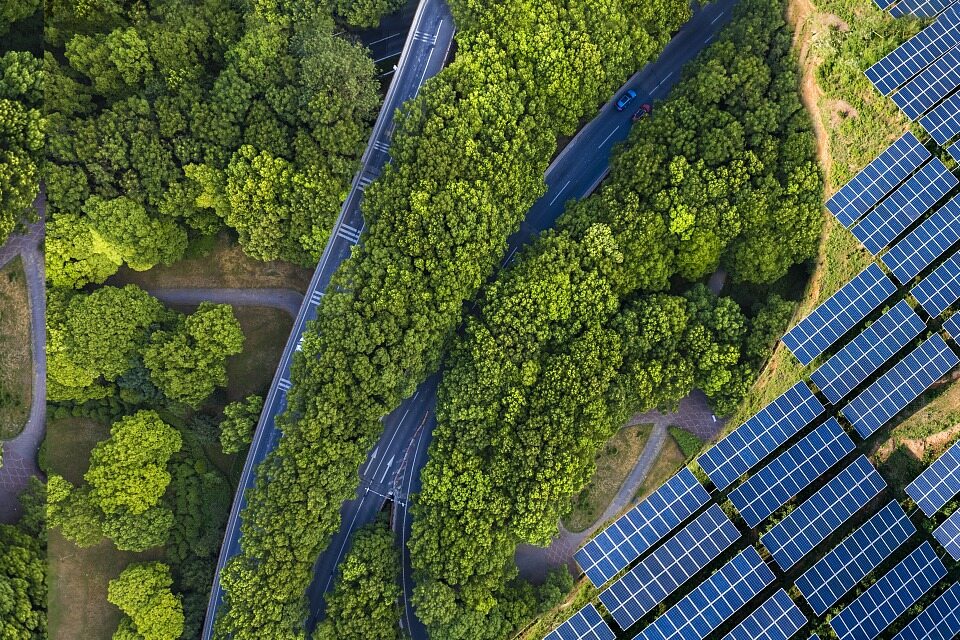
The National Energy Administration held a press conference to deliver impressive results for the energy work in the year ending the 14th Five Year Plan, and to provide direction for the upcoming 15th Five Year Plan period. The press conference clearly released a signal: China's new energy development will completely bid farewell to the previous model of fighting alone and fully shift towards a new stage of integration and fusion. This strategic shift marks a new chapter in the high-quality development of the new energy industry, moving from simply pursuing installed capacity to emphasizing system synergy and value creation.
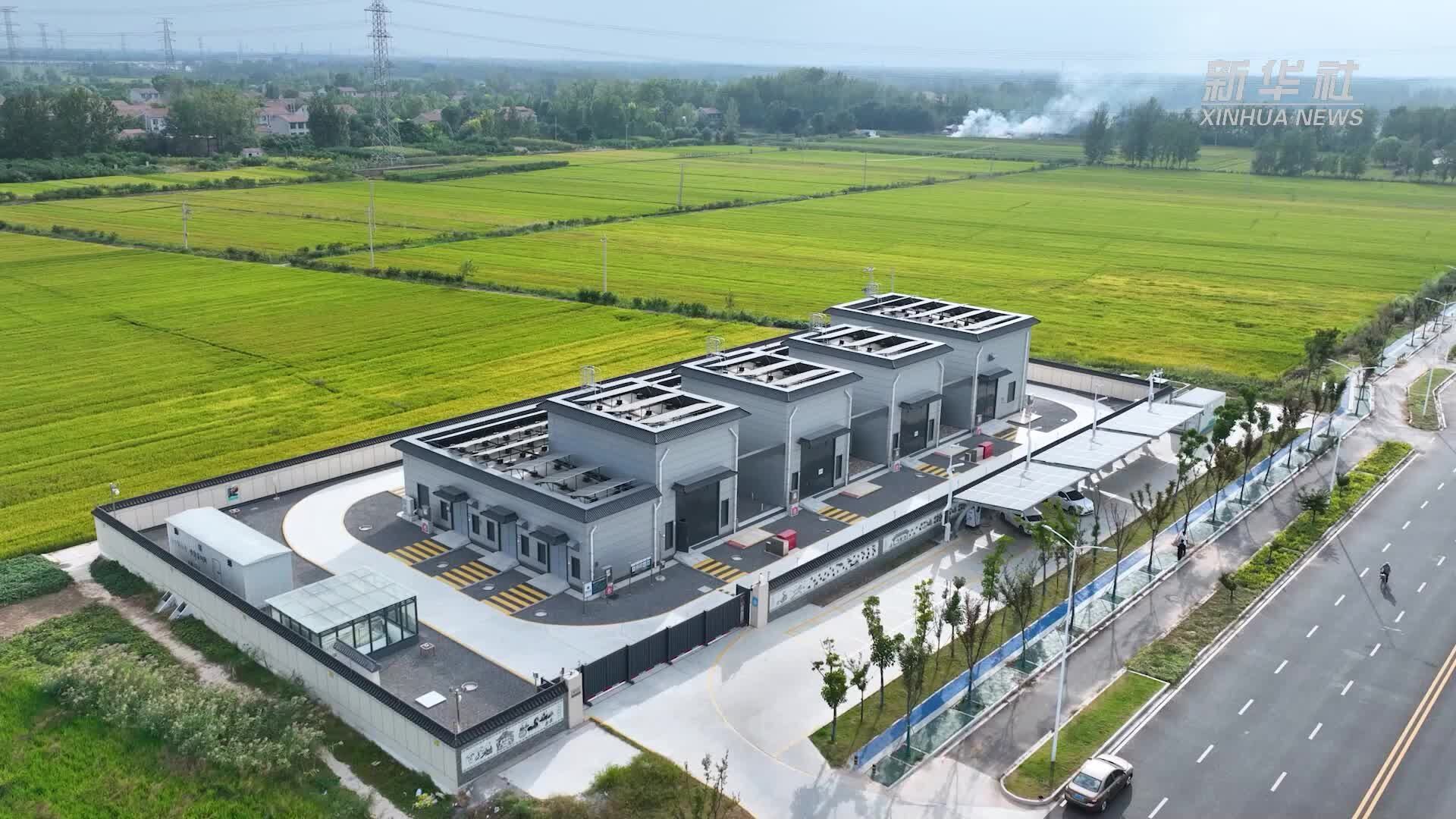
Remarkable results in 2025, laying the foundation for transformation
In the past year, China has made breakthrough progress in the green and low-carbon transformation of energy. By 2025, the newly installed capacity of wind and solar power will exceed 430GW, and the cumulative installed capacity will exceed 1800GW, ranking first in the world. The proportion of renewable energy installed capacity has exceeded 60%, with an annual power generation of about 4.0 trillion kilowatt hours, which exceeds the total electricity consumption of the 27 EU countries and lays a solid foundation for the dual carbon goal. At the same time, the excessive internal competition in the photovoltaic industry has been effectively rectified, and the prices of the industrial chain have rebounded rationally. These achievements not only reflect a leap in quantity, but also a qualitative improvement - that is, the transformation towards system integration - accumulating a strong industrial foundation and regulatory demand.
Clear path of four modernizations, indicating the direction of integration
In order to achieve the goal of new energy becoming the main body of power installation (accounting for over 50%), the National Energy Administration has for the first time systematically proposed the Four Modernizations Development Measures, providing a clear action roadmap for the 15th Five Year Plan. One is to diversify the supply, including accelerating the construction of the large-scale new energy base in Shagehuang, creating an integrated water, wind and solar base, expanding into the deep sea to develop offshore wind power, and developing distributed photovoltaics according to local conditions. The second is industrial integration, promoting the deep integration of strategic emerging industries such as new energy and computing power centers, green hydrogen, etc., making them a key driving force for industrial upgrading. The third is to expand non electrification, focusing on the development of diversified utilization modes such as wind solar hydrogen production, ammonia alcohol production, and heating, and broaden consumption channels. The fourth is consumption synergy, which fully realizes the environmental value of green electricity by implementing the responsibility weight of renewable energy consumption, improving the green certificate trading mechanism, promoting the synergy and international mutual recognition of the electricity carbon certificate market. These four transformation paths together constitute a complete framework for integrating new energy into the new energy system.
Energy storage market erupts, supporting system transformation
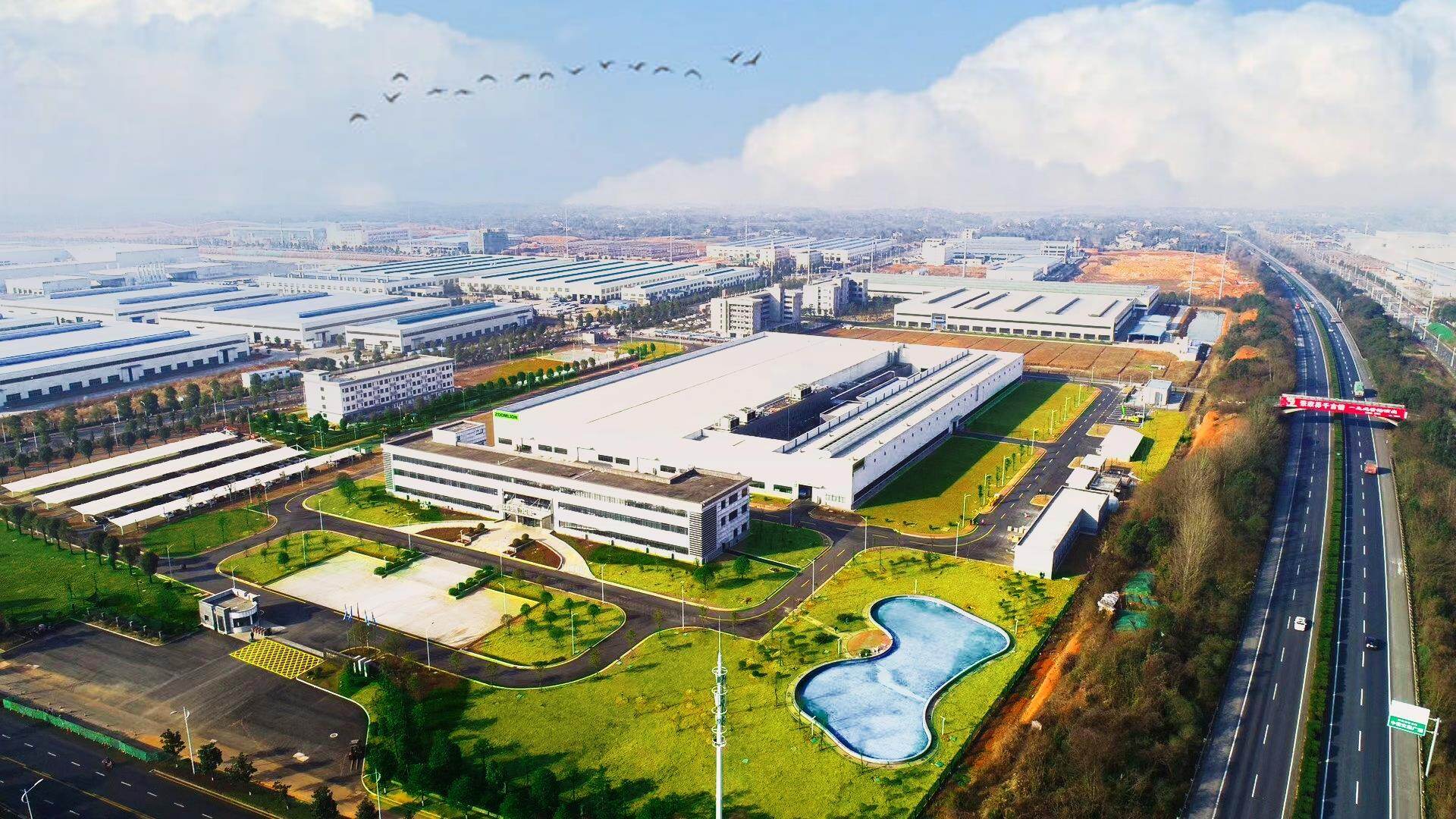
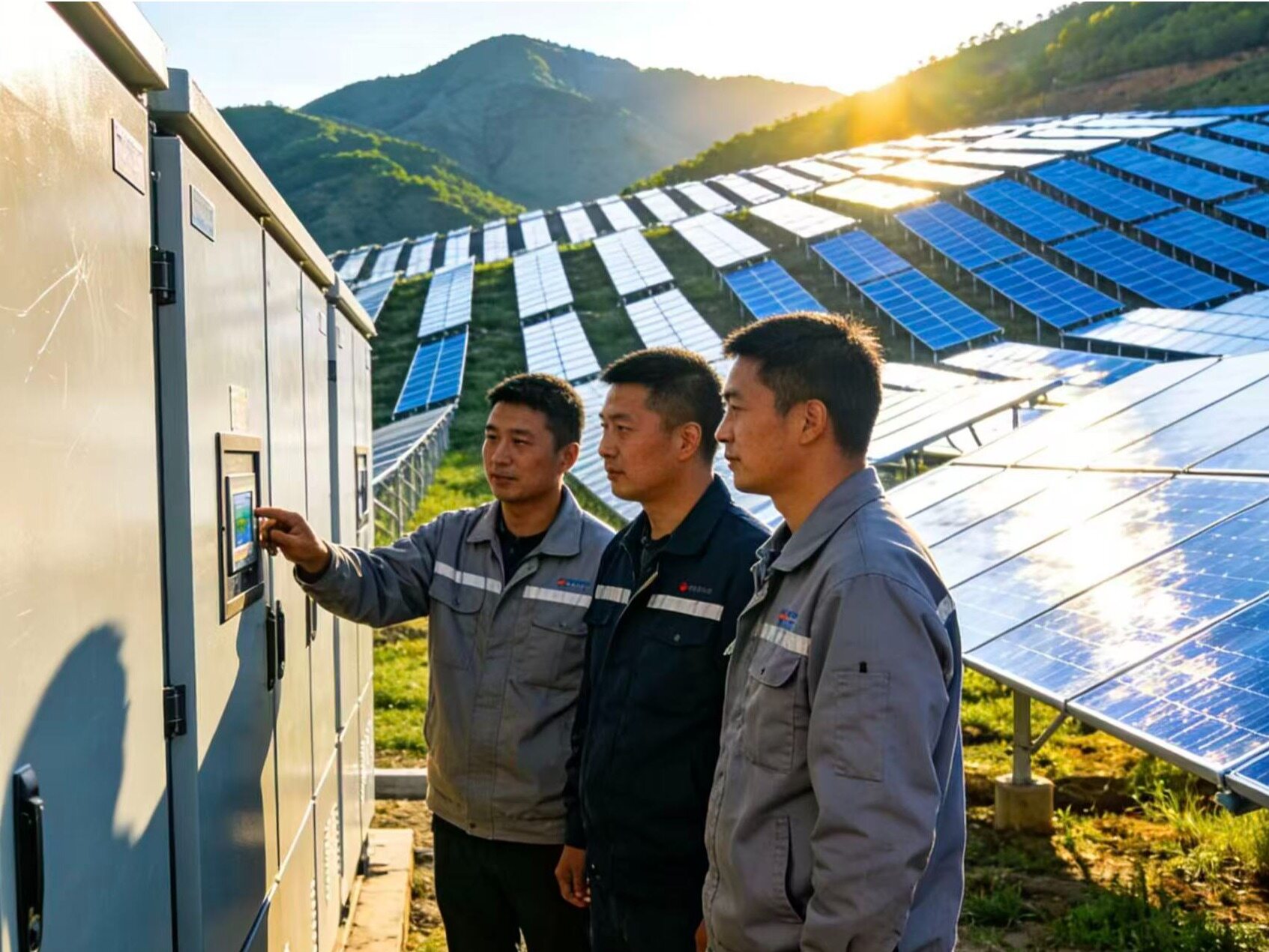
The leapfrog development of new energy storage provides key support for the integration and fusion of new energy. In 2025, the installed capacity of new energy storage will increase significantly by 84% compared to the end of 2024, and more than 40 times compared to the end of the 13th Five Year Plan, with a total capacity of 136 million kilowatts. The trend of large-scale energy storage projects is evident, with an increase in average duration and independent energy storage accounting for more than half. The lithium-ion battery technology route dominates. From a regional distribution perspective, the total installed capacity in North China and Northwest China exceeds 60%, which is highly coordinated with the layout of the Shagehuang large-scale base. Inner Mongolia, Xinjiang, and Shandong lead the country. The large-scale and commercial application of energy storage is transforming it from a demonstration project into an indispensable flexible regulation resource for the power system, effectively smoothing out fluctuations in new energy and ensuring the safe and stable operation of the power grid. Keywords: Macro Latest News, Macro News Latest News
Improving market mechanisms to promote value realization
Market construction is the core engine driving the transition of new energy from electricity consumption to value realization. By 2025, the proportion of market-oriented electricity trading in China's total electricity consumption will reach 64%, which means that two out of every three kilowatt hours of electricity will be traded through the market. The trading volume of green electricity increased by 38.3% year-on-year, and the scale reached 18 times that of 2022. The trading of green certificates also showed a trend of both volume and price, with a total of 930 million transactions throughout the year, exceeding the total of previous years. The average trading price stabilized and rebounded, and the international recognition significantly increased. The vigorous development of the electricity market and green certificate market has established a mechanism that can fully reflect the spatiotemporal and environmental value of new energy, guide the optimization of resource allocation, and create sustainable business models for integrated and integrated new energy projects.Editor/Gao Xue
Comment


 Praise
 Collect
 Comment

 Share
Share


Write something~