 Search


- Reshaping the global competitive landscape with new quality productivity, empowering people's livelihoods and national governance
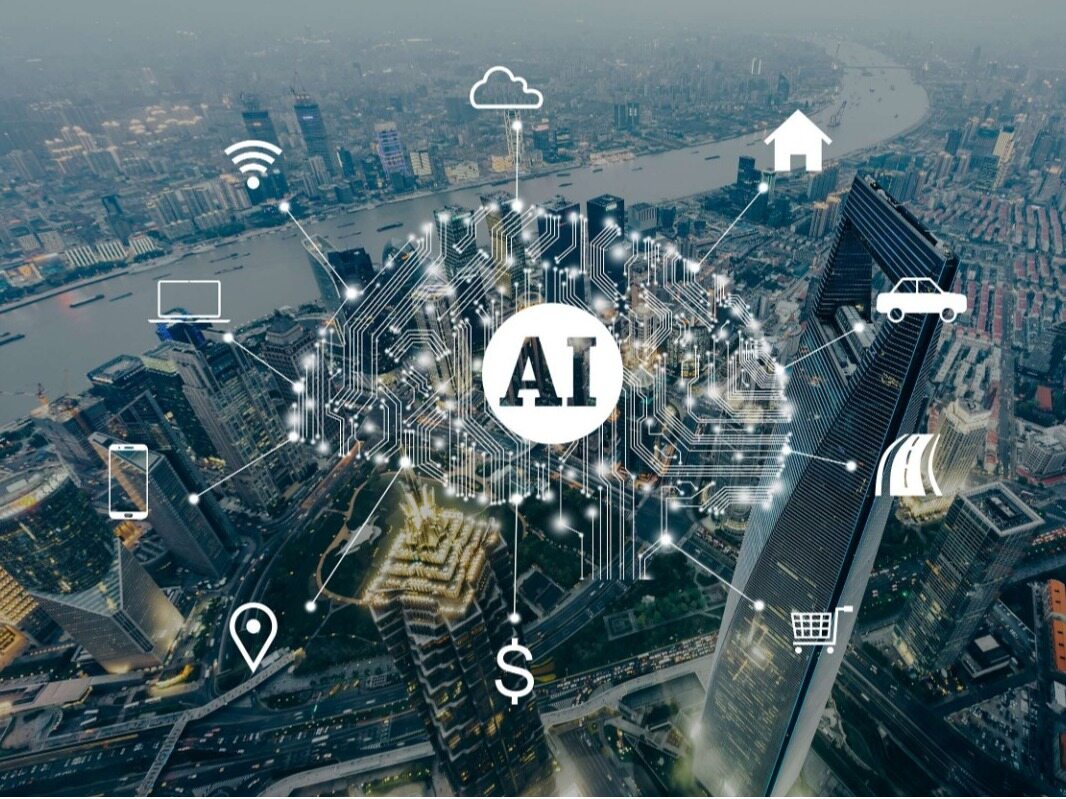
The future industry is a strategic game that determines the future of the country, "emphasized a technology strategy expert who participated in policy discussions. With global technological competition entering the deep waters, cutting-edge fields such as artificial intelligence, quantum technology, and biomanufacturing are becoming the core battlefield for major powers to compete for technological dominance and rule making power. How can China break through in this race that concerns the future? Recently, intensive signals have been released at the national level, outlining a clear and ambitious roadmap.
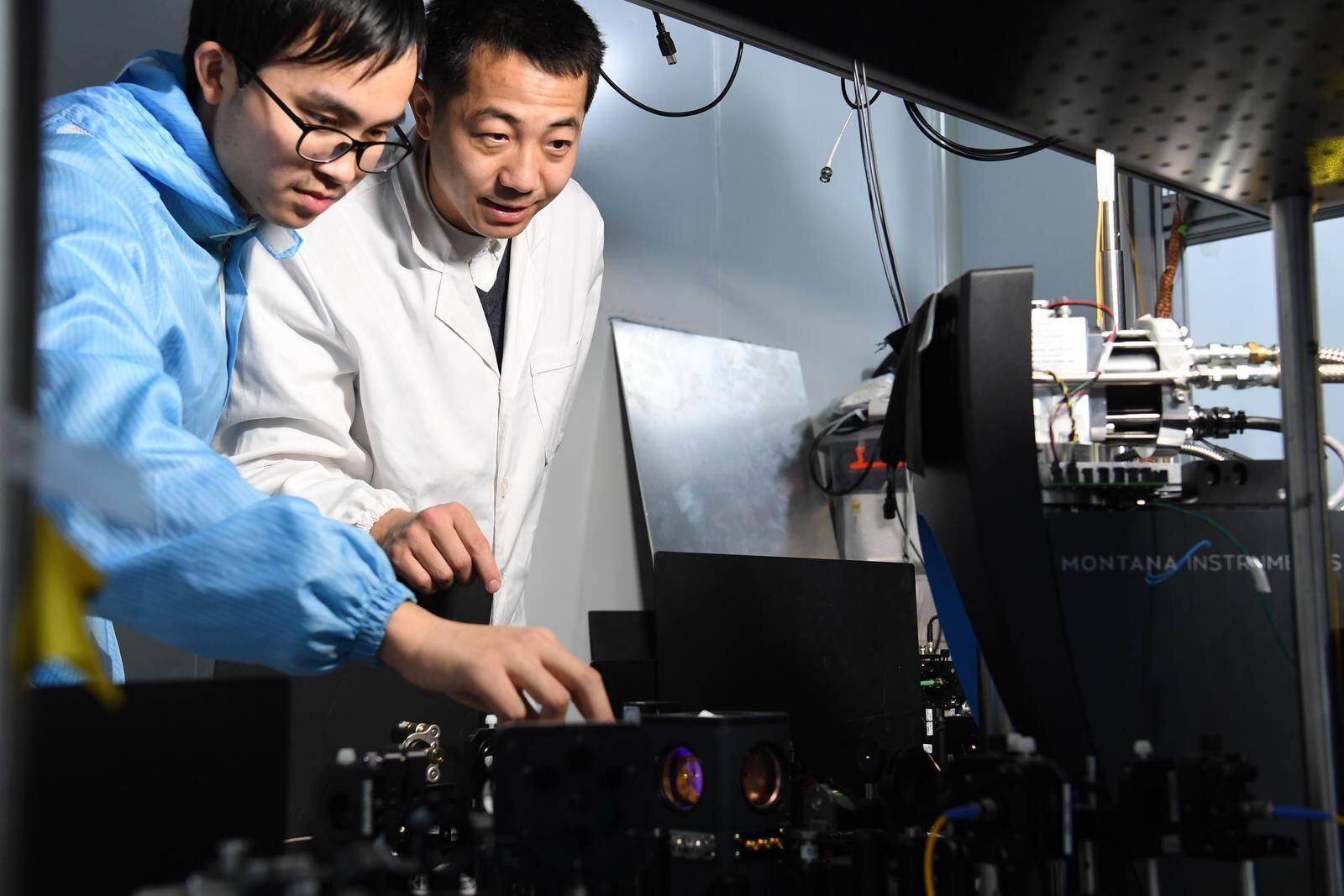
How can China make up for its shortcomings and cultivate its strengths?
Currently, disruptive technologies around the world are showing a trend of collective breakthroughs. Artificial intelligence is leaping from perceptual intelligence to cognitive intelligence, and multimodal large models have achieved cross scale simulation in fields such as biomedicine and material design; Frontiers such as quantum computing and controllable nuclear fusion have made frequent experimental progress. However, there are hidden challenges behind the opportunities: there are still shortcomings in key areas such as semiconductor materials and aviation engines, and the future industrial technology path is highly uncertain, such as the convergence of various sub routes in quantum technology and the rapid iteration of clean hydrogen production technology.
The innovation cycle has been shortened from ten years to several years, but our patient capital is still scarce, "said a partner at a venture capital firm. Future industrial projects often require a cultivation period of 10 years or even longer, while current capital prefers mature tracks, resulting in many cutting-edge technologies stuck in the 'valley of death'. At the same time, there is a huge shortage of high-end interdisciplinary talents, making it difficult to find strategic scientists and leading entrepreneurs who understand both technology and industry.
Building a Chinese style future industrial ecosystem
Faced with a complex situation, China has chosen to break through with a systematic layout and focus on six main directions of attack:
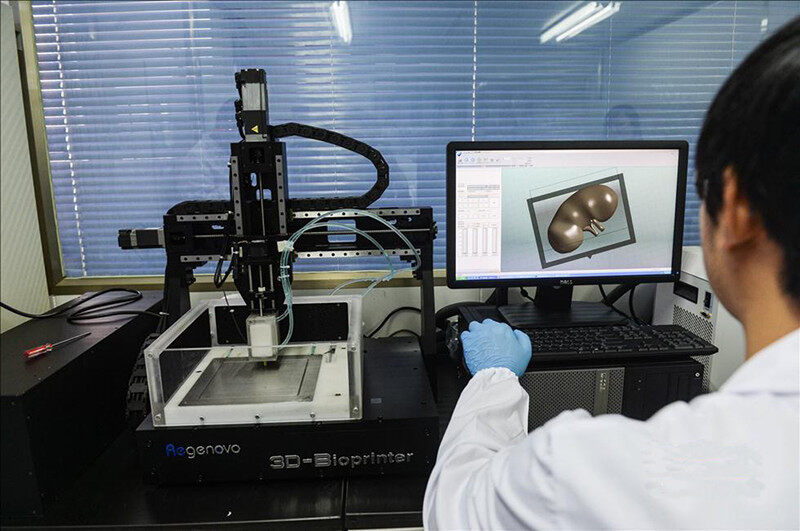
Future Manufacturing: Promote breakthroughs in atomic level manufacturing, biomanufacturing, industrial metaverse, etc., and help China's manufacturing leap towards intelligence and greenness.
Future information: accelerate the industrialization of 6G, satellite Internet and brain like intelligence, and strengthen the integration of artificial intelligence and vertical industries.
Future materials: tackling high-performance carbon fiber, superconducting materials, etc., breaking the dependence on imported high-end materials.
Future Energy: Empower controllable nuclear fusion, clean hydrogen, new energy storage, and build a zero carbon energy system.
Future space: Commercial aerospace, low altitude economy, and deep-sea exploration will advance simultaneously, expanding new areas of economic development.
Future Health: Technologies such as cell therapy, gene editing, and AI assisted diagnosis to meet the needs of an aging society.

This is not just a technology competition, but also an ecological construction. "An expert in the field of industry and information technology analyzed that China will promote efficient collaboration of technology capital talent data elements through scenario opening, cluster development, and institutional innovation. For example, the Yangtze River Delta is building an artificial intelligence industry cluster, the Beijing Tianjin Hebei region is focusing on biomanufacturing and aerospace technology, and the Guangdong Hong Kong Macao Greater Bay Area is exploring pilot projects for cross-border data flow.
Dual wheel drive of policy and market
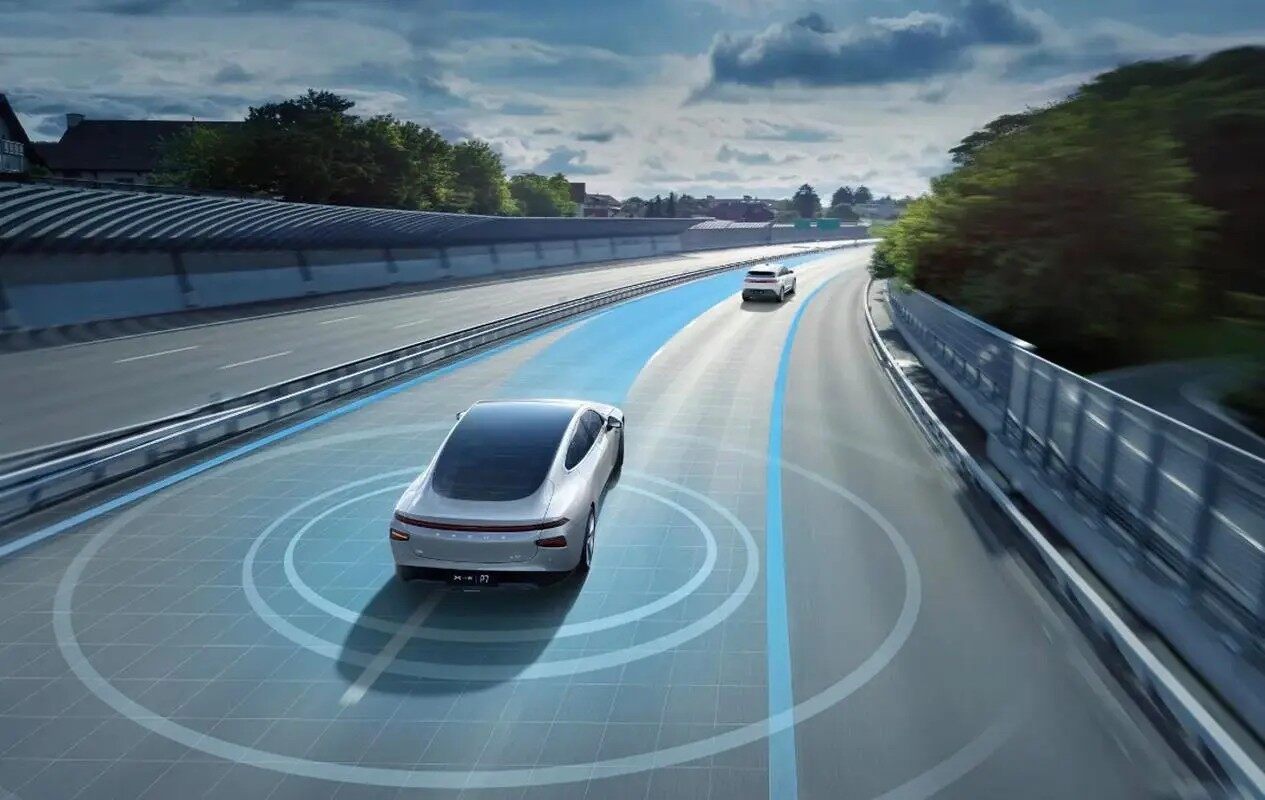
To avoid redundant construction and resource waste, China emphasizes "adapting measures to local conditions" and "dynamic adjustment". Recently, many regions have introduced special policies for future industries: Beijing has established a billion dollar disruptive technology innovation fund, Shanghai has piloted the "unveiling and leading" mechanism to attract global teams to tackle quantum computing, and Shenzhen has opened up all domain autonomous driving scenarios to support commercial operations at L3 level or above.
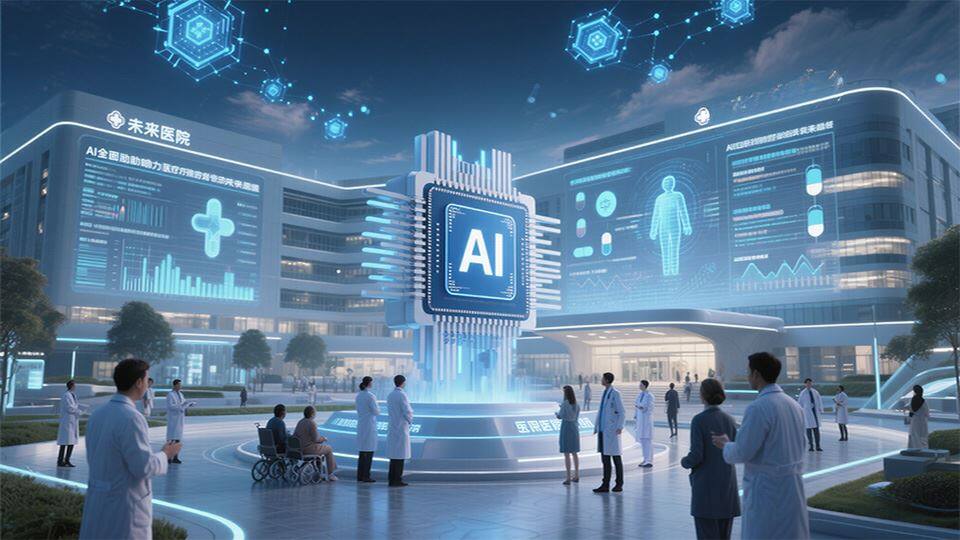
At the enterprise level, leading companies such as Huawei and BYD are accelerating their layout of new energy and intelligent connected vehicles, while iFlytek and SenseTime are deeply cultivating multimodal large models. A group of specialized and innovative enterprises are emerging in the segmented track. We need to tolerate long-term capital that fails, and we also need more flexible mechanisms for opening up scenarios, "said a founder of a science and technology innovation company.
From the laboratory to the production line, from conceptual scenarios to everyday life - the future industry is not only about technological breakthroughs, but also about whether China can occupy the high ground in the new round of global competition. With the gradual implementation of the 15th Five Year Plan, a profound transformation that runs through the innovation chain, industry chain, and capital chain has begun.Editor/Yang Meiling
Comment



 Praise
 Collect
 Comment

 Share
Share


Write something~