 Search


- UAE signs Jordan railway joint venture, directly connecting to Red Sea ports, aiming at global mineral supply chain competitiveness
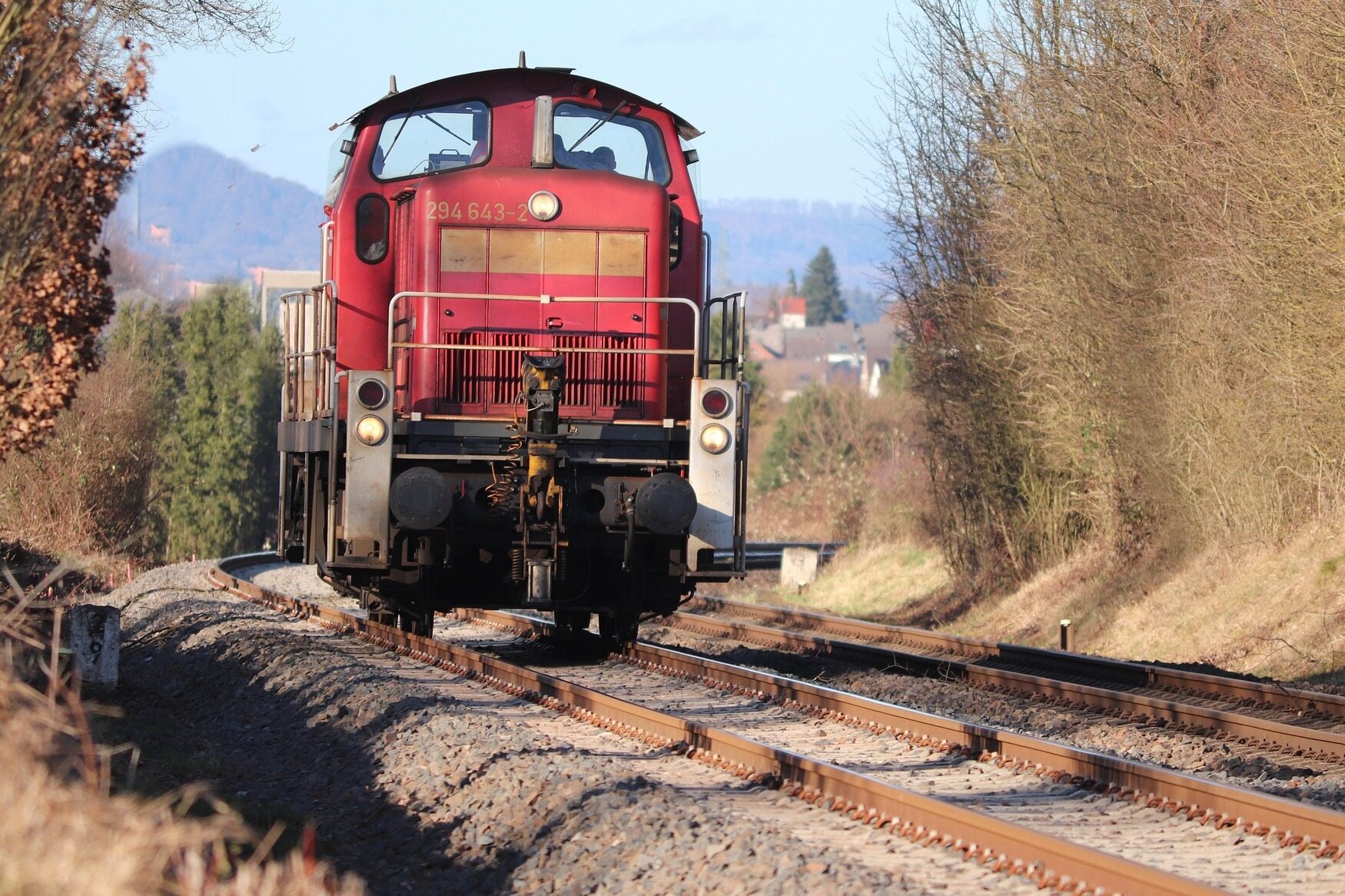
At the confluence of the Red Sea and the desert, a $2.3 billion railway is transforming from a blueprint into a reality. The joint venture agreement signed between Jordan and the United Arab Emirates is not only the landing of infrastructure projects, but also a precise positioning of Gulf capital in the global key mineral supply chain. With the signing of UAE Vice President Sheikh Mansour and Jordanian Prime Minister Dr. Hassan, this 360 kilometer railway will directly connect the phosphate and potassium mines in the interior of Jordan to the port of Aqaba, completely rewriting the resource logistics map of the Middle East.
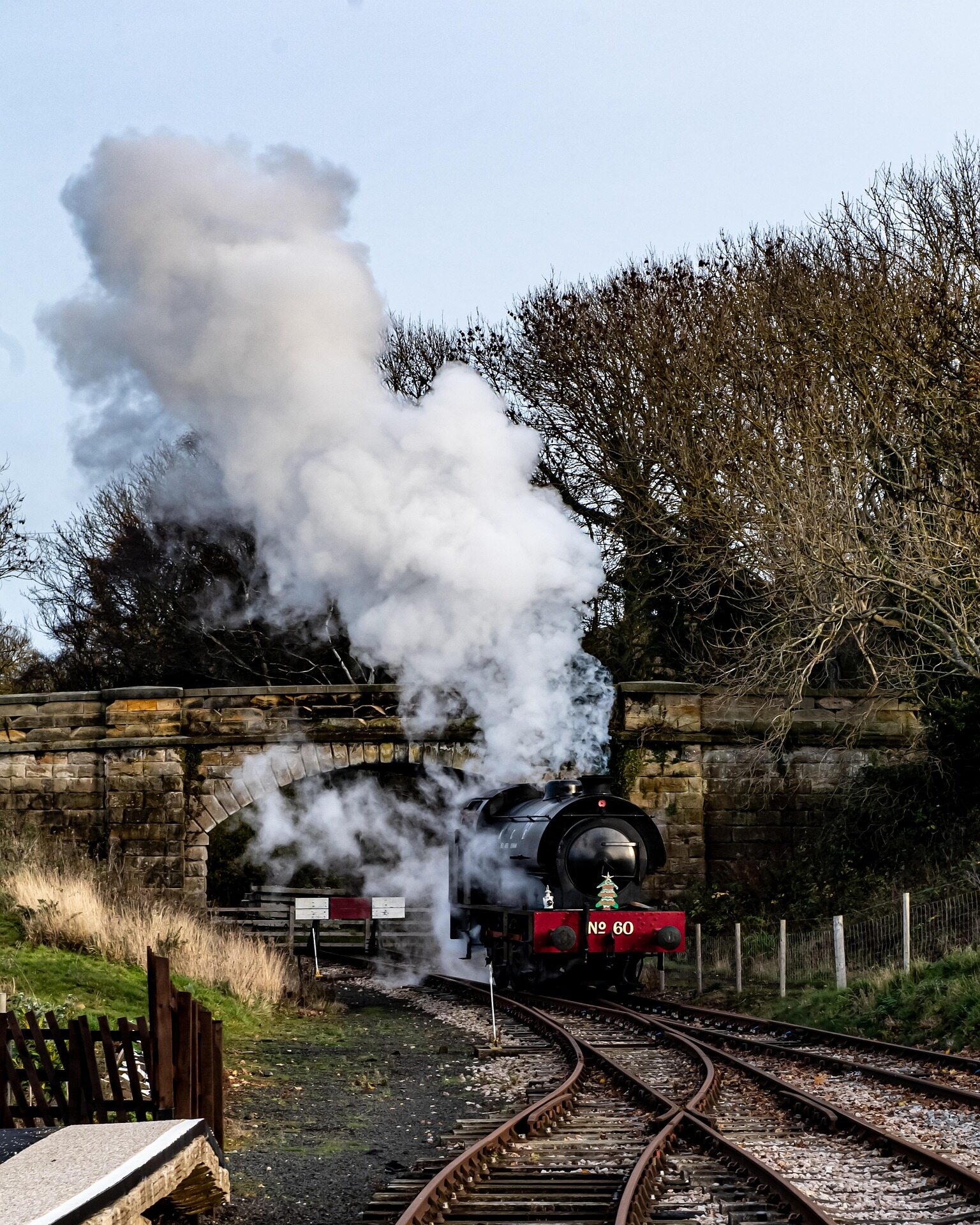
Capital Bonds and Geopolitical Leverage
This is not a simple business investment, but a deep binding of sovereign wealth. Behind the newly established UAE Jordan Railway Company (UJRC) stands the newly established L'imad Holding Fund in Abu Dhabi and local stakeholders in Jordan. As the core landing project of the $5.5 billion investment package in November 2023, the United Arab Emirates intends to extend its sphere of influence from energy exports to the "last mile" of mineral transportation through Etihad Airways' technological leadership. For the United Arab Emirates, this is not only infrastructure exports, but also a geostrategic nail nailed to the north coast of the Red Sea.
Mining lifeline and cost revolution
For Jordan, this railway is the lifeline of its mining industry. The country's Minister of Transport has made no secret of his ambition: the new route will directly connect the Arsidia and Gol Al Safi mining areas with the port, and the annual transportation volume of 16 million tons will consume the vast majority of Jordan's phosphate and potassium fertilizer production. Against the backdrop of global potassium fertilizer prices remaining high due to geopolitical conflicts, this railway will cut logistics costs in half, directly enhancing Jordan's pricing power in the global fertilizer market. Internal calculations show that the project will create thousands of job opportunities for Jordan and may drive GDP growth in the mining sector by several percentage points. Keywords: Middle East news, railways
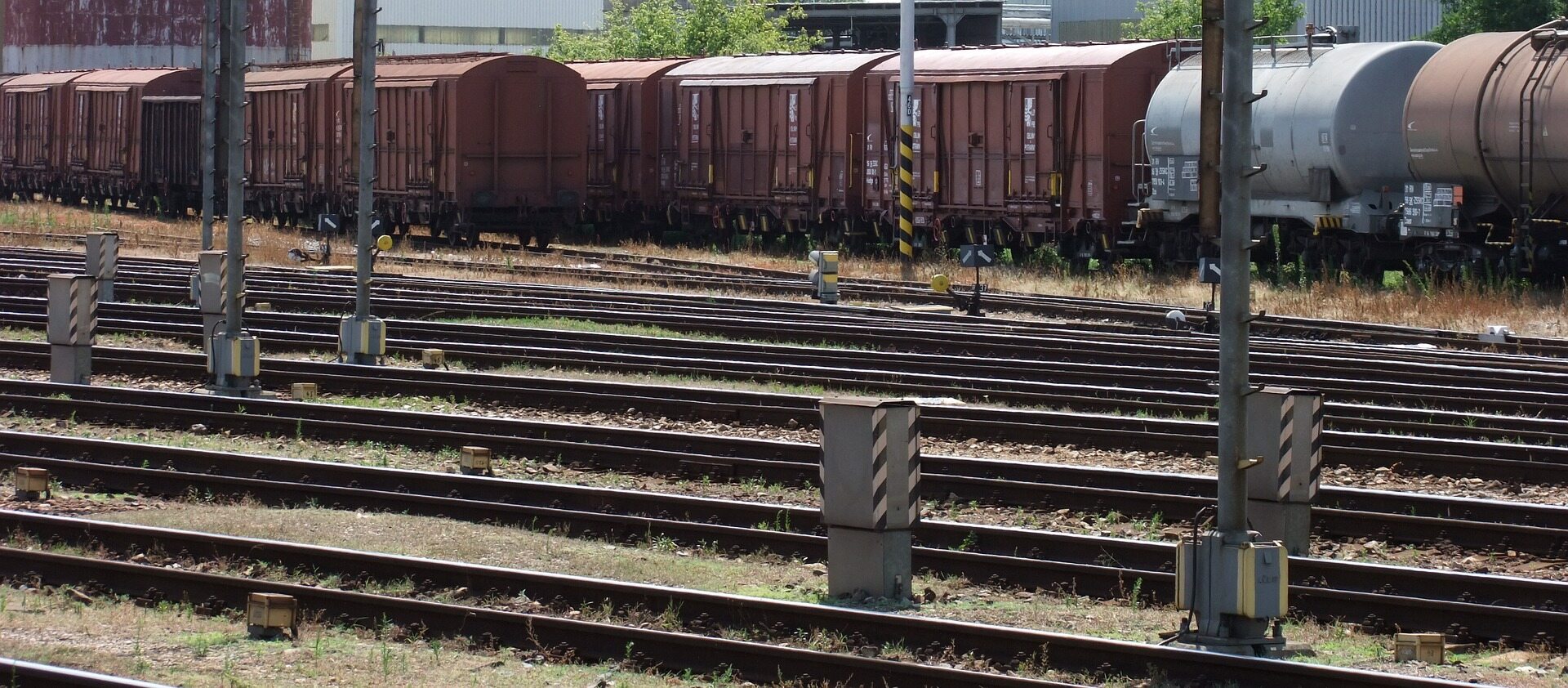
This is not only the laying of steel and sleepers, but also the marriage of resources and capital. When the oil dollars in the Gulf are converted into railway tracks in the desert, Jordan's mineral resources will no longer be constrained by inland transportation bottlenecks, while the United Arab Emirates will gain stable upstream resource channels. In this transaction, both parties are reserving chips for the resource game of the next decade.Editor/Cheng Liting
Comment

 Praise
 Collect
 Comment

 Share
Share


Write something~