 Search


- Both sides will deepen their layout around key minerals such as lithium, uranium, rare earths, and green energy
- Strengthening the strategic foundation of China Africa resource industry chain while promoting the economic transformation of Nigeria
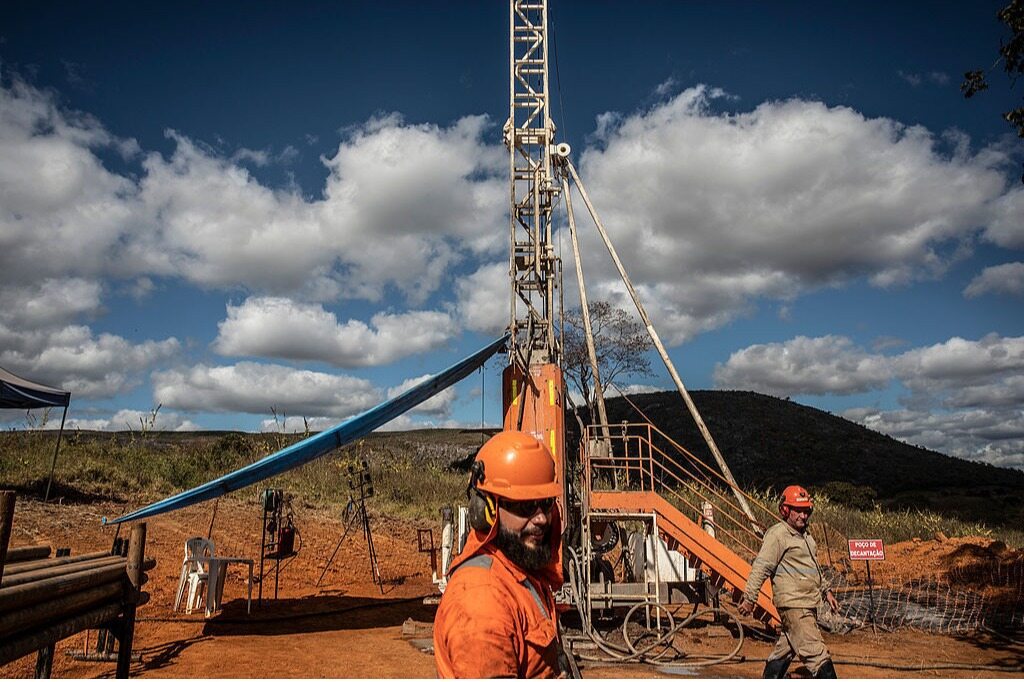
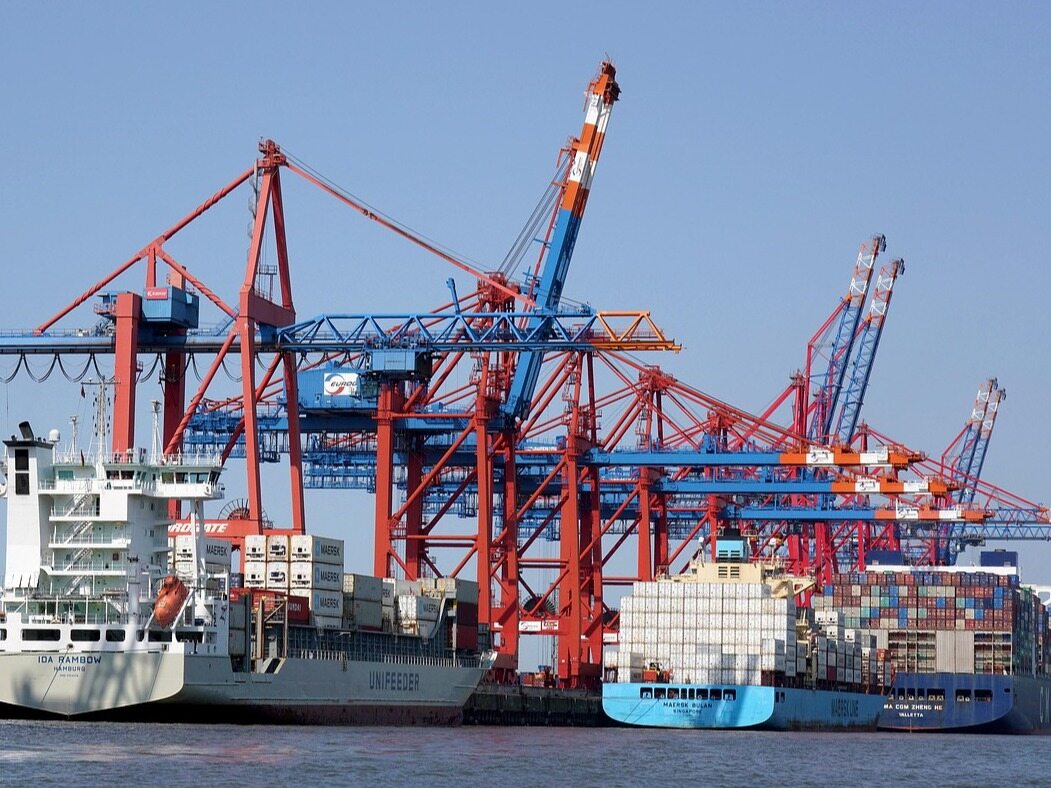
On the airport road in Windhoek, local driver Lucas looked at the Chinese construction vehicles traveling back and forth and sighed. From the opening of the new airport road in the capital, which reduced commuting to just over 20 minutes, to the proliferation of Chinese aid projects, the China Nepal link has long been woven into daily life.
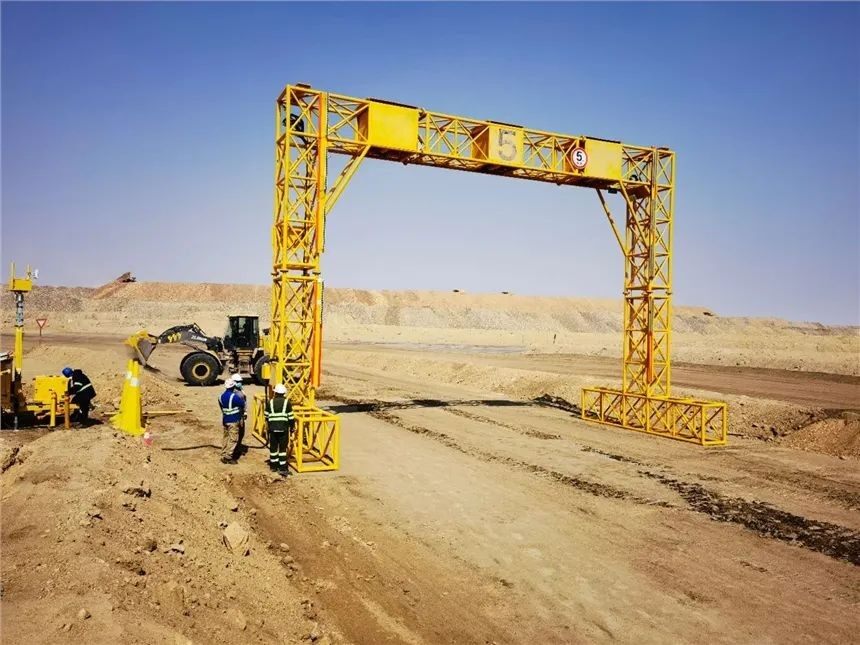
Eight cooperation projects have been implemented
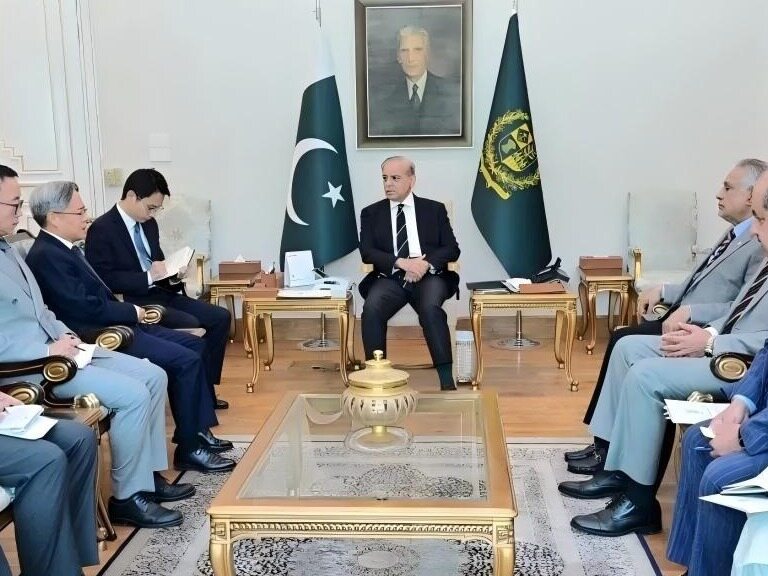
The Chinese side has openly stated its intention to exchange Chinese investment for employment and economic diversification. The Chinese side has also emphasized its attitude towards strengthening cooperation in energy, agriculture, and mineral resources, with the Green Mineral Cooperation Agreement and the Economic Partnership Framework Agreement being particularly prominent. In the joint statement, both sides identified the strategic value of key minerals and finalized deep binding in fields such as uranium, lithium, and rare earths. This not only aligns with the goal of Na to break away from single raw material exports and promote economic diversification, but also enables Chinese enterprises to establish a more stable presence in non resource industry chains.
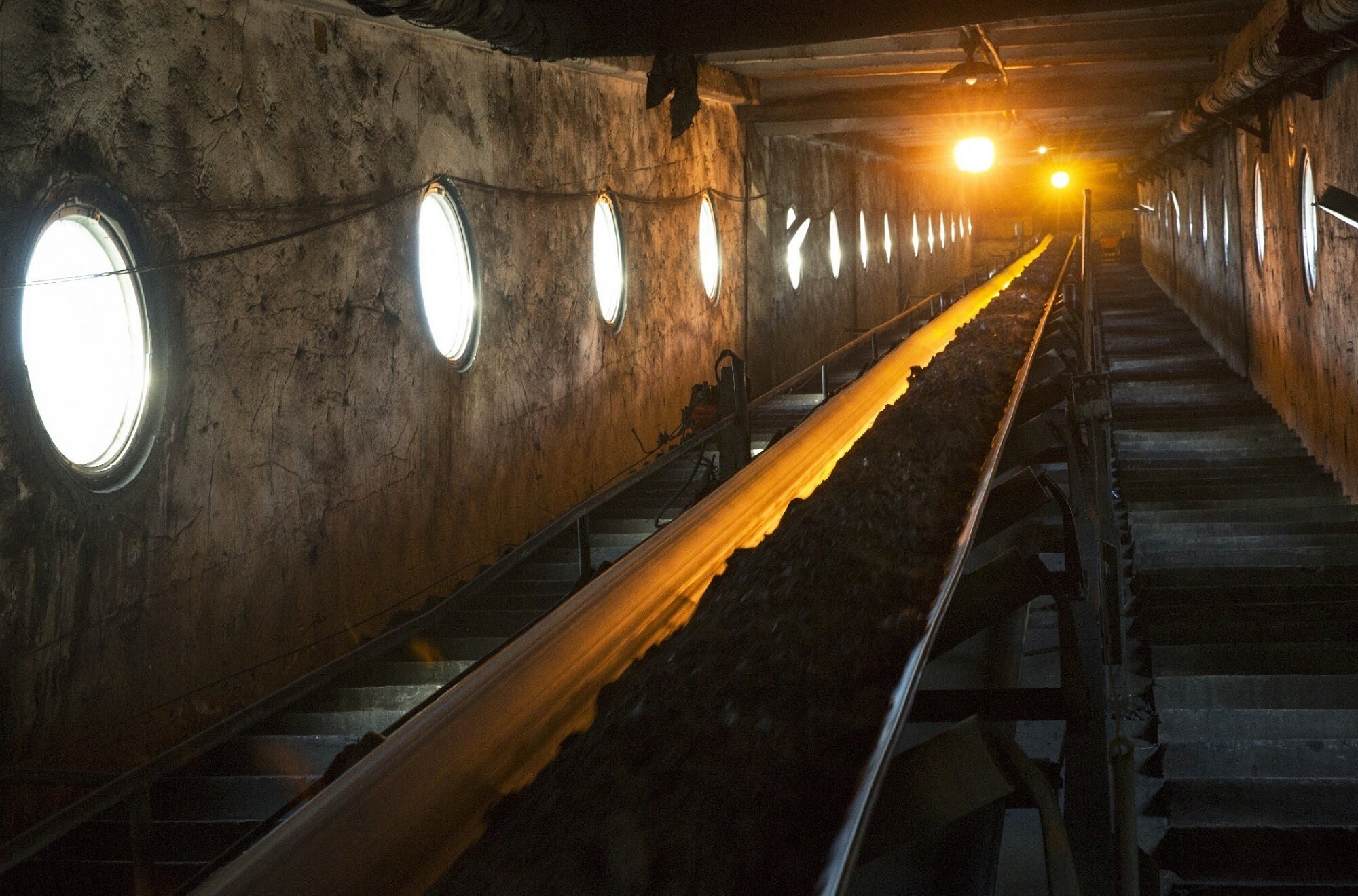
Focus closely on key mineral resources
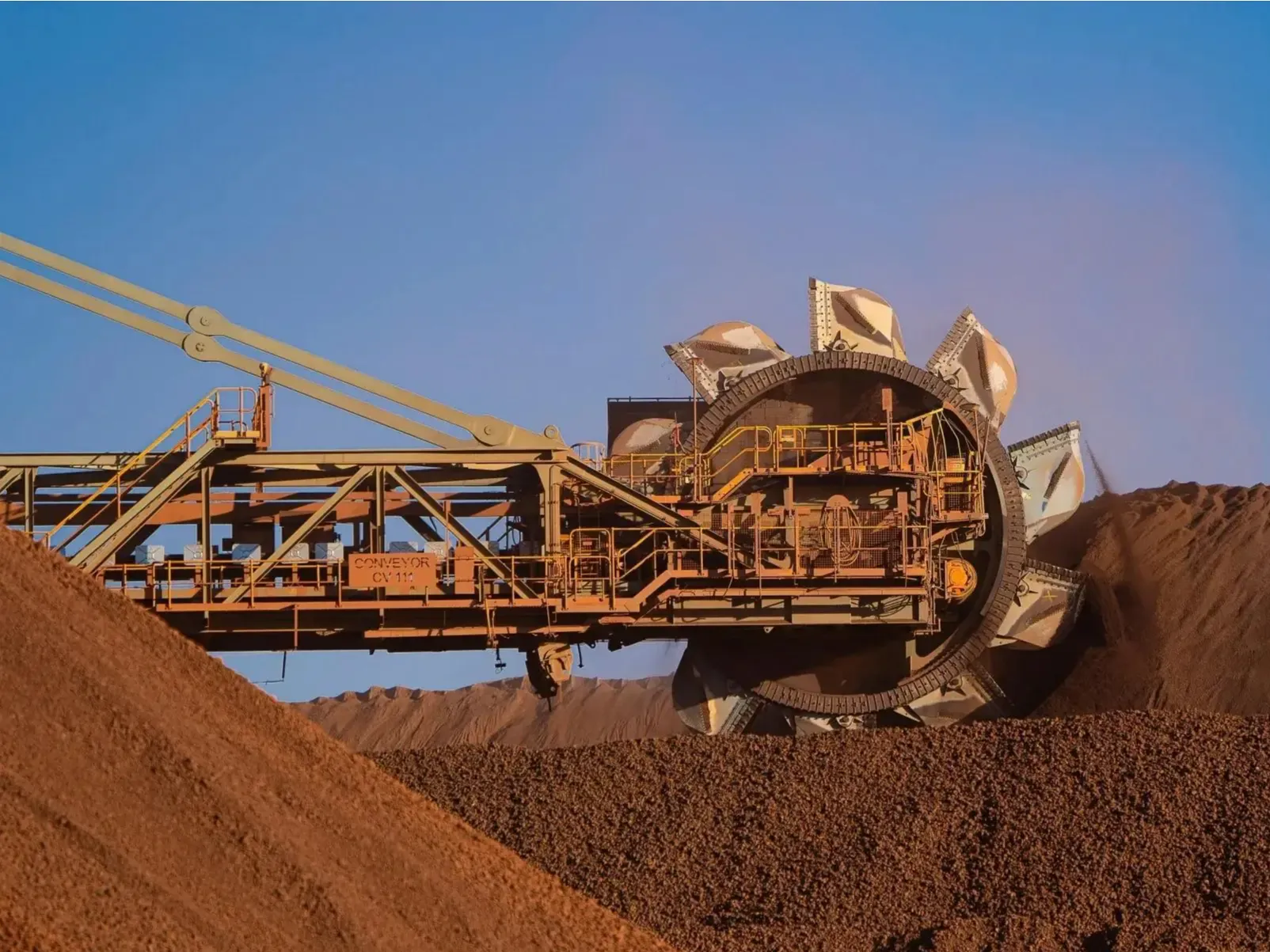
Namibia has abundant mineral resources and is an important global uranium supplier. According to data from the International Monetary Fund, China accounts for about a quarter of its total exports. Last year, China imported approximately $1.3 billion worth of goods, with uranium products accounting for 85%. Currently, Chinese companies are no longer solely focused on raw ore trade, but are shifting towards the entire chain of mineral processing, smelting, and deep processing. The Husabu and Rosening uranium mines have created 6000 jobs, and subsequent technology transfer and local skill training have also been included in the cooperation list to help the receiving side retain the added value of resources locally.
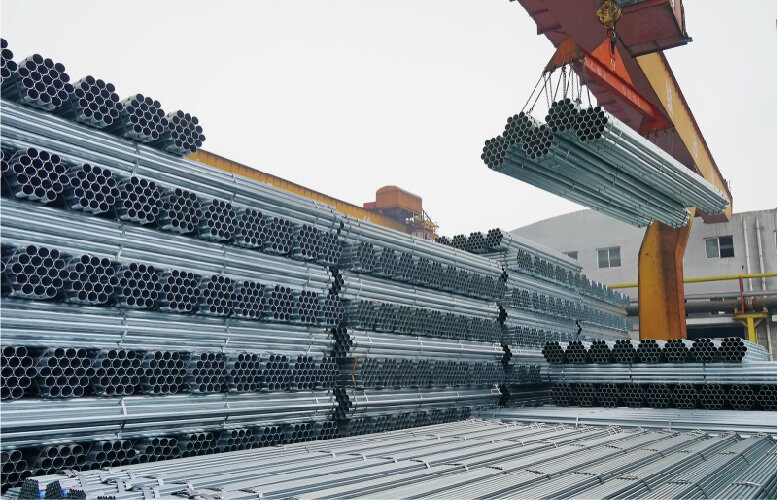
Leveraging Energy Transition
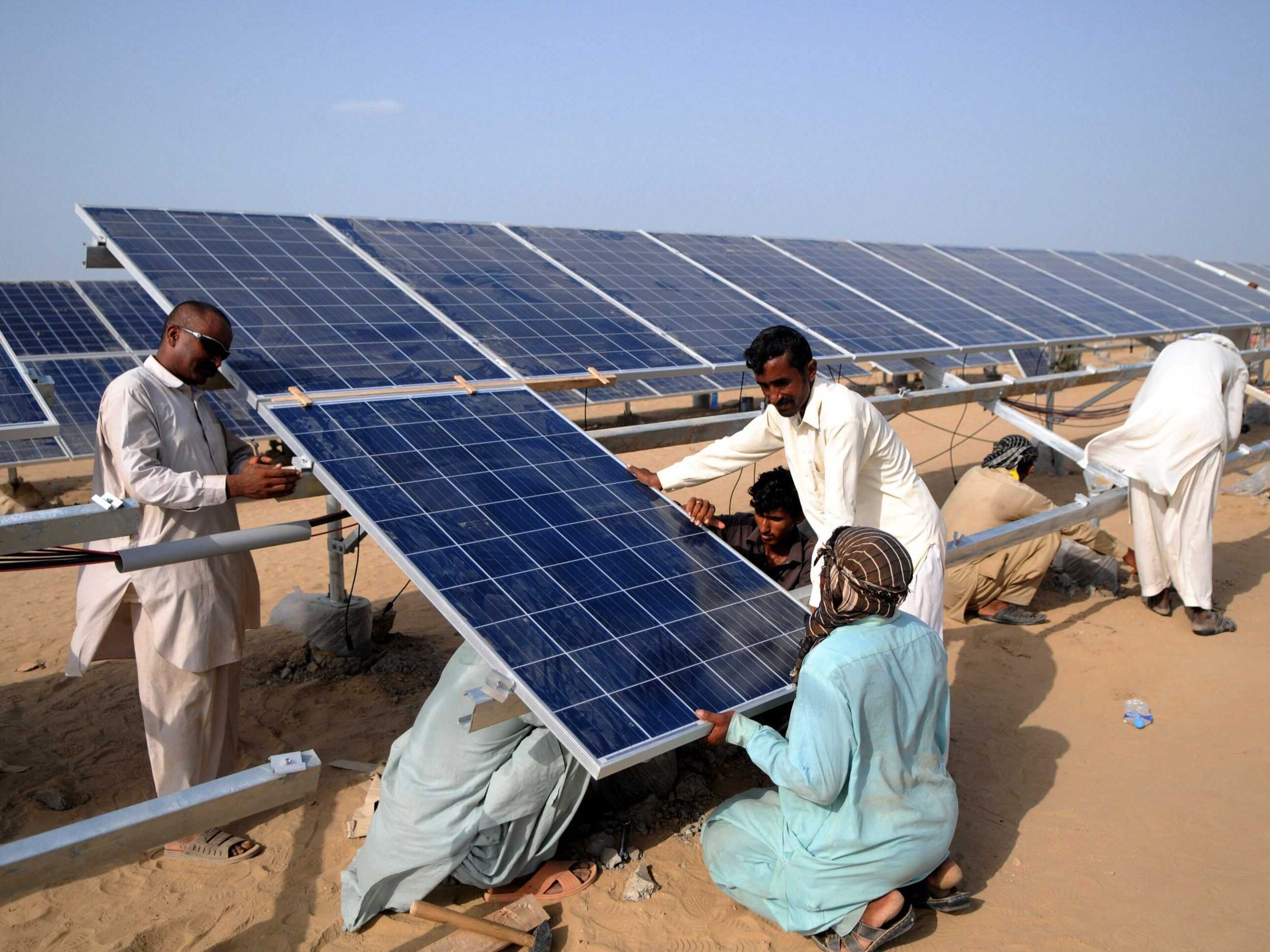
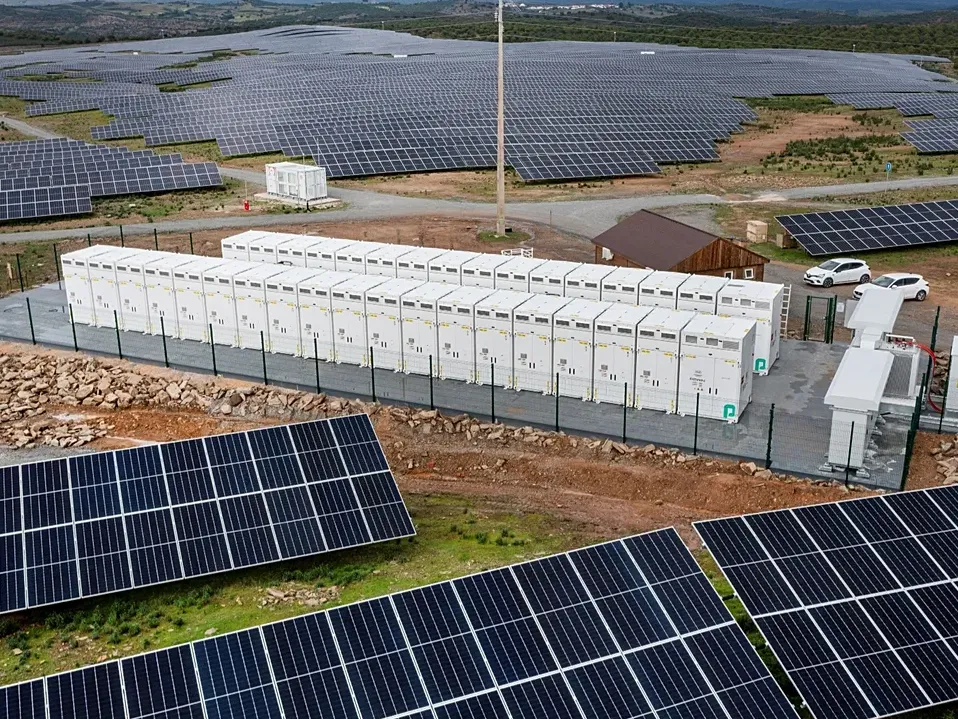
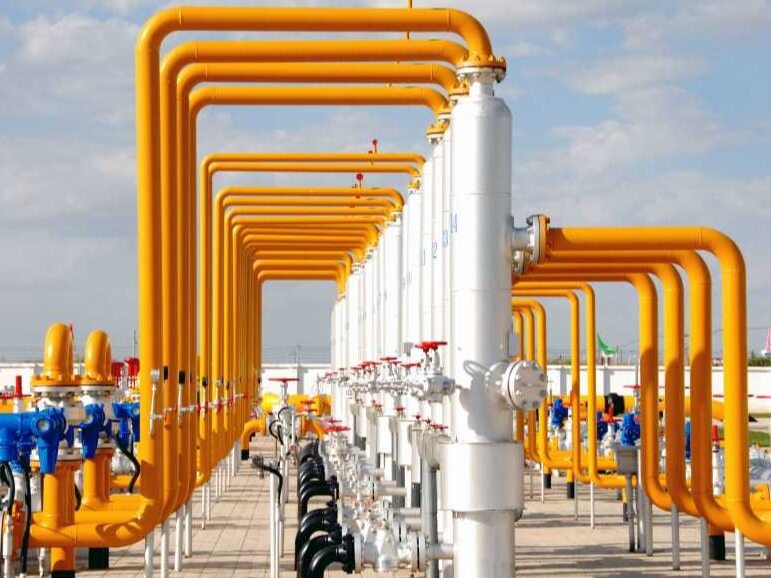
About 2.6 billion barrels of oil have been discovered in offshore oil and gas, and Shell and Total Energy have estimated that they will become the fourth largest oil producing country in Africa by 2030, with energy potential waiting to be released. Nandi Ndeteva has launched a green revolution, focusing on agriculture, water resources, and green hydrogen industries. Chinese companies have taken over the general contracting of the annual production of 2.4 million tons of green ammonia plants, and photovoltaic power stations have also been deployed in the sand dunes of Karas District. In the chessboard of Nafang's industrial transformation from oil and gas development to green hydrogen layout, Chinese technology and capital have become key players.
This collaboration spanning minerals and energy is linking Namibia's red sand dunes with China's industrial chain, writing a new footnote in the narrative of mutual assistance between the two countries.Editor/Yang Meiling
Comment

 Praise
 Collect
 Comment

 Share
Share


Write something~