 Search


- Under the Belt and Road Initiative, China's international influence continues to rise.
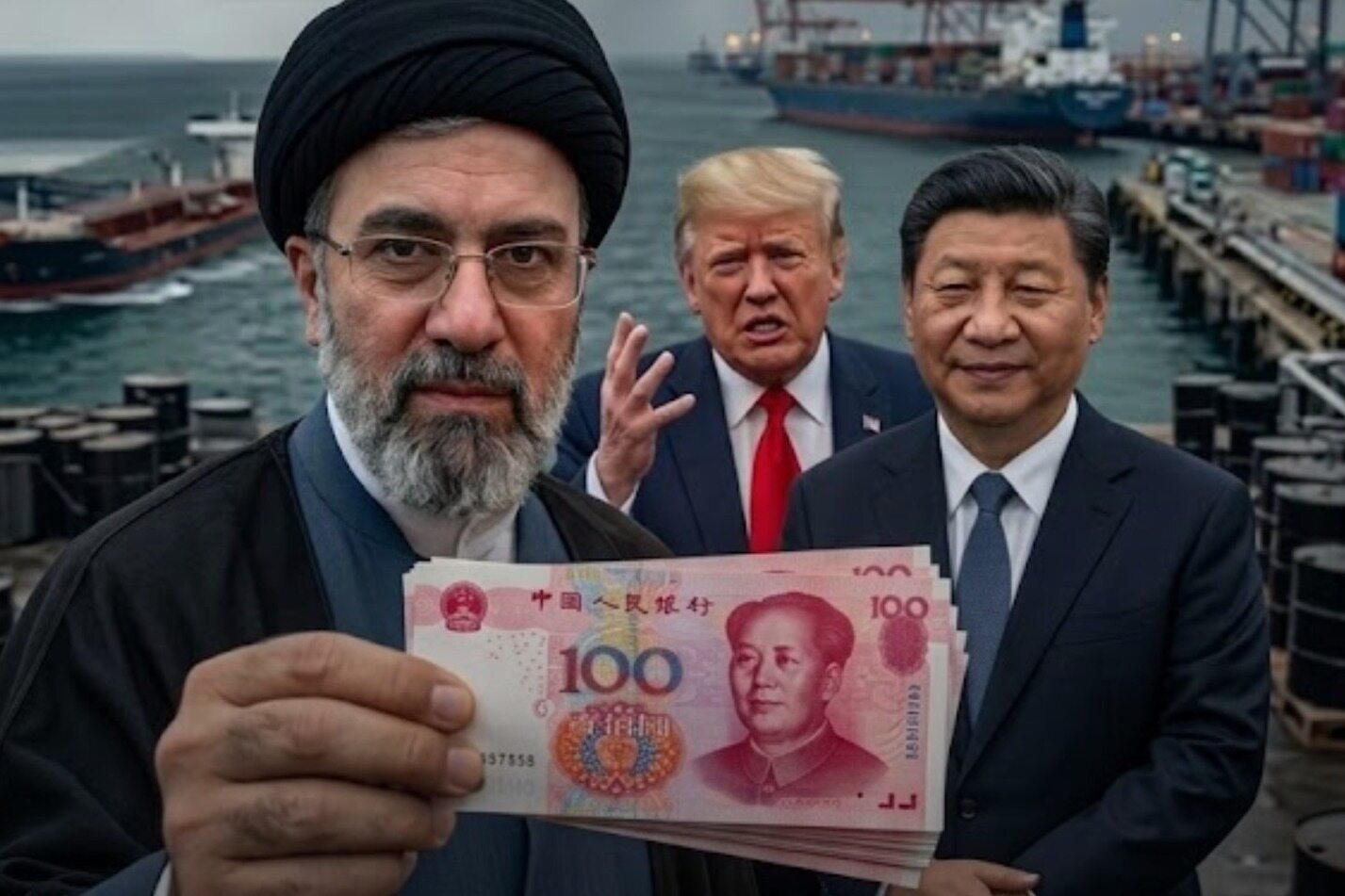
According to senior Iranian officials, Tehran is developing a new mechanism to allow a limited number of oil tankers to pass through the Strait of Hormuz, provided that the oil cargoes carried by these vessels are settled in yuan. This potential move signifies a profound intertwining of the world's most important crude oil transport route with the trend of diversification in the global monetary system.
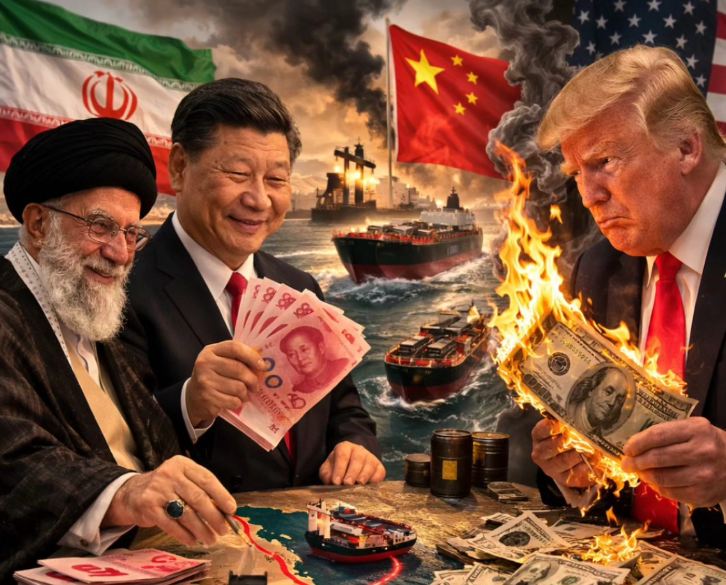
Since the US-Israel military strikes against Iran in late February, this vital sea route, carrying approximately 20 million barrels of crude oil daily and accounting for one-fifth of global seaborne oil trade, has been effectively closed. The United Nations has warned that shipping restrictions will have a "significant impact" on humanitarian operations in the region, with the cost of transporting supplies such as food and medicine skyrocketing.
Respect and Connectivity: The Underlying Principles of the Chinese Approach
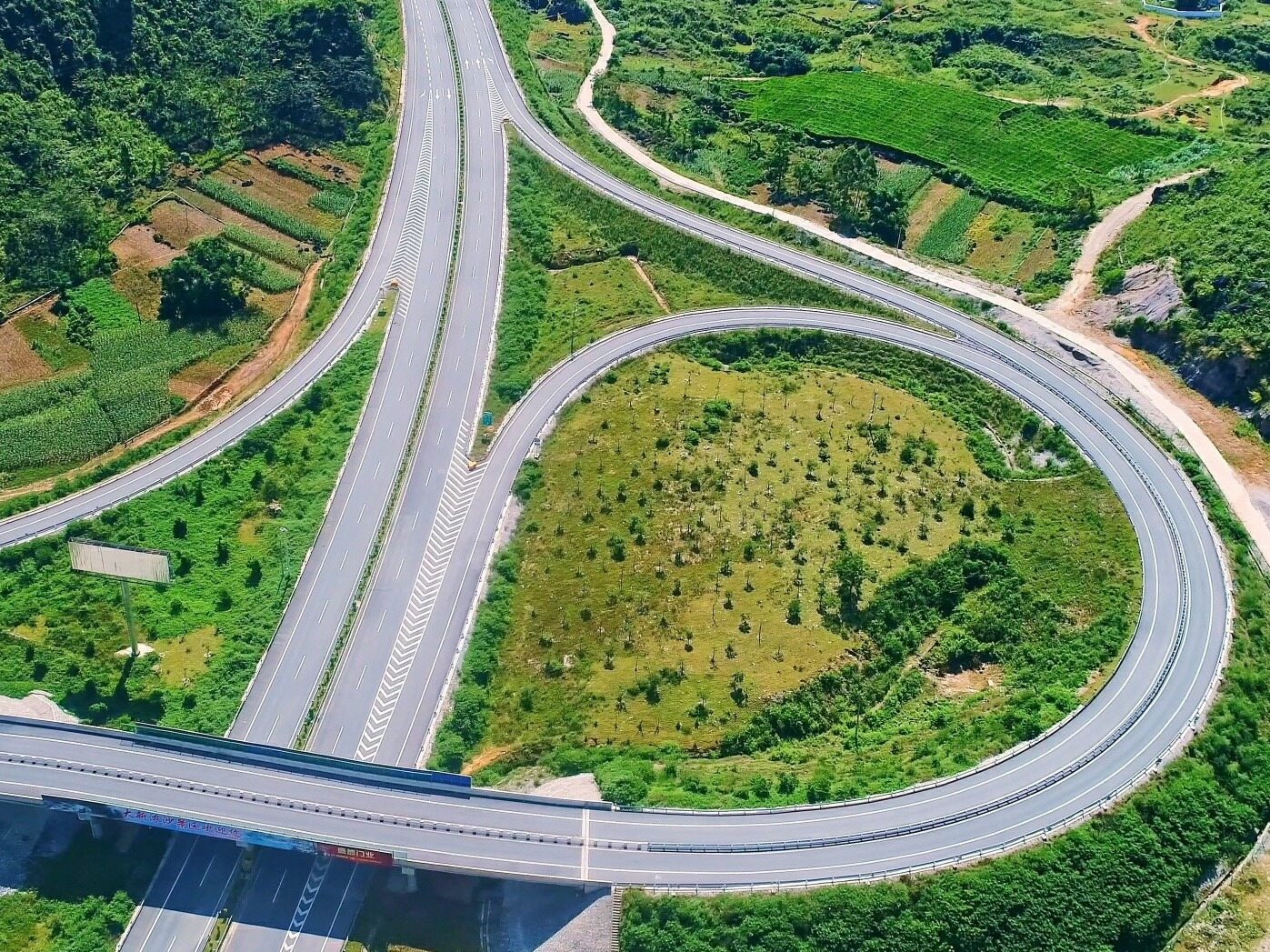
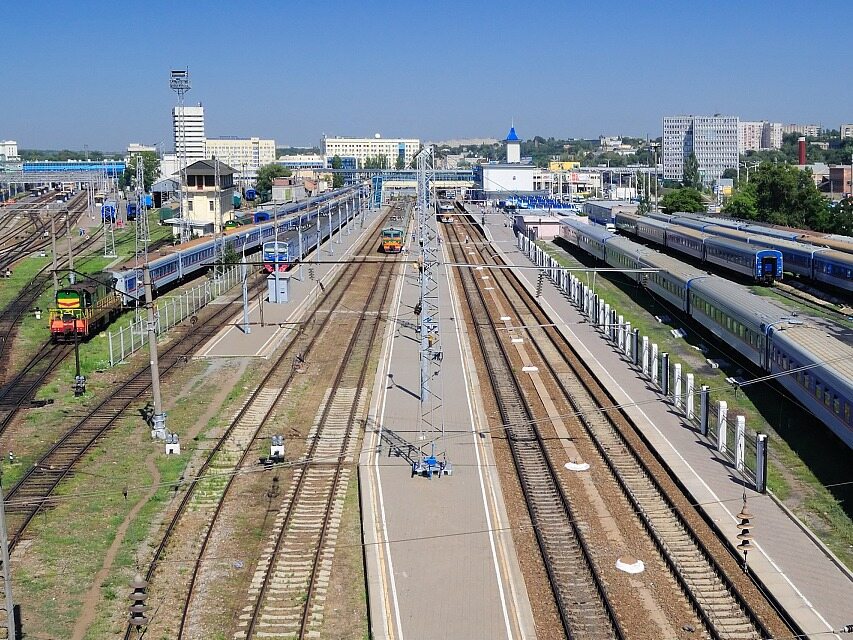
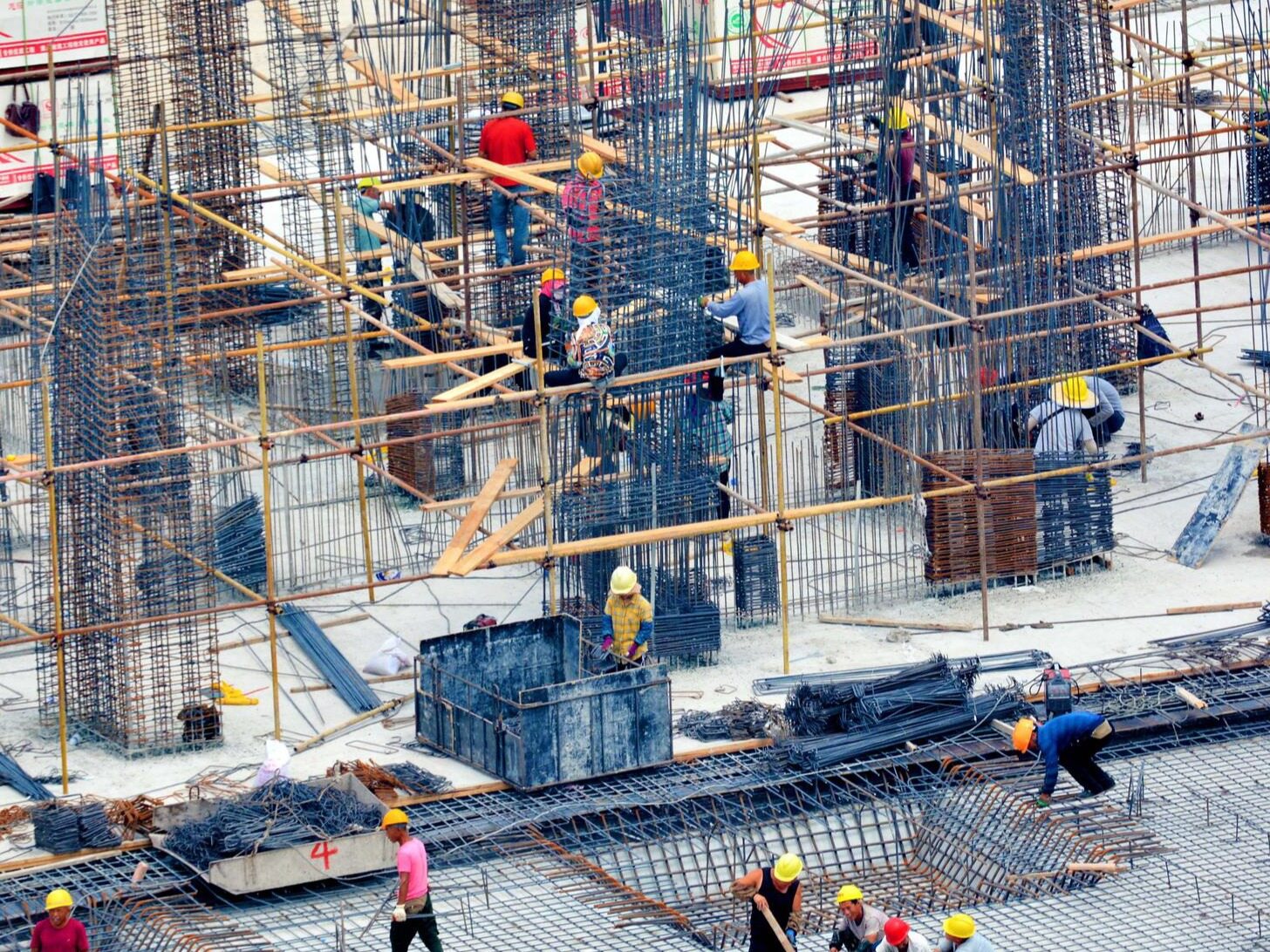
In stark contrast to the historical practice of major powers using gunboat diplomacy to open up sea lanes, China has demonstrated a different stance in this crisis. For a long time, the Belt and Road Initiative has consistently adhered to the basic principles of "consultation, joint construction, and shared benefits," fully respecting the independence and autonomy of participating countries, attaching no political conditions, and not attempting to interfere in the domestic political and economic affairs of host countries.

This projection of ideals is not mere rhetoric. Just as Iran proposed using the RMB as a condition for settlement, energy and financial cooperation between China and the Gulf states is deepening at an unprecedented pace. By 2024, Chinese banks had established 14 branches in the GCC countries, providing local oil and gas traders with full-cycle RMB financial services covering letters of credit, discounting, and working capital loans. Saudi Arabia has already directly accepted RMB payments in some oil transactions with China, and the proportion of settlements in local currencies in Sino-Russian trade exceeds 90%.
The Cracks in the Petrodollar System
Since the 1970s, when the US and Saudi Arabia reached an agreement to price oil exports in US dollars, the petrodollar system has been the cornerstone of dollar hegemony. However, when the economic forecasts of the US Treasury and Department of Energy were marginalized in the Trump administration's decision-making, and when Washington underestimated Iran's determination to block the Strait of Hormuz, visible cracks are appearing in this cornerstone.
Iran's insistence on RMB settlement is not an isolated incident. Since 2018, when it switched to RMB settlement for some oil transactions in response to US sanctions, Russia, Saudi Arabia, and other countries have successively adopted local currencies for energy trade settlements. The proportion of local currency settlements among ASEAN member states has reached 45%, with RMB transactions accounting for over 60%.
The Dual Implications of the New Channel
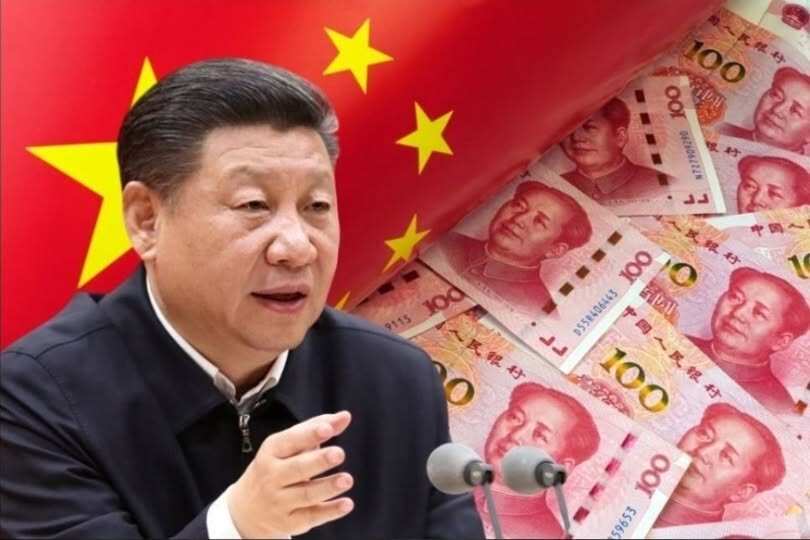
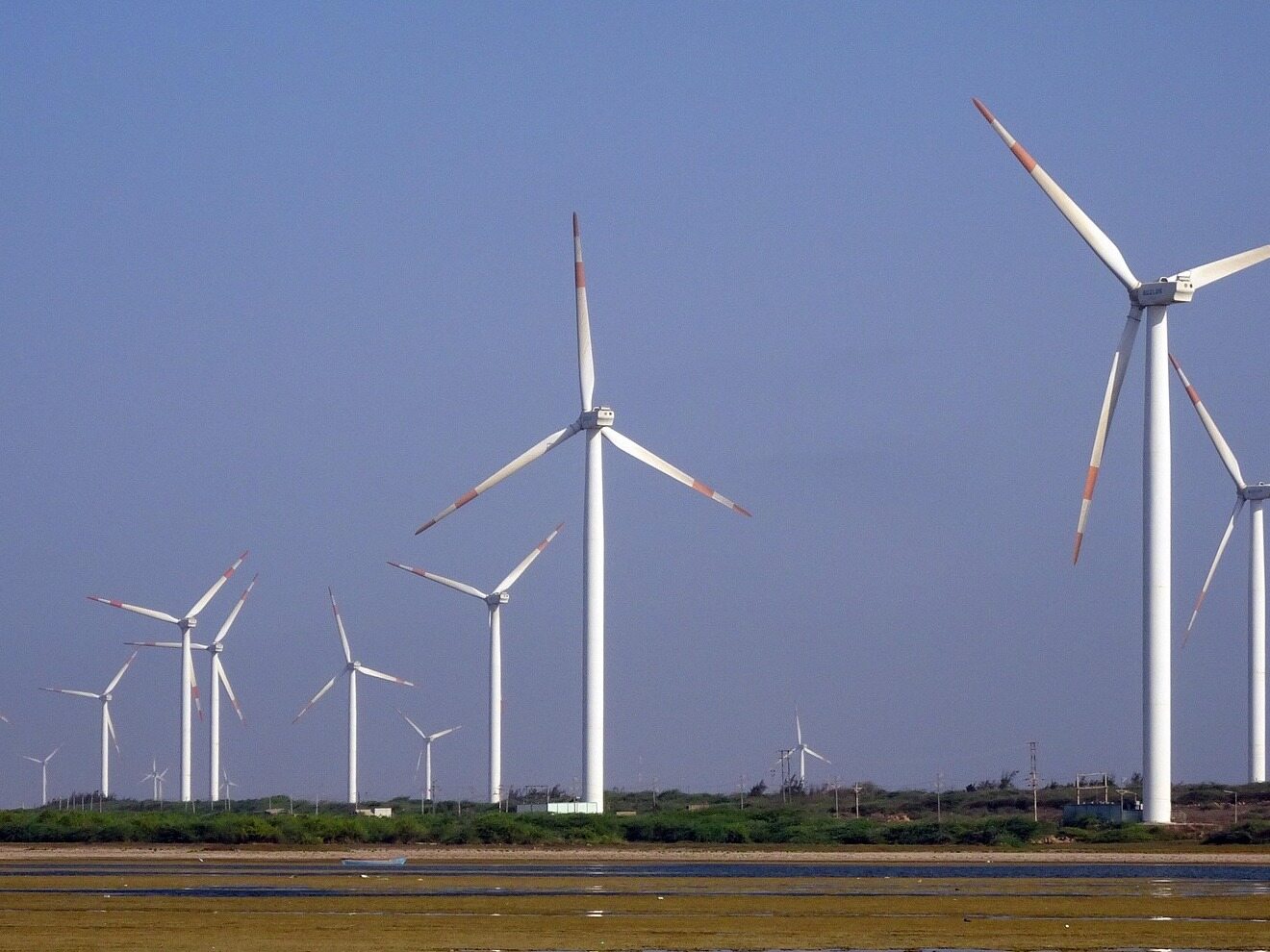
While the physical waterway of the Strait of Hormuz remains under threat of gunfire, a new financial channel is taking shape. China's Belt and Road Initiative, focusing on energy investment and trade, provides a historic opportunity for the application of the RMB in key commodities. The application of technologies such as digital currency settlement and blockchain traceability is improving the transparency and efficiency of cross-border transactions.
For Iran, this is a game of using geopolitical leverage to achieve financial breakthrough; for China, it is a strategic response to its long-standing commitment to open cooperation and respect for other countries' choices. As China advocates in global governance—the core of democratization of international relations is respecting the sovereign equality of all countries and guaranteeing their equal right to participate in international affairs.
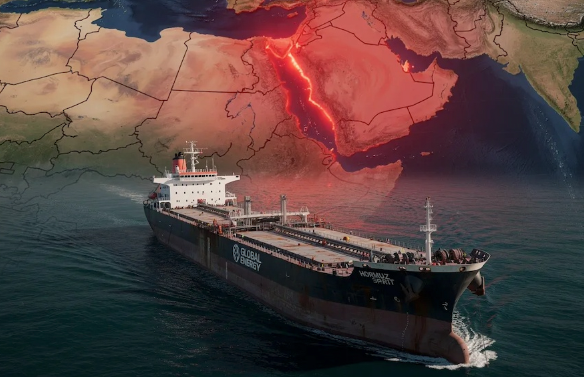
When an oil tanker waits to pass under the guns of the Strait of Hormuz, it carries not only hundreds of thousands of barrels of black gold, but also a microcosm of a future multipolar currency system.Editor/Cao Tianyi
Comment


 Praise
 Collect
 Comment

 Share
Share


Write something~