 Search


- The millennium rock paintings by Lake Issyk Kul are engraved with the nomadic history of the Seleucid people

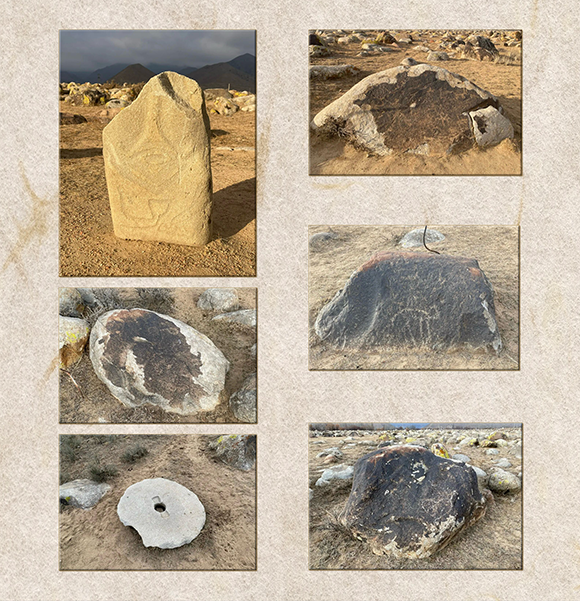
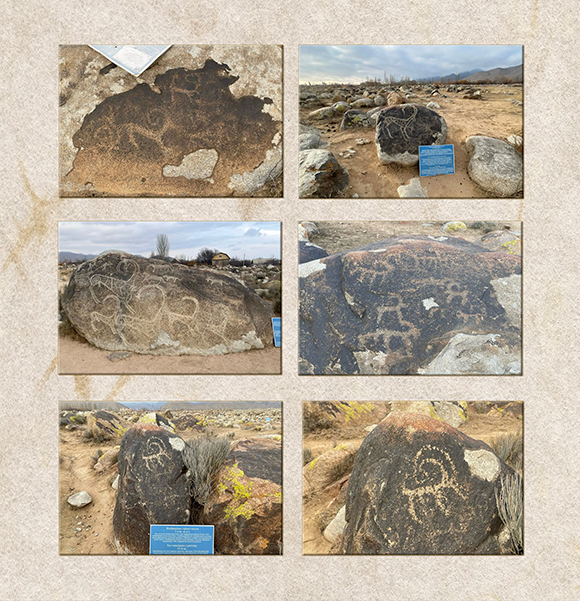
There is an open-air rock art museum located in the town of Chorponatah on the shores of Lake Issyk Kul in Kyrgyzstan. The park covers an area of approximately 42 hectares and showcases ancient rock paintings and ruins from 2000 BC to the 4th century AD. The vivid patterns of goats, wild deer, and hunters on the rock wall vividly depict the production and life of ancient nomadic peoples. Unfortunately, the protection situation here is not ideal, and traces of animal activities such as horses can still be seen on site.
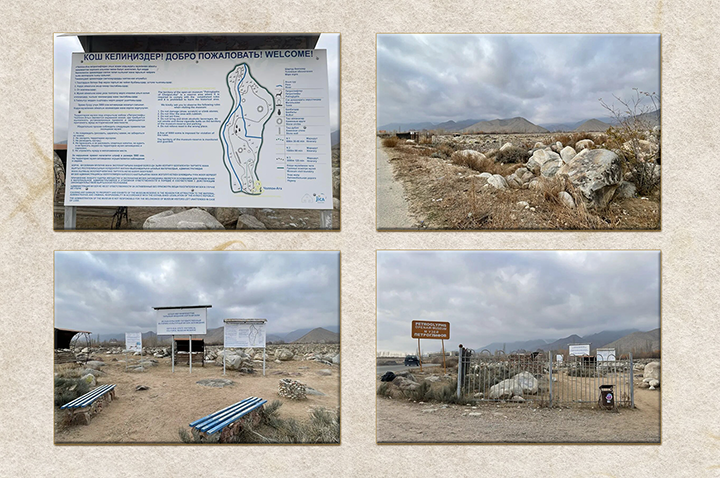
The Rock Painting Museum in the town of Chorponatah in Kyrgyzstan is an important cultural relic left over from the ancient nomadic civilization of the Serbian people. This area is famous for its large number of open-air rock paintings, with many mysterious carvings preserved on the stones, providing valuable clues for studying early nomadic societies in Central Asia.
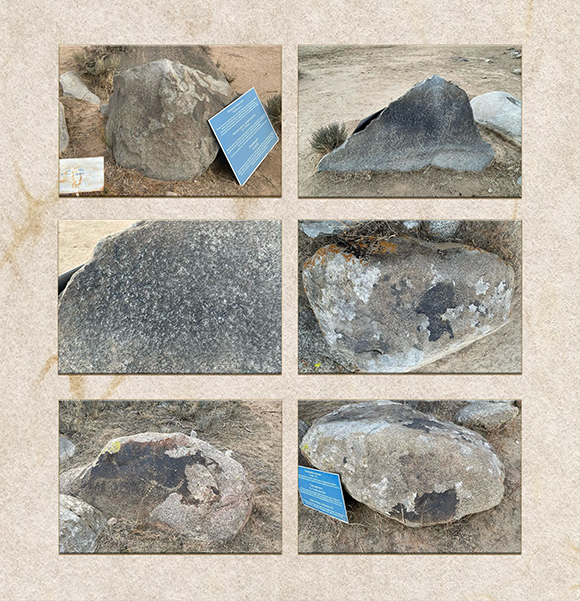
The rock art group is widely distributed with rich pattern content, which not only records the natural environment at that time, but also reflects the lifestyle and cultural beliefs of the indigenous people. These vivid stone carvings remind people that this place may have been an important sacrificial site with a profound sense of historical ceremony.
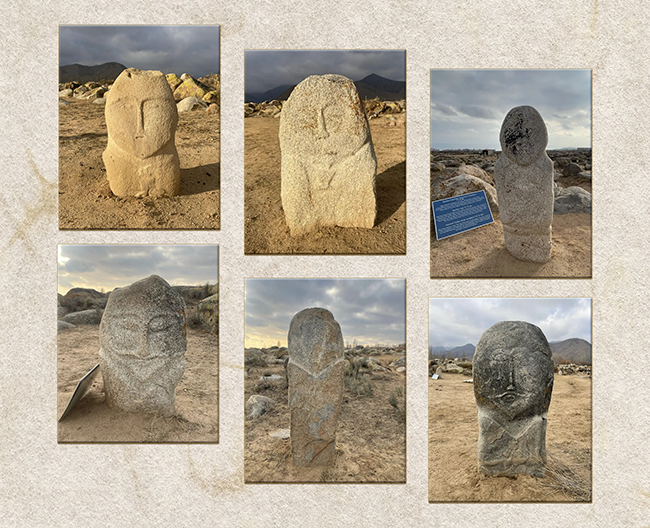
The precious heritage of the Saizhong people, the living code of Central Asian civilization
Although the Giorponta Rock Painting Museum does not cover a large area, each rock contains unique historical information and serves as an intuitive window to understand ancient nomadic civilization. The entrance area of the scenic spot is densely packed with rocks and concentrated with rock paintings, making it a must visit focus for tourists. For the convenience of foreign tourists to understand, English explanatory signs are provided next to the rocks on site, providing clear information guidance for visitors.
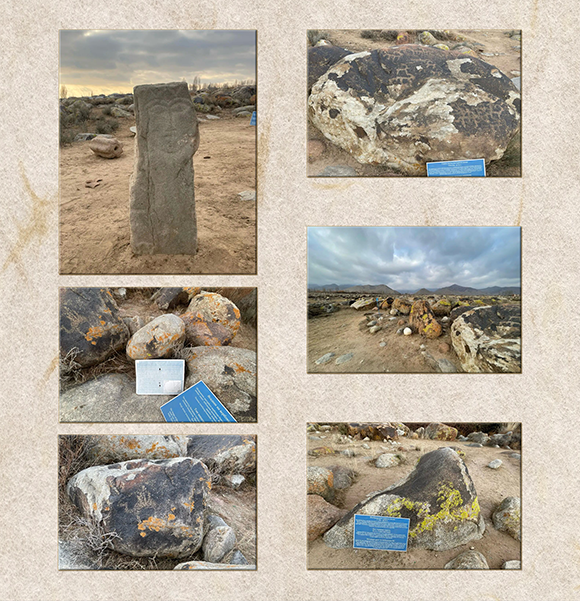
The historical context of the Giorpon Ata rock art group is profound, and its creation can be traced back to the Bronze Age to the Saka Wusun period, with the earliest dating back to around 1500 BC. These stone carvings were personally carved by ancient nomadic tribes such as the Saizhong people, preserving the code of civilization spanning thousands of years.
Outdoor museums, ancient imprints in urgent need of protection
The content of rock paintings is of great historical value, and the theme revolves around early nomadic life: animal patterns account for a high proportion, with deer being particularly prominent, supplemented by grassland creatures such as goats and horses; The vivid depiction of hunting scenes and characters realistically restores the hunting labor and social activities of ancient ancestors. In addition, rock paintings also contain symbols that reflect daily customs and spiritual beliefs, providing intuitive and precious physical examples for interpreting ancient nomadic civilizations in Central Asia. Keywords: rock paintings, nomadic civilization, cultural relics
These mottled stone carvings are not only a witness to the artistic creativity of the indigenous people, but also a historical record of the migration and survival of ancient Central Asian nomadic tribes on the rocks.Editor/Gong Ziwei
Comment


 Praise
 Collect
 Comment

 Share
Share


Write something~