 Search


- The hoe in Dayu's hand not only cleared the river, but also delineated the territory of Kyushu, forging the earliest concept of China
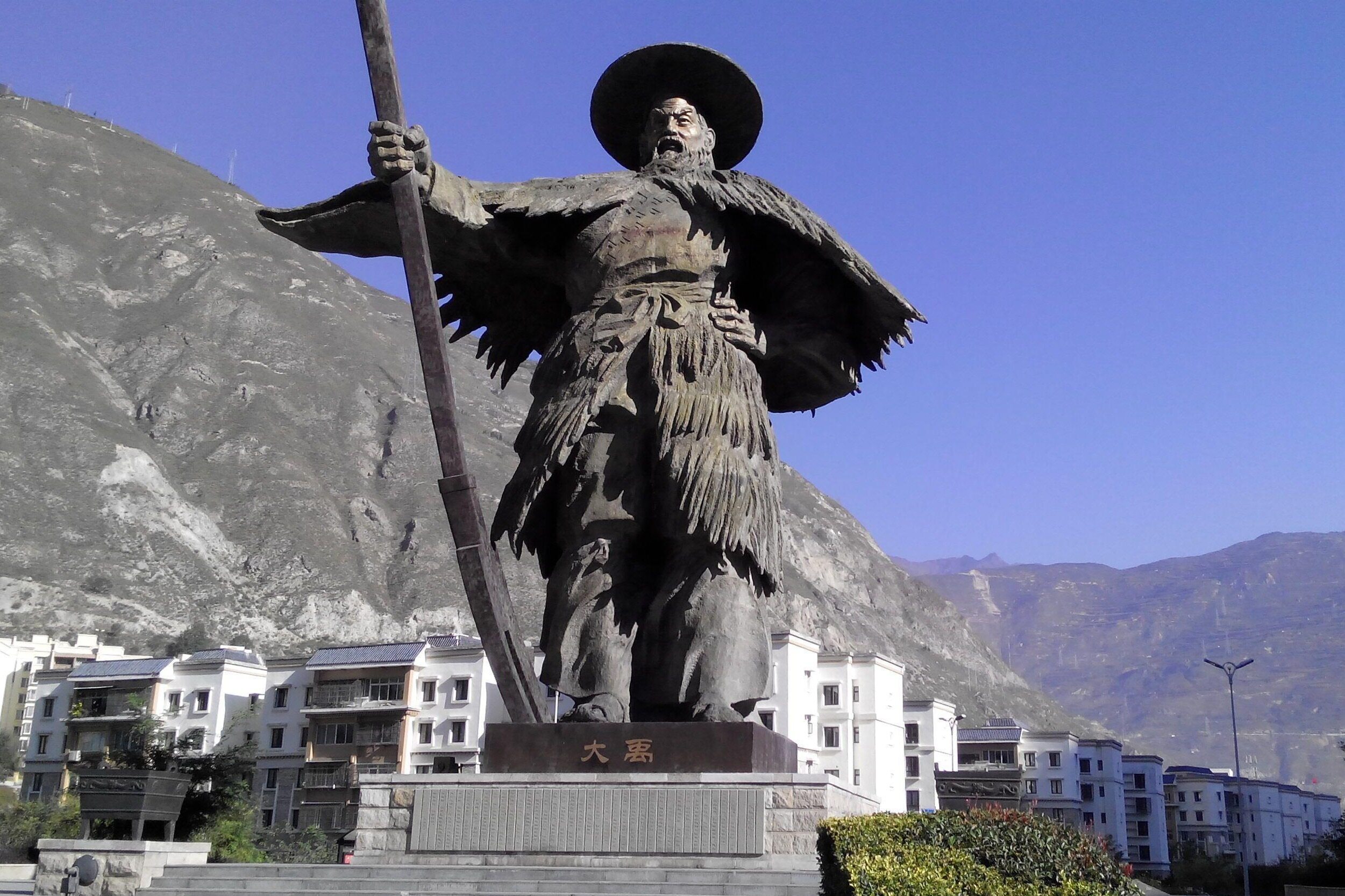
Four thousand years ago, when the catastrophic floods in the Yellow River Basin engulfed our homeland, the Chinese nation faced the darkest moment of survival and demise. In this life and death game against natural disasters, a hero named Yu stepped forward. He not only tamed the raging torrent with thirteen years of time, but also engraved the earliest spiritual genes for the Chinese nation with his wisdom of turning blockage into neglect and his selfless responsibility.
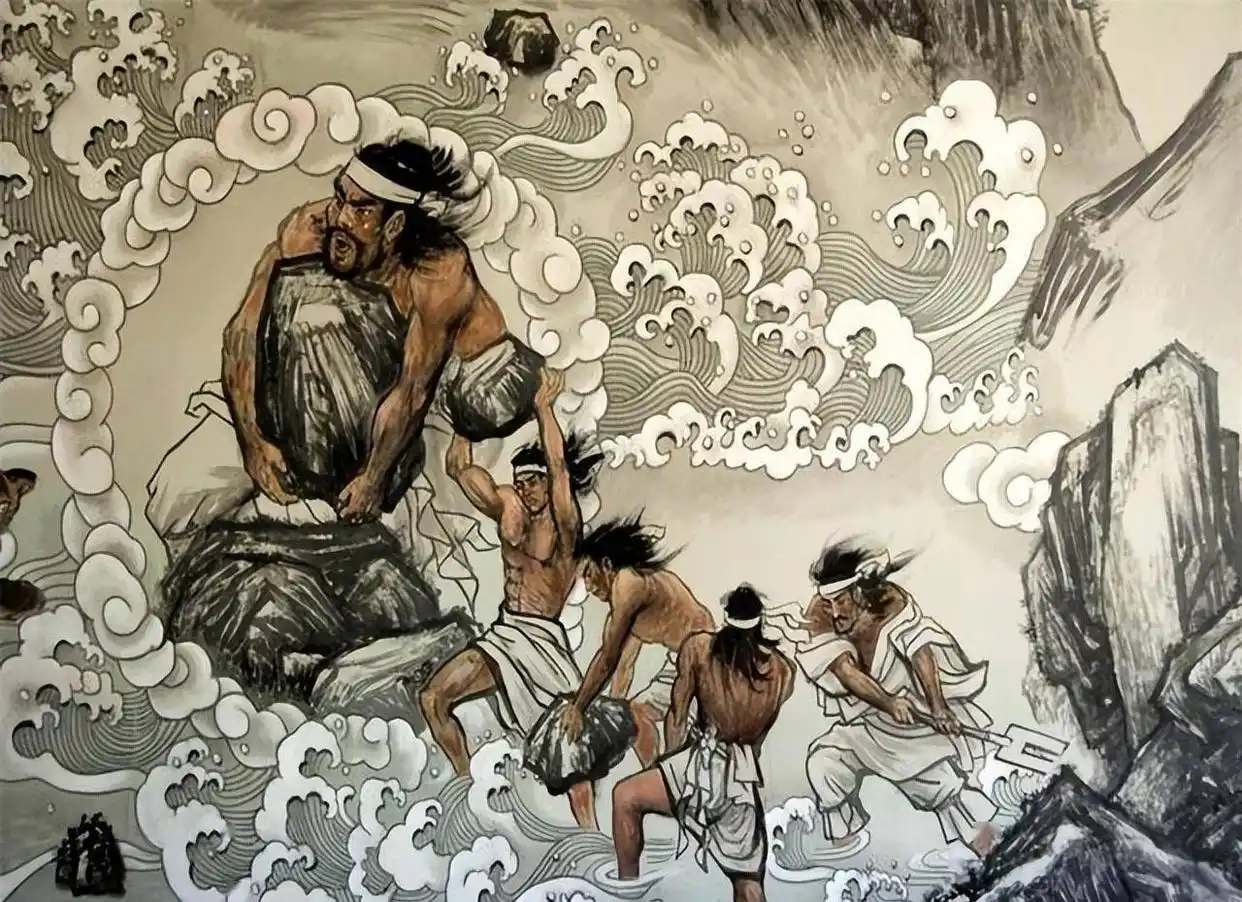
Go with the flow
The Eastern wisdom to break the deadlock
The core of Dayu's flood control lies in his respect for laws and innovative methods. His father, Xiao, followed the idea of water coming and earth covering, and built dams for nine years without success, ultimately causing even greater disasters. After Emperor Shun abdicated, Yu did not blindly inherit his father's wishes, but instead traveled to various provinces to conduct field surveys. He keenly realized that simply blocking would only intensify the water flow, and only by following the terrain and excavating rivers and canals could floods be directed into the sea.
This governance logic of turning confrontation into conformity and brute force into science not only solved the problem of floods, but also became the philosophical foundation for governing the country in later generations. From Dujiangyan Irrigation Project's Shentaotan Low Irrigation Weir to the dredging concept of modern water conservancy projects, Dayu's wisdom goes through time and space and always shines with rationality.
Three crossings of the house
The ultimate responsibility of sacrificing one's family for the world
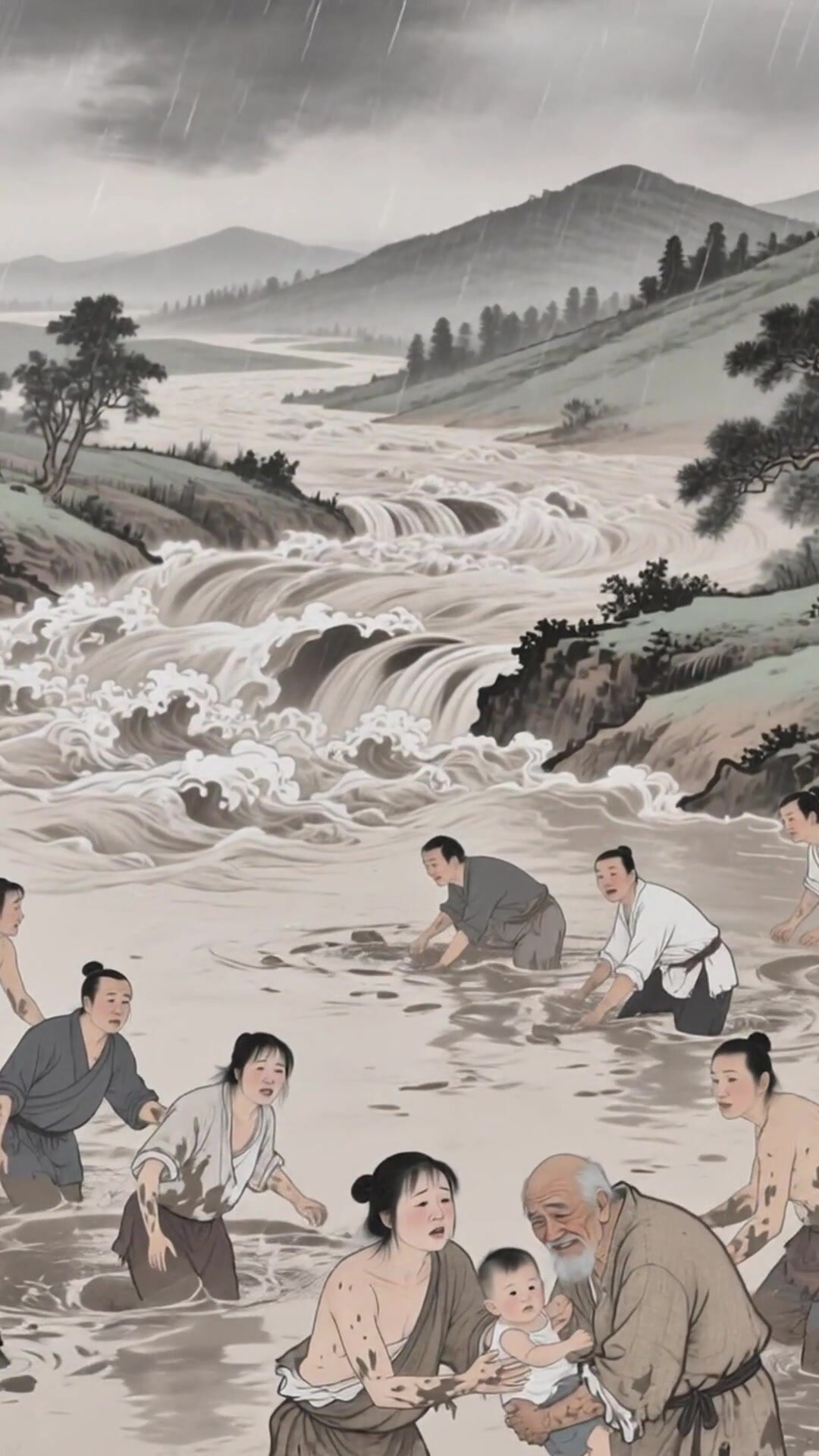
After thirteen years of flood control, Dayu not only left behind geographical rivers, but also emotional monuments. Legend has it that his newlywed Yan'er left home to embark on a campaign. On his first way through the house, he heard his wife groaning in pain due to childbirth and a baby being born. In order not to delay the project schedule, he held back his tears and did not enter the house; The second time I passed by, my son was already able to crawl on the ground, waving his hands and calling out to his father. He just nodded hastily and continued on his way; The third time he passed by, his son grew up into a young man and greeted his fellow villagers at the intersection. Dayu only paid his respects from afar before rushing to the next construction site.
These three moments of passing through the house without entering were not heartless, but great love. He buried his guilt for his family deep in his heart, shouldered his responsibility to the people, and used his mortal body to interpret what patriotism is.
Jiuzhou Dingding
The true starting point of Chinese civilization
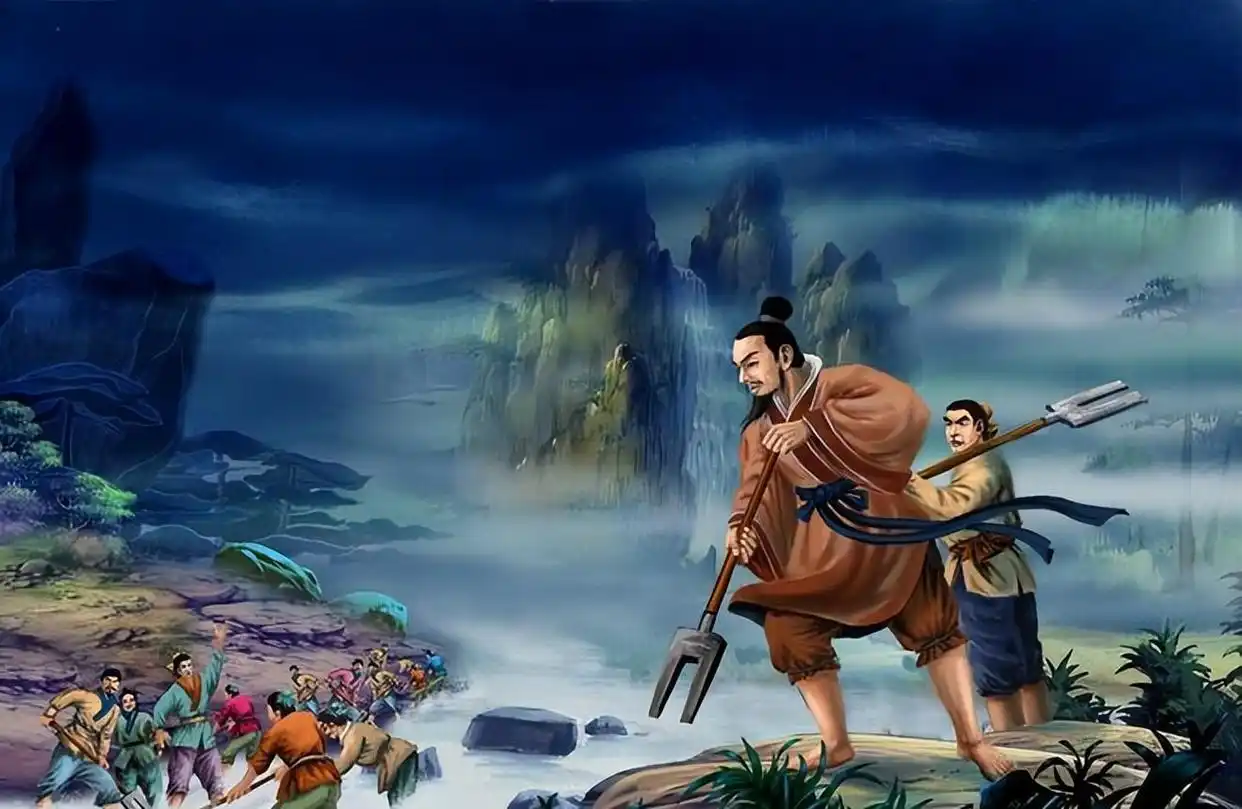
As the flood receded and hundreds of rivers returned to the sea, Dayu not only restored fertile land, but also delineated the territory of Kyushu and consolidated the tribes of ten thousand states in the process of flood control. He summoned the feudal lords to form an alliance in Tushan, established tribute and order, and cast nine tripods to symbolize the unity of the world. This marks the formal transition of China from a loose tribal alliance to a national form, and the birth of the first hereditary dynasty in Chinese history, the Xia Dynasty.
Water can carry boats or capsize them, only to guide and break through difficulties; There are countless difficulties and dangers in things, but only with the original intention can the world be determined. Dayu not only left behind the achievements of flood control, but also a national spirit of perseverance, seeking truth from facts, and caring for the people. Today, this spirit remains our strongest confidence when facing challenges.Editor/Cheng Liting
Comment


 Praise
 Collect
 Comment

 Share
Share


Write something~