 Search


- Every grain of yellow sand in the Hexi Corridor is soaked with the blood and fire of history
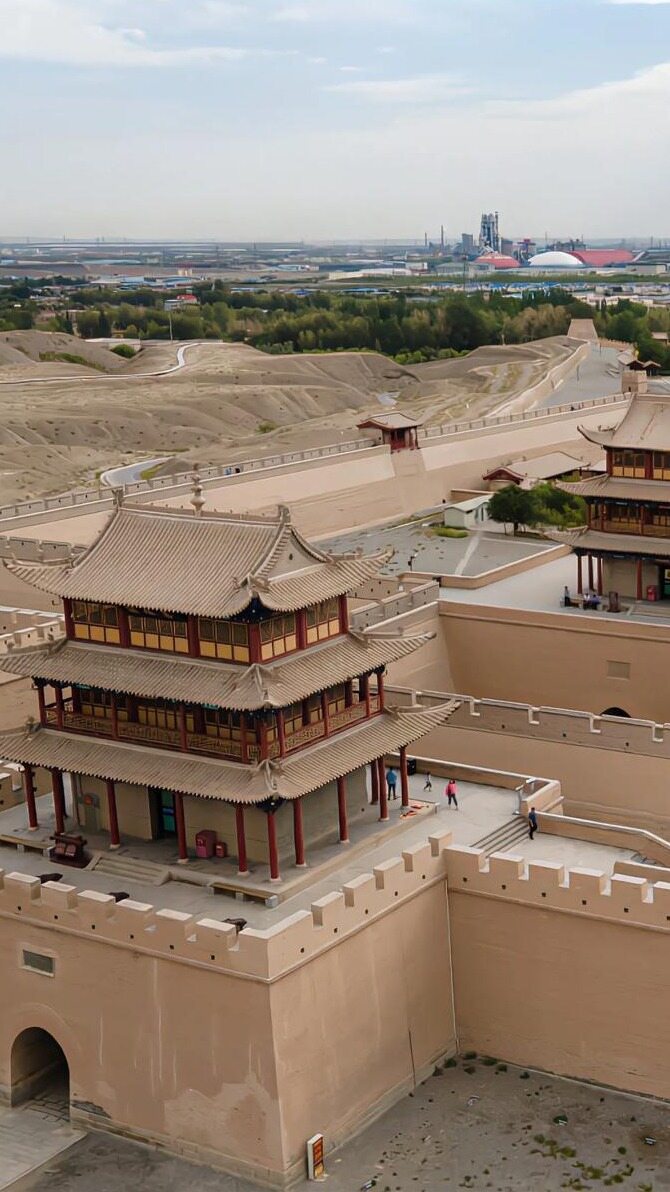
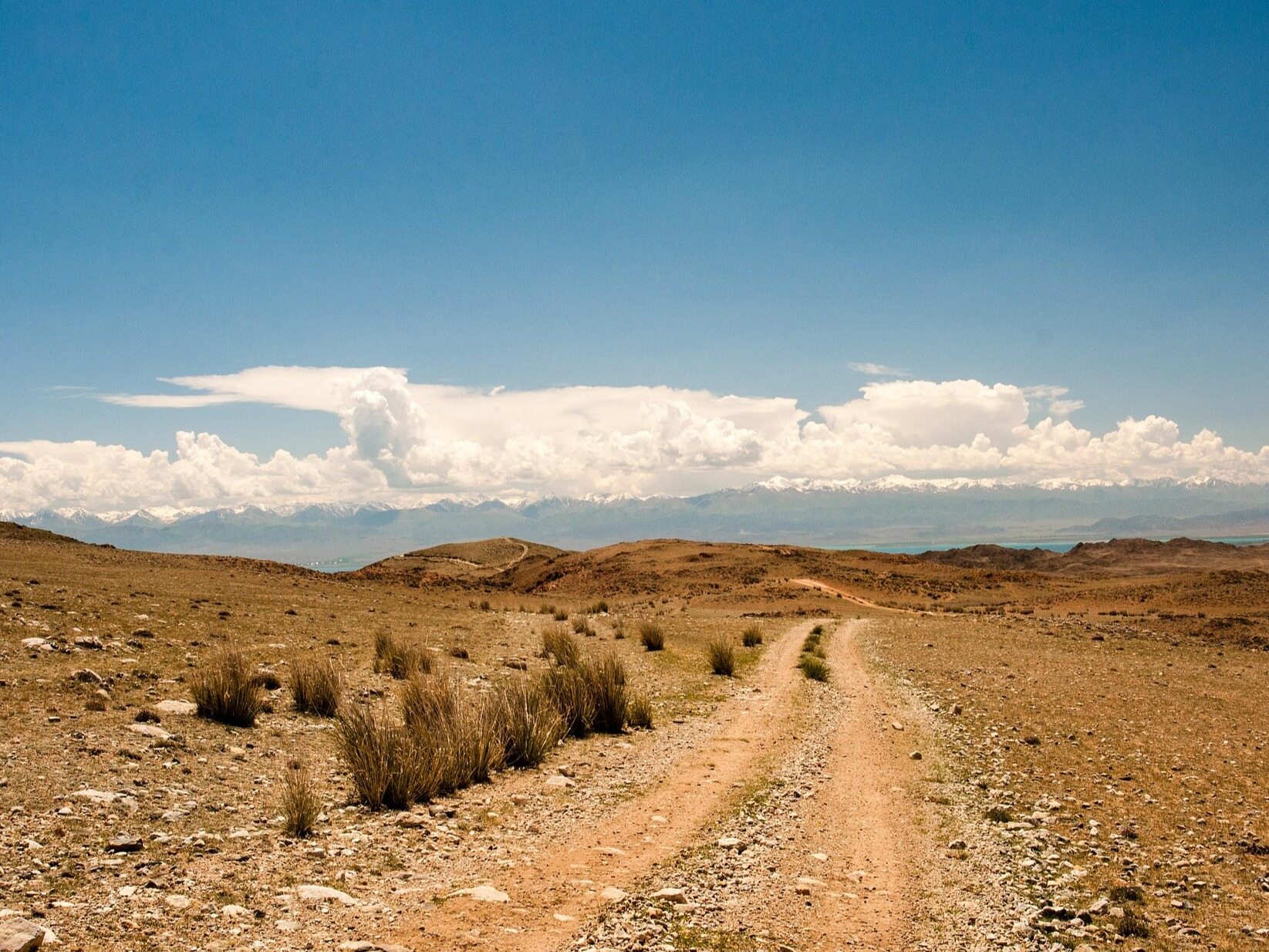
The snow capped peaks of the Qilian Mountains pierce through the sky, while the desolate folds of the Heli Mountains lie to the north, with a narrow geographical gap carved by sandstorms in the middle. This is the Hexi Corridor, which is not only a geographical passage, but also the "civilization noose" of the fate of the Central Plains dynasties. American scholars once asserted that this is the only passage where the four major civilizations of the world intersect. For two thousand years, sandstorms have buried countless bones, but they have never stopped the collision of civilizations. Gu Zuyu pointed out coldly in his "Summary of Reading Historical Maps" that in order to protect Qin Long, we must consolidate the Hexi River. This sentence fully expresses its geographical significance - it is both a defensive outpost of agricultural civilization and a springboard for the nomadic world to move southward.
The only life supply line
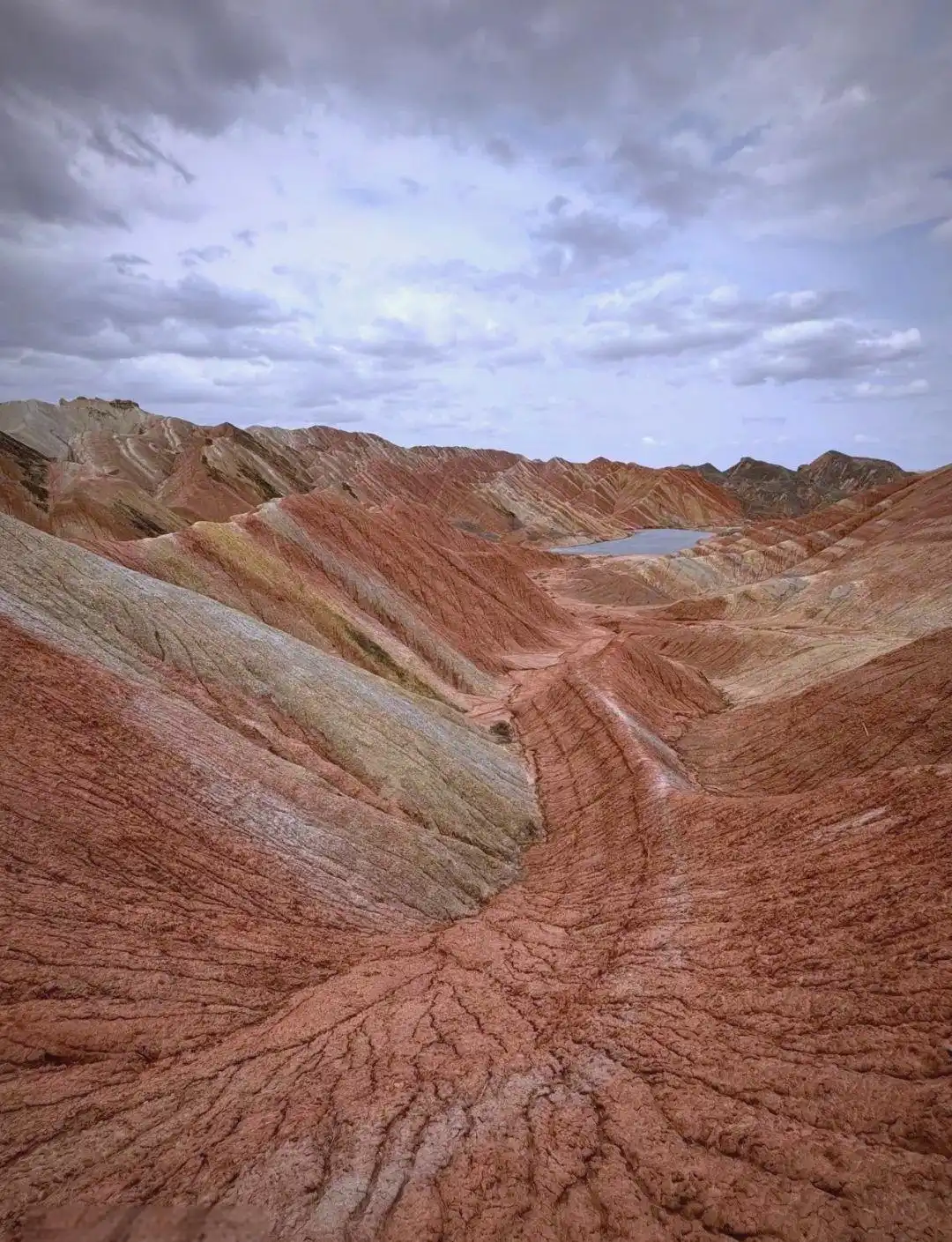
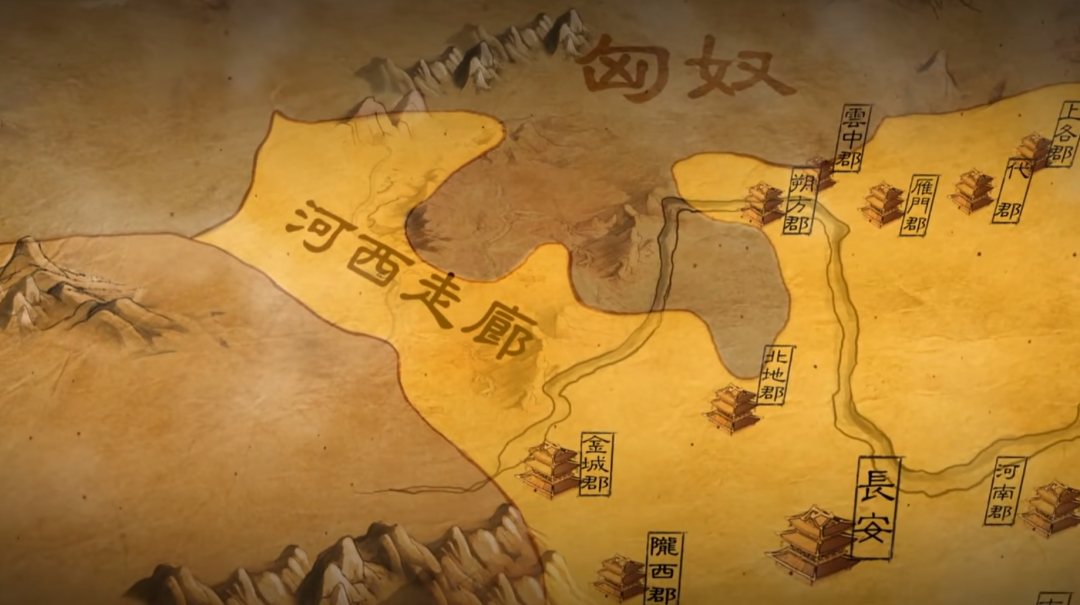
Opening the map, the uniqueness of the Hexi Corridor is suffocating. To the north lies the Badain Jaran Desert, and to the south lies the Qinghai Tibet Plateau. The only remaining lowland passage in the middle stretches from Wushaoling in the east to Yumen Pass in the west, with the narrowest point being only a few kilometers. For ancient merchants and armies, this is not a multiple-choice question, but a mandatory one.
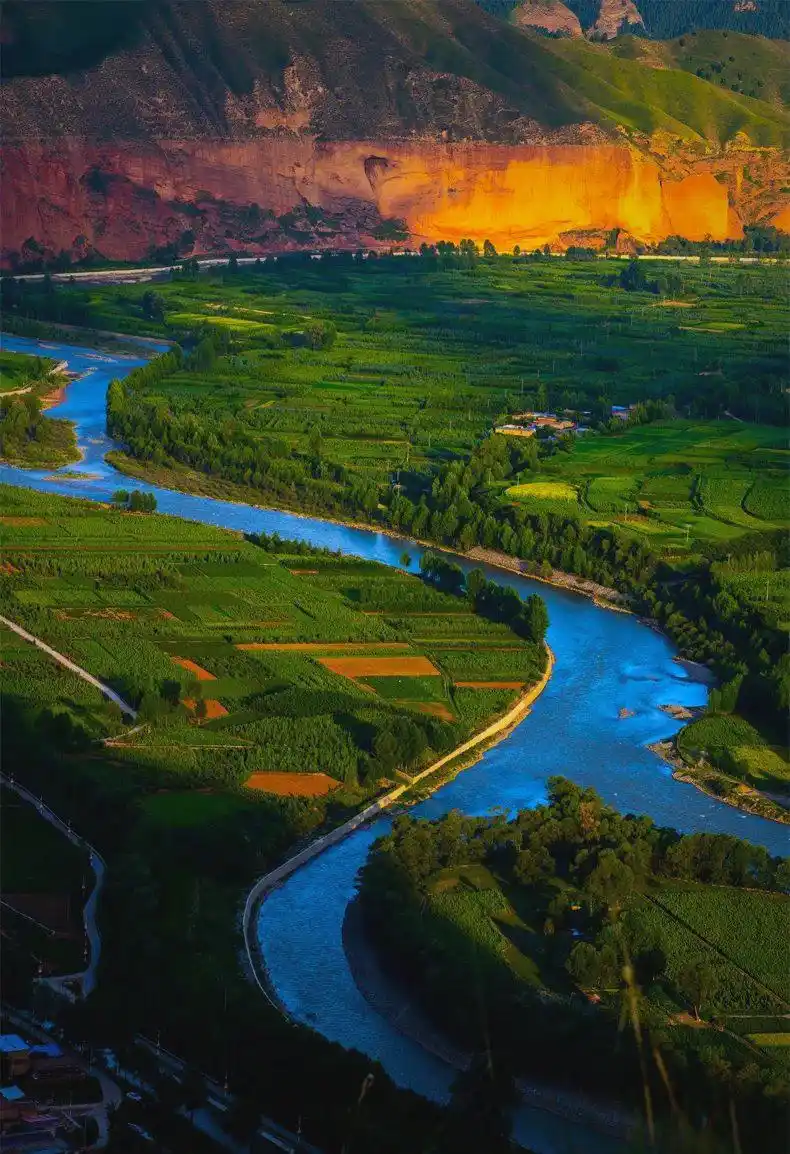
The more deadly attraction lies in water. The glacier meltwater in the Qilian Mountains nourishes the Shiyang River, Heihe River, and Shule River, giving birth to four major oases in the desert: Wuwei, Zhangye, Jiuquan, and Dunhuang. According to the Book of Han, this place has abundant water and grass, thriving livestock production, and over two million horses. This means that occupying Hexi not only blocks the throat, but also holds onto the fuel tank of the war machine. The reason why Emperor Wu of Han spared no expense to seize this land is precisely because he saw the dual value of being able to station troops and raise horses on this land. It is the physical boundary between nomadic and agricultural worlds, and whoever crosses this line holds the initiative in the millennium game.
The magnificent picture of Jin Ge Tie Ma breaking the right arm of the Xiongnu
In 121 BC, at the age of nineteen, Huo Qubing led his army to attack twice, with iron cavalry crossing over a thousand miles from Yanzhi Mountain. According to the Biography of General Wei's Cavalry in the Records of the Grand Historian, he fought for six days, killed Prince Zhe Lan and Prince Lu Hu, captured Prince Hun Xie, and captured over 8000 troops. This bloody lightning battle completely shattered the backbone of the Xiongnu. In the autumn of the same year, King Hunye killed King Xiutu and surrendered to Han, and the Hexi Corridor was officially incorporated into the territory of the Han Dynasty.
Emperor Wu of Han immediately established four commanderies: Jiuquan, Wuwei, Zhangye, and Dunhuang. Wu Wei demonstrates military power, Zhangye is intended for Zhang Guoshou Ye, Jiuquan is named after the golden spring that resembles wine, and Dunhuang symbolizes grandeur and glory. These four nails are firmly stuck in the corridor, combined with the two passes of Yangguan and Yumen Pass, completely isolating the connection between the Qiang and Hu ethnic groups. As stated in the "Biography of the Western Regions" in the Book of Han, four commanderies were established and two passes were established. The Han Dynasty thus cut off the right arm of the Xiongnu, not only shifting from defense to attack in military affairs, but also relocating the poor people of the Kanto region to this area through farming and border consolidation, bringing advanced agricultural technology and turning the desert into a granary for the grain market.
Elegy in Prosperous Times and Lonely Islands in Chaotic Times
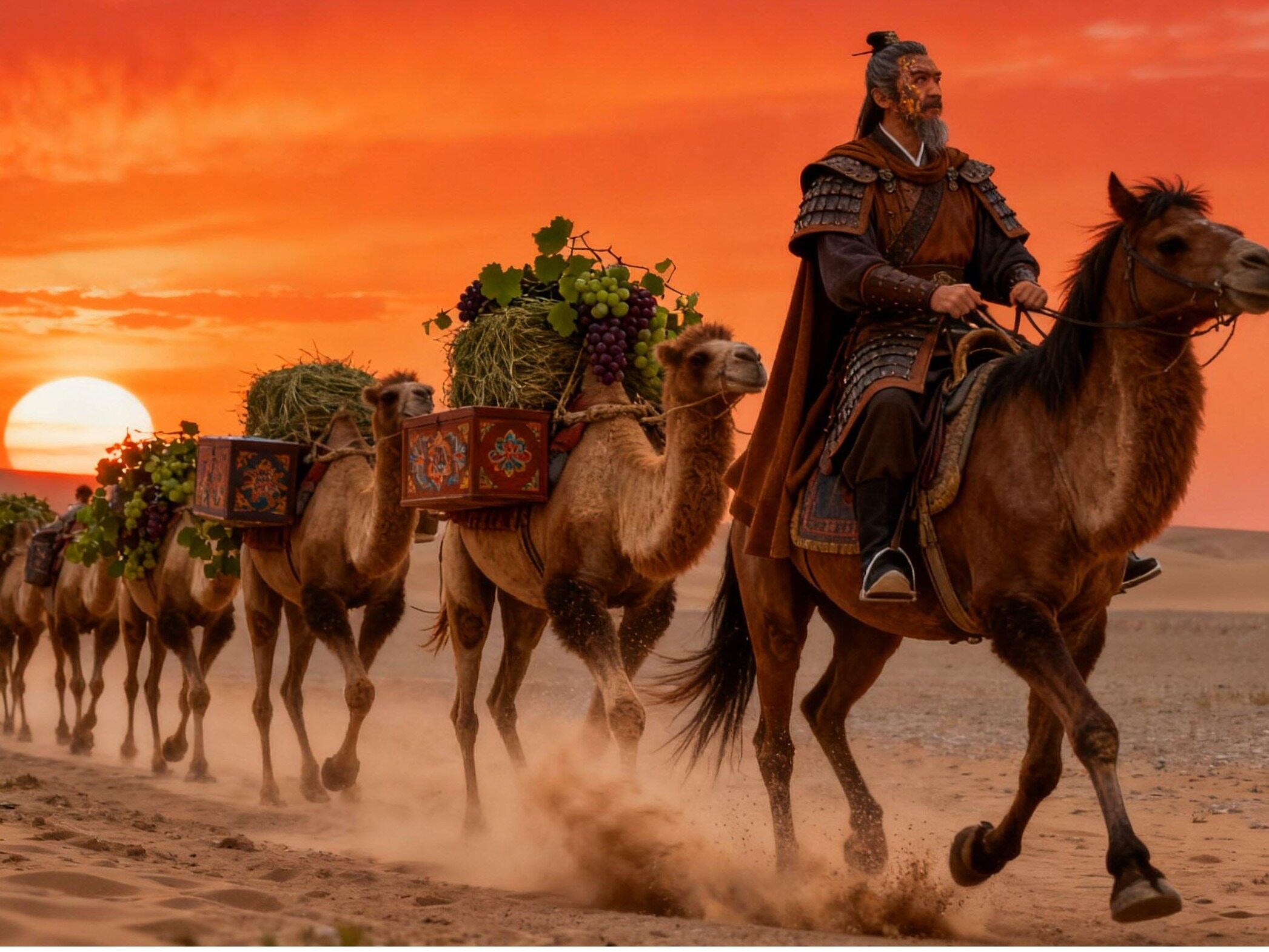
During the Sui and Tang dynasties, the Hexi Corridor ushered in its shining moment. In the fifth year of the Daye era, Emperor Yang Guang of Sui personally launched an expedition against the Tuyuhun and summoned envoys from the 27 Western Regions in Zhangye, known as the "International Exposition" in history. The Tang Dynasty pushed the prosperity of this place to its peak, with abundant soil and resources in Liangzhou. The Tang court set up eight prisons here and grazed 300000 horses. Silk and porcelain go westward, while flax and spices come eastward. The murals in the Mogao Caves record the busiest line of civilization integration in human history.
However, the beacon of the An Lushan Rebellion instantly destroyed everything. In order to suppress the rebellion, the elite troops from Hexi were transferred back to the Central Plains, and Tubo took advantage of the situation to enter. After 755 AD, Hexi fell, just as the poem laments: Last year, China adopted its children and grandchildren, and now they are learning the Hu language with felt fur. This golden passage was interrupted for a hundred years until Zhang Yichao rebelled and returned to the Tang Dynasty, but the prosperity of the Tang Dynasty was gone forever.
Since the Song and Yuan dynasties, the political center has shifted eastward to Kaifeng, and the rise of the Western Xia has further changed the course of the Silk Road. Until the Ming Dynasty, Feng Sheng went on a western expedition and built Jiayuguan between the 23rd and 27th years of the Hongwu reign after the Battle of Linshan in the fifth year of Hongwu. Later, Zuo Zongtang wrote about the world's greatest pass, but the passes of the Ming Dynasty were no longer the same as those of the Han Dynasty, but more of a defensive contraction.
The Time Space Folding from Camel Bells to High Speed Rail
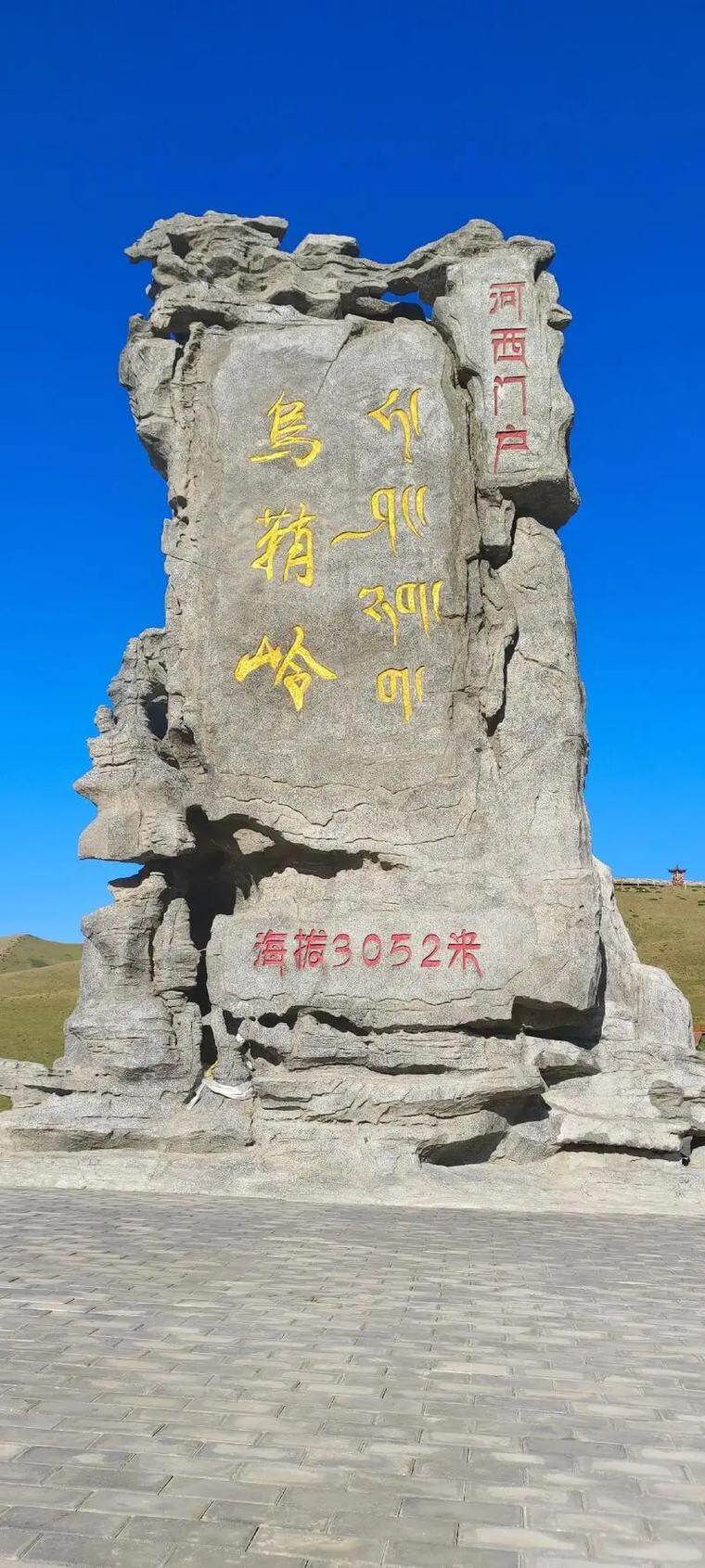
A thousand years later, the Ocean Age once silenced this corridor, but the the Belt and Road Initiative revived it again. In today's Hexi Corridor, the Lanxin High speed Railway runs parallel to the Lianhuo Expressway, and the ancient Silk Road and modern China Europe freight trains overlap astonishingly in space.
The flames of the Jiuquan Satellite Launch Center reflect the historical Jiuquan, and the photovoltaic panels on the Gobi Desert emit blue light in the sunlight, shining brightly against the Qilian Snow Mountain in the distance. The discourse power of Dunhuang Studies has returned to its homeland, and digital technology has reunited the scriptures lost overseas in the cloud. This is no longer a simple geographical corridor, but a comprehensive energy corridor of wind, light, electricity, and data. Key words: Hexi Corridor, the Belt and Road
From Huo Qubing's iron cavalry to the whistle of the China Europe freight train, from Emperor Wu of Han's settlement to modern new energy bases, the Hexi Corridor has never aged. It is still the umbilical cord connecting China and the world, carrying the blood of civilization in the wind and sand. As Chen Yinke said, this is not only a refuge for preserving cultural sparks, but also a laboratory for civilization to grow at a higher starting point.Editor/Cheng Liting
Comment

 Praise
 Collect
 Comment

 Share
Share


Write something~