 Search


- Sitting on Southeast Asia's largest reservoir, yet burdened with $12.6 billion in debt
- Hydropower contributes over 70% of the country's electricity and supports 40% of its exports. Laos seems to have firmly established its position as the leader of clean energy in Southeast Asia
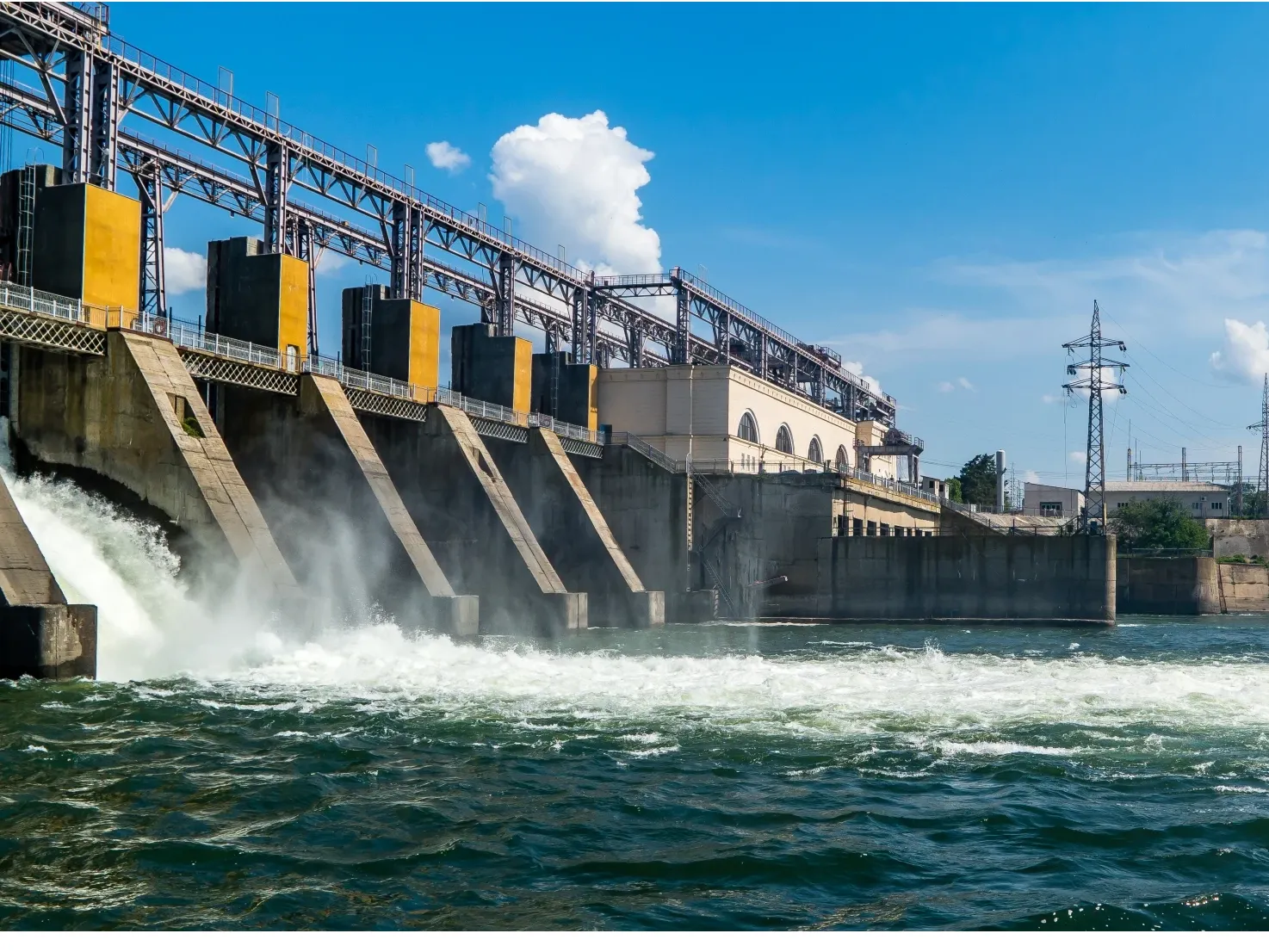
With its unique water resources, Laos has become an irreplaceable "battery" in Southeast Asia. But through the prosperous export data, the structural concerns and transformation pains of its dominant power industry cannot be ignored.
An unshakable cash cow
Hydropower is not only the cornerstone of Laos' electricity, but also the lifeline of the country's economy. According to data from 2025, the proportion of large-scale hydropower installed capacity reached 72.7%, contributing 71.5% of the electricity generation.
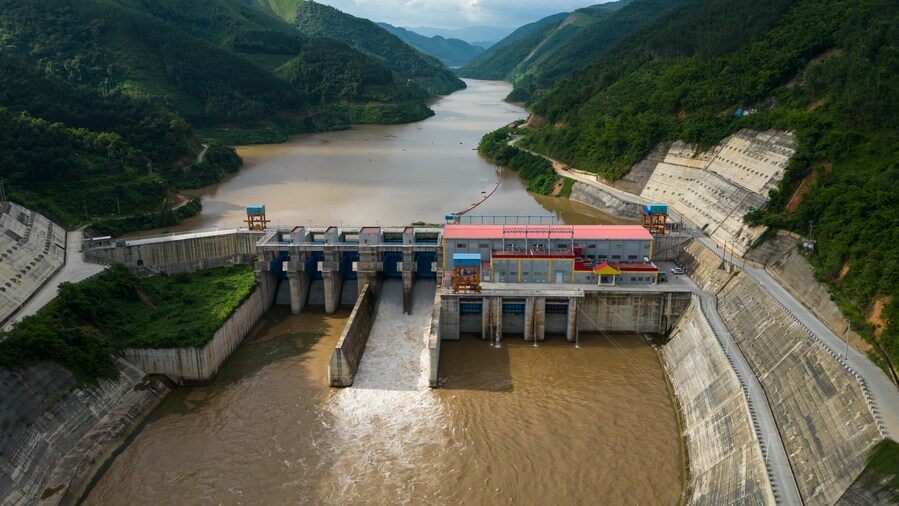
This absolute dominance has supported its position as the main power exporting country in Southeast Asia - with an annual export capacity of up to 40.8 TWh, accounting for 30% to 40% of the country's total exports, while imports are only 0.6 TWh.
Although the total installed capacity is planned to increase to 28.7GW by 2035, hydropower will still account for 53.1% of installed capacity and 59.1% of power generation. For Laos, hydropower is not only an energy source, but also a hard currency.
The curse of relying on the sky for food and tight debt
However, the B-side dominated by hydropower is highly vulnerable. About 80% of the country's electricity generation relies on rainfall, and the risk of power shortage during the dry season has forced coal-fired power plants to act as a patch - plans show that coal-fired power installed capacity will increase from 1.9GW to 3.7GW.
Even more severe is financial pressure: up to $12.6 billion in sovereign debt limits reinvestment capacity, while weak domestic power grids (with a loss rate of 10% to 13%) and a lack of large-scale energy storage facilities make the system's regulatory capabilities extremely dependent on cross-border exchanges and fluctuations in neighboring markets. Overreliance on the two major buyers, Thailand and Vietnam, has left Laos' power lifeline in the hands of others.
From embellishment to main force
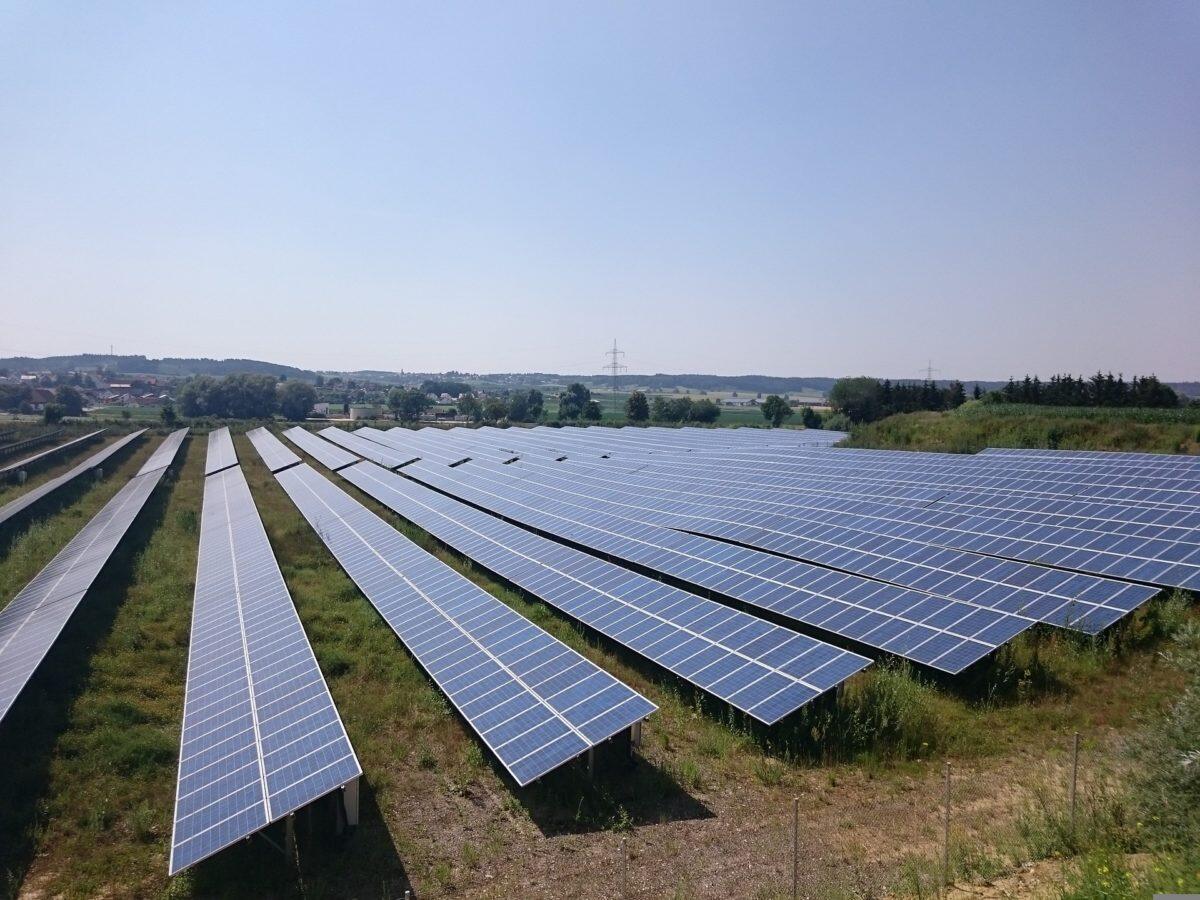
To solve the dilemma, non hydro renewable energy is accelerating its entry. From 2025 to 2035, the compound annual growth rate of renewable energy installed capacity, including wind and solar power, is expected to reach 17.1%, far exceeding the 3.9% of hydropower.
Among them, onshore wind power will become the vanguard of transformation, with an expected increase in installed capacity to 17.8% and photovoltaic power to 4GW. This is not only an optimization of the energy structure, but also an effective hedge against the insufficient hydropower output during the dry season. In the investment cake of 8.2 billion US dollars in the next decade, wind power has seized 32.9% of the market share, forming a dual core pattern with hydropower (35%).
Between certainty and uncertainty
The power industry in Laos is at a critical crossroads. On the one hand, the promotion of large-scale hydropower projects such as Luang Prabang will continue to consolidate its export position; On the other hand, the lagging upgrade of the power grid, high debt, and hydrological uncertainty caused by climate change constitute the biggest obstacles to transformation. Keywords: Southeast Asia, power development, Laos hydropower station
If Laos wants to truly achieve its net zero emissions target by 2050 and break free from the fate of relying on the weather for survival, it must maintain its advantage in hydropower while quickly filling the gaps in energy storage and power grid. Otherwise, Southeast Asian batteries may face the risk of running out of power.Editor/Cheng Liting
Comment

 Praise
 Collect
 Comment

 Share
Share


Write something~