 Search


- Yiwu to Ningbo Port customs clearance takes 8 hours, reducing costs by 10%, and the implementation of a single order system is effective
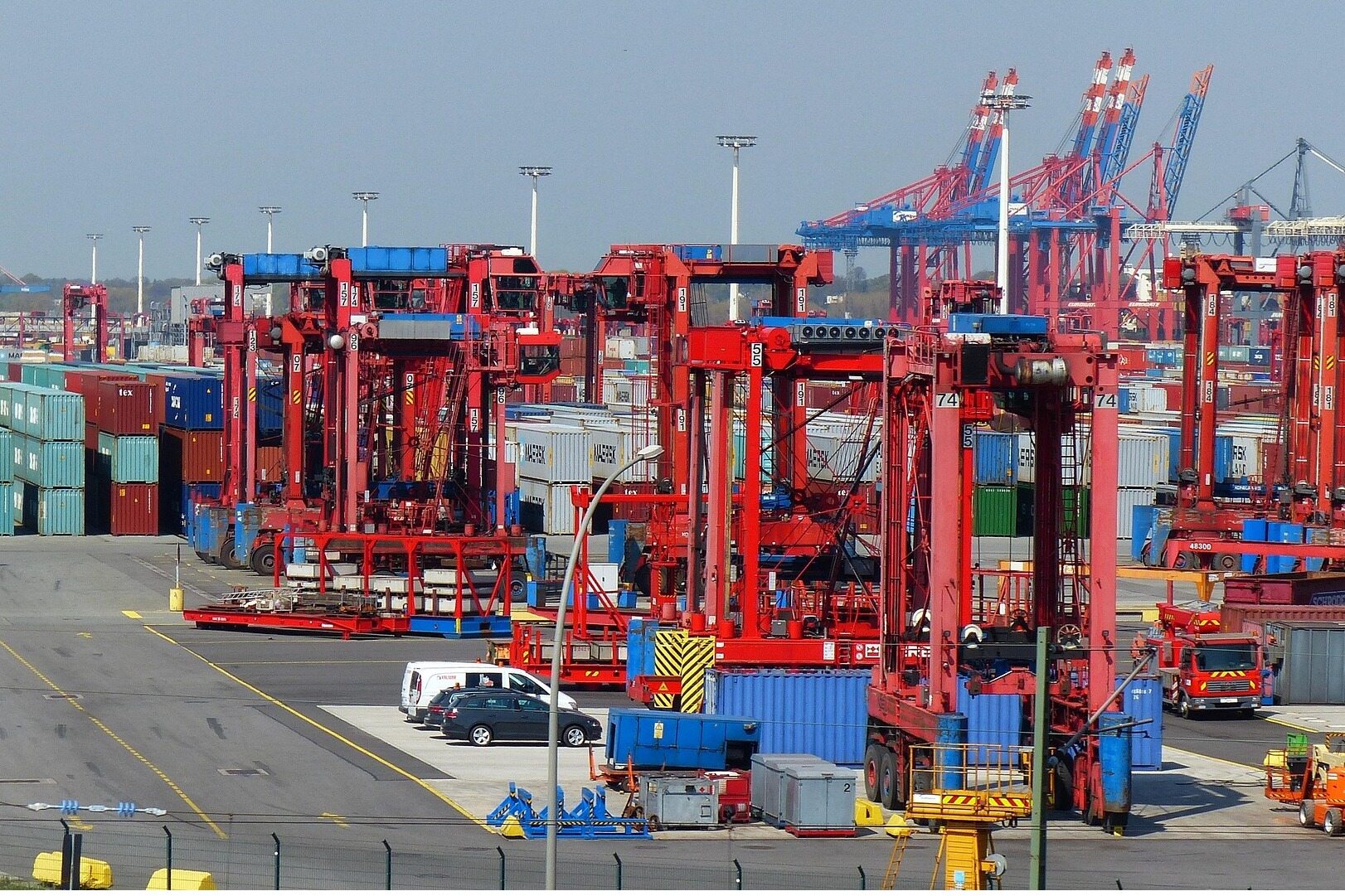
A batch of new energy vehicle parts departed from Yiwu, Zhejiang and arrived directly at Zhoushan Port in Ningbo via sea rail intermodal transportation, with a total travel time of no more than 8 hours. Compared to traditional models, two to three days have been saved and costs have dropped by 10%. This is not only a displacement of goods, but also a vivid footnote to the implementation of the State Council's "Opinions on Promoting Capacity Expansion and Quality Improvement of the Service Industry". When the "one order system" and "one box system" move from paper to reality, what we see is not only the improvement of logistics efficiency, but also a service industry quality revolution centered on "reform and tackling difficulties".

The Efficiency Password for Multimodal Transport
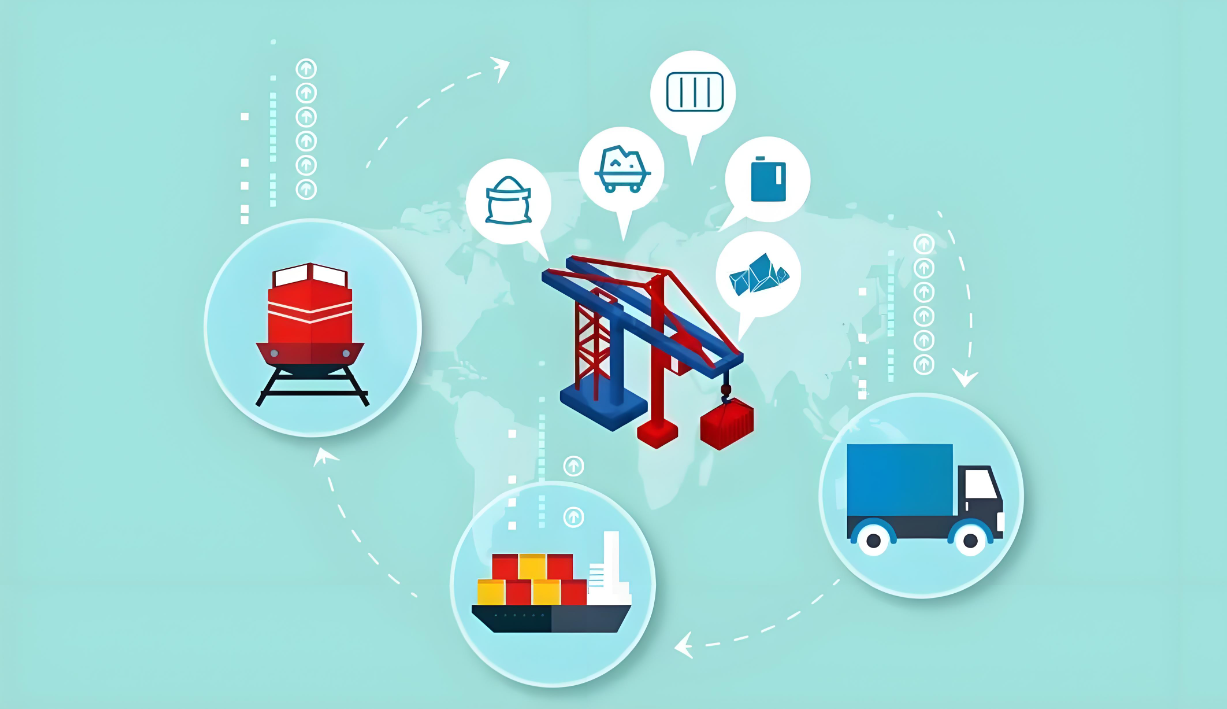
Logistics is the lifeblood of the economy, and multimodal transport is the key to breaking through bottlenecks. The seamless connection between sea rail intermodal transportation and public rail air transportation is essentially breaking down the "barriers" between different modes of transportation. However, for a long time, the lack of unified standards, lagging information exchange, and different modes of transportation operating independently have made it difficult to fully utilize the comprehensive advantages. Data shows that although the ratio of total social logistics costs to GDP in China has been declining year after year, it is still about twice as high as that of developed countries. Only by achieving the goal of "getting on a cargo ship as soon as you get off the train" like Yiwu Ningbo can we truly squeeze out the cost water and drive steady growth in freight volume. The train departing from Yongkang East Station on April 15th is a microcosm of this change.
Break through the invisible door
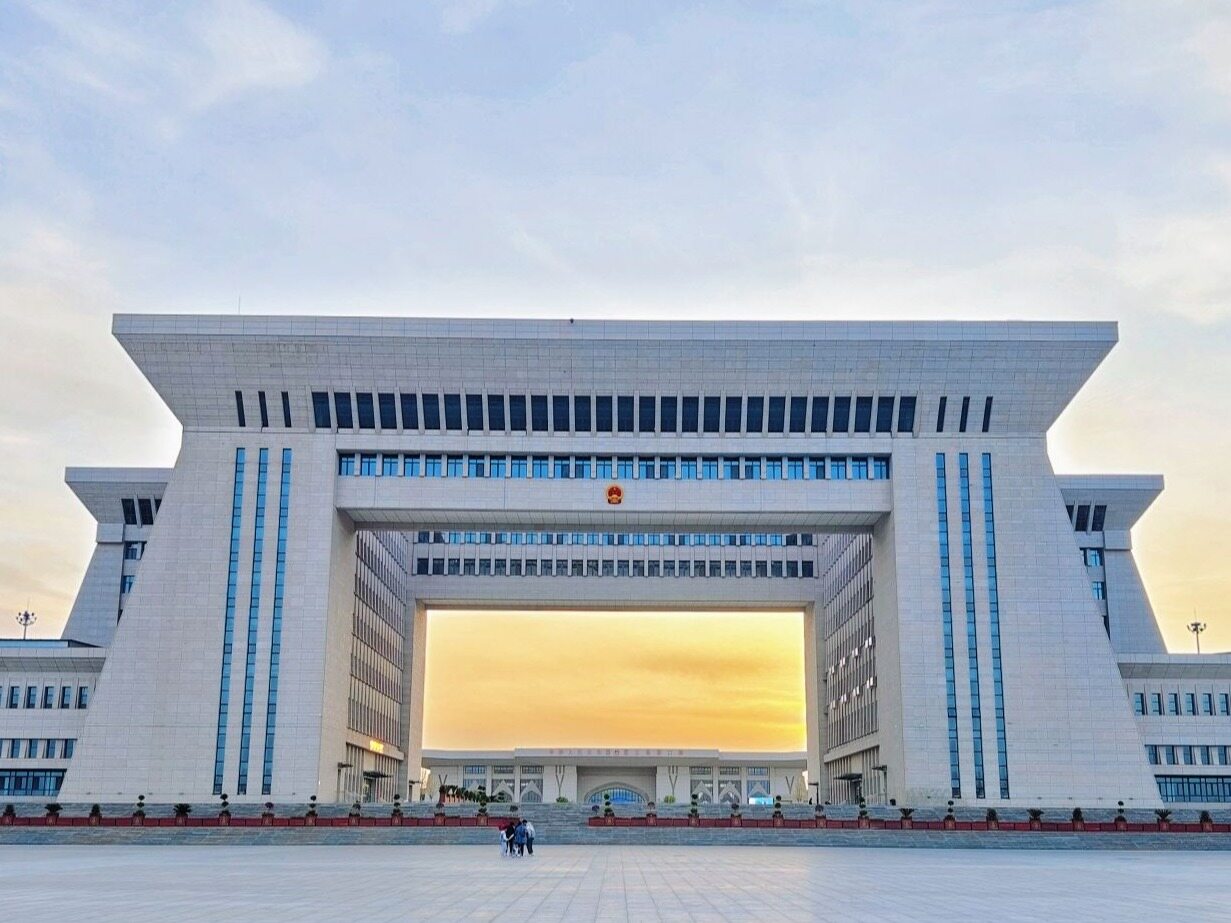
The Opinion places "deepening reform and innovation" at the core and directly addresses the pain points of the development of the service industry. Looking at reality, although the negative list for market access is being "slimmed down", the phenomenon of "opening the door but not opening the small door" still exists. The invisible barriers in industry licensing, qualification certification, and bidding are like invisible chains that restrict the entry of new players. The next step of 'breaking' must be precise - clearing unreasonable standards, eliminating barriers to factor acquisition, and allowing private and foreign-funded enterprises to compete on the same starting line. Only by removing these 'roadblocks' can the service industry inject more' fresh blood '.
The soil for the growth of new business models
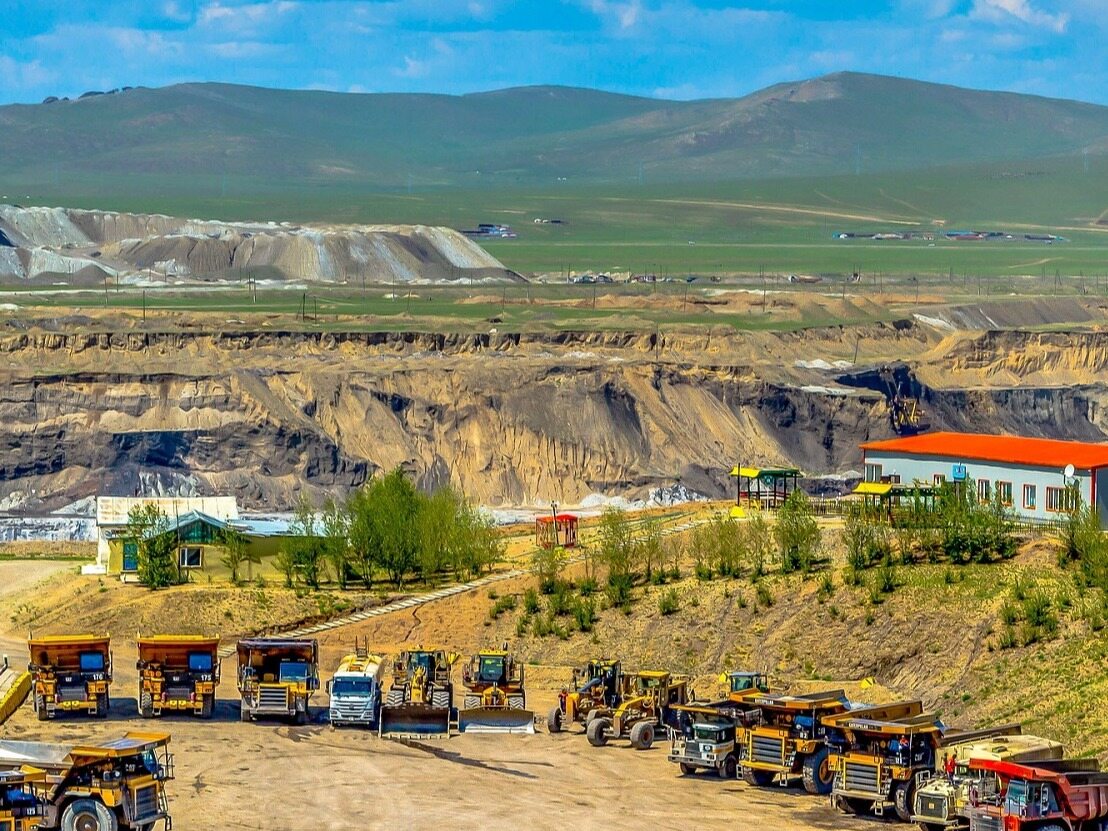
The characteristics of light assets, strong interaction, and fast iteration in the service industry determine that it is easy to give birth to new models. But the savage growth of new business models is also accompanied by risks, which requires steady "establishment" while "breaking". The Opinion proposes to launch a list of application scenario projects in batches, improve statistical systems, and promote big data supervision, which is precisely to build a safe runway for new business formats. From smart logistics to platform economy, only by keeping up with the pace of innovation through regulation can we avoid chaos and death at the first release, and achieve healthy and standardized development of the industry.

The Chinese service industry market has enormous potential, but potential does not equal strength. From the single container of multimodal transport to the "equal treatment" of market access, and then to the unified management of regulatory models, this series of innovative approaches is reshaping the DNA of the service industry. We have reason to believe that with the deepening of reform efforts, a service industry highland with free flow of factors and efficient allocation of resources will accelerate its rise.Editor/Cheng Liting
Comment





 Praise
 Collect
 Comment

 Share
Share


Write something~