 Search


- The economic growth rate in Europe and Central Asia is expected to drop to 2.1% in 2026
According to the World Bank's "Economic Outlook for Europe and Central Asia" report released in April 2026, this vast region connecting Europe and Asia is facing severe challenges. In 2026, the overall economic growth rate of the region is expected to slow down to 2.1%, a significant decline from 2025. Among them, the five Central Asian countries, which are regarded as regional growth engines, are expected to have an average growth rate of 4.9% from 2026 to 2027. Although higher than the regional average, the high growth rate of over 6% has significantly "cooled down" compared to before.
Inflation tax from gas station to dining table
The root cause of this economic slowdown lies directly in the Middle East geopolitical conflict thousands of miles away.
The World Bank pointed out that many countries in the region heavily rely on imports of natural gas, oil, and fertilizers. The energy price fluctuations caused by conflicts directly translate into high import bills. For ordinary households, the increase in fuel and heating costs has forced people to reduce their consumption in retail, catering, and other fields, resulting in a weakening of domestic demand.
Uncertainty is the enemy of investment. The report emphasizes that geopolitical tensions and fragmented trade routes have made business owners and investors cautious. The factory expansion plan has been put on hold, infrastructure projects have been delayed due to cost overruns, and weak private investment has become a key weakness dragging down growth.
Russia's stagnation and the challenge of "de oiling" in Central Asia
Against the backdrop of an overall downturn, the fates of countries in the region are vastly different.
Russia: Dual Squeeze of Sanctions and High Costs
Due to the continued impact of Western sanctions, the vitality of the Russian economy is limited, and it is expected that the growth rate will drop to 0.8% in 2026. The rise in energy prices has a particularly significant inhibitory effect on domestic consumption, making it difficult to find exports for investment.
Central Asia: Decline in Resource Dividend
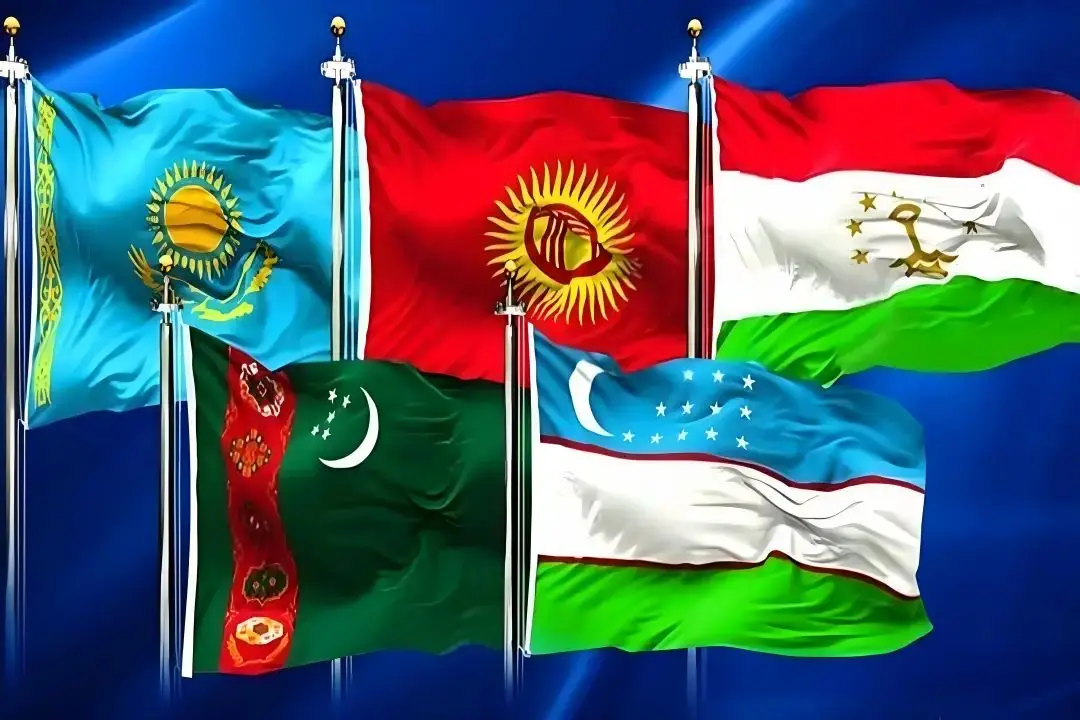
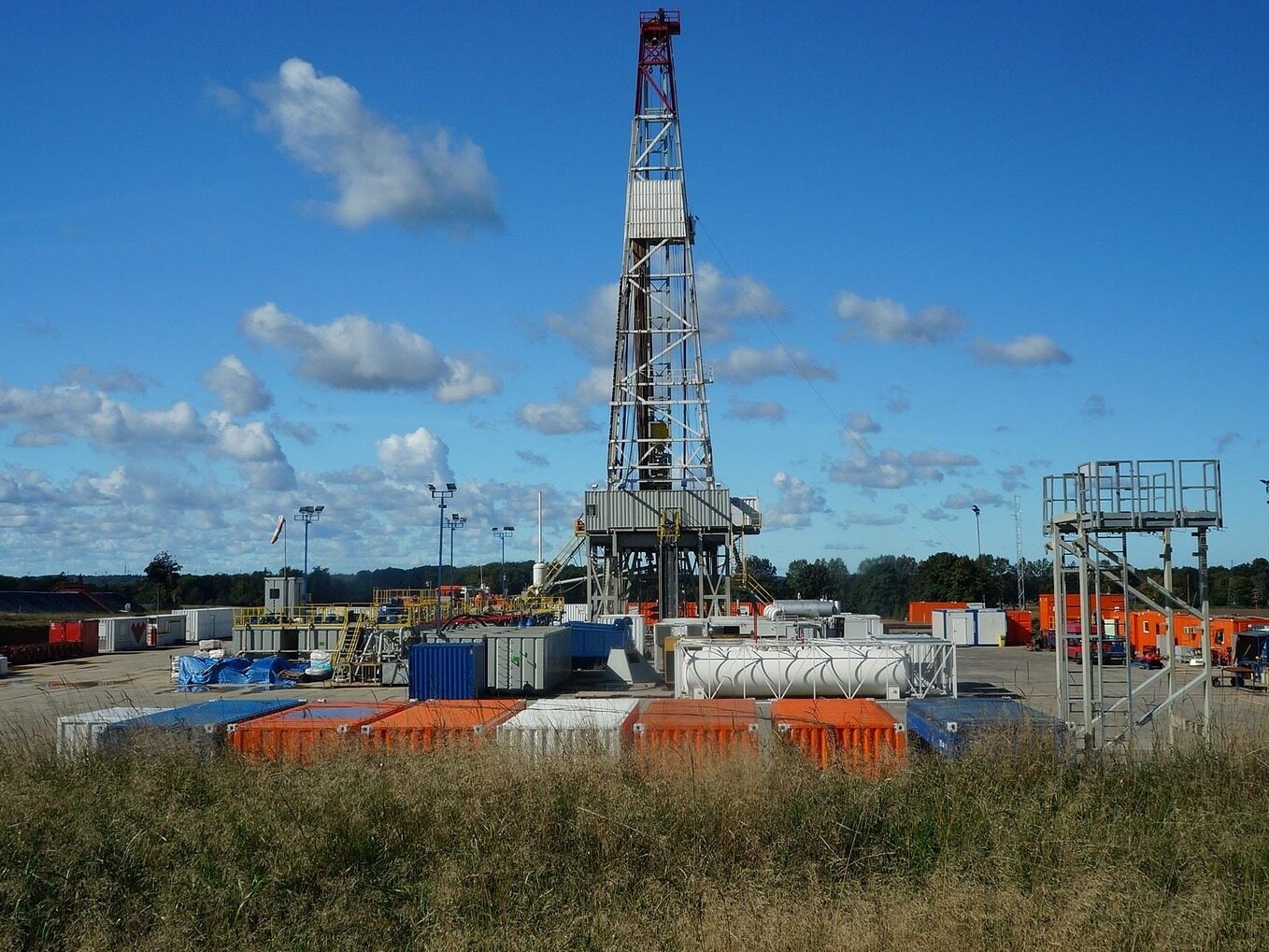
The main reason for the slowdown in Central Asia's growth rate to 4.9% is that Kazakhstan's oil extraction has entered a plateau period. As the largest economy in the region, Kazakhstan's oil production is stabilizing and it is difficult to rely on resource exports to drive high growth. This forces Central Asian countries to accelerate their transformation towards non resource sectors, but the growth gap during the transition period is difficult to fill in the short term.
Other regions: rely on investment for 'blood transfusion'
The Central European region (with a growth rate of about 2.4%) and the Western Balkans region (with an average growth rate of 3.1%) rely on infrastructure investment supported by EU funds, partially offsetting the impact of weak consumption. Due to ongoing conflict and budget pressures, Ukraine's growth rate is expected to be only 1.2%.
Say goodbye to subsidies for state-owned enterprises and embrace entrepreneurship and high technology
In the face of difficulties, the response strategies of governments around the world have become crucial. The report points out that currently nearly two-thirds of industrial policies are still focused on traditional fields such as agriculture and food production, which experts consider as inefficient "comfort zones".
World Bank expert Ivaillo Izwolski suggests that the policy focus should completely shift towards:
Reduce protective subsidies for inefficient state-owned enterprises and release market resources; Shift towards supporting high-tech industries and emerging enterprises, stimulate entrepreneurial vitality through improving the business environment and enhancing education quality, rather than relying on short-term industry subsidies.
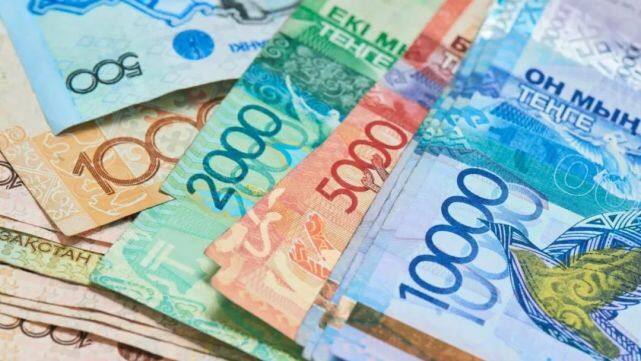
World Bank Deputy Director Antonella Bassani warns that if the conflict escalates further, energy and fertilizer supplies may face more severe disruptions. For Chinese investors who are paying attention to the Eurasian market in Zhangye, this means that the cost of energy intensive projects in Central Asia in the next two years needs to be reassessed, and at the same time, the cooperation window between service exports and the technology sector is opening.Editor/Yang Meiling
Comment




 Praise
 Collect
 Comment

 Share
Share


Write something~