 Search


- At the end of March 2026, Kazakhstan Aktau Port Container Hub will complete the final commissioning
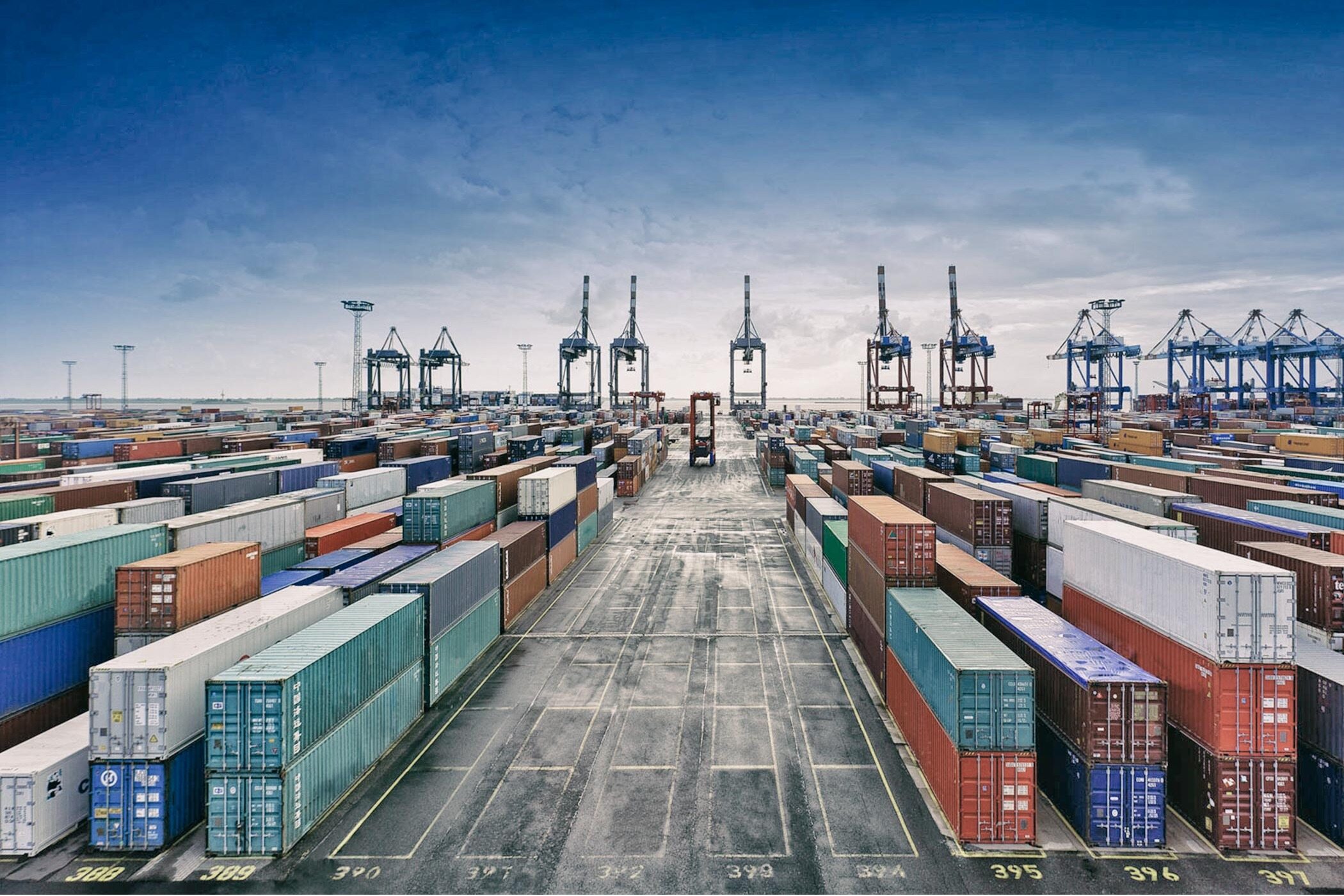
On the east coast of the Caspian Sea in March 2026, the sea breeze is still chilly, but the railway station at Aktau Port is busier than usual. The workers are performing precision calibration on the last few gantry cranes, and the huge ZPMC (Zhenhua Heavy Industries) logo is particularly eye-catching in the sunlight. For Damir Kozakhmetov, CEO of Kazakhstan National Railway Express Company, this is a long-awaited moment - his Aktau container hub will finally switch from "pilot operation" at the end of 2025 to "full speed status".
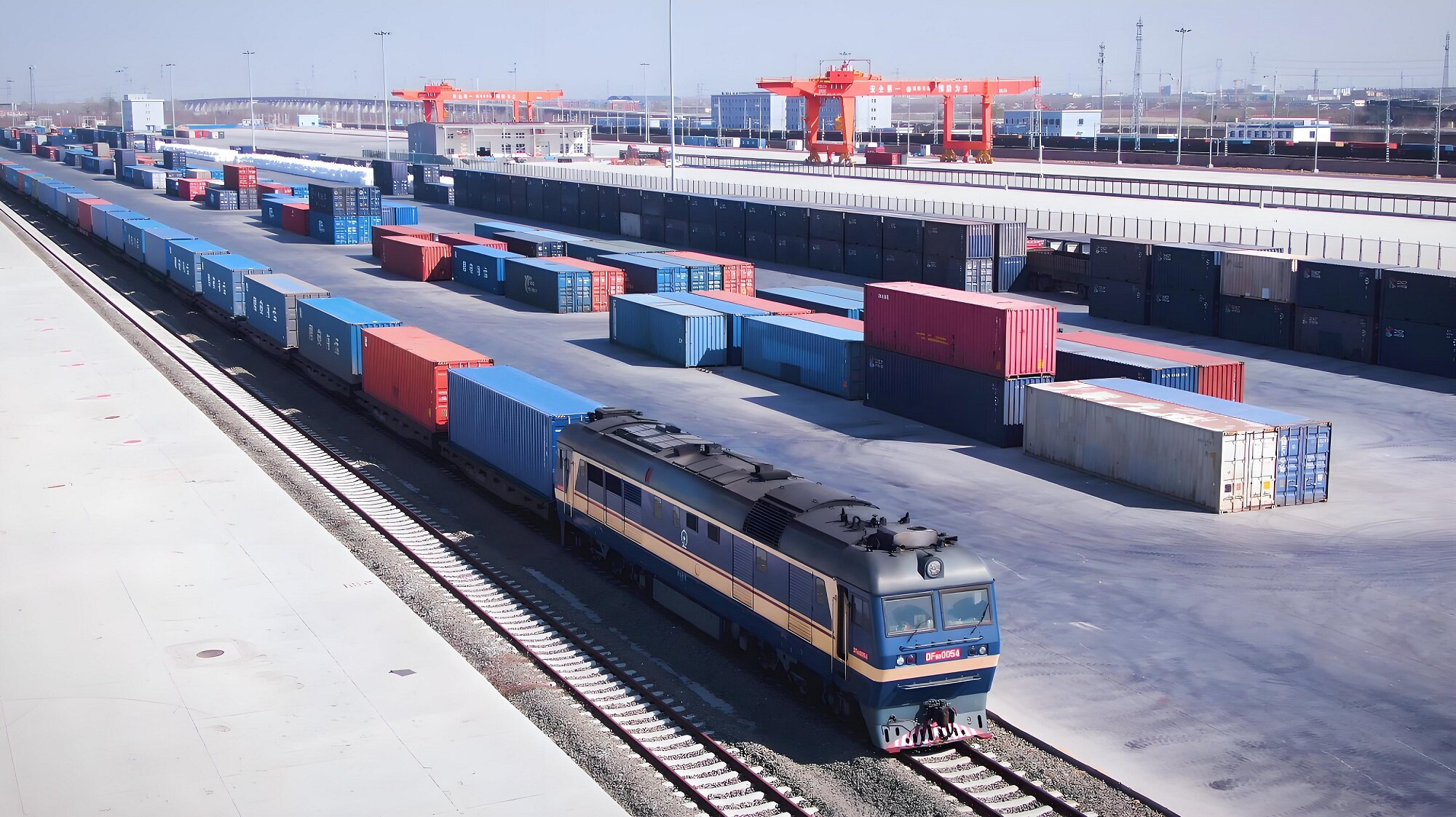
In the past two years, under the dual pressure of geopolitics and the Red Sea crisis, this "middle corridor" that passes through Kazakhstan, crosses the Caspian Sea, and leads to Europe has unexpectedly ushered in a shining moment. Data shows that the transportation time from Xi'an, China to Poti, Georgia has been significantly reduced from 30 days in 2023 to 15-18 days, and logistics costs are 15% -20% lower than traditional sea freight. The cargo flow surged like a tide, but the existing infrastructure of Aktau Port became the biggest bottleneck: without a professional container hub, even the best shipping routes cannot run fast.
Now, with the completion of the first phase of this hub with an annual designed production capacity of 140000 TEUs, this "alternative route" for Asia Europe trade is trying to prove itself as a "main channel".
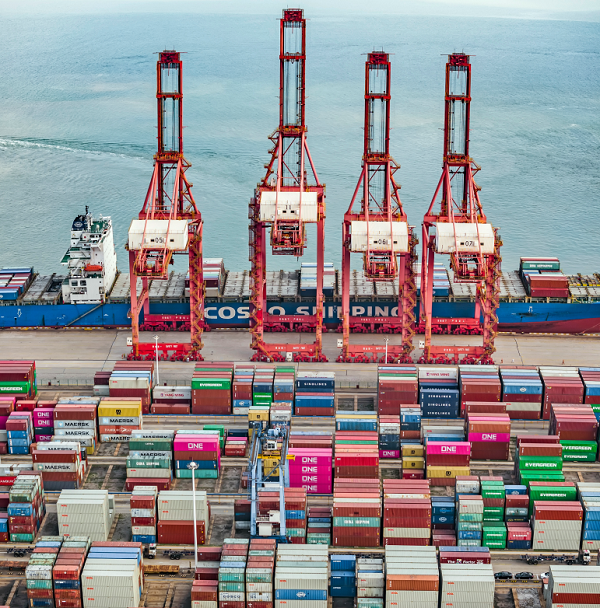
3-kilometer railway station and Chinese made crane
The construction of the Aktau hub is not starting from scratch, but a precise remedial lesson for the "efficiency gap". According to core data disclosed by KTZ Express, the project has built a railway complex of approximately 3 kilometers and a container yard of 19300 square meters.
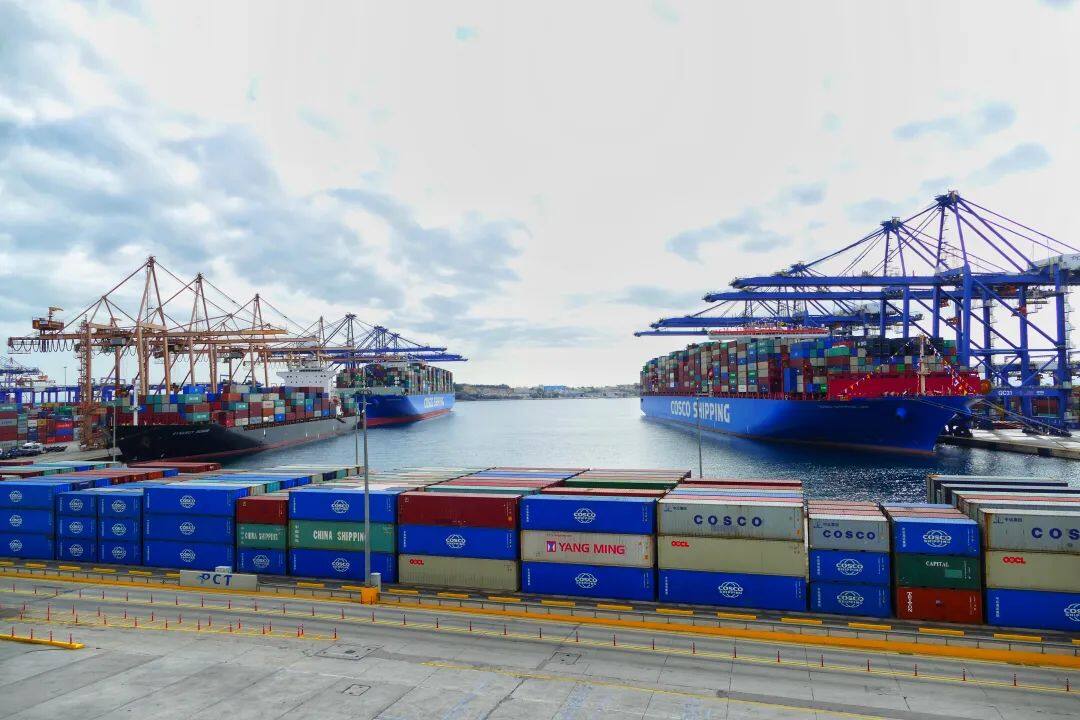
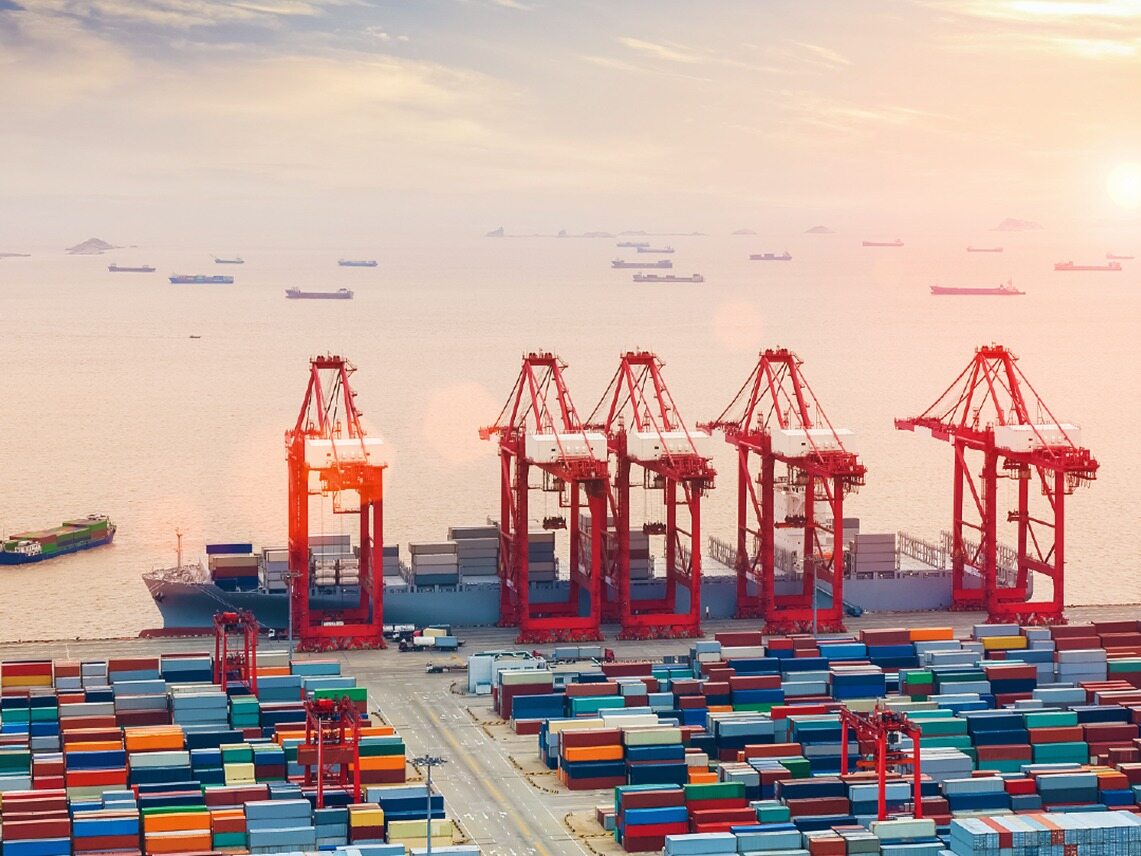
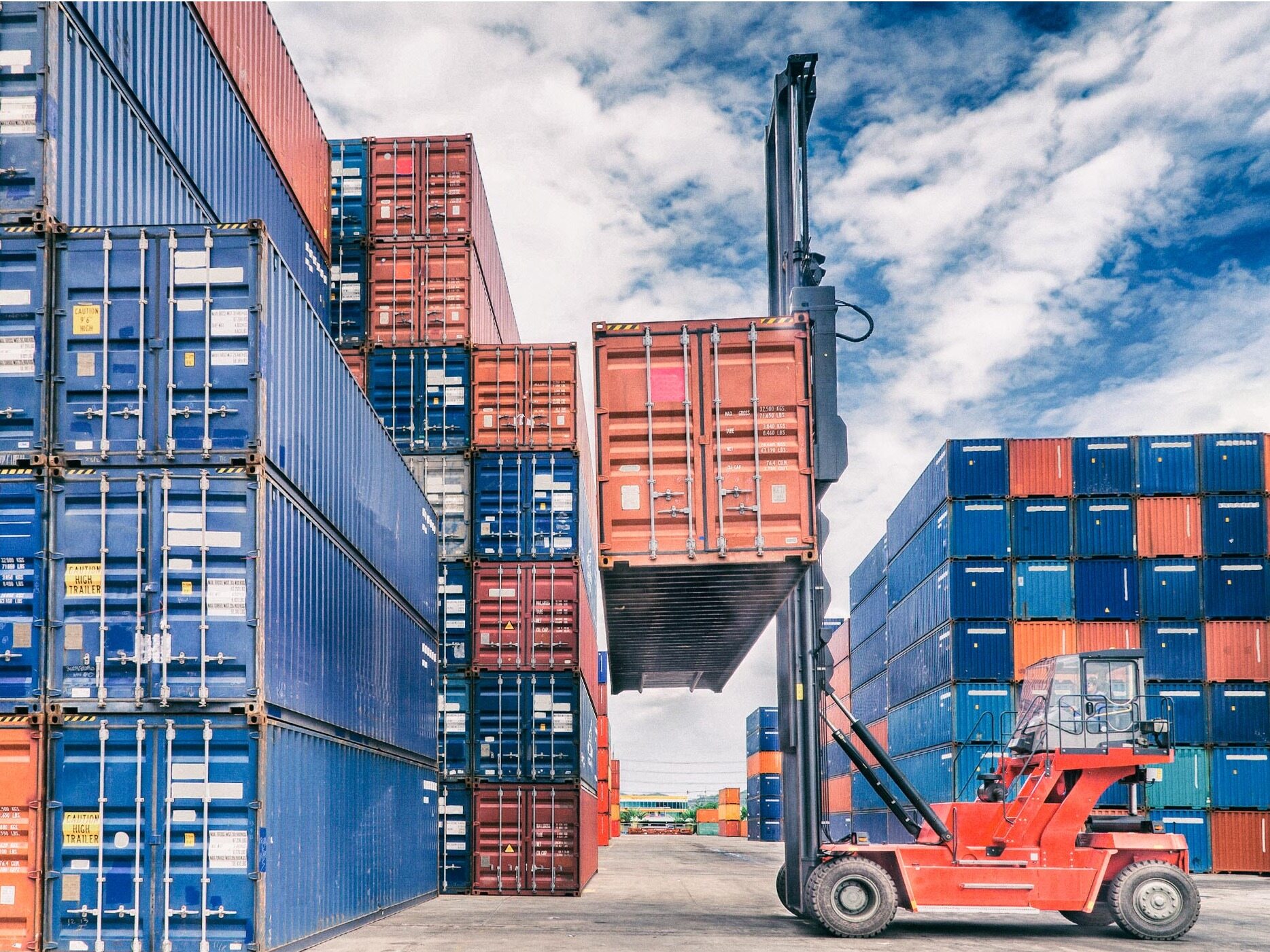
In terms of hardware configuration, the station is equipped with two ZPMC railway gantry cranes with a lifting capacity of 41 tons, as well as a complete set of modern loading and unloading transportation equipment. This means that the China Europe freight train from China can achieve seamless connection of "vehicle and ship direct pickup" here, and containers no longer need to go through cumbersome shortening, and can be directly lifted onto the Caspian Sea ferry and transported to Baku, Azerbaijan on the other side.
At present, the commissioning team is focusing on the final integration of equipment linkage test and digital system. In order to ensure the 24-hour operation of the hub, the operator has deployed about 100 employees and implemented a shift system. This is the first specialized container hub in Kazakhstan, not only a logistics node, but also a crucial step in Kazakhstan's transformation from an "inland country" to a "logistics hub country".
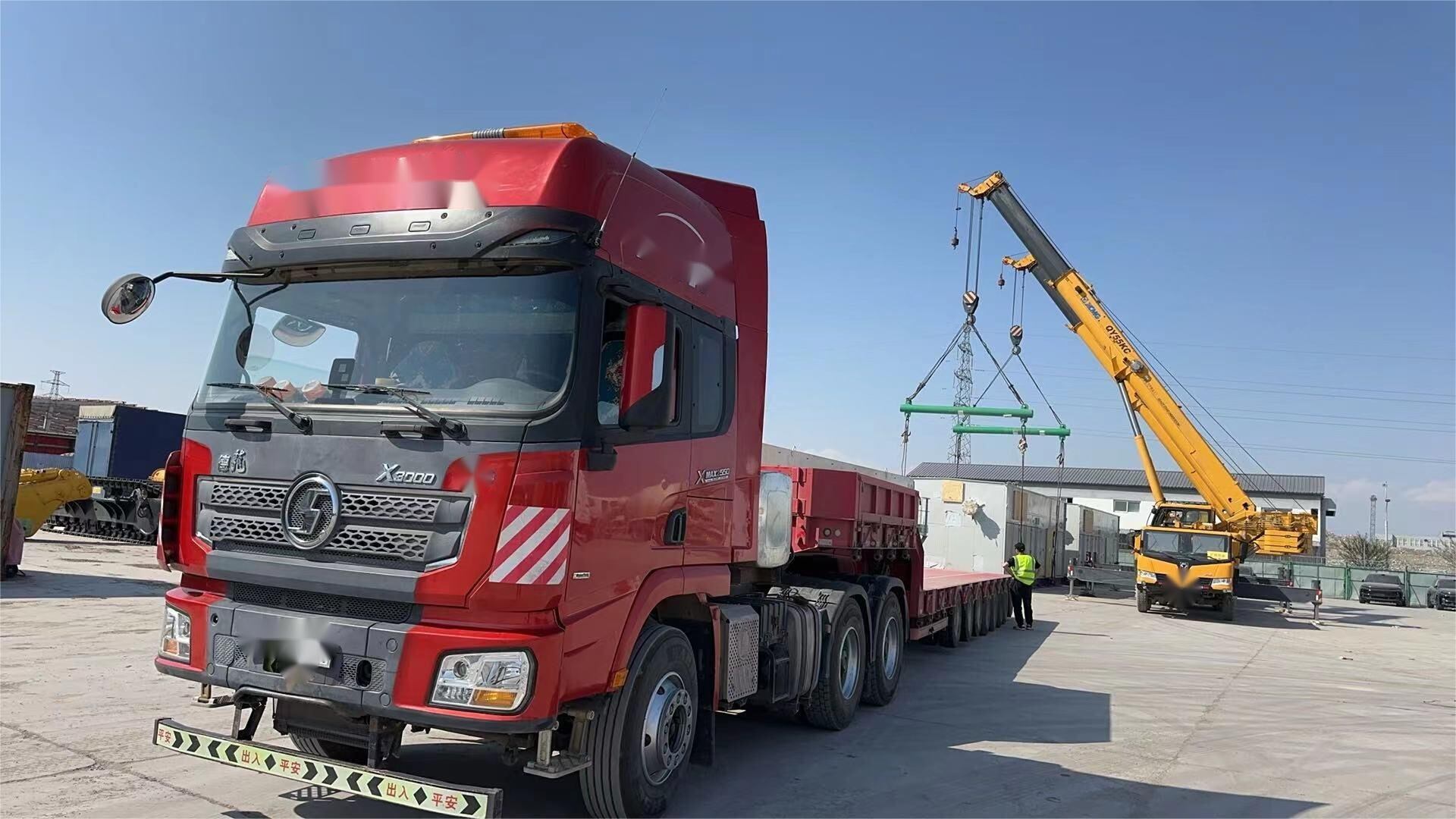
Why is Aktau the winner of TITR?
The rise of the Trans Caspian International Transport Corridor is essentially a microcosm of the global supply chain's demand for safe haven. When traditional shipping channels face uncertainty, this land sea intermodal route through Central Asia, the Caspian Sea, the Caucasus, and Europe provides a highly cost-effective alternative.
But previously, the biggest pain point for shippers was the "bottleneck" state of Aktau Port. Although the route is theoretically beautiful, the limited handling capacity of ports often leads to cargo backlog, offsetting the time saved by railway sections. The activation of the Aktau hub is precisely to resolve this core contradiction. It ensures that the TITR route is no longer "top heavy" by improving the port collection and distribution capacity, and truly realizes the efficient connection with China's "the Belt and Road" initiative and China Kazakhstan logistics layout.
More importantly, this is not only a transit channel, but also an outlet for Kazakhstan's domestic products (such as the recently piloted export of broken rice) to Europe. The existence of the hub has elevated Ha Guo from a landlord who collects tolls to a player deeply involved in global trade.
Dual port linkage from Lianyungang to Aktau
The construction of the Aktau hub bears the imprint of China's cooperation everywhere. In addition to using Chinese made heavy equipment, its operating model is also deeply tied to Chinese ports.
The project leader KTZ Express has reached a cooperation agreement with Lianyungang Port in China, planning to increase the hub capacity from 140000 TEU to 240000 TEU in the second phase of the project. This "dual port linkage" model means that China and Kazakhstan have built a complete logistics chain from the Pacific to the Caspian Sea, with Chinese participation in investment, construction, and operation.
At the digital level, the Aktau hub does not exist in isolation. It has been connected to the data exchange network of logistics platforms related to China, as well as the railway systems of Azerbaijan and Georgia, achieving full process digitization of container tracking and document management. This combination of "hard connectivity+soft connectivity" has significantly shortened cross-border customs clearance time, giving the Trans Caspian Corridor the confidence to compete with traditional maritime routes in terms of service.
As the debugging comes to an end, the cranes at Aktau Port are ready to go. For enterprises that rely on the Asia Europe supply chain, the new hub on the east coast of the Caspian Sea may be the most noteworthy logistics "new variable" in 2026.Editor/Yang Meiling
Comment



 Praise
 Collect
 Comment

 Share
Share


Write something~