 Search


- Bilateral trade exhibits characteristics of rapid growth in scale, optimized structure, and diverse forms
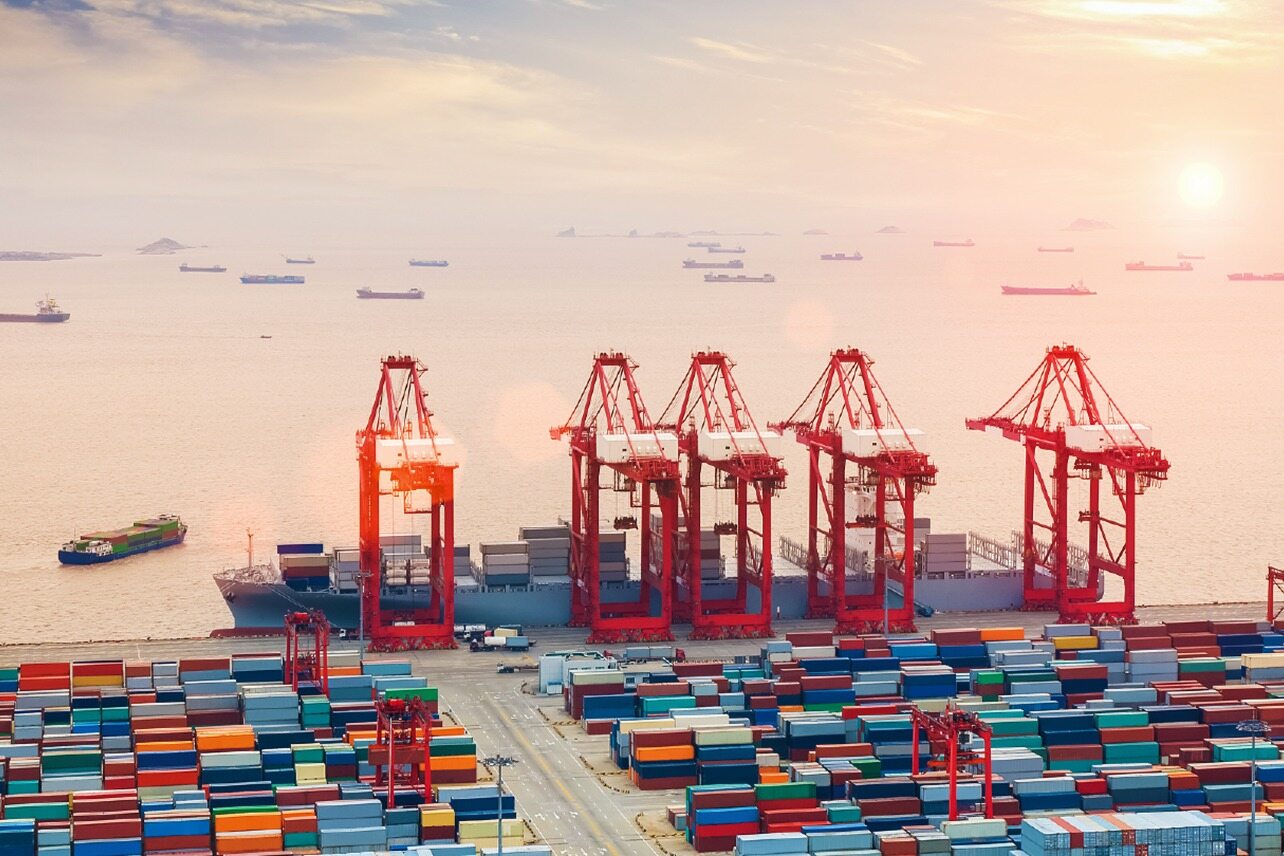
A statistical data from Chinese customs has excited the entire Central Asian research community: by 2025, the trade volume between China and the five Central Asian countries will exceed 100 billion US dollars for the first time, reaching 106.3 billion US dollars, a year-on-year increase of 12%. From sporadic trade at the beginning of the establishment of diplomatic relations in 1992, to now China becoming the largest trading partner of the five countries, this economic and trade link spanning the Tianshan Mountains and Pamir Plateau is writing a new chapter of regional cooperation with strong endogenous driving force.
Breaking the $100 billion mark for the first time
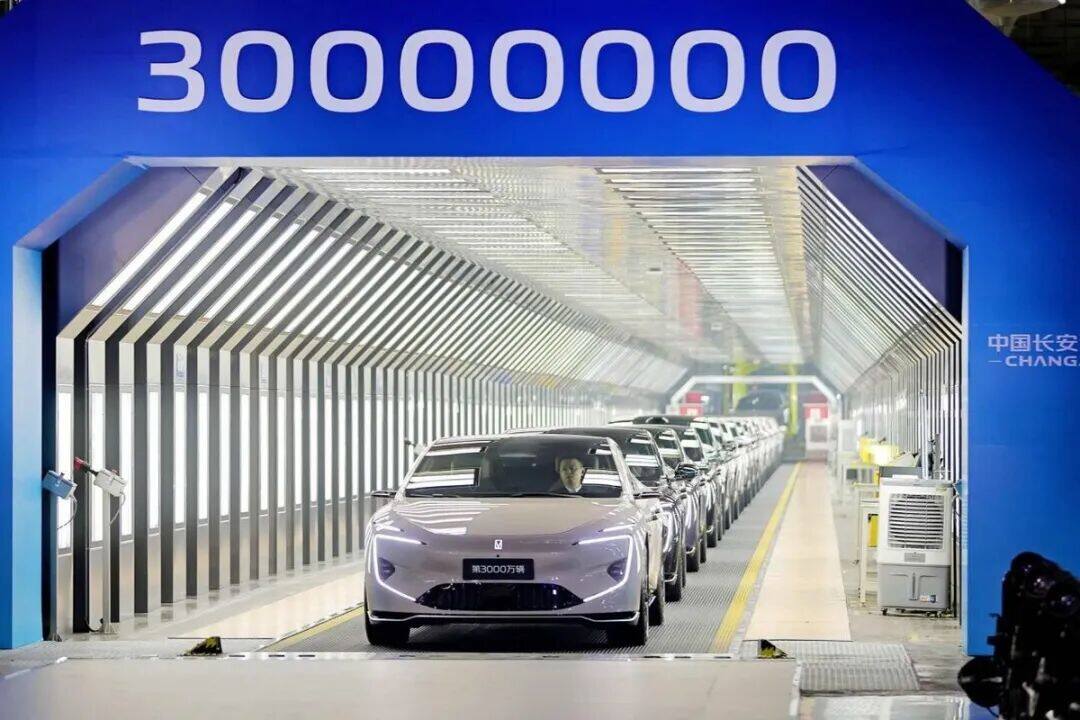
According to Chinese customs statistics, the bilateral trade volume between China and the five Central Asian countries will reach 106.3 billion US dollars in 2025, a year-on-year increase of 12%. Among them, exports amounted to 71.2 billion US dollars, a year-on-year increase of 11%; Imports amounted to 35.1 billion US dollars, a year-on-year increase of 14%. This is the first time since the establishment of diplomatic relations between China and the five Central Asian countries in January 1992 that the bilateral trade volume has exceeded 100 billion US dollars. It is also the first time that China has become the largest trading partner of all five countries since 2023. Before the COVID-19, the trade scale between the two sides had stabilized at the level of US $450 billion, and the year after 2022 reached a new level: US $70.2 billion in 2022, US $89.4 billion in 2023, US $94.8 billion in 2024, and US $106.3 billion in 2025.
Mechanical and electrical products account for more than half of exports
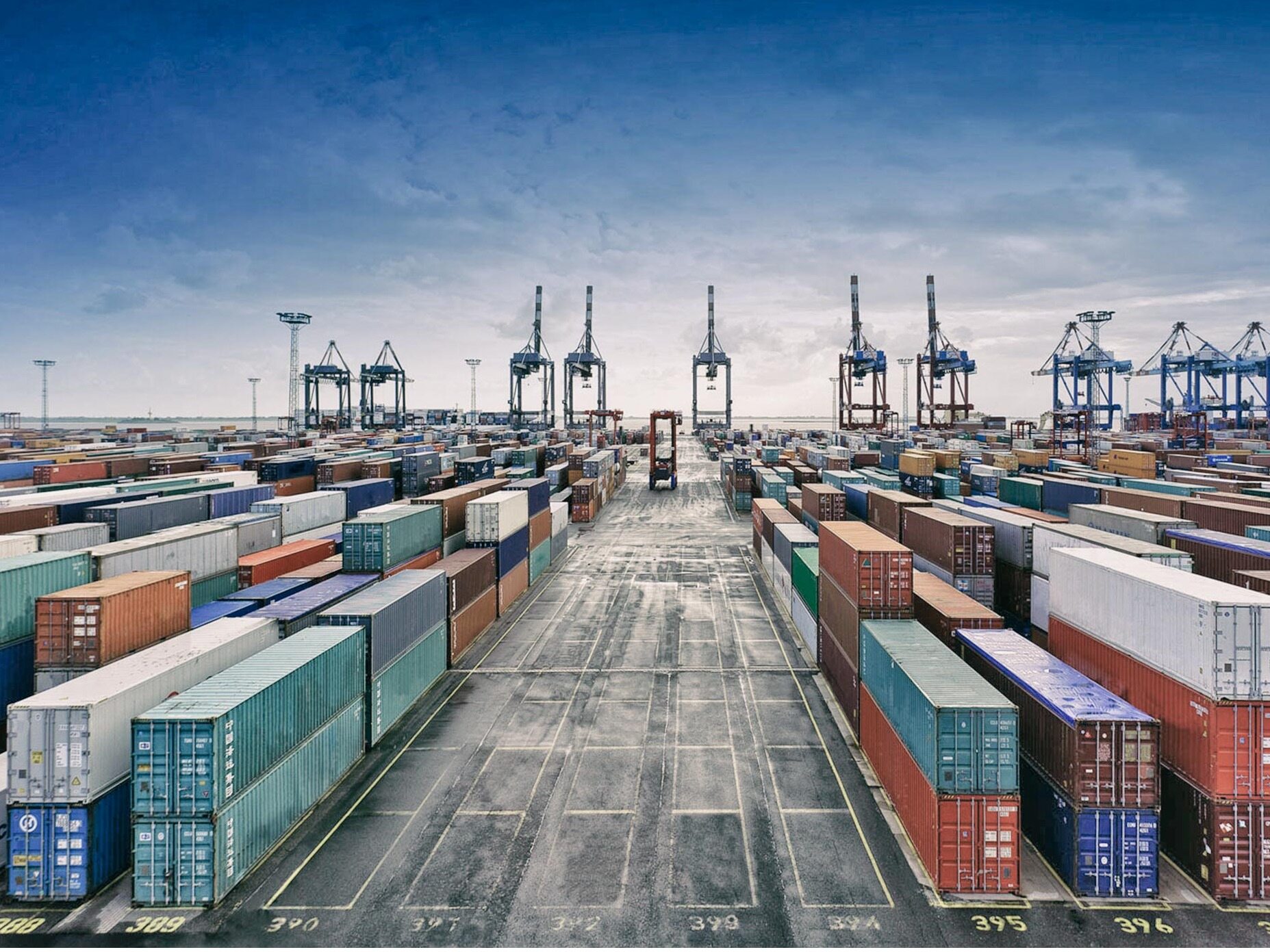
In 2025, China's trade with the five Central Asian countries will exhibit three characteristics: rapid growth in scale, optimized structure, and diverse forms. Central Asia is one of the regions with the fastest growth rate in China's foreign trade, and its trade structure is moving towards innovation and optimization. Mechanical and electrical products account for over 55% of exports, and the market share of the new three products, electric vehicles, lithium batteries, and solar cells, is steadily expanding. Non resource products such as chemicals, steel, and agricultural products are promoting the diversification of import structure. The cross-border e-commerce trade volume reached 800 million US dollars, with a growth rate of over 20%. The warehousing and logistics system, including overseas warehouses, border warehouses, cross-border payments, and China Europe Central Asia freight trains, continues to improve. New models such as overseas warehouses and cross-border e-commerce in Banjia provide strong support for trade growth. Keywords: the Belt and Road News Network, Central Asia Trade
Endogenous driving force drives growth
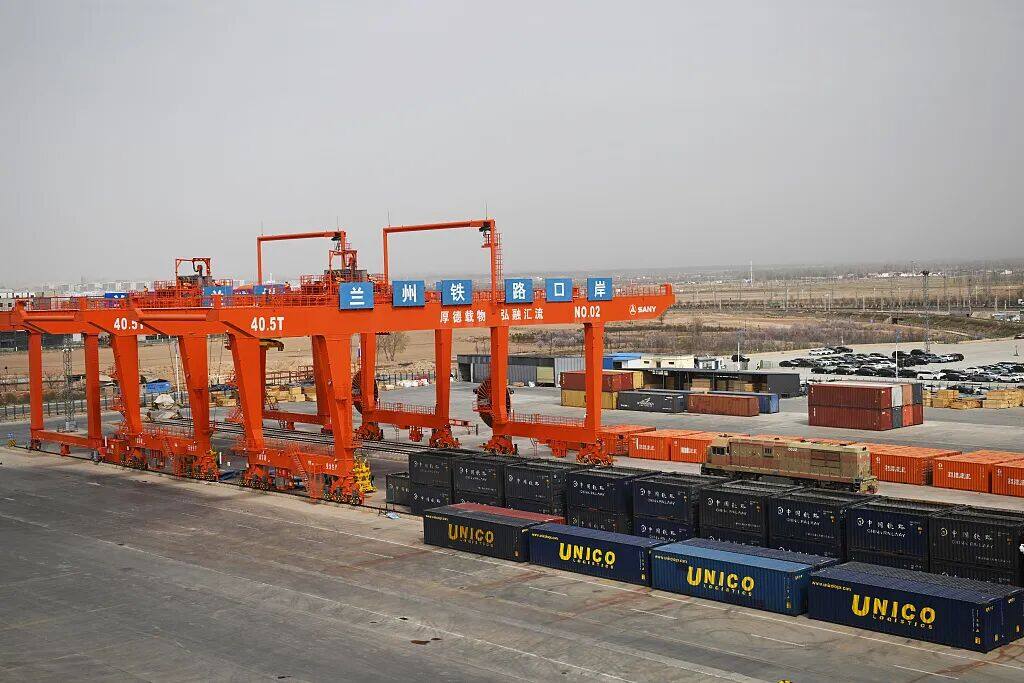
The growth of trade between China and the five Central Asian countries is not due to external factors, but rather stems from an increase in endogenous demand on both sides. Under the leadership of the head of state, confidence and consensus continue to strengthen, and both sides have not politicized economic issues, creating an atmosphere of good neighbors, good friends, and good partners. The cooperation foundation is solid, with comprehensive guarantees from institutional mechanisms to infrastructure. Most of the 11 open ports between Xinjiang, China and Kazakhstan, Kyrgyzstan, and Tajikistan operate 24/7 customs clearance, and the China Kyrgyzstan Uzbekistan railway is under construction. The investment driven effect is significant. As of the first half of 2025, China's cumulative direct investment in Central Asian countries has reached 35.9 billion US dollars, with about 13000 Chinese enterprises operating in the five countries, forming a virtuous cycle of investment driven trade growth.Editor/Gao Xue
Comment





 Praise
 Collect
 Comment

 Share
Share


Write something~