 Search


- Faced with a $300 billion digital cake, Southeast Asia is experiencing a thirst for computing power
- The Chinese technology army, which has practical experience in Double 11, has shifted from selling goods to feeding infrastructure

The narrative of China's technology going global is undergoing a profound qualitative change. In the past two decades, from tool software to the Four Little Dragons of going global, Chinese companies have conquered the global consumer market with their ultimate cost-effectiveness and marketing strategies. Nowadays, as the scale of Southeast Asia's digital economy exceeds 300 billion US dollars by 2025, a higher dimensional technological output is unfolding. Different from the previous migration of consumer Internet, this time, Chinese big data enterprises are carrying the peerless martial arts of "Double 11" high concurrency to fill the data vacuum in Southeast Asia's digital transformation.

Southeast Asia's Data Hunger and Time Machine Theory
The current Southeast Asia is just like the eve of the outbreak of China's mobile Internet in 2015. Skipping the PC era and directly entering the mobile internet of Southeast Asia, it enjoys the dividend of a young population, but is trapped in the lag of underlying architecture. Super applications such as Grab and Shopee consume massive amounts of data daily, but due to the traditional centralized IT architecture, they are trapped in the dilemma of having data but not being able to use it.
According to Cube Asia's forecast, the GMV of Southeast Asian e-commerce will reach 350 billion US dollars by 2030, with a compound annual growth rate of 14%. The gap between the rapid development of front-end business and the poor computing power of back-end provides a perfect time machine landing scenario for Chinese enterprises - using mature data capabilities extracted from China's internal competition to reduce dimensionality and strike the early stage Southeast Asian market.

The intergenerational crushing from road construction to car manufacturing
The Chinese expeditionary force has formed a rigorous three-tier strategic formation. At the bottom level are road builders such as Alibaba Cloud and Huawei Cloud, who have laid out data centers in Bangkok and Jakarta, providing computing power bases that have passed the Double 11 test; The middle level consists of car makers such as OceanBase and StarRocks, who use native distributed databases and high-speed OLAP engines to solve stubborn and difficult to calculate problems.
For example, OceanBase helped Indonesia's DANA achieve smooth migration of millions of users, achieving the three zero targets (zero downtime, zero loss, and zero inconsistency); StarRocks has achieved a 10 fold improvement in query performance on the Grab platform, surpassing outdated components from Europe and America with its technological architecture advantages. The top layer is the application layer such as BytePlus, which packages the recommended algorithm of Tiktok with the AI middle platform as a whole, and even invests billions of dollars in heavy assets to build an AI computing cluster in Johor, Malaysia, and reconstruct the local infrastructure.
The game between heavy assetization and data sovereignty
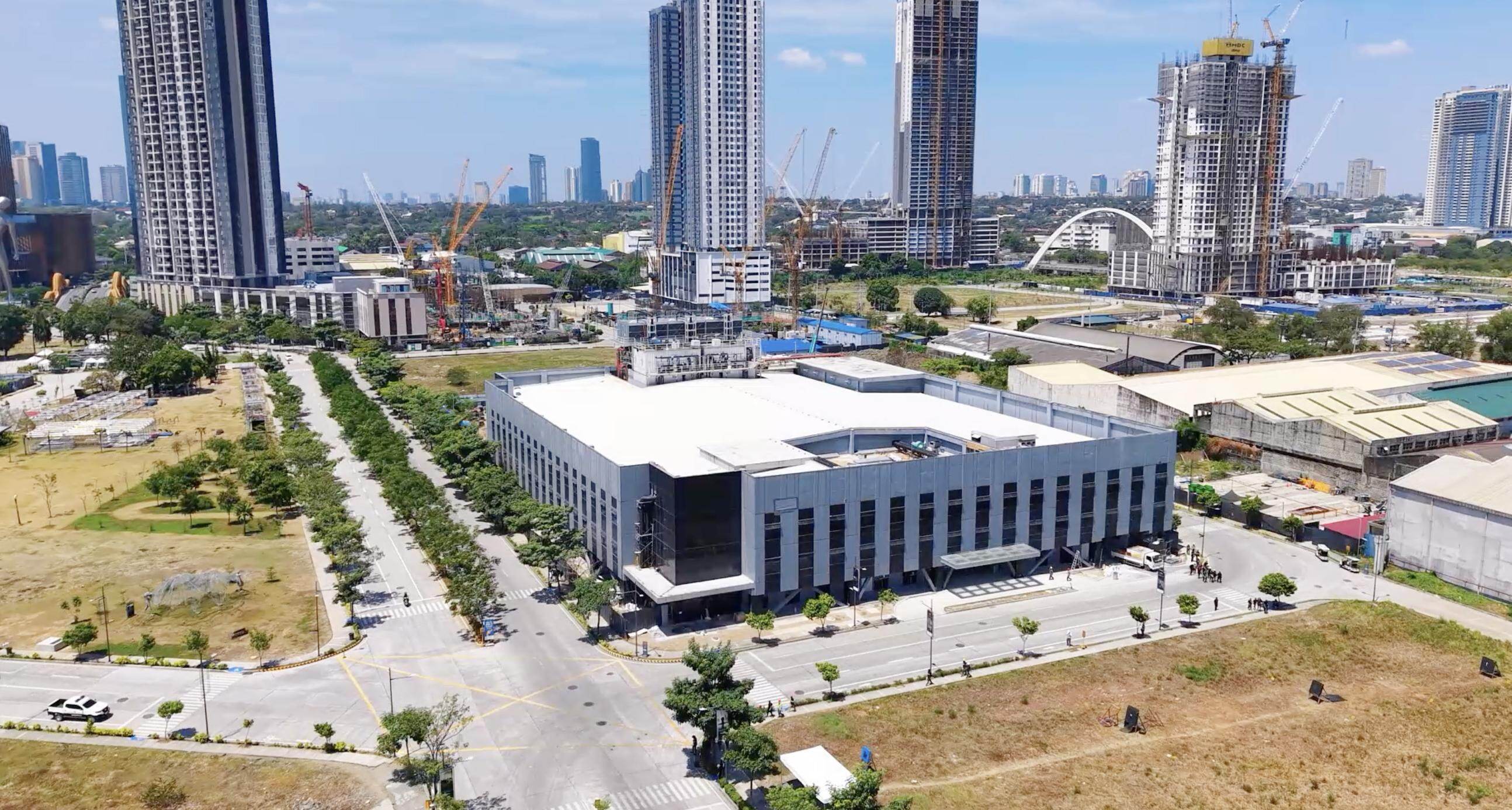
However, behind the impact of technological dimensionality reduction, hidden concerns have emerged. Unlike apps with extremely low marginal costs that go global, ToB business faces the quagmire of localized delivery, with profit margins being swallowed up by high customization costs. Even more severe are geopolitical risks: Indonesia tightens local storage requirements, Vietnam introduces strict data protection laws, and European and American giants jointly encircle in large-scale bidding. Chinese companies have had to shift from light asset software to heavy asset infrastructure, with companies such as Wanguo Data and Qinhuai Data frantically building data centers in Batam and Johor. This is not only a business expansion, but also a card battle about data sovereignty. Keywords: big data, Southeast Asia
China's technology going global has entered the deep-water zone. When computing power becomes the new hard currency, Chinese companies not only need to export technology, but also need to export compliance and governance capabilities. This upgrade from selling goods to selling computing power will ultimately determine who can truly grasp the global discourse power of the digital age.Editor/Cheng Liting
Comment






 Praise
 Collect
 Comment

 Share
Share


Write something~