 Search


- Half blockade of the Red Sea, Pakistan opens land route, Gwadar Port 89 kilometers straight to Iran, cost drops by 50%
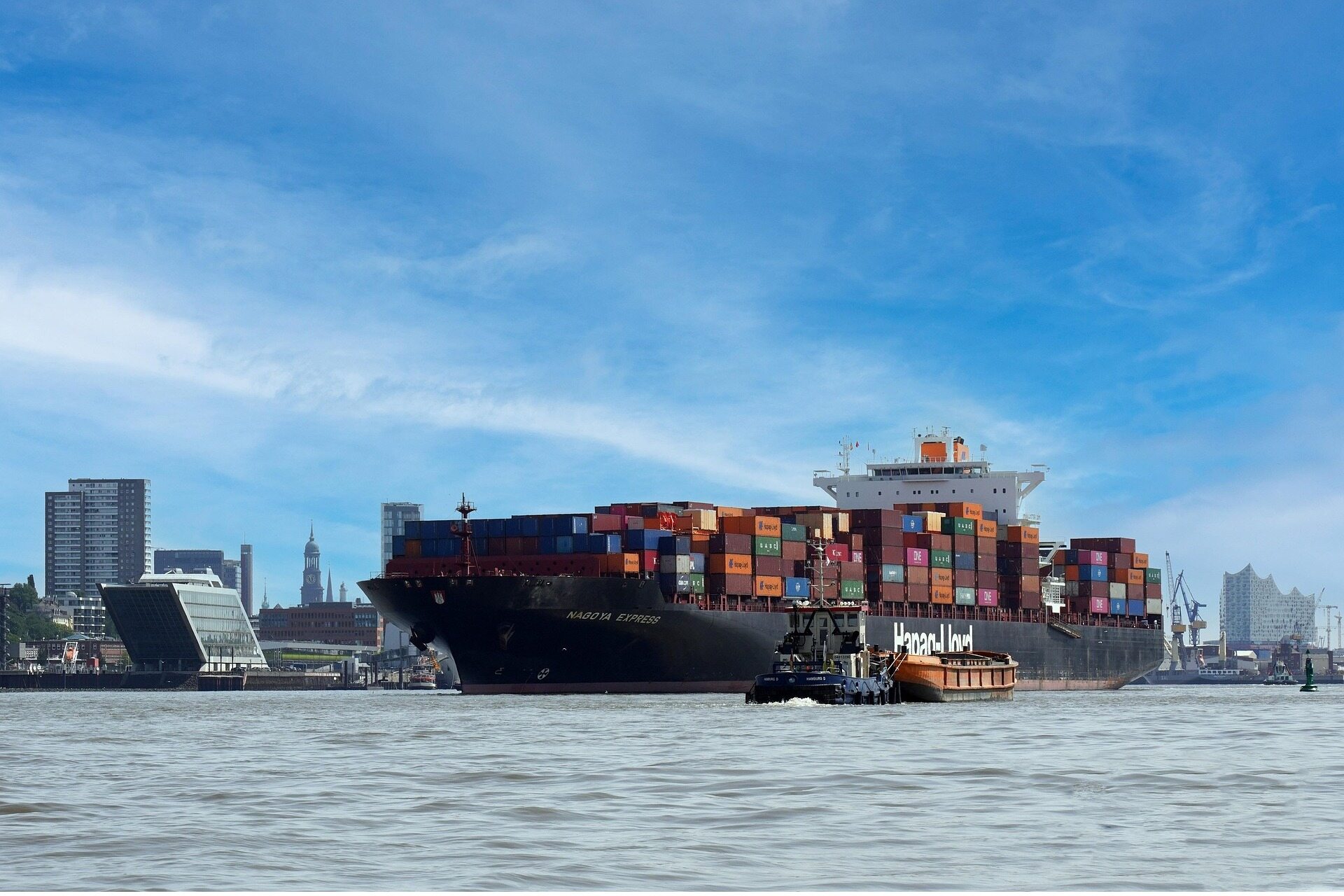
In May 2026, the situation in the Red Sea escalated sharply. Since the outbreak of this conflict, there have been over 60 incidents of merchant ship safety in the Gulf of Aden, and the daily average number of navigable ships in the Strait of Hormuz has dropped from over 130 in normal times to less than 10, a reduction of over 90%. The two major shipping routes have essentially entered a semi closed state. Just as shipping was almost paralyzed, a transit order from Pakistan opened an unexpected alternative lifeline for Iran.
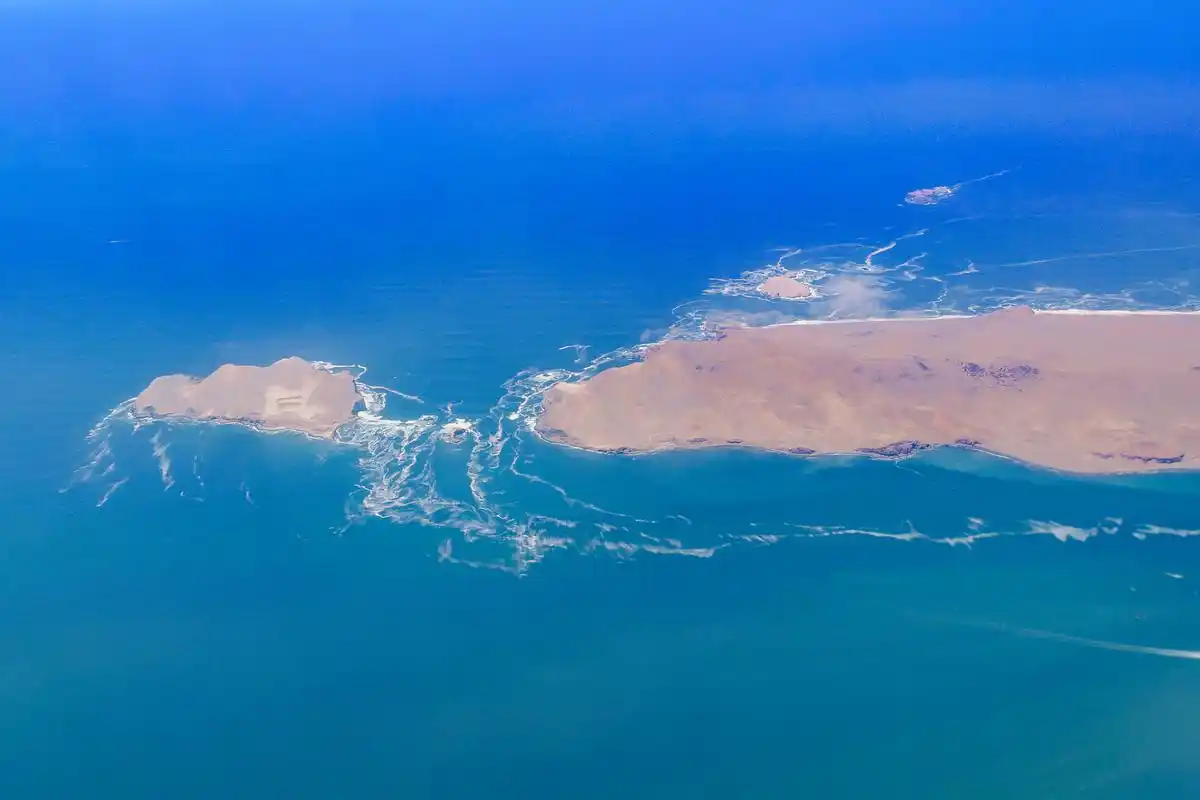
War insurance premiums soar to sky high prices
In early May, the bulk carrier True Confidence was attacked by missiles in the Red Sea and Gulf of Aden, resulting in the death of three crew members and serious injuries to four others, making it the most severe attack on a ship in this crisis. Mainstream shipping companies such as Maersk and Hapag Lloyd immediately suspended the Red Sea route. Since April, there have been a total of 41 merchant ship safety incidents in the surrounding area, and the premium rate for waterway war insurance has soared to 1% -7.5% of the ship's value. A $50 million oil tanker with a single transit premium of up to $3.75 million, and shipping costs are approaching the critical point of trade profits.
Gwadar Port's 89 kilometer direct route to Iran has seen a cost drop of over 50%
On April 27th, the Pakistani Ministry of Commerce issued the "2026 Transit Order for Goods Through Pakistani Territory", announcing that from now on, third-party goods will be allowed to be transported by land through Pakistan to Iran. The route starts from the three major ports of Gwadar, Karachi, and Kassem, passes through Balochistan Province, and finally merges into the two major ports of Gabud and Tafutan in Iran.
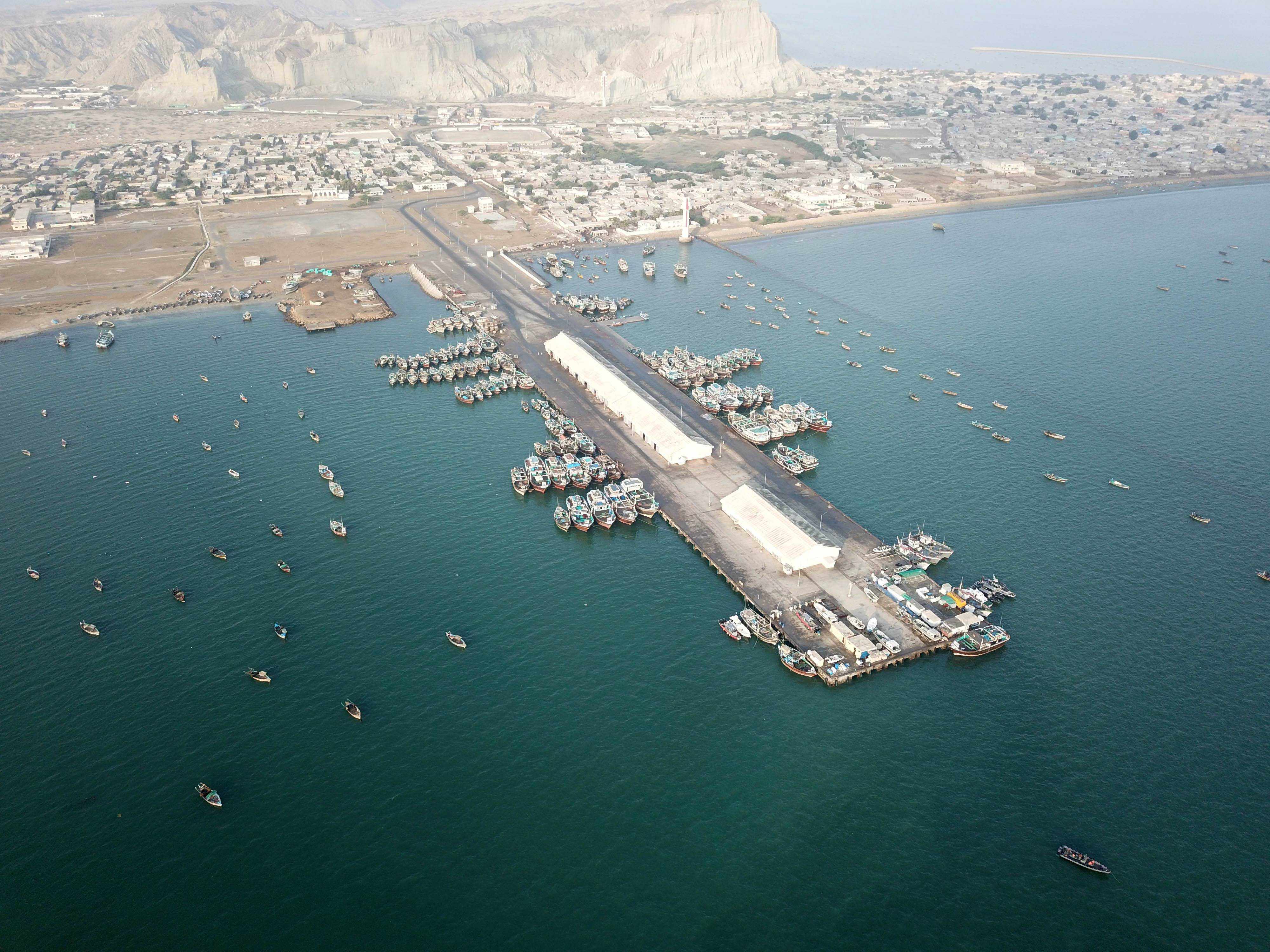
The entire journey from Gwadar Port to Gabud Port is only 89 kilometers, with a travel time of 2-3 hours, and transportation costs are reduced by 45% -55% compared to existing sea freight routes. Currently, there is a backlog of over 3000 containers bound for Iran at Karachi Port alone. More importantly, this channel has the potential to extend to Central Asia - goods entering Iran can be further transported to inland markets such as Turkmenistan and Afghanistan, and the trade radius can be expanded from the Persian Gulf to the entire Central Asian hinterland.
Not only emergency, but also a strategic chess game
Pakistan's move is not a temporary solution. As a core project of the China Pakistan Economic Corridor, Gwadar Port has a throughput of over 5 million tons by 2025. The opening of the transit port essentially upgrades it from a single energy channel to a regional trade hub. For Iran, this land route is of great significance under the continued pressure of Western sanctions - by the first quarter of 2026, over 60% of Iran's oil exports have been completed through non-traditional channels, with Pakistan's land route being a key link. Keywords: Red Sea situation, logistics
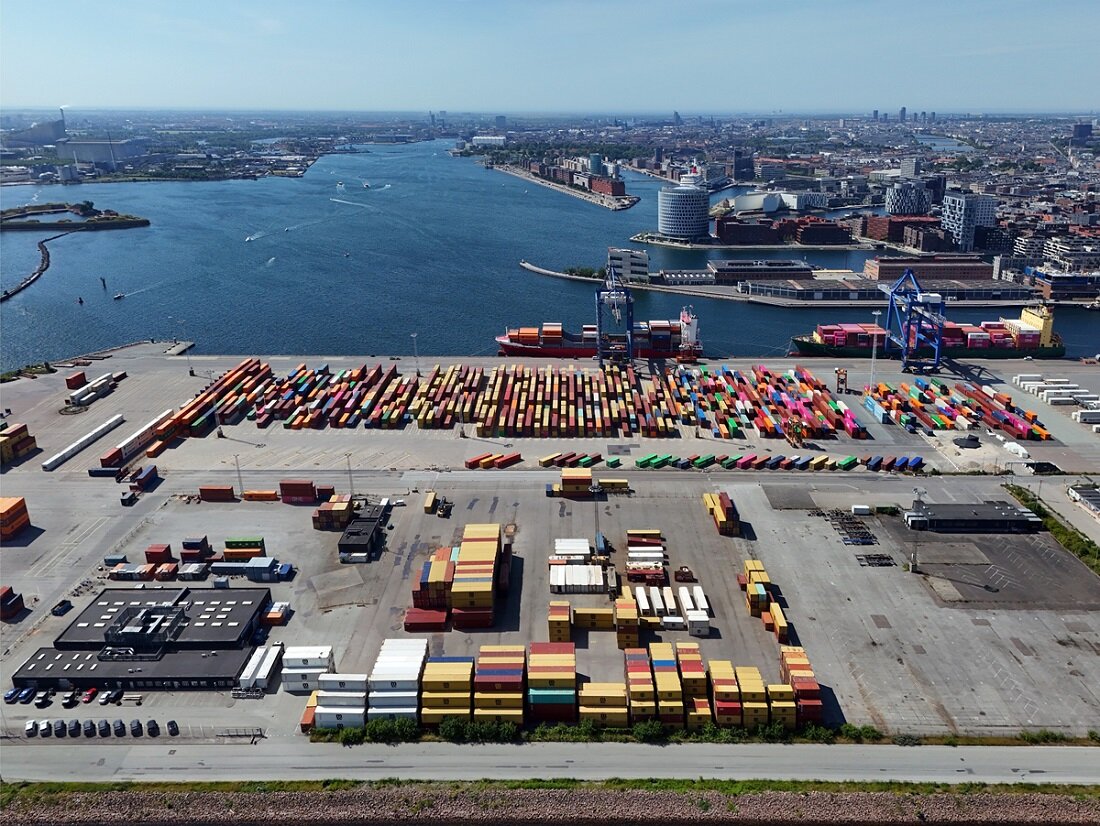
When the Red Sea crisis will subside is still unknown, but one thing is already a foregone conclusion: when the ocean is no longer safe, land will naturally take over the flow of trade.Editor/Cheng Liting
Comment


 Praise
 Collect
 Comment

 Share
Share


Write something~