 Search


- The Strait of Hormuz is blocked, causing global oil prices to soar
- Saudi Aramco earns $33.6 billion in the first quarter by operating at full capacity through a pipeline spanning the peninsula

A giant oil tanker is slowly docking at Yanbu Port on the Red Sea coast. Unlike before, the crude oil it carries does not come from conventional shipping routes in the Persian Gulf, but is transported through a steel artery spanning the Arabian Peninsula, crossing 1200 kilometers of desert from eastern oil fields. This facility, known as the 'East West Pipeline', became a key variable in the global energy market in the first quarter of 2026.
When the Strait of Hormuz faced the risk of shipping disruptions due to regional tensions, Saudi Aramco activated this backup land-based lifeline. It is precisely with this strategic layout that the world's largest oil company achieved a net profit of up to 33.6 billion US dollars in the first quarter, equivalent to over 240 billion yuan, a year-on-year increase of 26%. This means that in the past 90 days, Saudi Aramco has earned an average net profit of nearly 3.7 billion yuan per day.
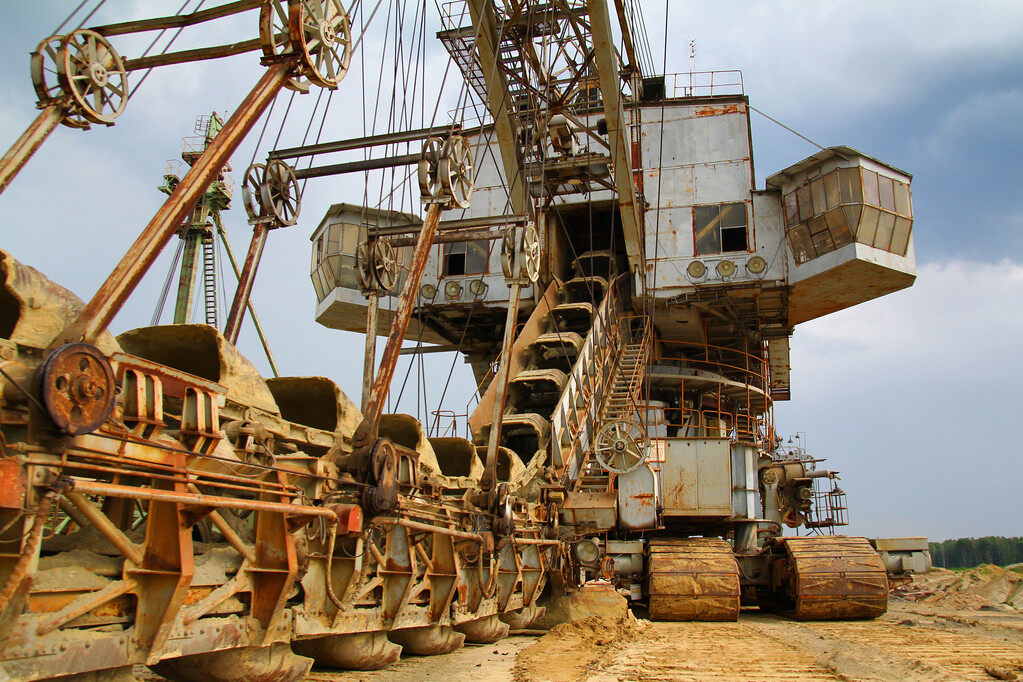
Where does profit come from
Saudi Aramco's performance in the first quarter of 2026 exceeded the expectations of many market analysts. The financial report shows that the company's adjusted net profit reached 33.6 billion US dollars, a significant increase from the same period last year's 26.6 billion US dollars. This growth is not accidental, but rather due to a comprehensive increase in crude oil, refining, and chemical product prices, as well as a synchronous increase in sales.
Despite global macroeconomic uncertainty, geopolitical tensions have pushed up energy prices. Especially in March, Brent crude oil prices rose by over 40%, directly boosting the company's upstream business profits. At the same time, Saudi Aramco maintained a robust financial structure, with a low debt to asset ratio of 4.8%, and announced the distribution of $21.9 billion in first quarter dividends, demonstrating its strong cash flow generation capabilities.
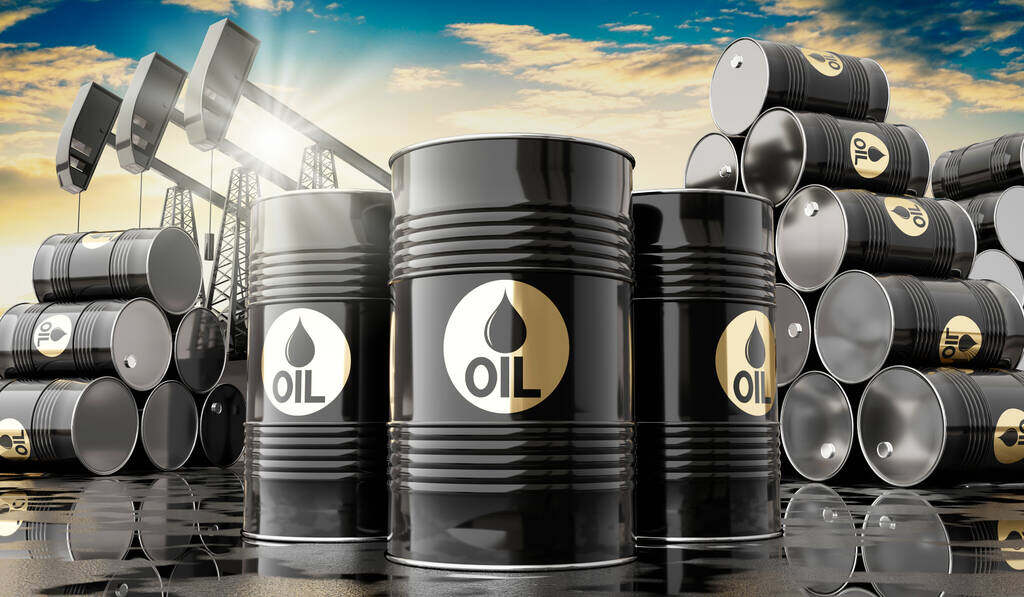
7 million barrels of channel
Behind the profit growth is the full operation of a critical infrastructure. Saudi Aramco CEO Amin Nasser confirmed in the financial statement that the east-west oil pipeline has reached its maximum capacity of 7 million barrels per day this quarter.
This pipeline starts from oil fields along the Persian Gulf coast in the east and ends at Yanbu Port in the Red Sea in the west, with a total length of about 1200 kilometers. Its strategic value lies in the fact that when the world's busiest oil transportation channel, the Strait of Hormuz, is blocked, Saudi Arabia can completely rely on sea transportation and directly transport crude oil to the Red Sea for export by land. According to the data, after the pipeline runs at full capacity, about 5 million barrels per day can be used for international exports, and another 2 million barrels per day can be supplied to western refineries. This has enabled Saudi Arabia to maintain an export volume of approximately 5 million barrels per day despite restrictions in the strait, effectively stabilizing global supply expectations.
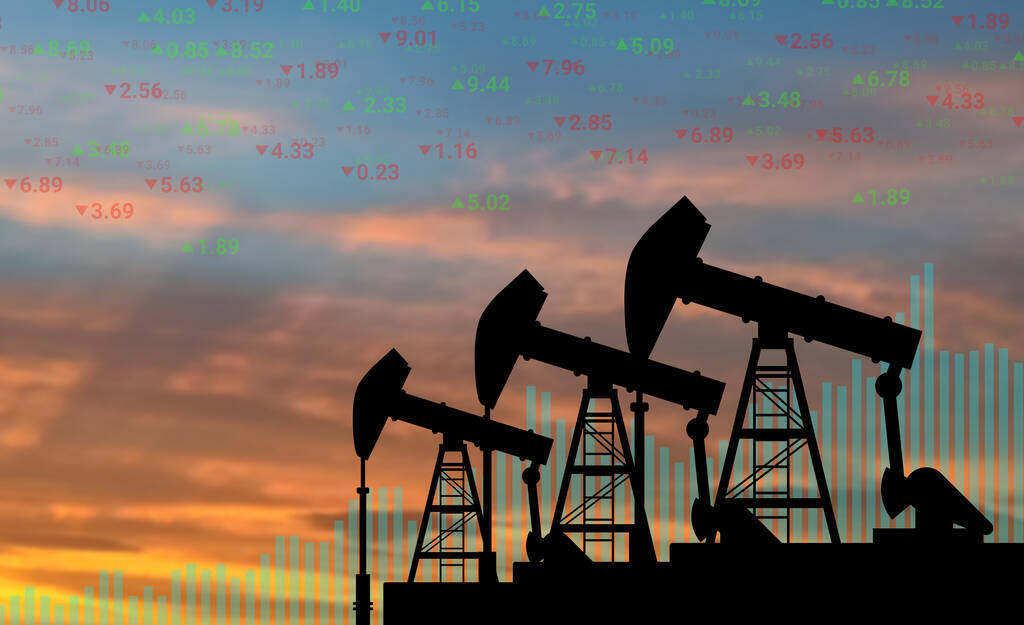
Energy Security Stakes
The full load operation of the east-west pipeline is not only related to current profits, but also a stress test on energy resilience. This pipeline was first built during the Iran Iraq War in the 1980s to address the maritime risks at that time. In the geopolitical environment of 2026, it once again proves the strategic value of land-based channels.Keywords: International, Petroleum
Nasser emphasized that although Aramco has partially alleviated the impact through pipelines, the overall supply of the global energy system is still limited. The energy industry needs to do more planning and investment for resilience. Currently, Saudi Aramco is reducing the risk of operational disruptions through a combination of domestic and international storage facilities, diversified export routes, and other strategies. This pipeline has become a "strategic shock absorber" connecting Persian Gulf crude oil and Red Sea exports, winning valuable pricing and supply initiative for Saudi Arabia in the turbulent market.
Data source: Saudi Aramco's first quarter 2026 financial report and public information
Exchange rate conversion: 1 US dollar ≈ 7.2 Chinese yuan (estimated based on the market exchange rate in May 2026)Editor/Yang Meiling
Comment


 Praise
 Collect
 Comment

 Share
Share


Write something~