 Search


- Under the dual pressure of water and electricity shortages, Central Asia is breaking old ways of thinking
- Exploring water-saving cooperation and energy transformation, attempting to find a more sustainable path for the future of the region
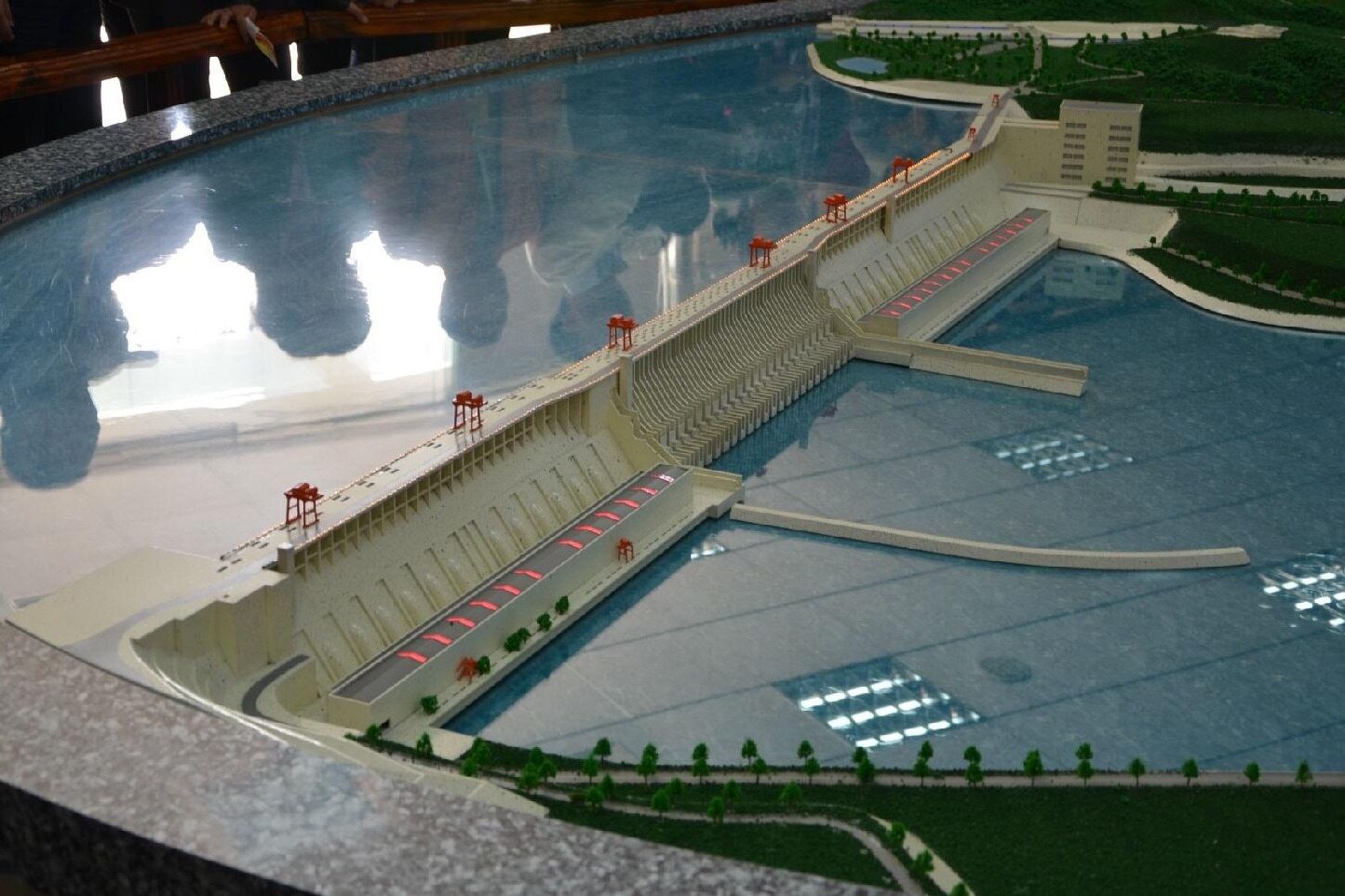
The water of the Amu Darya River flows quietly, but it is difficult to reach its former endpoint - the Salt Sea. Standing by the dry lakebed, the old fisherman Alimov recalled that decades ago, big fish could still be caught here, but now all that remains in front of him are cracked land and abandoned fishing boats. His hometown is a microcosm of the water resource crisis in Central Asia. And hundreds of kilometers away, deep in the mountains of Tajikistan, engineers are debating whether to continue building large hydroelectric power plants or switch to emerging solar panels? Water and electricity, these two lifelines, are tightly intertwined with the fate of Central Asian countries and forcing them to make changes.
The pain of dehydration, losing more than half
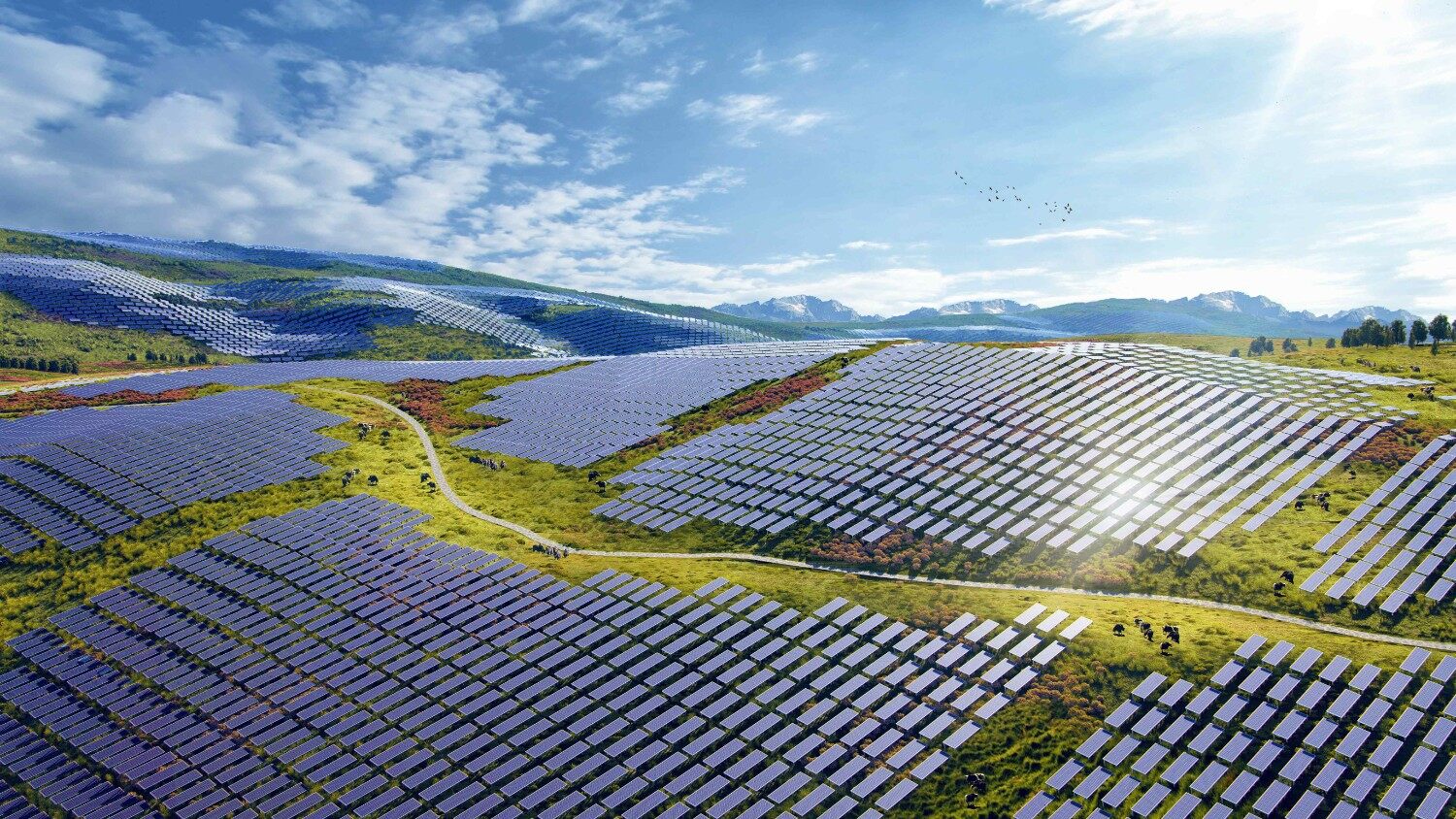
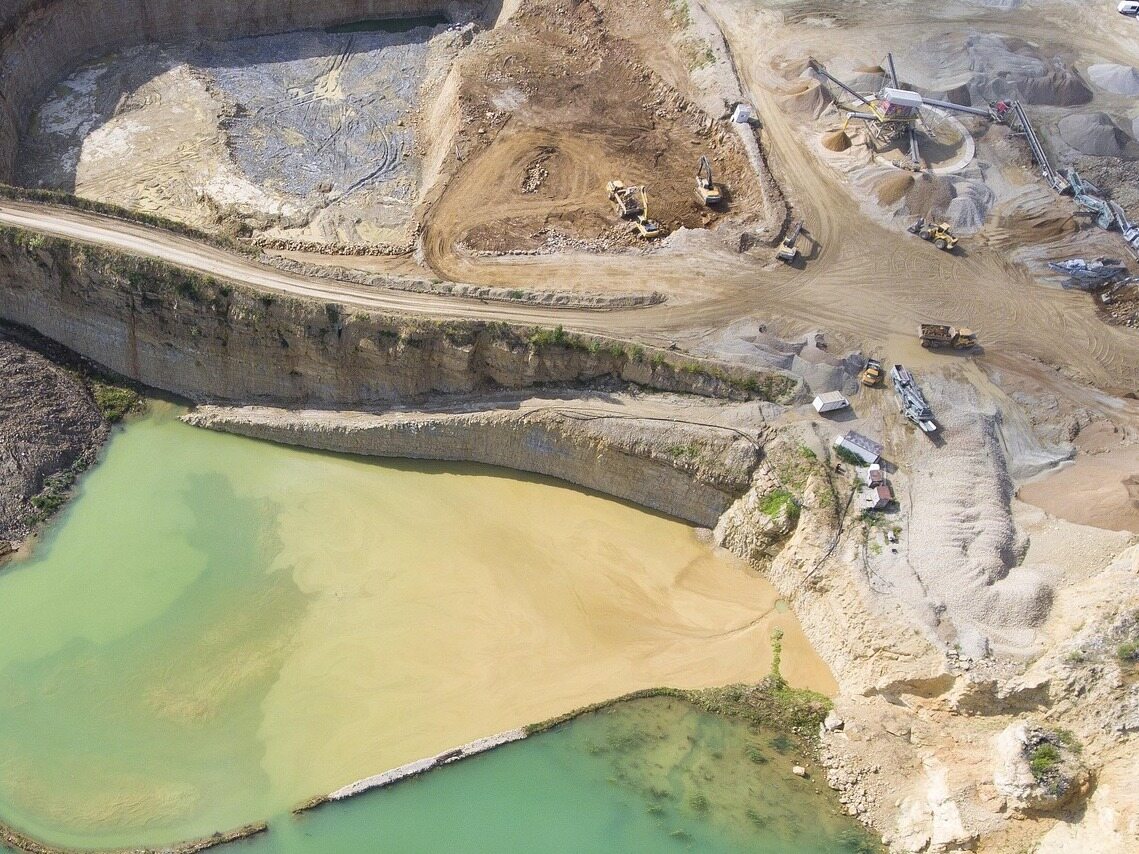
The Amu Darya and Syr Darya rivers once nourished the entire Central Asia, but now they are difficult to merge into the Aral Sea, leading to widespread drying up of the lake area. Behind it is the intensification of regional population growth and water rights disputes, with Afghanistan's unresolved water rights becoming a potential trigger. However, the core of the problem lies in the inefficient utilization of water resources - the water loss rate in the entire region exceeds 50%. Uzbekistan took the lead in promoting drip irrigation and channel lining in 2024, but similar measures have not yet been widely adopted.
Water and electricity obsession, hidden risks
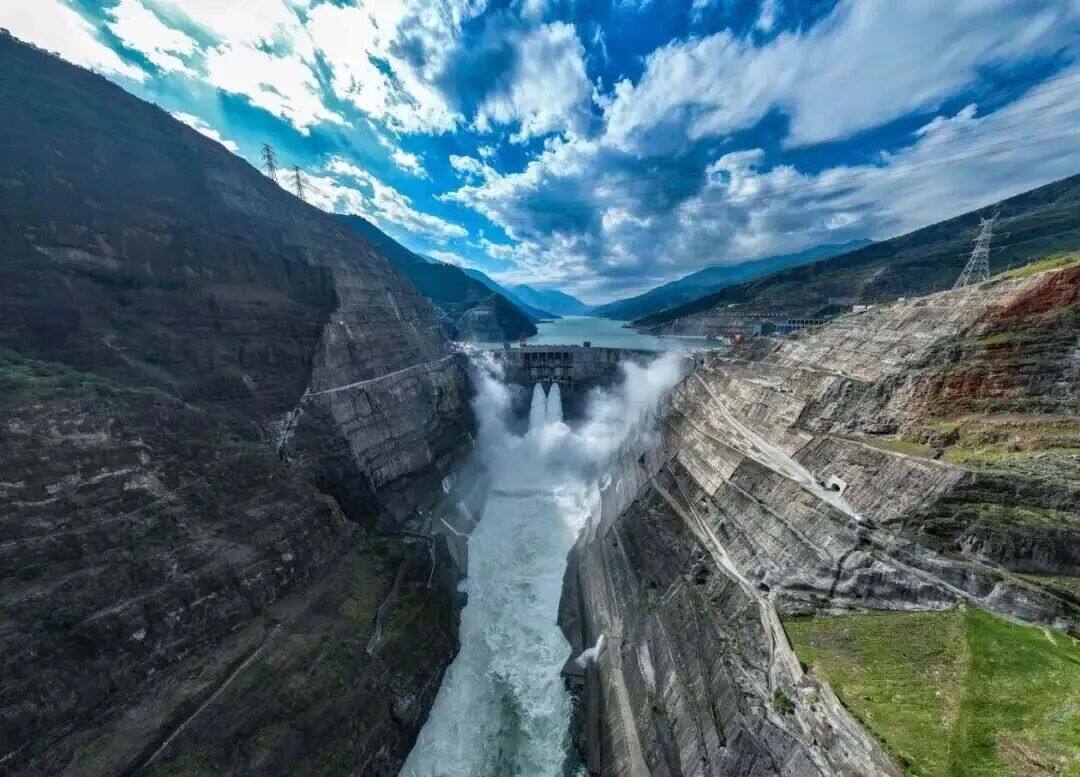
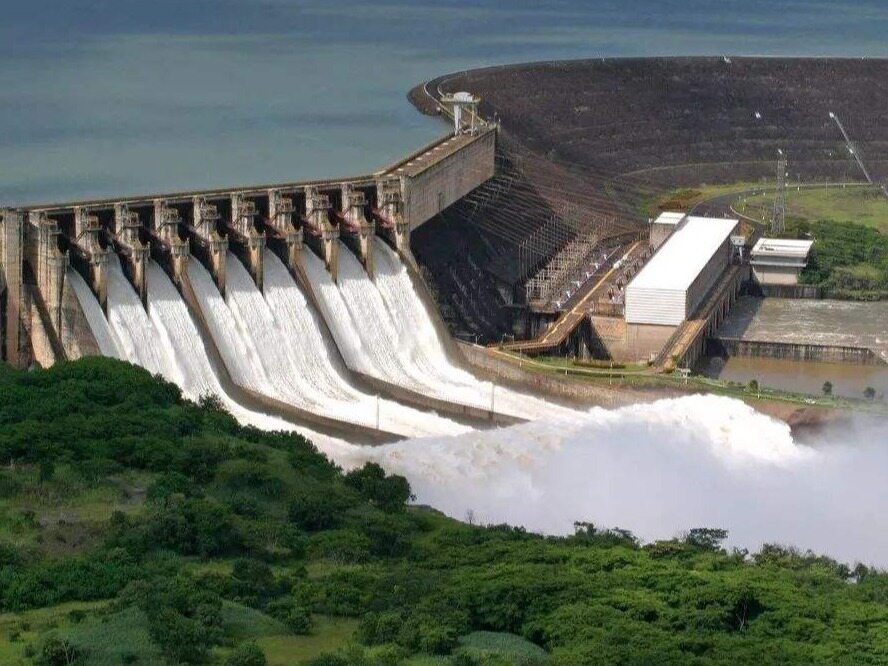
Tajikistan has the highest water energy reserves in Central Asia and the eighth largest in the world. Half a century ago, scholars advocated for the construction of thirteen cascade hydropower stations on the Panche River. But this blueprint ignores the hidden dangers of the upstream Sarez Lake: if a strong earthquake causes the dam to collapse, the 17 cubic kilometers of water storage will trigger a catastrophic flood. What is even more worth reflecting on is that the long-standing trend of relying solely on hydropower has suppressed other energy options, leading Tajikistan into path dependence.keywords:New energy information network,New energy news
Energy turnaround, diversified exploration
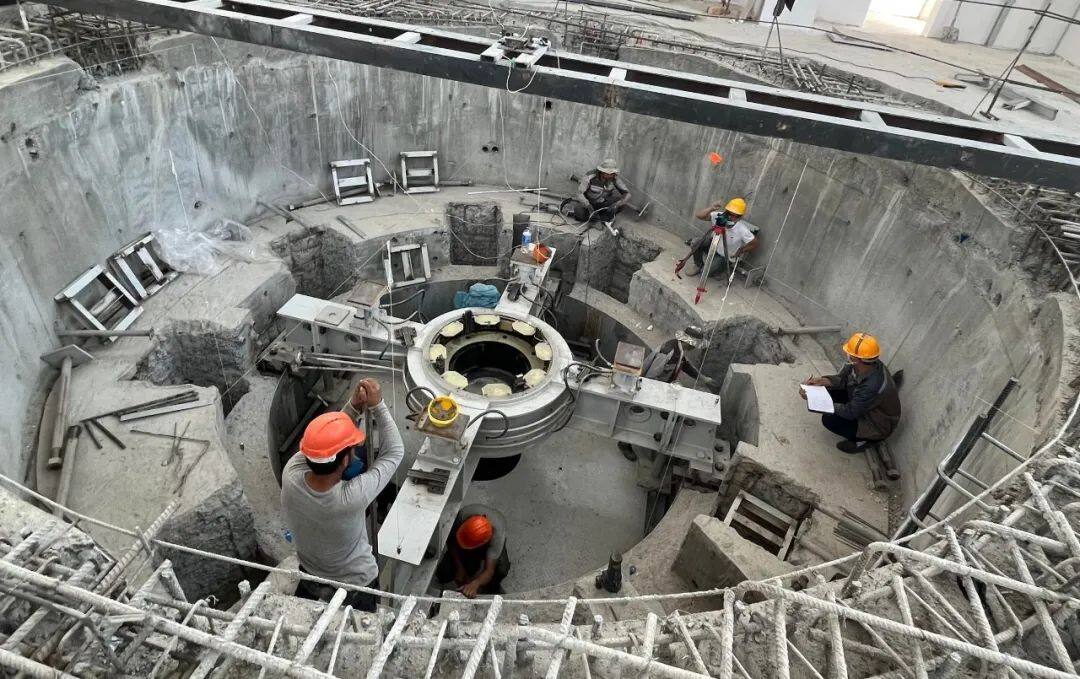
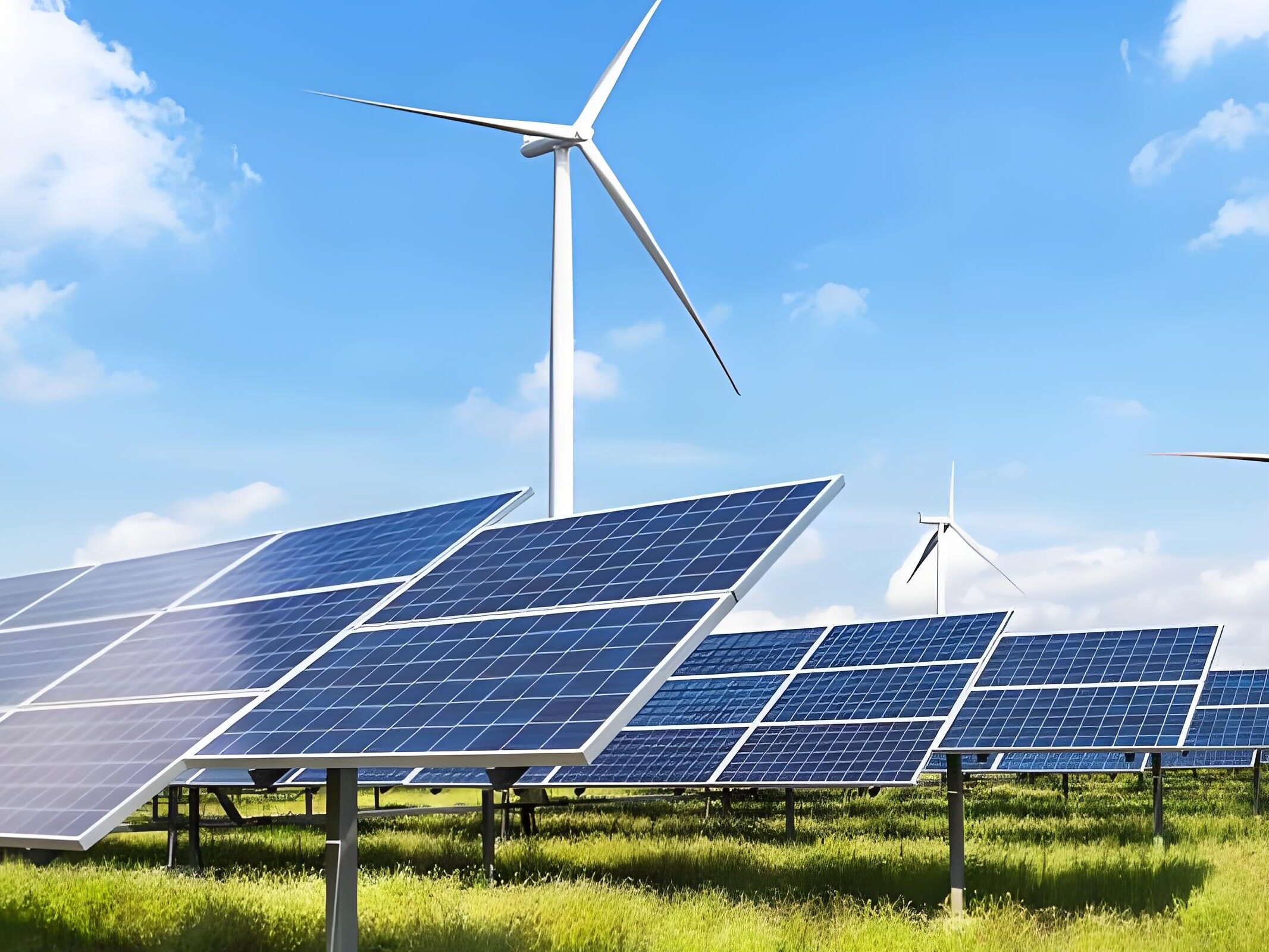
Nowadays, energy thinking is shifting. Although wind power has limited prospects in Central Asia, nuclear and solar energy technologies are developing rapidly. Kazakhstan, Uzbekistan, and Kyrgyzstan have prioritized nuclear power. Tajikistan also planned to build two solar power stations with a total installed capacity of 500 megawatts in early 2026, which will be put into operation within the year. This means that the era of relying solely on hydropower is being broken, and a more open energy future has emerged.Editor/Yang Meiling
Comment



 Praise
 Collect
 Comment

 Share
Share


Write something~