 Search


- The contracted amount of CNOOC Engineering in the first quarter was 17.167 billion yuan, a year-on-year increase of 381.81%
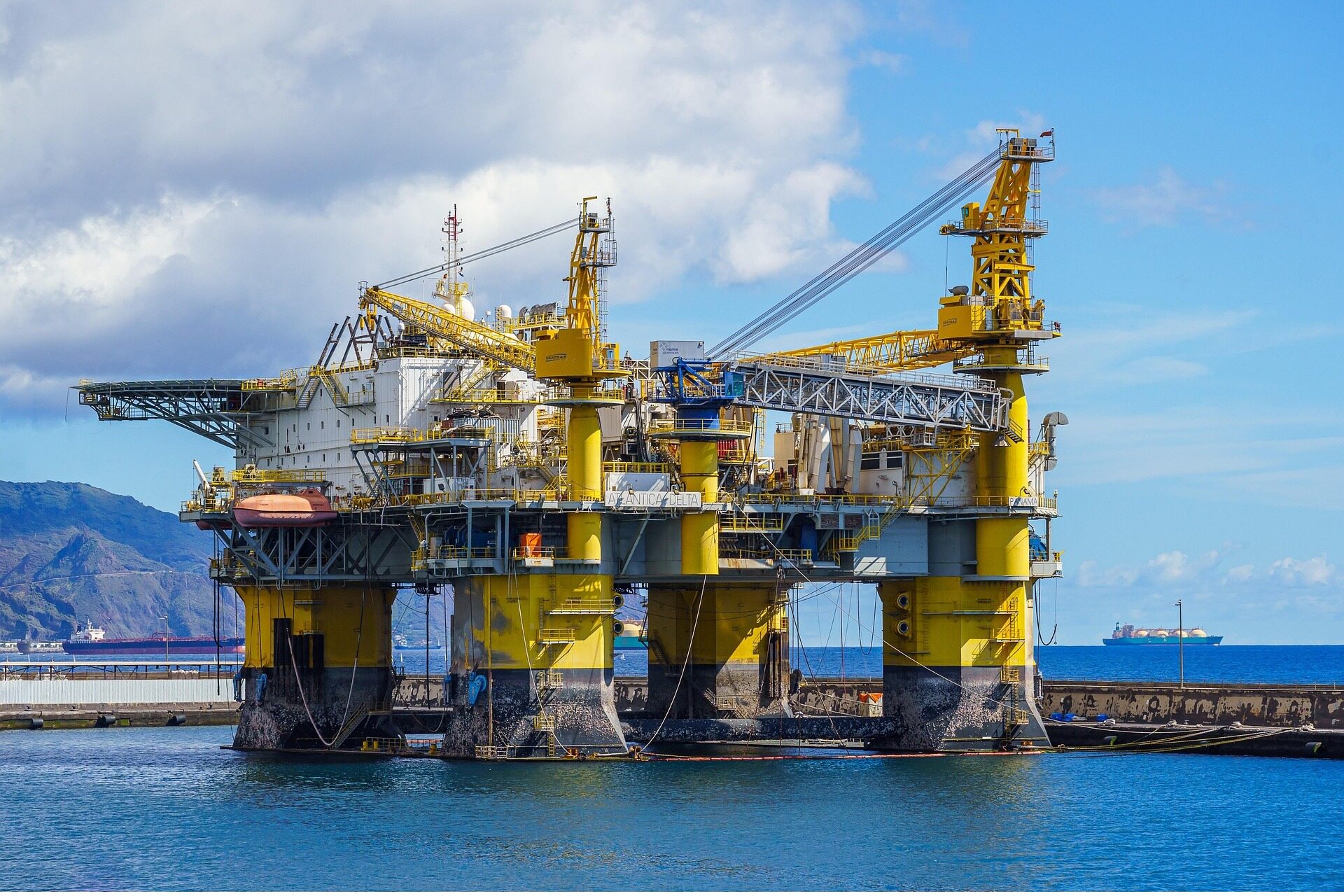
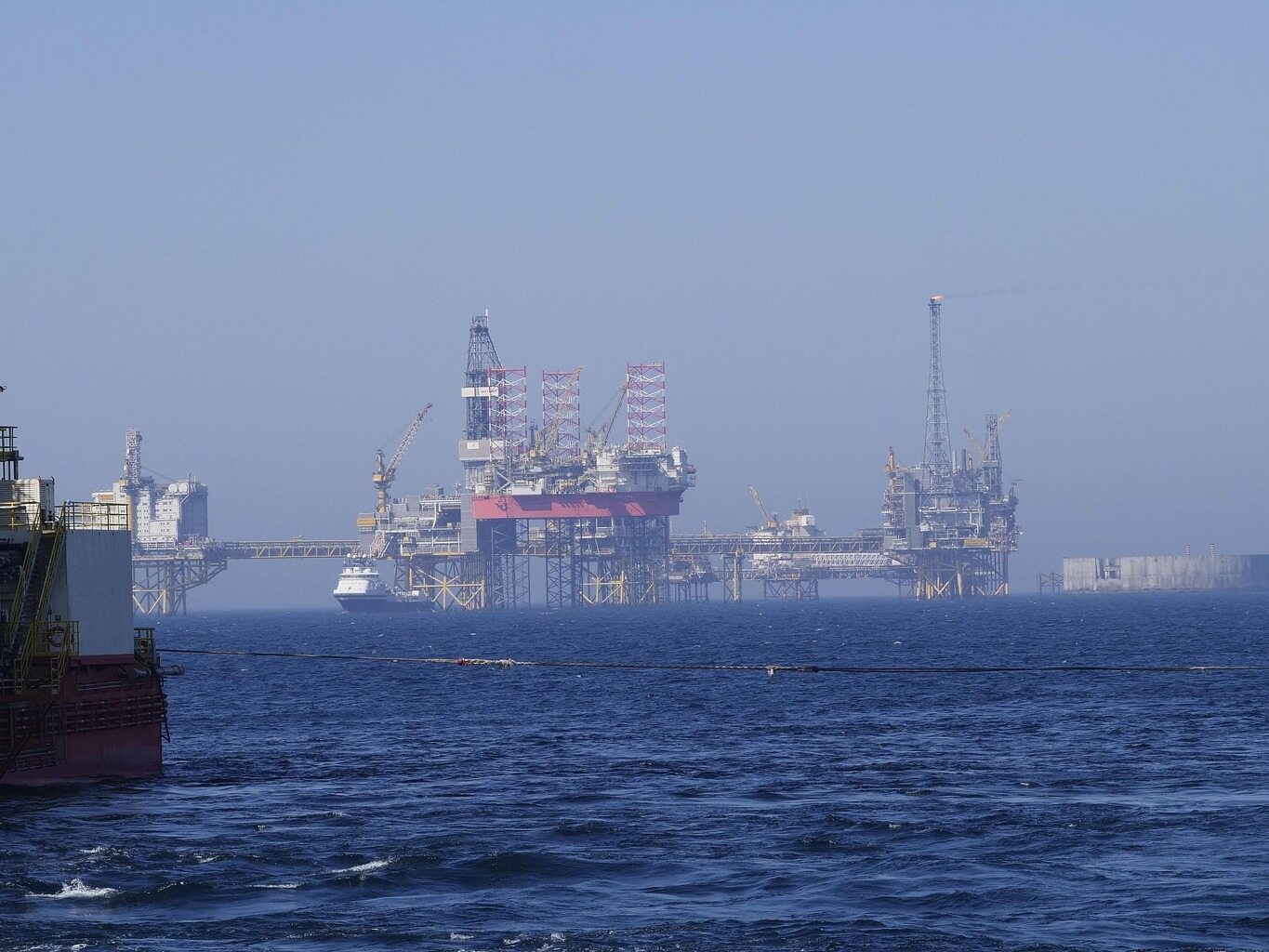
In the past decade, the global offshore industry has never stood on the threshold of recovery as clearly as it does today. In the first quarter of 2026, the contracted amount of the offshore engineering market reached 17.167 billion yuan, a year-on-year increase of 381.81%, and the number of orders in hand climbed to 73.8 billion yuan, both breaking historical records. According to Rystad Energy data, global investment in offshore oil and gas exploration and development has reached approximately $217.5 billion by 2025. With the expansion of production in the Middle East, deepwater development in Brazil, and collective efforts in offshore wind power in Europe, the offshore market is returning to a growth track.
Behind Qatar's $4 billion big deal
The recent orders obtained by CNOOC Engineering are almost all directed towards national level energy strategic projects. The total amount of the NFPS COMP5 project in the northern gas field of Qatar is about 4 billion US dollars. CNOOC Engineering and Saipem from Italy jointly won the bid, undertaking a construction workload of about 800 million US dollars. This project is the core project to increase Qatar's annual LNG production capacity from 77 million tons to 126 million tons, and the offshore compression platform directly determines the stable production capacity of the gas field in the later stage.
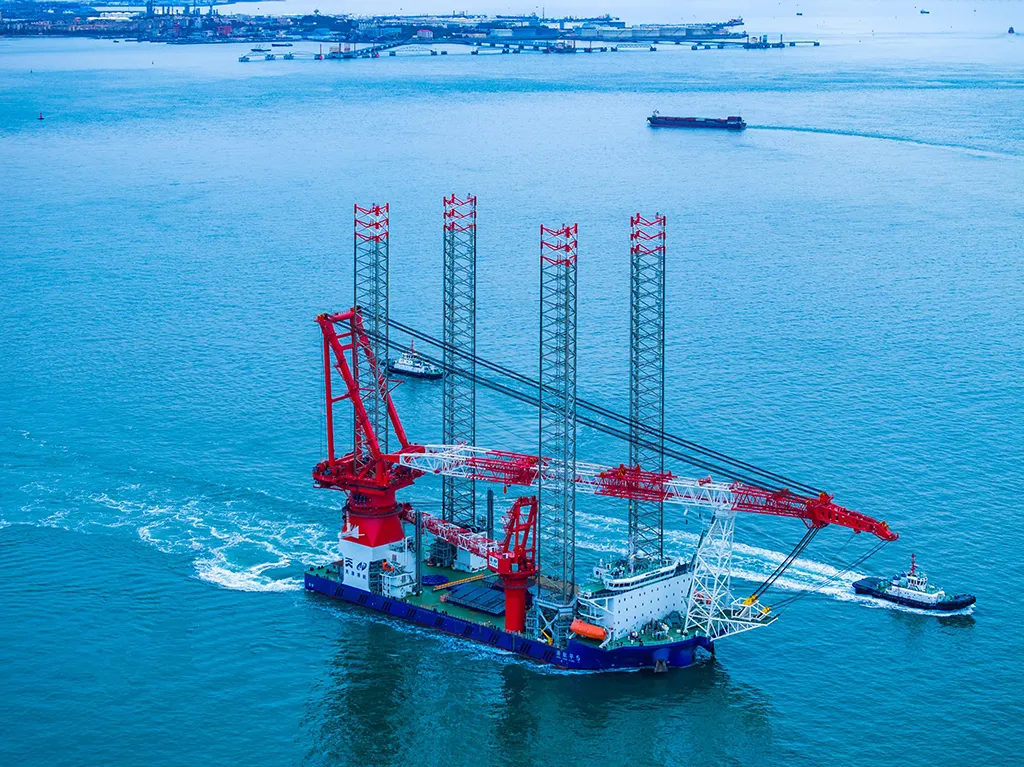
In addition, CNOOC Engineering also won the bid for the Qatar BH project as the general contractor (about 4 billion US dollars), breaking the record for international offshore oil and gas engineering contract amount for Chinese enterprises, and won the EPCI general contracting of Thailand PTTEP Phase IV (about 800 million US dollars, with a construction period until 2029). From steel structure construction to deepwater EPCI general contracting, China National Offshore Engineering Corporation has penetrated into the most core links of the industrial chain.
Capacity gap becomes the largest variable
During the period of high oil prices in 2014, the global offshore industry was booming, with companies from South Korea, Singapore, Europe, and America aggressively expanding. Subsequently, the shale oil revolution in the United States disrupted the supply and demand landscape, and the industry fell into a cold winter after the sharp drop in oil prices - McDermott went bankrupt, Valaris restructured, and Jibao and Shengke were forced to merge. Clarksons data shows that global offshore orders plummeted from $215 billion in 2013 to $67.3 billion in 2021.
More deadly than the disappearance of orders is the talent gap: core teams such as deepwater welders and underwater engineers have suffered significant losses, and by 2026, nearly 50% of the global energy industry's workforce will be aged 45 and above. After 2023, the market will recover, but the number of teams and ships with the ability to fulfill contracts has decreased by more than half compared to ten years ago. High end marine engineering supports daily rental fees exceeding 80000 US dollars, and some ship types have been scheduled until 2030. Keywords: offshore oil engineering, petroleum
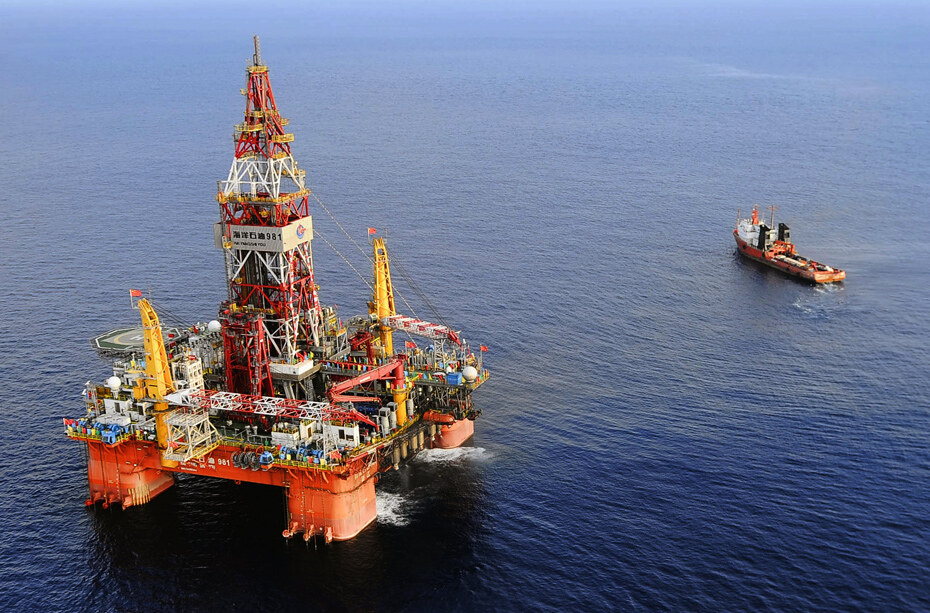
As global energy investment returns to the deep sea, the ocean is evolving from a resource space to an industrial space. By 2025, China's gross marine product will exceed 11 trillion yuan, and the 15th Five Year Plan will clearly implement deep-sea engineering. Behind the 73.8 billion yuan order in hand of CNOOC Engineering is a clear signal: the deep sea is no longer a distant unknown, but the main battlefield for future energy security and industrial competition. The true maritime strength of a country ultimately lies in its ability to build complex and stable engineering systems at what depths of the sea.Editor/Cheng Liting
Comment

 Praise
 Collect
 Comment

 Share
Share


Write something~