 Search


- Kazakhstan's Ministry of Energy announces plans to build 8 new power plants and upgrade 11 existing ones by 2030
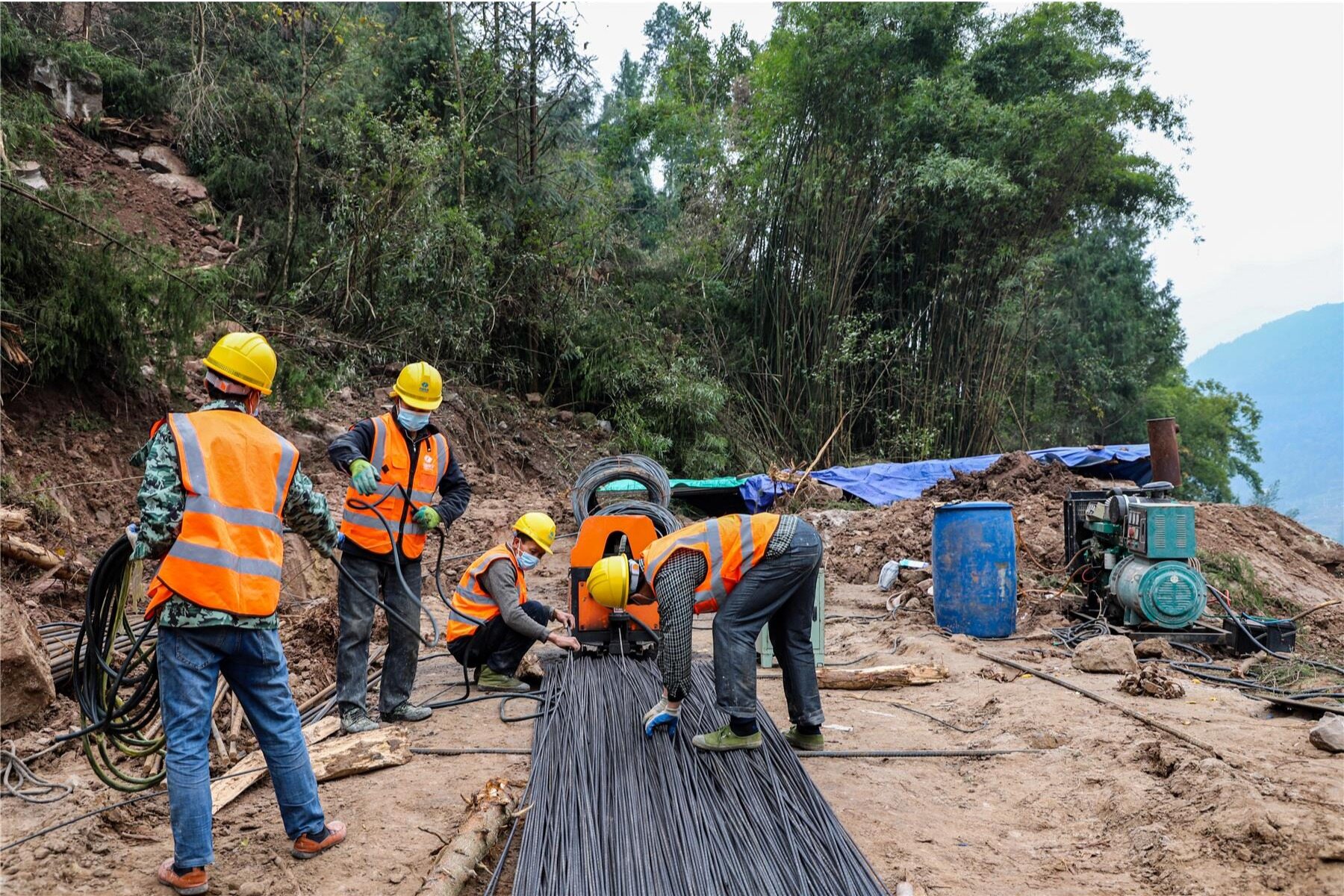
The first ray of sunshine in the morning has not yet fully illuminated the vast grasslands of Kazakhstan, but the construction site of a giant wind power plant located in the Pavlodar region is already busy. This is just a corner of the grand energy map of this Central Asian energy giant. Recently, the Ministry of Energy of Kazakhstan officially unveiled an ambitious national energy development blueprint, declaring that an era of large-scale construction focusing on basic energy infrastructure has arrived.
According to the plan, Kazakhstan's goal is firm and clear: by 2030, a total of 78 gigawatts of new and upgraded power generation capacity will be put into operation. The cornerstone of this grand project is the construction of 8 new power plants and the modernization of 11 existing power plants. The Ministry of Energy pointed out that the promotion of this series of projects is not only to light up more families, but also to build a solid foundation for the future development of the country.
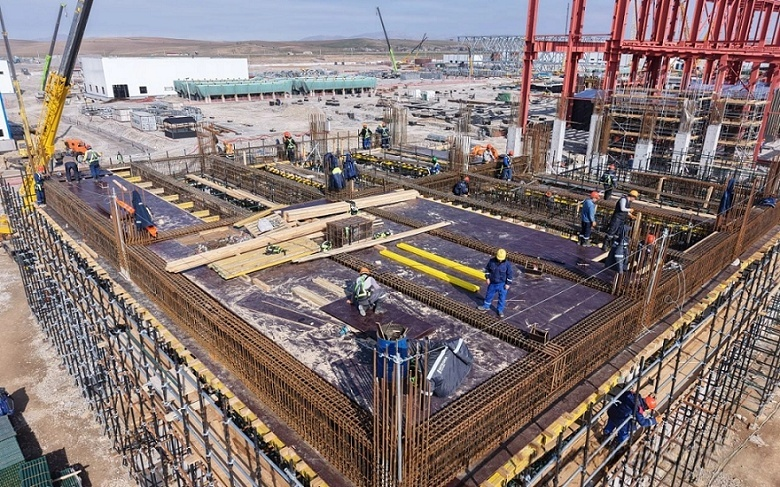
Eight new power stations light up new energy maps
In this detailed construction list, a series of key projects are particularly noteworthy. The total installed capacity of the new projects is as high as 5.3 gigawatts, and they will be precisely laid out in multiple strategic locations across the country like chess pieces.
Among them, the condensing power plant (KES) located in Kurchatov will contribute 700 megawatts of stable electricity; The Ekibastuz GRES-3 power plant will become the backbone with a strong output of 2640 megawatts; Karaganda and Ekibastuz will also add 350 MW and 180 MW of thermal power capacity respectively. In addition, new thermal power plants will be built in Rezkazgan (500 MW), Kokshetau (240 MW), Semey (360 MW), and Oskemen (360 MW). These power stations will collectively form a powerful power network covering key nodes in Kazakhstan.
New construction, renewal, and improvement
Kazakhstan's energy ambitions do not stop at new construction. The deep exploration and efficiency improvement of existing assets have been given significant importance. The Ministry of Energy has emphasized the modernization of 11 existing power plants. The direct result of this measure is expected to significantly reduce the average wear and tear of existing power generation equipment by 13%, thereby significantly improving the reliability and economy of the entire power system.
The implementation of national energy projects is by no means a simple expansion of scale, "the Ministry of Energy explained in its statement," it will create a solid and reliable energy foundation for further industrial growth, the flourishing development of the digital economy, and the introduction of cutting-edge technologies such as artificial intelligence. "This means that stable power supply will become the" blood "of Kazakhstan's economic transformation and technological innovation.
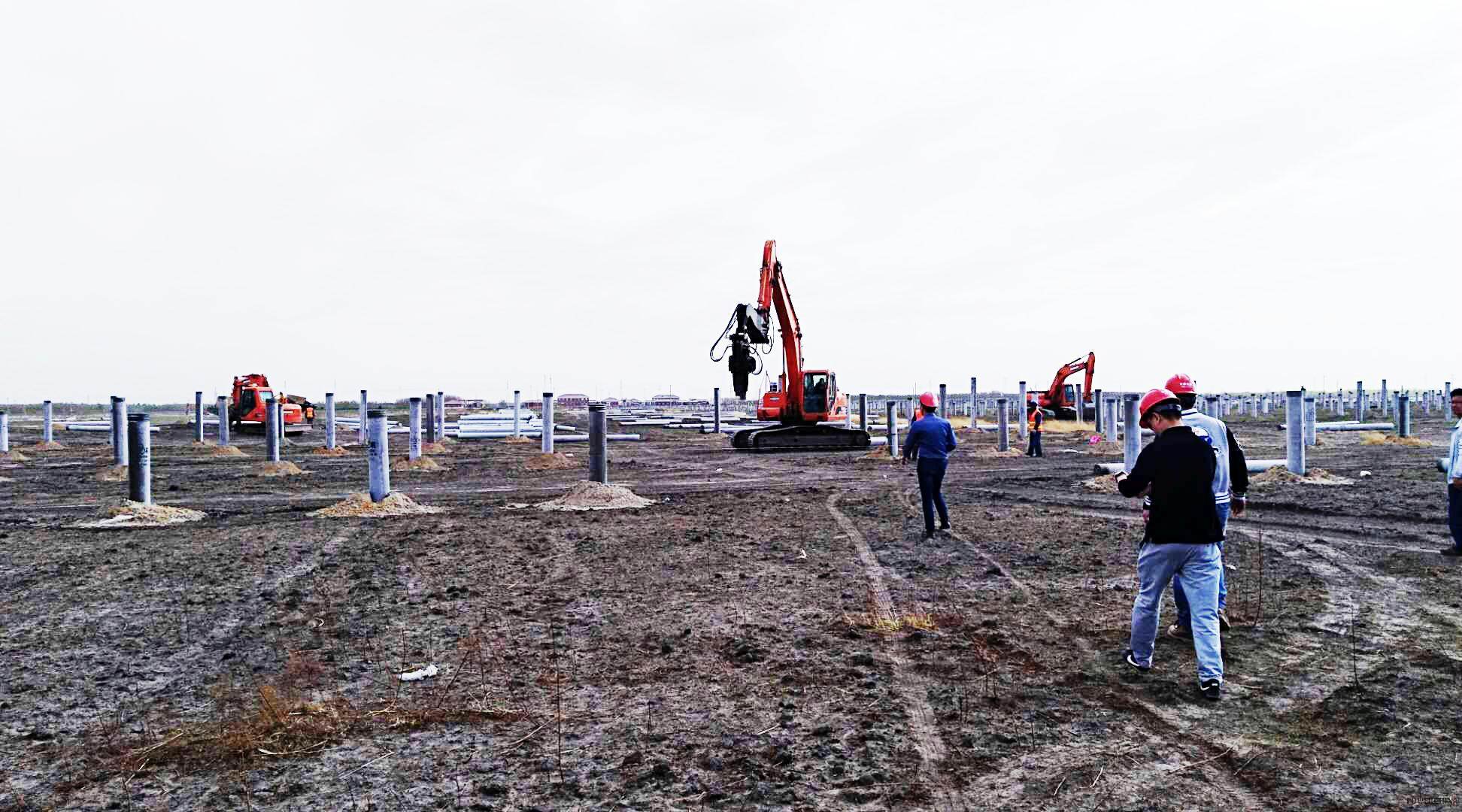
New opportunities for cooperation between China and Kazakhstan
Under the global trend of pursuing diversified energy structure, Kazakhstan has a clear positioning for its abundant coal resources. The Ministry of Energy has clearly stated that while actively promoting technological modernization and ensuring compliance with strict environmental standards, coal-fired power generation will continue to play a "key role" in ensuring national energy security and maintaining long-term stability of the power system.
This massive energy construction plan undoubtedly brings new cooperation opportunities for international partners, especially China. In recent years, the energy cooperation between China and Kazakhstan under the the Belt and Road framework has become increasingly close, with fruitful results from oil and gas pipelines to renewable energy projects. Kazakhstan's large-scale upgrade of energy infrastructure this time provides vast space for Chinese related enterprises in terms of construction needs, technological cooperation, and equipment market. As demonstrated by the 1 GW large-scale wind power project currently underway in the Pavlodar region, the clean energy sector has become a new highlight of cooperation between both parties. The "super energy engine" that Kazakhstan is fully committed to building is expected to complement China's financial, technological, and equipment advantages, injecting new impetus into regional energy security and sustainable development, and continuing a new chapter of cooperation on the "Energy Silk Road" between China and Kazakhstan.Editor/Yang Meiling
Comment



 Praise
 Collect
 Comment

 Share
Share


Write something~