 Search


- The natural gas corridor connecting Turkmenistan and South Asia is accelerating its formation
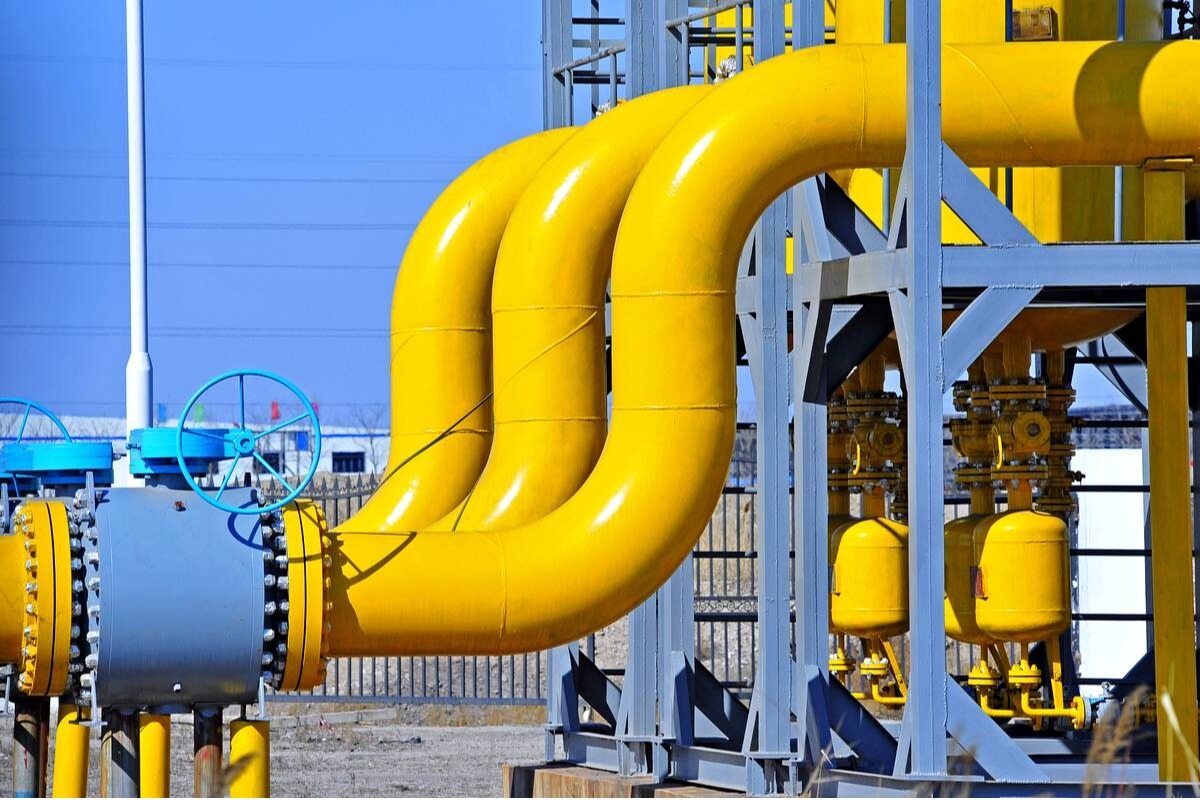
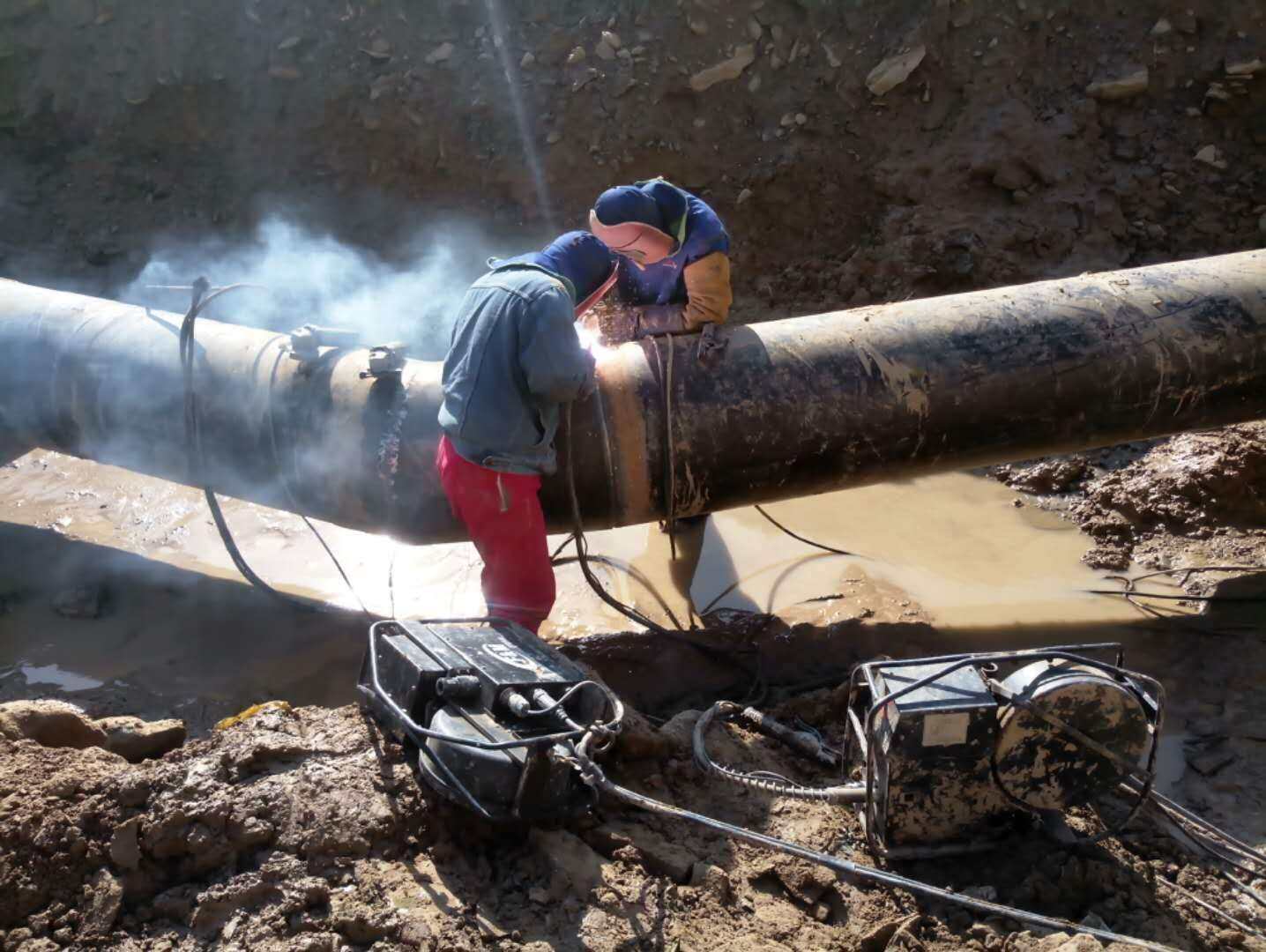
On the outskirts of Herat in the early morning, bulldozers rolled over dry yellow soil, and welding flames flickered in the wind and sand. Ten years ago, there was no mechanical roar here, only shepherds driving their flocks through the wilderness. Now, a steel dragon with a diameter of over 1 meter is slowly extending southward along the traces of the ancient Silk Road from the border of Turkmenistan - this is the fate changing ATAPI natural gas pipeline.

The total length of the Shelhetabad to Herat section in Afghanistan is about 170 kilometers, and the overall progress has reached 52%. Among them, 80 kilometers of pipeline laying has been completed, 36.3 kilometers of underground pipeline installation, 126 kilometers of pipeline corridors have been delineated, 108 kilometers of supporting construction and inspection roads have been built, and 72.3 kilometers of pipe materials have been delivered to the site for laying.
As a regional flagship project led by Turkmenistan, the ATAPI pipeline runs through Turkmenistan, Afghanistan, Pakistan, and India, with a designed annual gas transmission capacity of 33 billion cubic meters. After the completion of the project, it will transport the abundant natural gas from Central Asia to densely populated areas in South Asia, alleviate the energy shortage pressure in Pakistan and India, and provide stable transit income for Afghanistan.
During peak construction periods, thousands of local jobs can be created for Afghanistan, covering areas such as welding, transportation, and security. In addition to economic benefits, pressure stations and monitoring facilities will be built along the pipeline to promote the upgrading of local infrastructure. Despite the complex security situation, the project is still regarded as a new pivot for regional peace and development.Editor/Yang Meiling
Comment





 Praise
 Collect
 Comment

 Share
Share


Write something~