 Search


- This strategy will promote the bidirectional matching of computing power and electricity
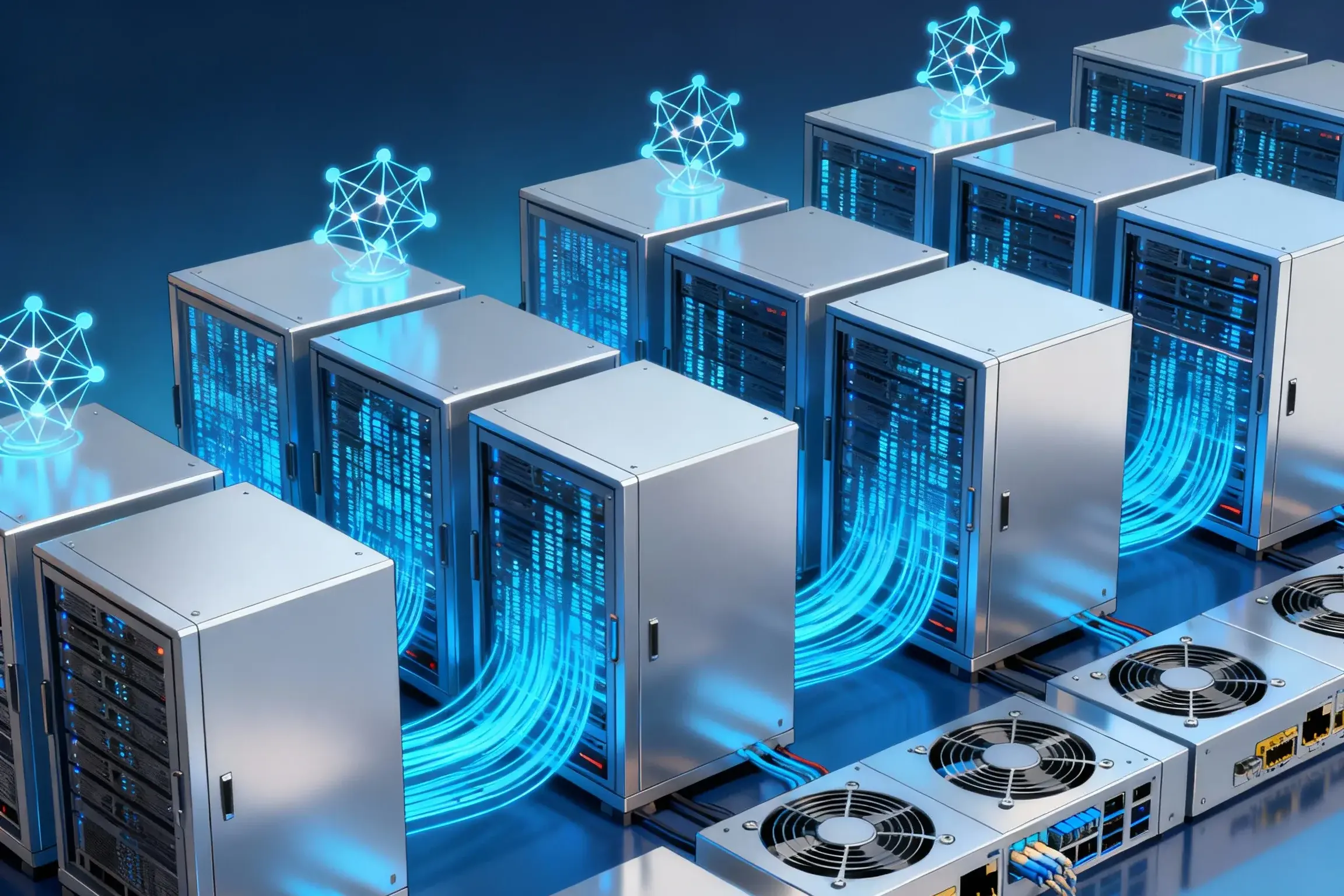
In March 2026, during the reading of the government work report at the Great Hall of the People in Beijing, an unfamiliar term first entered the public eye - computer and electronic collaboration. Behind the daily convenience of millisecond level recommendations when scrolling through videos and real-time deduction in navigation software, a profound reconstruction of bits and watts has quietly risen to become a national strategy.

The end of computing power points to power disruption
Wang Zhigang, a member of the National Committee of the Chinese People's Political Consultative Conference, pointed out that computing power has become a fundamental resource after hydropower and gas. However, training large models consumes extremely high power, and energy supply has become the biggest bottleneck. Fund manager Yin Hao hit the nail on the head: The end of computing power is electricity. The core of computing power collaboration is bidirectional intelligent matching - low-priced green electricity supports AI training to reduce costs, and the computing power center itself also transforms into an adjustable load, performing non emergency tasks such as load operation data backup during late night electricity price troughs, filling in power grid troughs and absorbing new energy from wind and solar power.
Space time matching transcends complementary things
The 2022 East West Calculation Project has solved the spatial mismatch and relocated the demand from the east to the green power enrichment area in the west. And the collaboration of computing and electronics is regarded by Yin Hao as an upgraded version, with the key being the addition of time dimension matching. This means that the intelligent computing center can act like a reservoir, moderately reducing power during the noon when photovoltaic power is abundant, and then rushing to calculate when there is excess wind power at noon and night, truly achieving the dual goals of peak shaving and valley filling and on-site digestion of green power. Keywords: Infrastructure Engineering News Network, New Infrastructure, Green Development
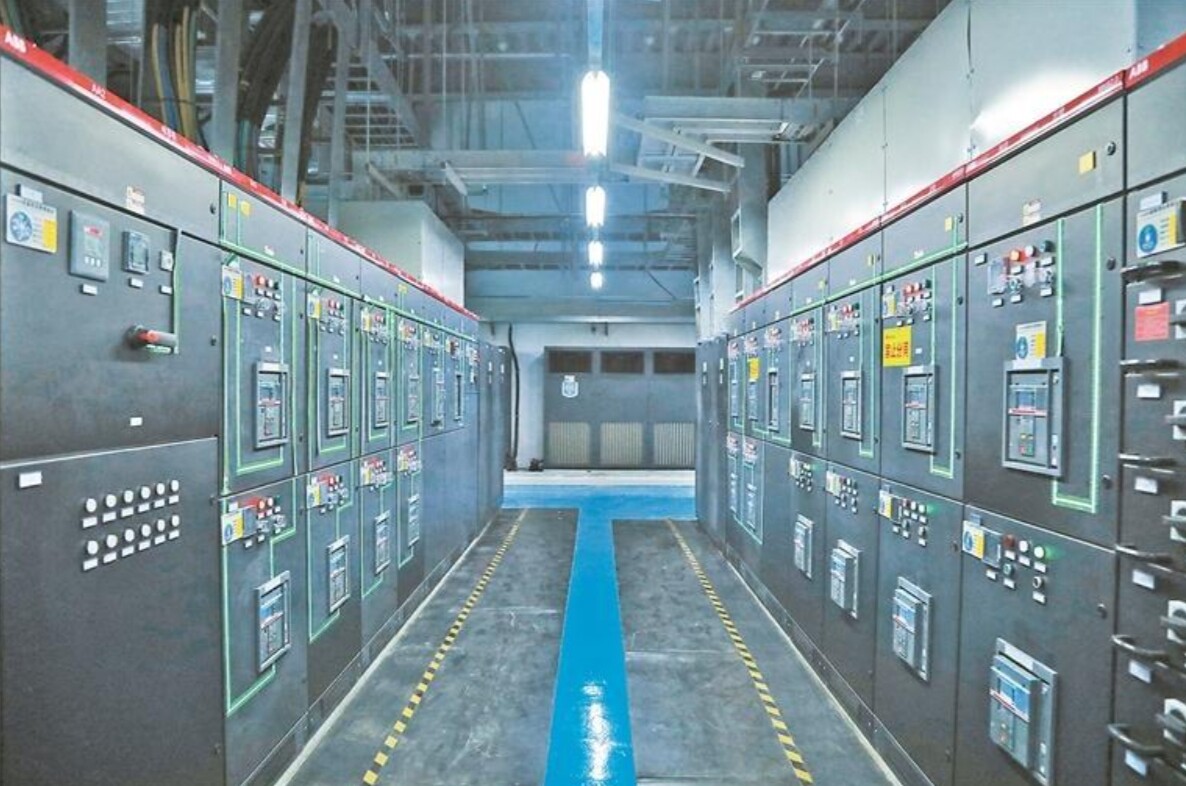
National Weaving Network Plan Unified Market
Dean Bai Chong'en of Tsinghua University compared it to the era of electricity: no factory would build its own power plant, and small and medium-sized enterprises should not fall into the quagmire of self-developed computing power. The future vision is for large cloud merchants to build a super large scale public computing power base, while application end enterprises will lightly equip and deeply cultivate vertical algorithms. From Beijing to Zhanjiang, Guangdong, various regions are accelerating the layout of intelligent computing infrastructure, striving to break down administrative barriers and make computing power available on a national network like water and electricity, completely reshaping the underlying logic of digital China.Editor/Gao Xue
Comment


 Praise
 Collect
 Comment

 Share
Share


Write something~