 Search


- Report on the achievements of eight years of construction, outlining the future roadmap for aviation cooperation

When Luxembourg Cargo Airlines' flights flew across the night sky and domestic planes took off and landed between Indonesian islands, the eight year weaving of the Air Silk Road quietly changed the global aviation landscape.

Route network weaving new latitude and longitude
As of the end of 2024, China's passenger flights have connected 61 co built countries, and its cargo tentacles have extended to 33 countries. Over the course of eight years, it has transported a total of 180 million passengers and 5.23 million tons of cargo and mail. By 2024, the freight volume will soar to more than double pre pandemic levels. This corridor is moving from point-to-point direct flights to network coverage, leveraging cross-border e-commerce and high-end manufacturing to soar into the sky.
Domestic Civil Aircraft Enters Southeast Asia for the First Time
The C909 regional aircraft has safely flown for over 8100 hours in Indonesia and will be delivered to Laos Airlines in March 2025, achieving a zero breakthrough for Chinese jet aircraft in the Laotian market. More importantly, cross-border RMB settlement is being used for aircraft transactions for the first time, and the bundled solution of technical output and maintenance training is paving the way for mutual recognition of airworthiness standards. Keywords: the Belt and Road News Network, Air Silk Road
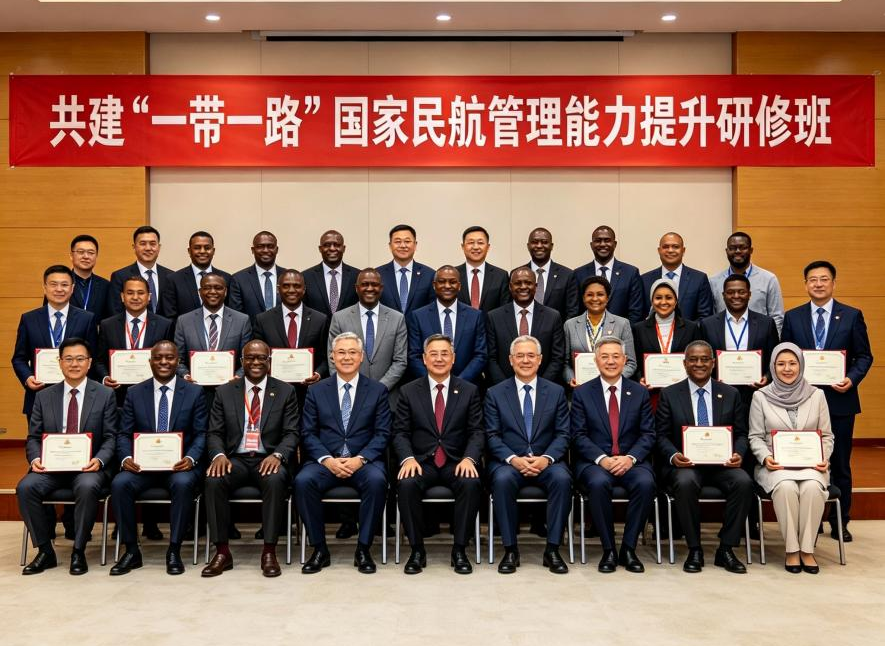
New driving force for the transformation of aviation economy
Nearly a hundred aviation economic zones have emerged nationwide, with Zhengzhou Airport's GDP jumping to 137.5 billion yuan and Chongqing Demonstration Zone's intelligent manufacturing output exceeding 220 billion yuan. Airports are no longer just stations, but magnets that attract the pharmaceutical and electronics industry chains. The report also warns that it is necessary to guard against the hollowing out of industries in some parks, and truly allow traffic to settle into retention.Editor/Gao Xue
Comment






 Praise
 Collect
 Comment

 Share
Share


Write something~