 Search


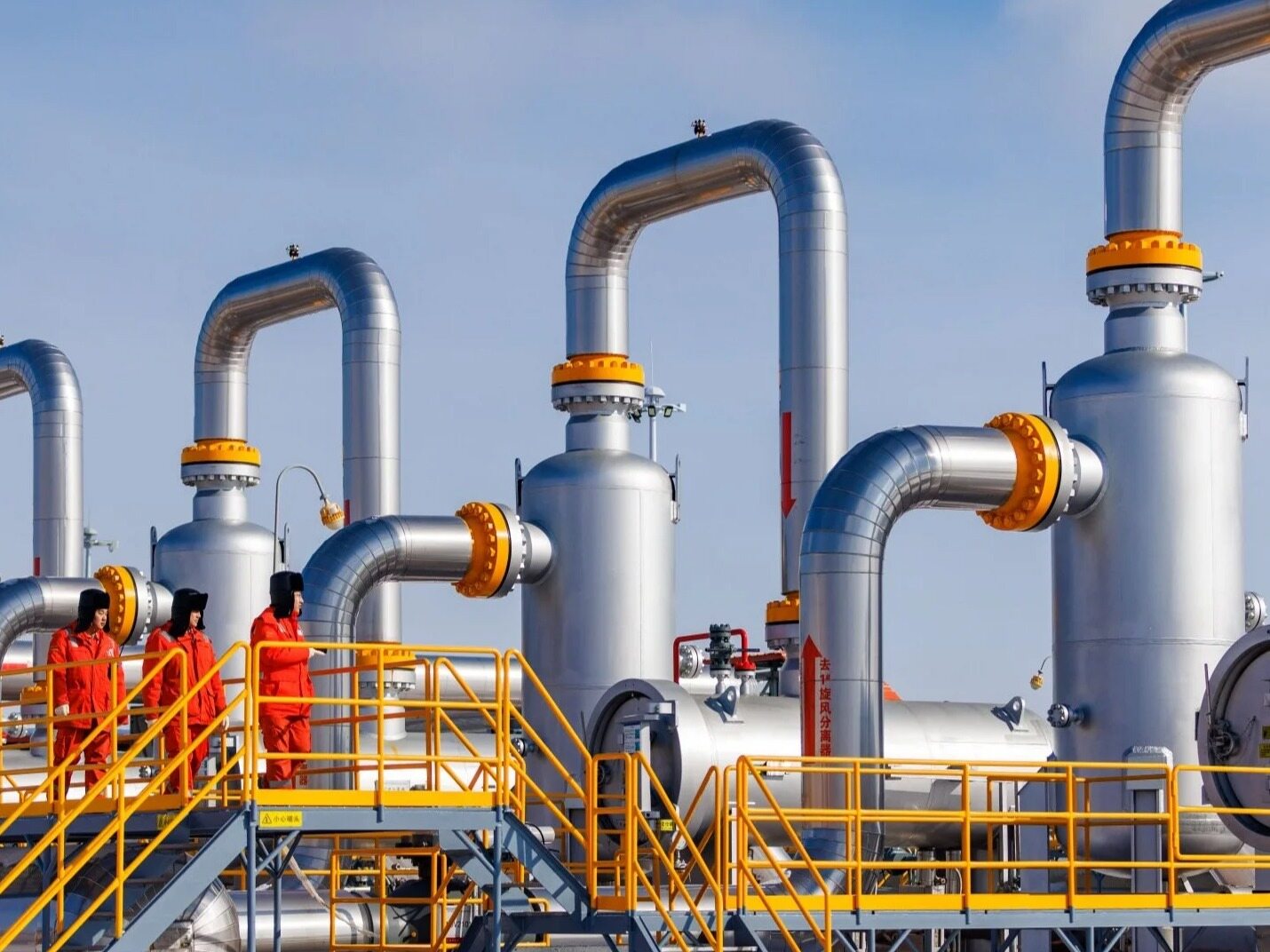
- China Ukraine energy giant Tashkent secret trade injects adrenaline into joint venture pipeline operation for 18 years
In Tashkent in April, the warmth gradually intensifies. In the conference room of Uzbekneftegaz headquarters, a meeting about the future of the Central Asian energy "artery" is stirring people's hearts. On one side of the long conference table sat Abdulgany Sanginov, the "helmsman" of Uzbekneftegaz; On the other side, there is Zhong Fan, the chairman of Tapline, a leading Chinese natural gas transportation infrastructure company. These two heavyweight figures in the energy industry are diagnosing and planning the next steps for a cross-border gas transmission corridor that has been in operation for 18 years.
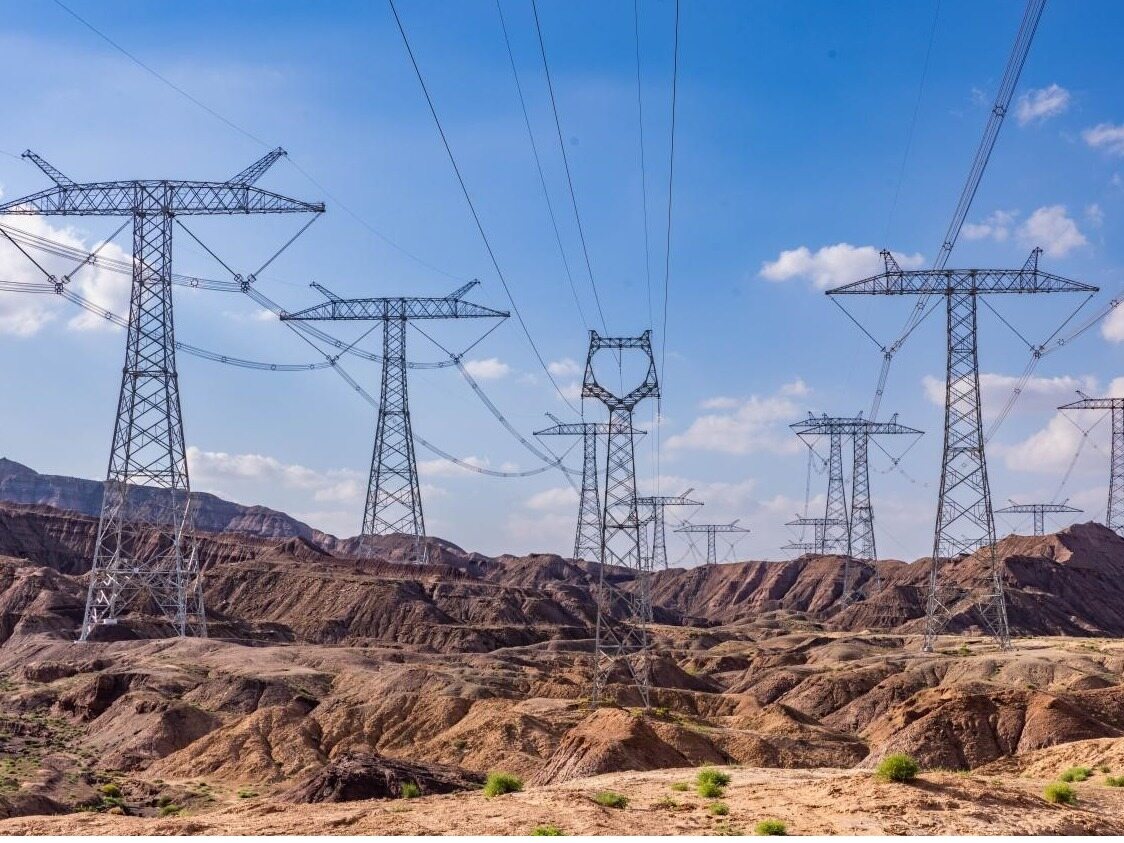
This corridor is the three main natural gas pipelines that pass through Uzbekistan. They are like the "Energy Silk Road" in the hinterland of Central Asia, continuously transporting natural gas from countries such as Turkmenistan to China, and ultimately flowing into the West East Gas Pipeline Network, lighting up the lights of thousands of households in eastern China. And what sustains the operation of this corridor is the "crystallization" jointly nurtured by both parties in 2008- the joint venture "Asia Gas Pipeline" company.
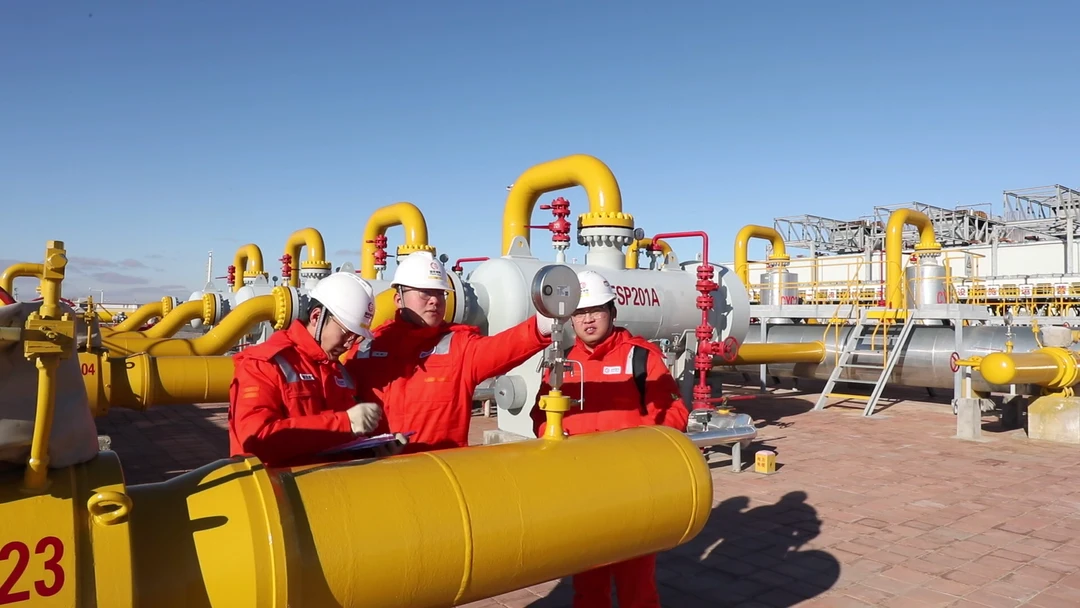
The business operation of the joint venture old store in 2018
The core of the talks will first focus on the operational review of this "18-year-old joint venture old store". Since its establishment in 2008, this joint venture has been responsible for the design, construction, and operation of three main pipelines, making it a true "pipeline steward".
We have noticed a steady and positive momentum in our interaction, and the joint project has achieved tangible results, "Sanginov admitted during the meeting. For the Ukrainian side, this pipeline is not only a transit channel, but also an important source of foreign exchange revenue and energy security guarantee; For China, it is a crucial link in the China Central Asia natural gas pipeline system, which is related to the stability of domestic gas sources. Both parties believe that the cooperation model based on equal shareholding (50% each) has withstood the dual tests of geography and market, and is the "ballast stone" for bilateral energy cooperation.
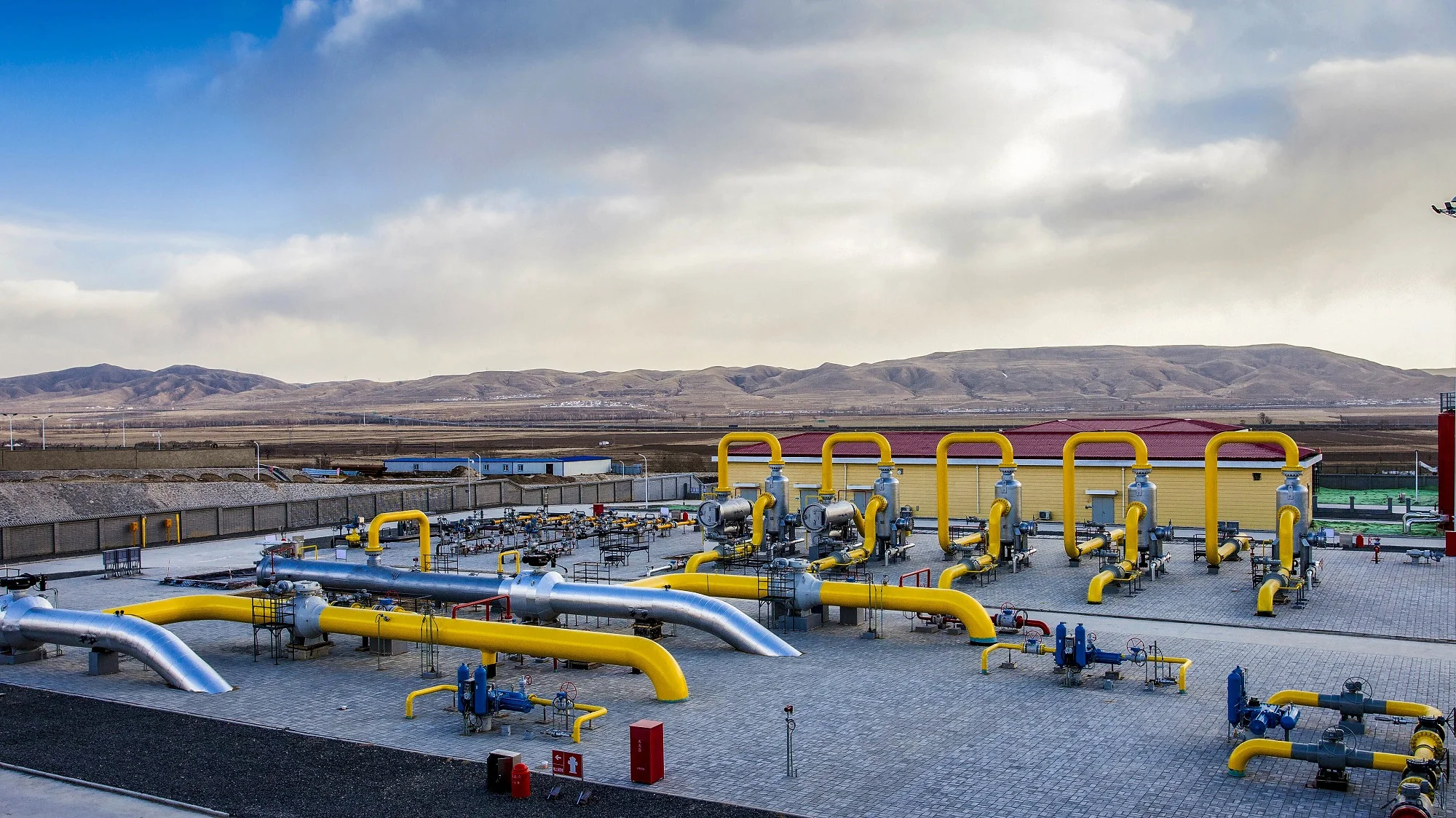
The Energy Silk Road Behind Data
This invisible 'Energy Silk Road' carries an astonishing amount of traffic. According to publicly available data, the transit section of the China Central Asia natural gas pipeline A, B, and C within Uzbekistan alone has a designed annual gas transmission capacity of tens of billions of cubic meters. If the perspective is extended to the entire pipeline with a total length of about 1833 kilometers, its cumulative gas transmission volume has exceeded 500 billion cubic meters.
This is equivalent to replacing hundreds of millions of tons of standard coal, which not only alleviates the anxiety of "gas shortage" in North and East China, but also brings sustained transit income and technology spillover effects to Uzbekistan. Both sides focused on the stability and reliability of these three pipelines this time. Zhong Fan emphasized, "Ensuring the unobstructed flow of this energy channel is a common strategic interest of both sides
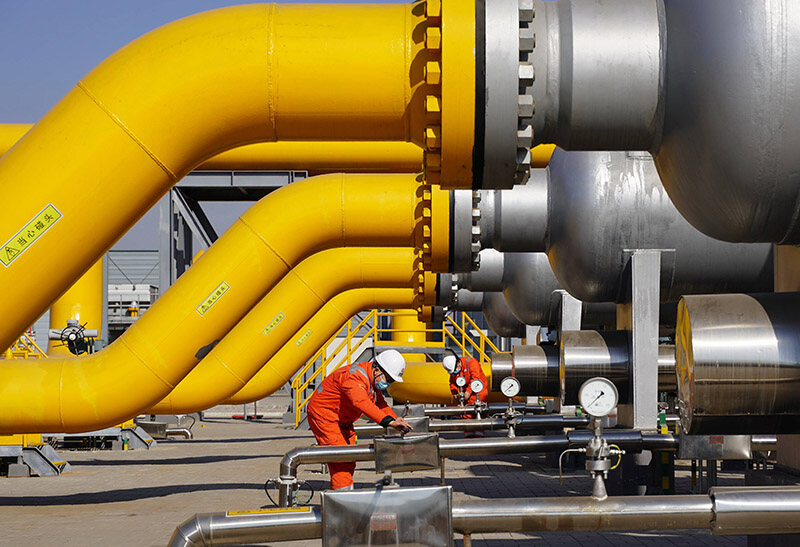
The future is not just about transit
In addition to reviewing the past, this meeting focused more on "expansion" and "upgrading". As Uzbekistan advances its "New Uzbekistan" development strategy and China's demand for clean energy continues to grow, the existing pipeline network is facing new carrying pressures.
Both parties discussed how to promote the integration of new gas sources and the intelligent upgrade of pipeline networks within the existing framework. This is not groundless. As early as February this year, when Sanginov visited China, the Ukrainian side discussed with the senior management of China National Petroleum Corporation the plan to carry out 6500 square kilometers of 3D seismic exploration and drilling operations in 2026. The docking between Tapline and Uzbekneftegaz this time is to translate the strategic consensus at the group level into specific pipeline operation plans, foreshadowing possible new pipeline construction or existing pipeline network boosting transformation in the future.
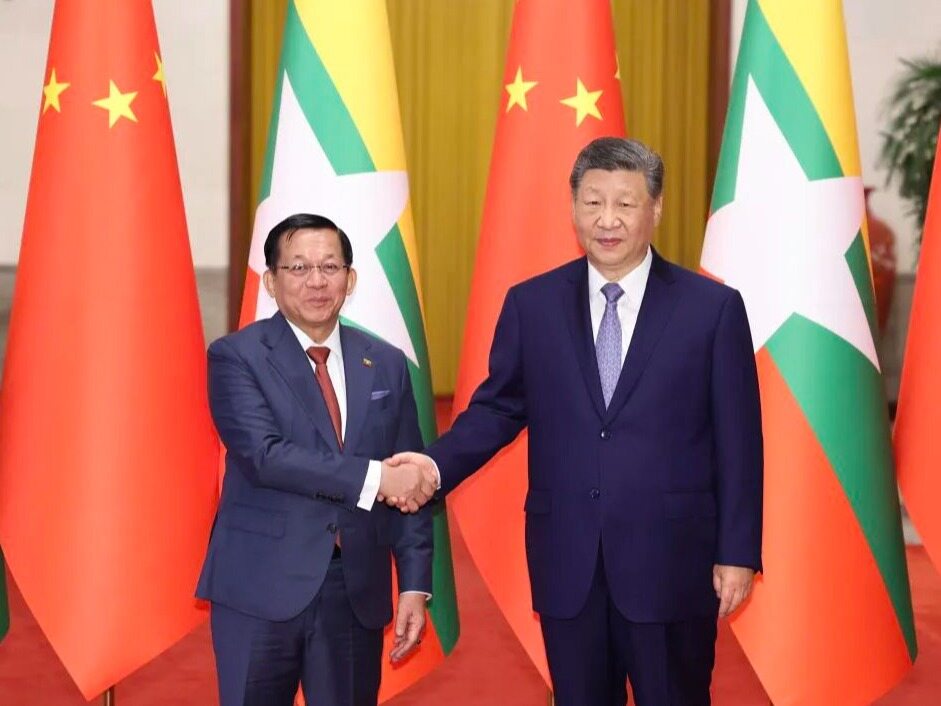
At the end of the meeting, Sanginov and Zhong Fan clenched their hands again. Behind them is a steel dragon that has been safely operating for 18 years; In front of them are new opportunities brought about by energy transformation. As Zhong Fan said, this pipeline is not only an energy link between China and Ukraine, but also a model of regional energy interconnection. On the road of jointly building energy cooperation along the the Belt and Road, China and Uzbekistan, the old partners, are trying to transform the "transit dividend" into a longer term "development dividend".Editor/Yang Meiling
Comment



 Praise
 Collect
 Comment

 Share
Share


Write something~