 Search


- By implementing measures such as photovoltaic power generation and intelligent management, we aim to achieve energy self-sufficiency
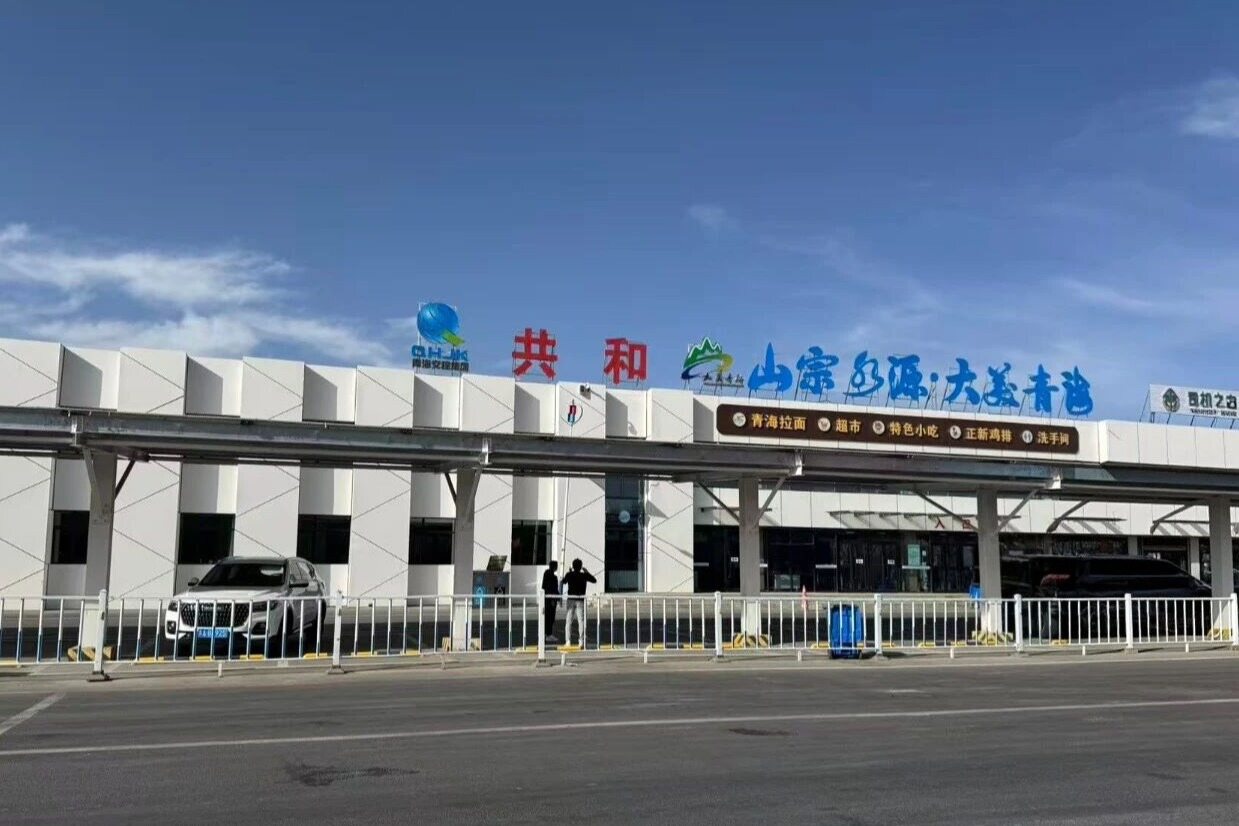
In the early morning, as the first ray of sunlight swept over the Qinghai Tibet Plateau and shone on the roof of the G6 Beijing Tibet Expressway Gonghe Service Area, rows of photovoltaic panels quietly began to work. This is no longer just a post station that provides refueling and rest in the traditional sense, but a "zero carbon" energy micro hub that can "generate its own electricity" and carefully calculate its energy consumption. As the first zero carbon service area demonstration project in Qinghai Province, after nearly a year of practice, it has delivered an impressive answer by closely integrating ecological benefits with operational benefits.
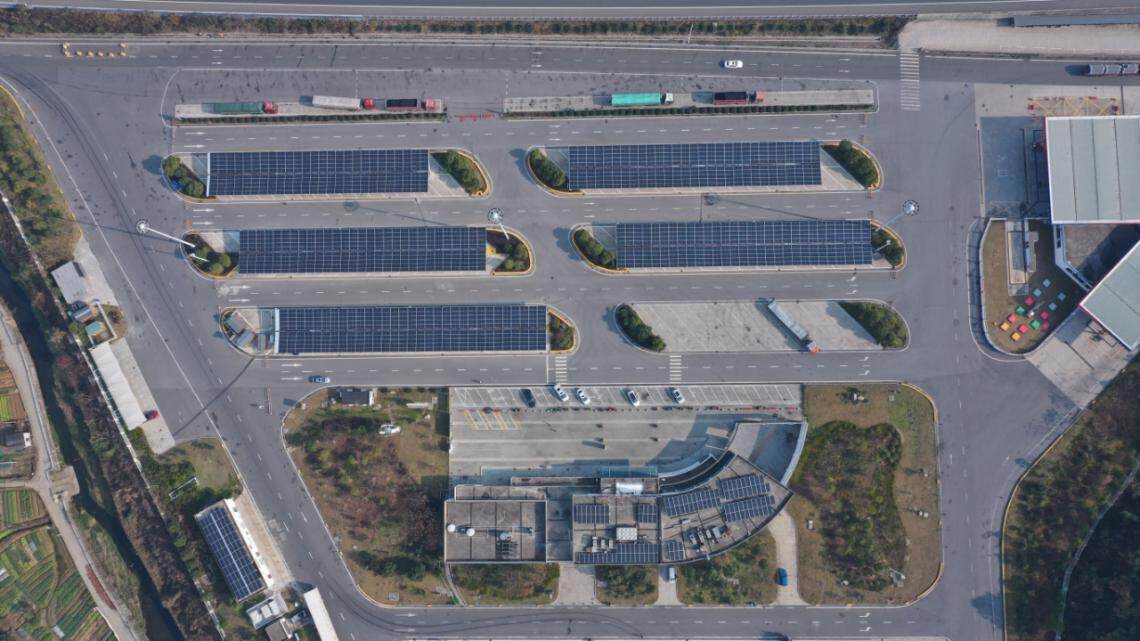
Green energy self-produced and self sold
The core of the zero carbon practice in the Republic Service Area lies in building a diverse and intelligent green energy system. The project system has promoted the energy-saving renovation of buildings, the full coverage of distributed photovoltaics, and the construction of intelligent management systems. As of operational statistics, the cumulative power generation of the photovoltaic system in the service area has exceeded 510000 kilowatt hours. Among these green electricity sources, about 164700 kilowatt hours are absorbed by the service area itself for daily operations, which is equivalent to saving the same amount of commercial electricity and directly reducing energy costs; The remaining approximately 285600 kilowatt hours will be 'fed back' to the power grid, achieving 'surplus electricity connected to the grid'. In addition, the supporting energy storage system has stored over 45000 kilowatt hours of electricity, like a "green power bank", providing stable power supply to the service area at night or on rainy or snowy days, effectively solving the problem of intermittent renewable energy.
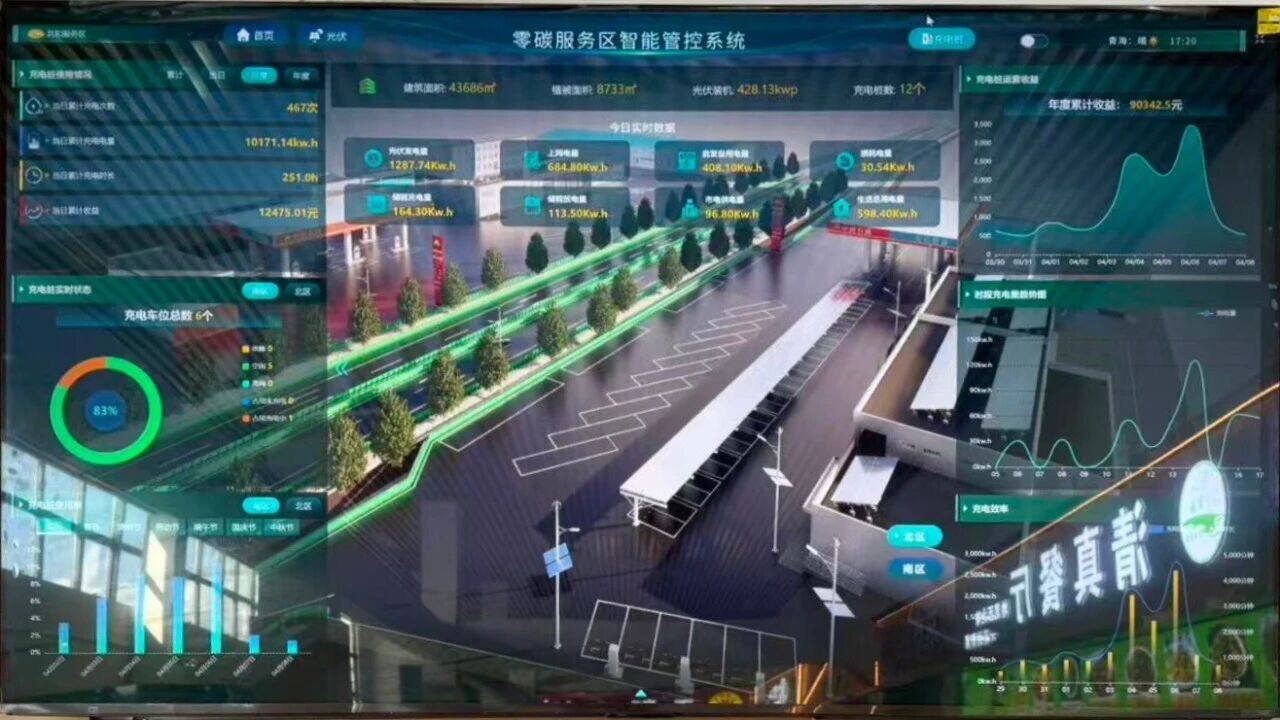
Smart system meticulously calculates expenses
To achieve zero carbon, it is not only necessary to "open source", but also to "cut costs". In April 2025, the intelligent control system for zero carbon service areas will be officially launched, becoming the "smart brain" of the entire project. The system is capable of real-time monitoring, precise regulation, and dynamic optimization of all energy consumption within the service area, minimizing waste to the greatest extent possible. At the same time, the service area has comprehensively implemented comprehensive energy-saving measures such as LED lighting replacement, air conditioning operation strategy optimization, and popularization of water-saving appliances, further reducing operating costs from the details. In response to the challenges of weak winter light and frequent snow in Qinghai, the project team regularly adjusted the angle of the photovoltaic panels, timely cleared the snow, and supplemented it with a wind solar complementary lighting system to ensure stable energy supply throughout the year, truly achieving a win-win situation of energy conservation, emission reduction, cost reduction, and efficiency improvement.
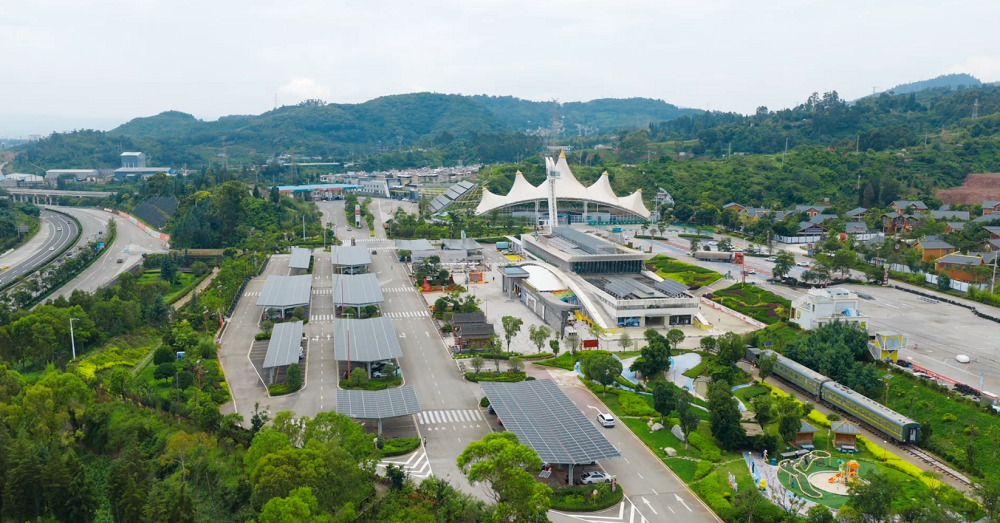
Replicable Qinghai experience
The success of the Republic Service Area lies not only in technological integration, but also in the formation of a management model that can operate for a long time and be promoted and replicated. During the project construction process, we successfully overcame the integration and application challenges of photovoltaic power generation, wind solar complementarity, energy storage, and energy-saving building technologies in high-altitude regions. More importantly, it has simultaneously established a comprehensive zero carbon operation management system and built a closed-loop management mechanism with full participation and layered implementation of responsibilities. Through the intelligent operation and maintenance platform and regular skill training, the efficiency and response speed of operation and maintenance have been significantly improved. This has accumulated valuable experience and laid a solid foundation for the promotion and application of the zero carbon model in more similar scenarios in Qinghai and even in China, especially in the infrastructure construction projects related to the "the Belt and Road". It proves that in ecologically fragile key areas, economic development and environmental protection can go hand in hand.Editor/Yang Meiling
Comment


 Praise
 Collect
 Comment

 Share
Share


Write something~