 Search


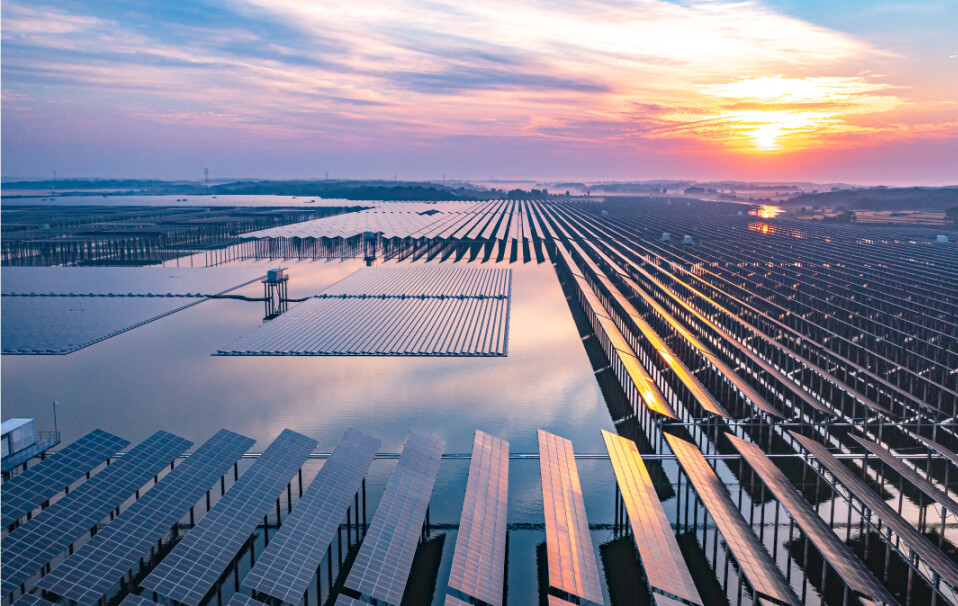
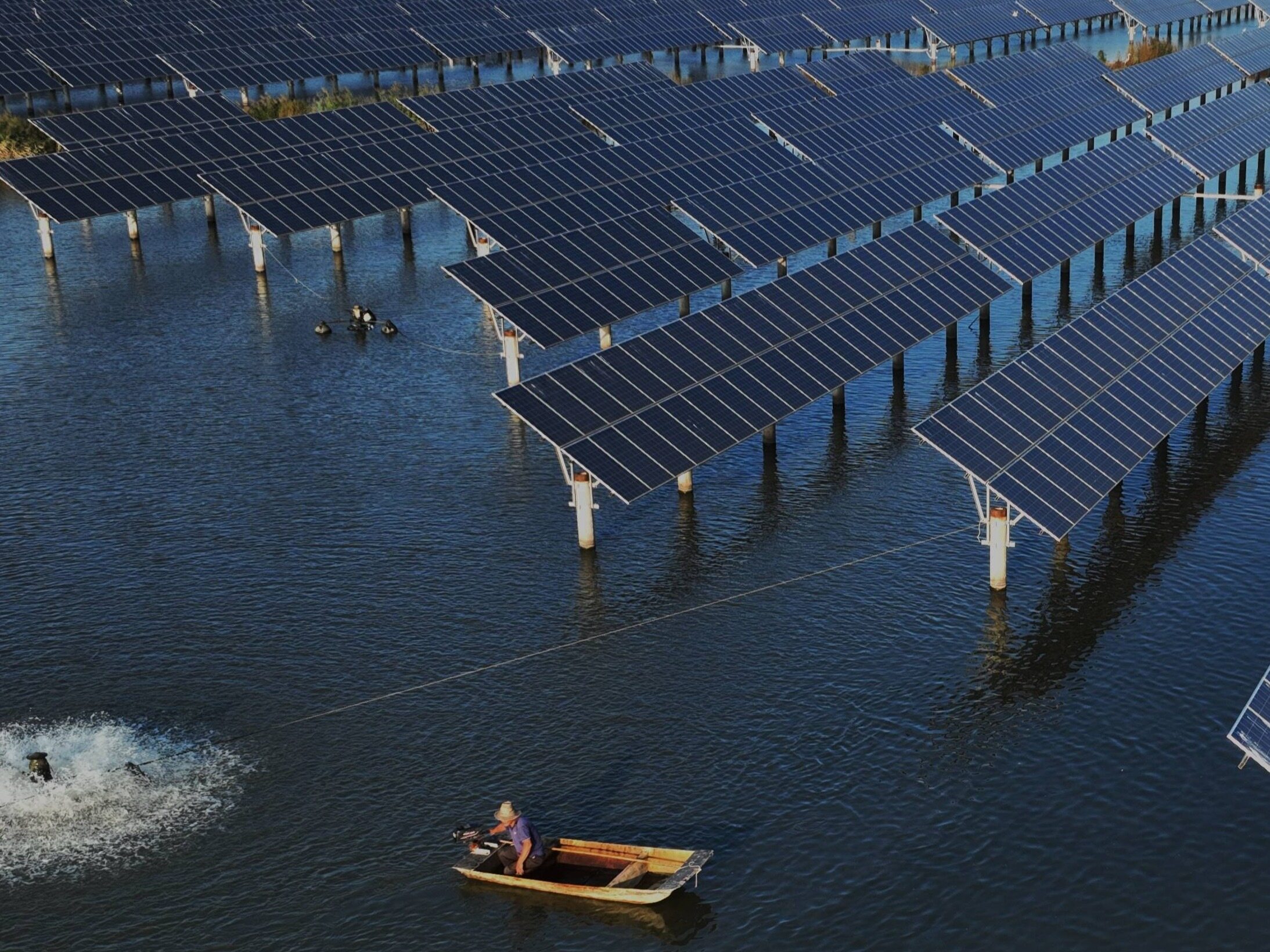
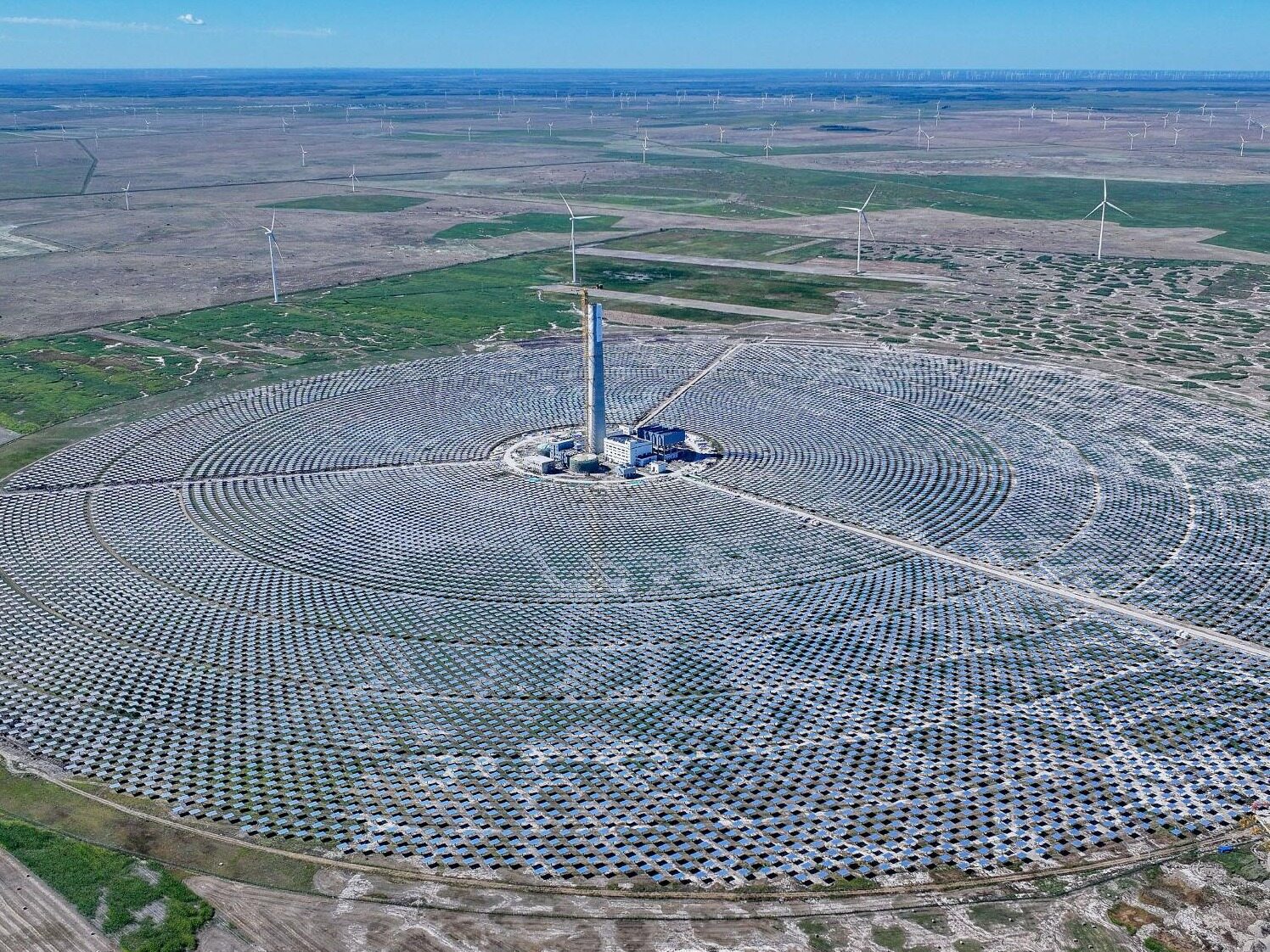
- On the sea surface of Lianyungang, Jiangsu, rows of photovoltaic panels spread out like blue waves
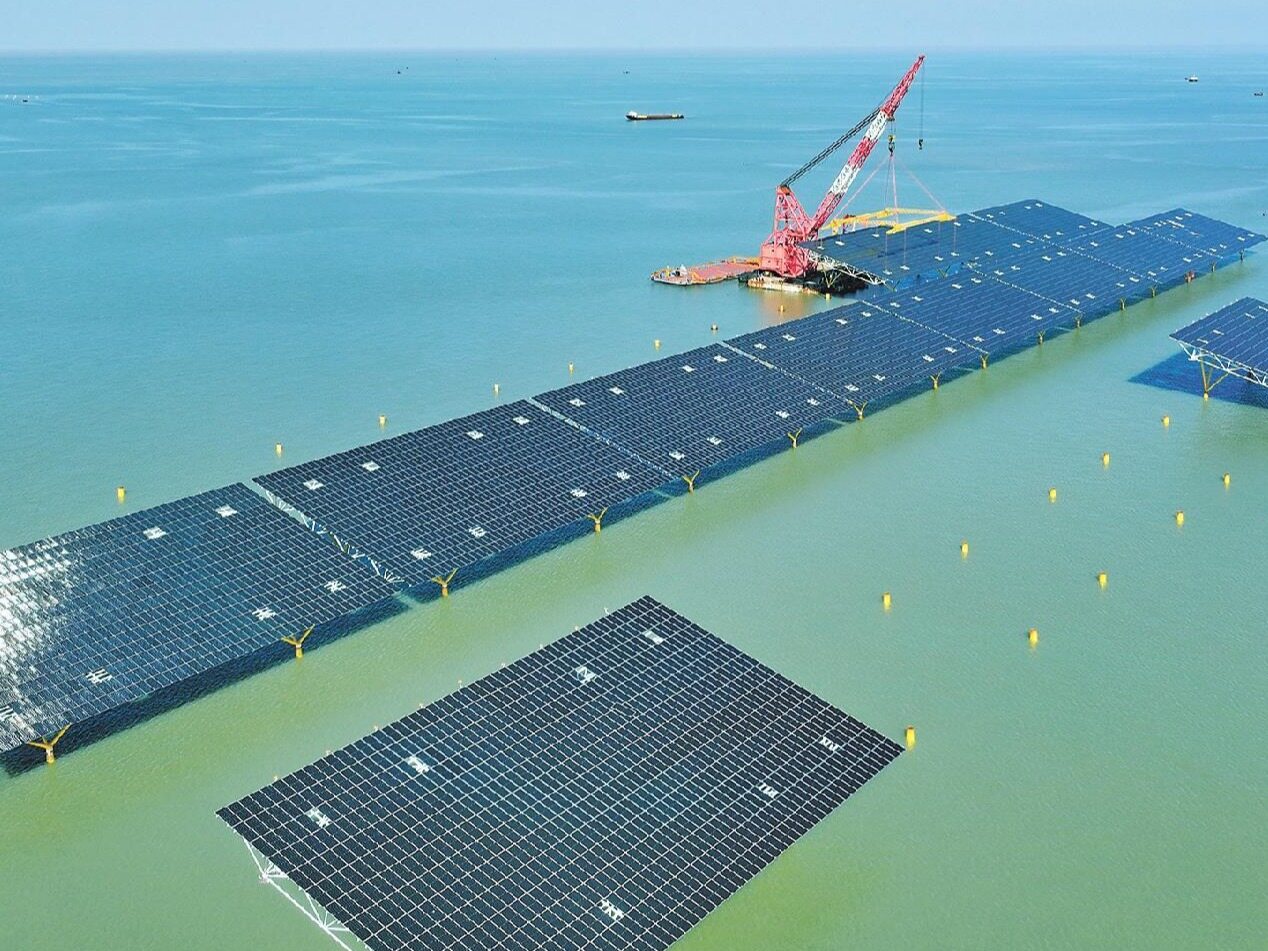
Recently, in the warm water drainage sea area of Lianyungang City, Jiangsu Province, the largest offshore photovoltaic project in China has achieved a critical breakthrough as the seventh section of the photovoltaic panel converts sunlight into electricity for the first time and integrates it into the power grid.
This huge project, called Tianwan 2 million kilowatt mudflat photovoltaic demonstration project, was undertaken by Shanghai Institute, Jiangxi Institute and other units under Powerchina. Its innovation lies in the deep coupling with China's famous Tianwan Nuclear Power Station.
The seemingly unrelated forms of energy, photovoltaics and nuclear power, have achieved unprecedented "multi energy complementarity" here, jointly building a clean energy demonstration base with a total installed capacity of over 10 gigawatts, providing a benchmark for the large-scale development of offshore photovoltaics in China.
Innovation breaks through construction difficulties
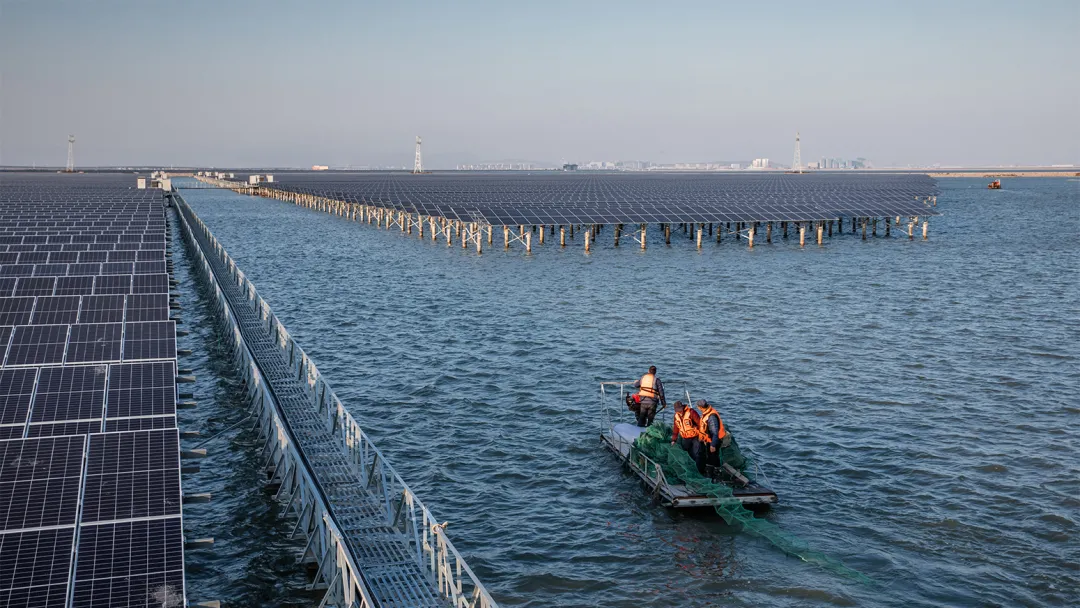
The construction environment in the mudflat area where the project is located is extremely complex, with frequent tidal changes, short operation window period, and the difficulty of offshore construction far exceeds that of land. Faced with these challenges, the power construction project team boldly innovated the construction mode.
They comprehensively promote modular construction, pre assembling photovoltaic modules, brackets, etc. into large modules on land, and then transporting them to designated locations at sea for overall lifting by special ships. This "land assembly, sea lifting" operation process has increased construction efficiency by more than 30%.
We have strengthened the collaborative linkage between design and construction, achieving seamless connection between pile foundation optimization and construction, and steel structure optimization and construction. "The project technical leader introduced that through this innovative model, the team has effectively solved various technical problems in offshore construction.
Multi complementary demonstration value
The uniqueness of the Tianwan project lies in its pioneering "photovoltaic+nuclear power" multi energy complementary model. The project is located in the thermal drainage area of the nuclear power plant, and this innovative design fully utilizes existing resources to achieve efficient and coordinated utilization of energy.
Photovoltaic power generation has significant diurnal and seasonal fluctuations, while nuclear power can provide stable base load electricity. The combination of the two can achieve complementary advantages and improve the stability and reliability of the power grid. This model provides new ideas for the collaborative development of China's coastal nuclear power plants and new energy.
After the project is fully completed, it is expected to produce approximately 2.2 billion kilowatt hours of green electricity annually, which is equivalent to the annual electricity consumption of a medium-sized city. These clean electricity sources will save approximately 680000 tons of standard coal and reduce carbon dioxide emissions by 1.77 million tons.
Scientific utilization of mudflat resources
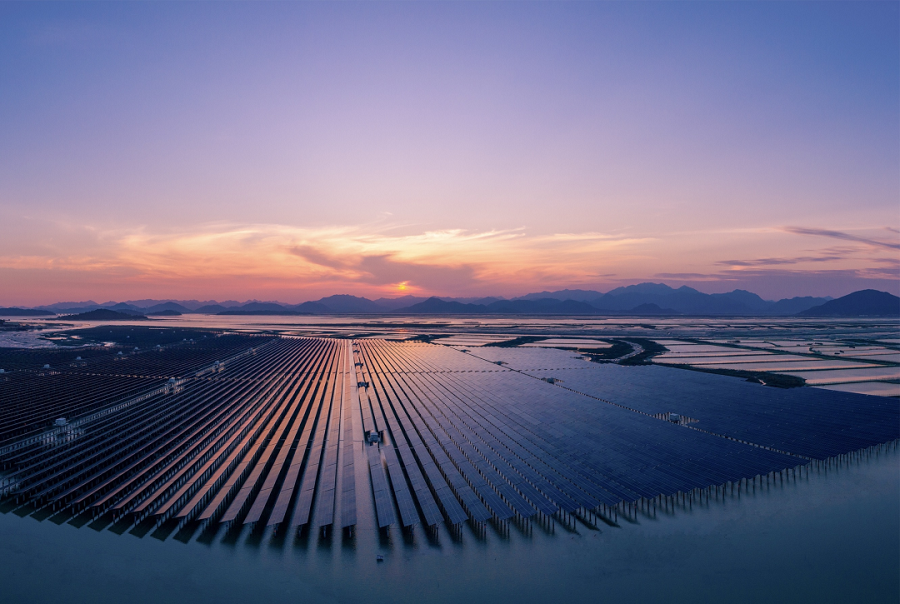
Tianwan project is not only an energy project, but also a model of scientific, efficient and ecological utilization of mudflat resources. Unlike traditional photovoltaic projects that occupy farmland or forest land, this project uses coastal mudflat resources and does not occupy valuable land space.
Offshore photovoltaic panels can also reduce water surface evaporation, inhibit algae growth, and help improve local ecological environments. This power generation model achieves a win-win situation between land use and energy production, exploring feasible paths for the development and utilization of China's long coastline resources.
The successful implementation of this project marks an important breakthrough in China's offshore photovoltaic technology, equipment, and engineering practice, accumulating valuable experience for the development of similar projects in the future. According to industry experts' predictions, China's offshore photovoltaic installed capacity is expected to reach tens of millions of kilowatts by 2030.
The successful grid connection of the seventh bid section of Tianwan mudflat photovoltaic project is only a prelude. When this huge offshore photovoltaic matrix is fully put into operation, the clean energy base formed together with the nuclear power plant will become a vivid footnote to China's energy transformation.
In this sea area that used to only have the sound of waves, the harmonious symphony of light and nuclear is now being played, providing a replicable sample for the development of clean energy in China and even globally.Editor/Yang Meiling
Comment


 Praise
 Collect
 Comment

 Share
Share


Write something~