 Search


- The Ministry of Energy of Kazakhstan, along with QazaqGaz, signed a 3.5 billion tenge contract with PetroChina
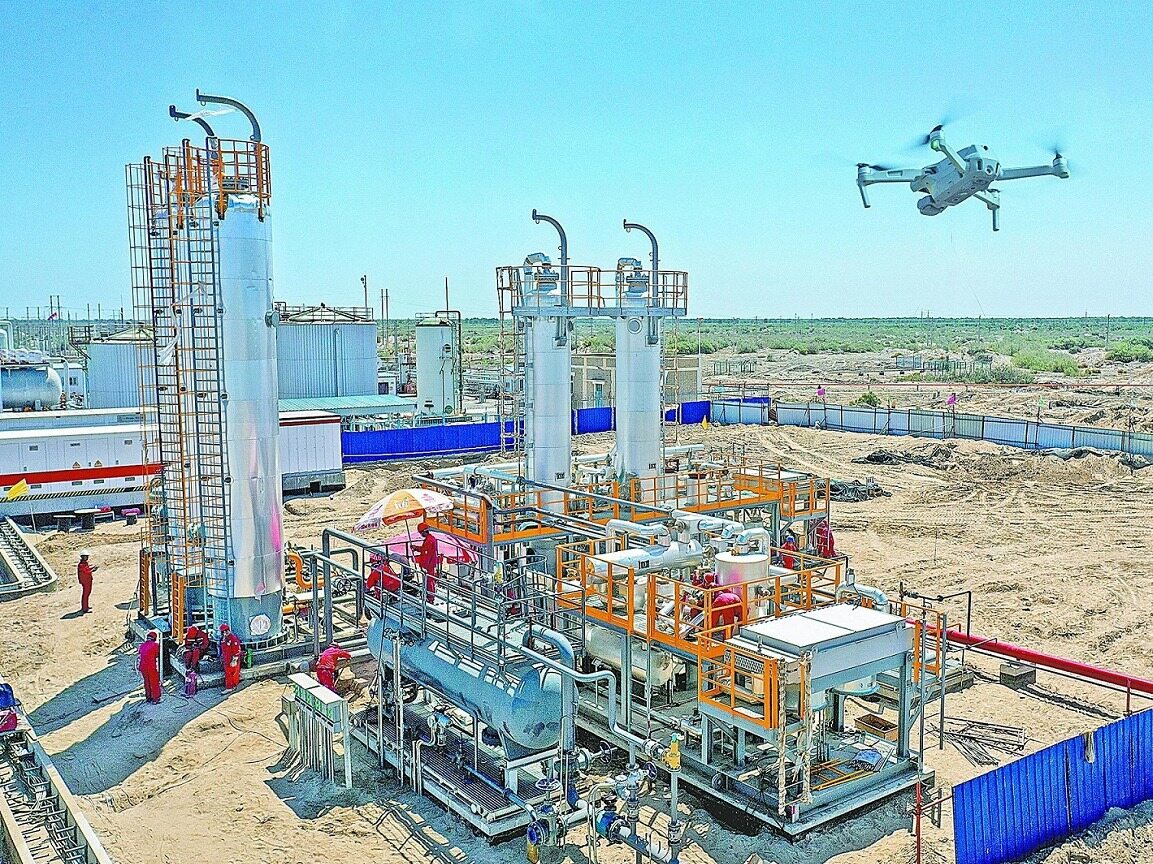
In the vast Aktobe Oblast of western Kazakhstan, a "treasure hunt" operation concerning the future of energy is unfolding. Recently, Kazakhstan's Ministry of Energy, national natural gas giant QazaqGaz, and a subsidiary of China National Petroleum Corporation (CNPC) officially signed a contract to invest 3.5 billion tenge (approximately 53 million yuan) in this land, known as the "geological treasure trove," to carry out a new round of oil and gas exploration and development. This is not only a commercial cooperation, but also a crucial step taken by Kazakhstan to achieve energy self-sufficiency and expand cooperation with China.
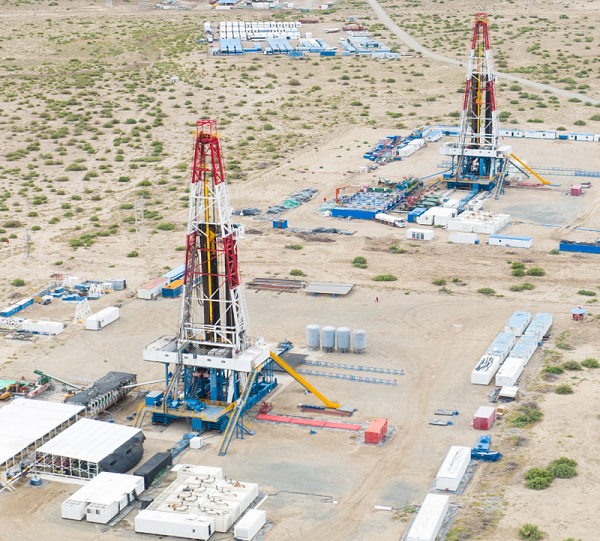
Two dimensional and three-dimensional seismic drilling
The "North-1" block signed this time is located in Aktobe State and is one of the 25 new potential blocks designated by the Ministry of Energy of Kazakhstan. According to the contract, CNPC Aktobe Oil Company (СНПС - Актобемунайгаз) will serve as the main operator to carry out systematic geological exploration work.
The specific "oil and gas search" work includes:
Seismic exploration: Deploying 2D and 3D seismic exploration operations is equivalent to performing a "CT scan" of the formation to accurately locate the location of oil and gas reservoirs.
Drilling verification: Implement drilling of independent and subordinate exploration wells to directly verify underground resource reserves.
Investment model: Fully invested by Chinese enterprises, with policy and resource support provided by Kazakhstan. Preliminary assessment shows that once successfully developed, this block is expected to bring Kazakhstan an annual increase in natural gas production capacity of 5 billion to 7 billion cubic meters, greatly alleviating domestic gas pressure.
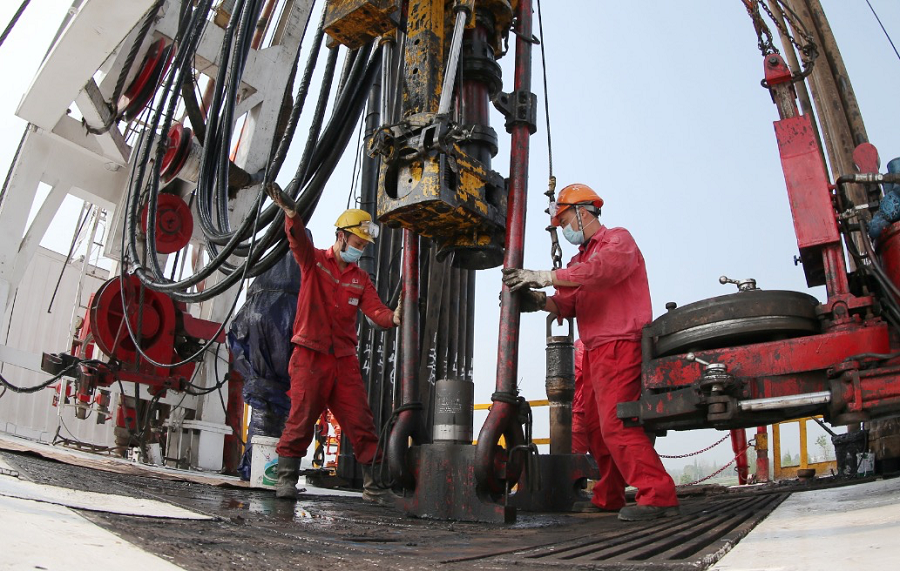
Aktobe's strategic position
Aktobe State is not a virgin land, but a traditional oil and gas hub of Kazakhstan. PetroChina entered the region as early as 1997 and operates the famous Aktobe project, with mature infrastructure and rich local experience. Handing over "North-1" to PetroChina, Kazakhstan values the efficient development capability of being familiar with the industry.
Yellan Akbarov, Deputy Minister of Energy of Kazakhstan, stated at the signing site that the signing of the contract has created conditions for systematic geological exploration, and the potential for discovering new reserves in related blocks is enormous, reflecting the steady progress of economic cooperation between Kazakhstan and China. For Hafang, this move aims to quickly activate undeveloped resources and convert underground potential into tangible production.
25 new blocks and 'dual line cooperation'
The 'North-1' project is just a pawn on Kazakhstan's energy chessboard. The Ministry of Energy of Kazakhstan is implementing a grand natural gas exploration plan, which plans to add 25 geological exploration blocks nationwide to significantly enhance the country's natural gas resource base.
It is worth noting that Kazakhstan's cooperation strategy is to balance both the east and the west:
Eastern Cooperation: Deepen cooperation with China in projects such as "North-1" and utilize Chinese funds and technology.
Western Cooperation: Just last month (March 2026), the Kazakh Ministry of Energy signed an agreement with multinational giant Shell to jointly develop the "Zanaturmes" block (also known as the "New Life" mining area) in Aktobe state, with a contract period until 2032. This indicates that Kazakhstan is accelerating its pace of energy exploration by introducing diversified investment entities.
With the signing of the 3.5 billion tenge contract, China Kazakhstan energy cooperation has extended from traditional oil and gas extraction to more risky and promising exploration frontiers. If "North-1" can successfully explore large-scale gas reservoirs, it will not only consolidate the economic and trade ties between China and Kazakhstan, but also write a significant chapter for Kazakhstan's energy independence.Editor/Yang Meiling
Comment

 Praise
 Collect
 Comment

 Share
Share


Write something~