 Search


- A canal connects the river and the sea, and the Pinglu Canal paves a new smooth path for Guangxi's ASEAN economic and trade integration
- Breaking the barrier between rivers and seas, carrying the hope of development, the canal activates new momentum for southwest opening up
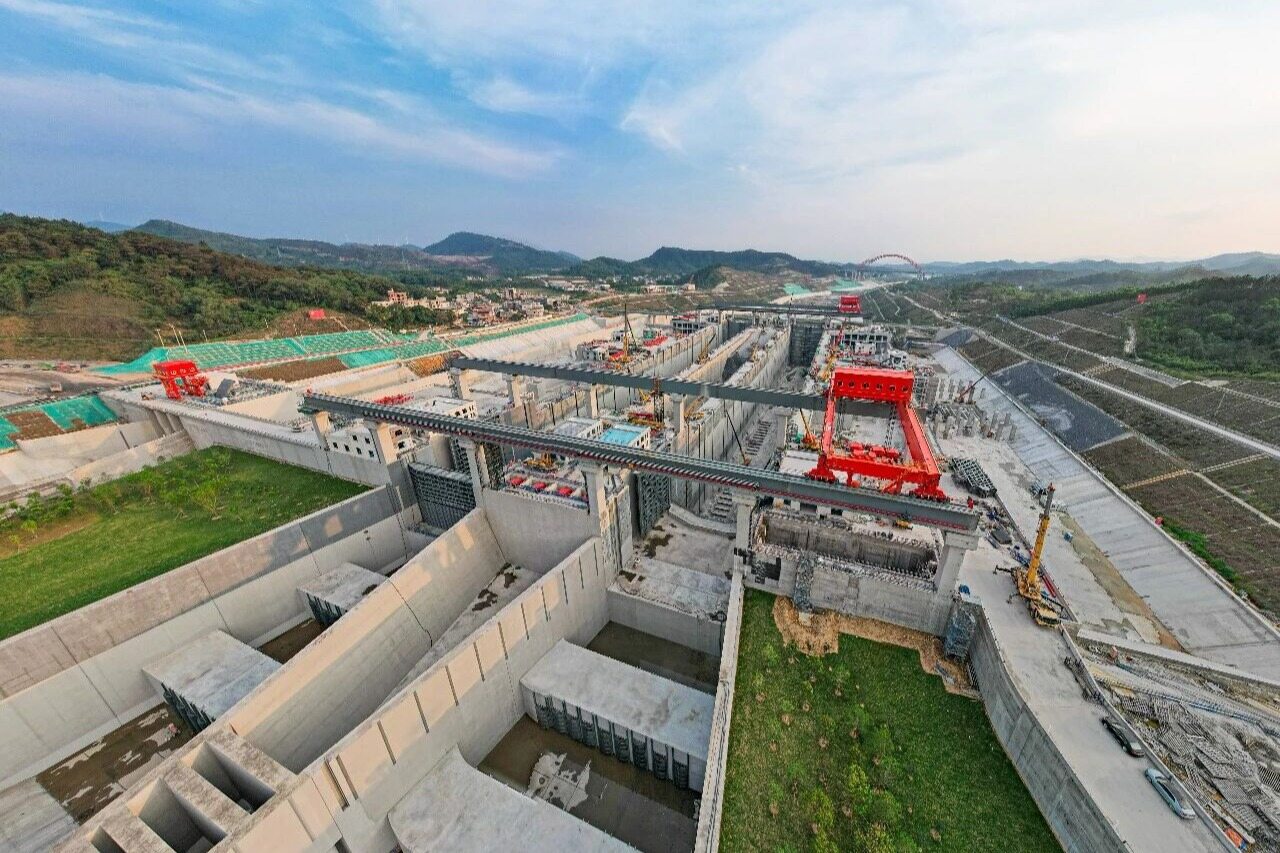
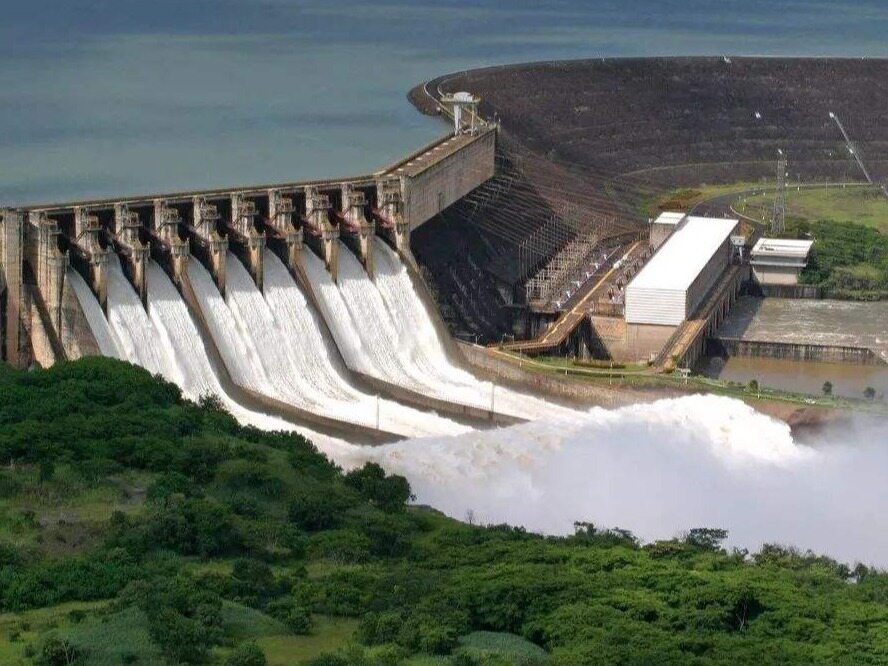
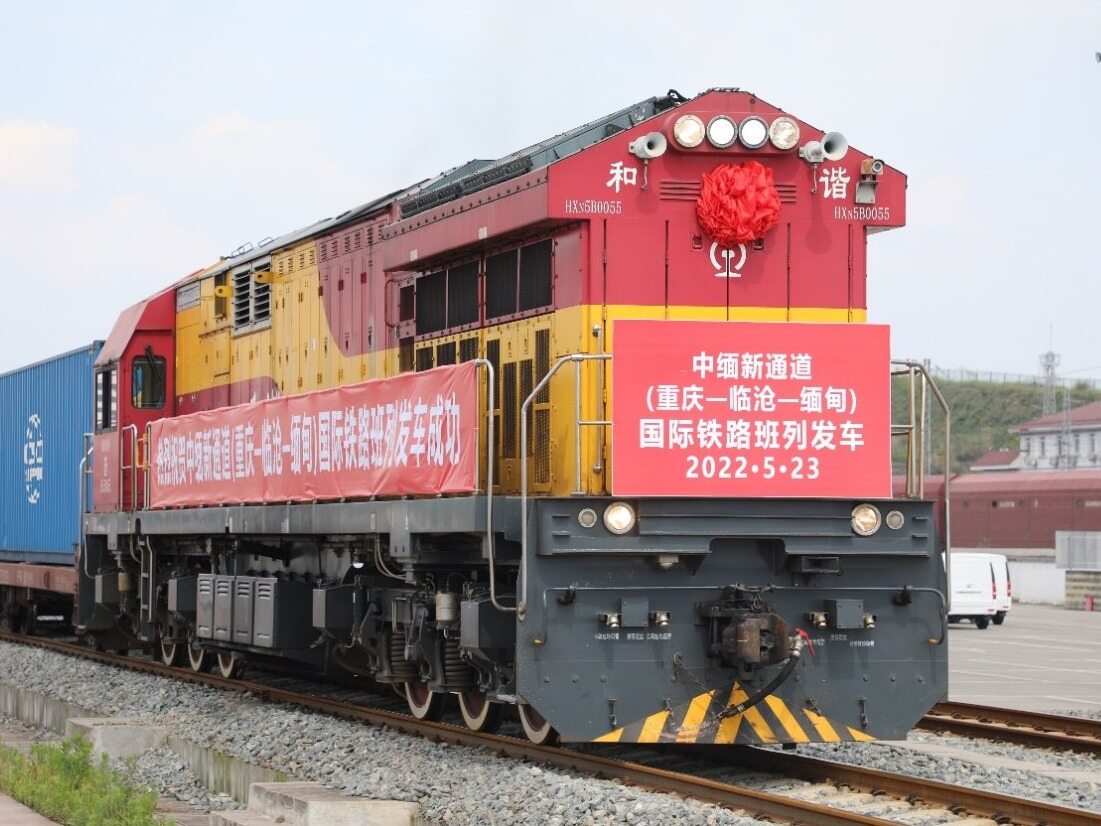
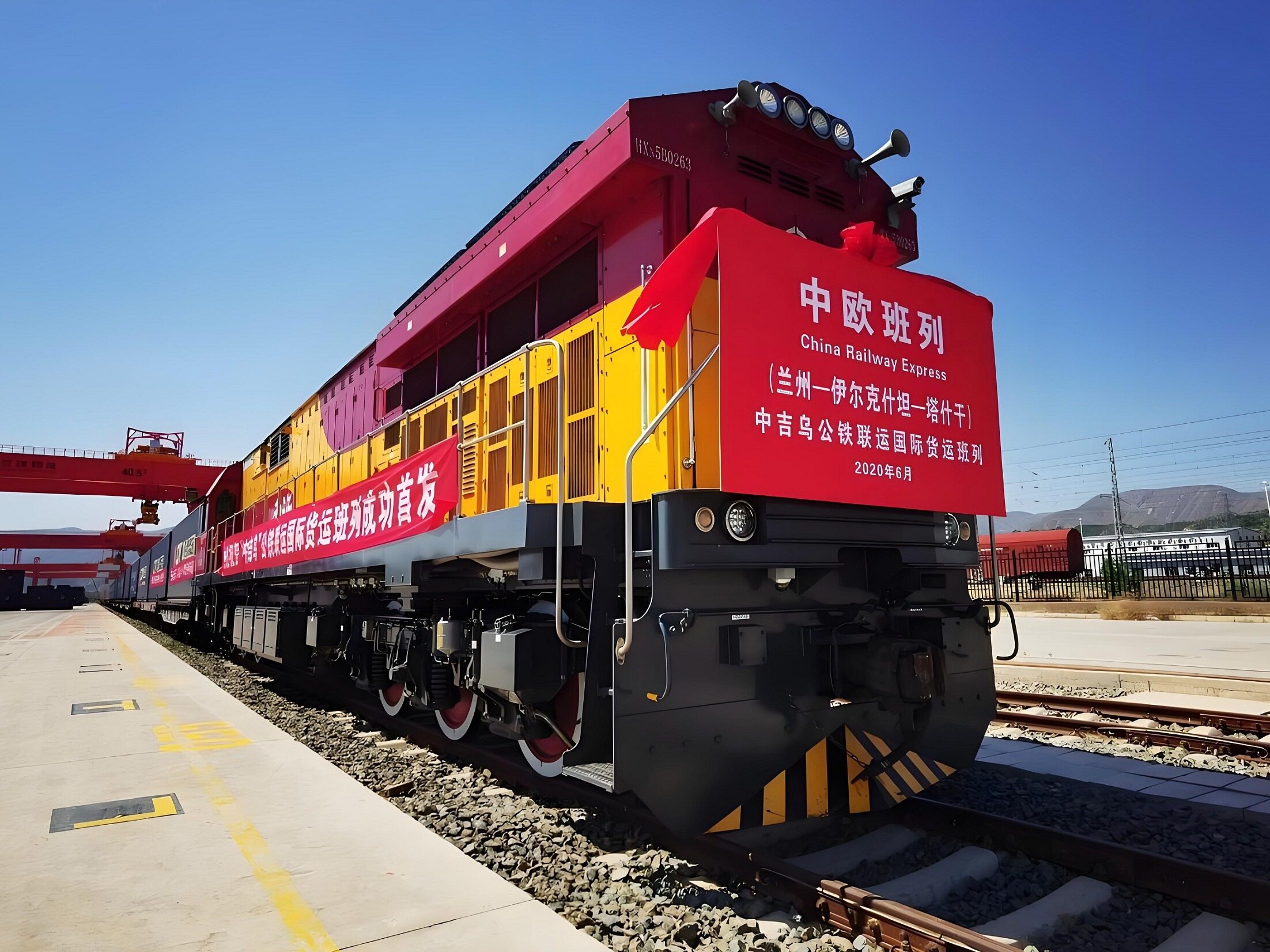
When the public's attention is mainly focused on popular economic regions such as the Greater Bay Area and the Yangtze River Delta, the upcoming construction of the Pinglu Canal is profoundly changing the commercial and trade pattern connecting western China to ASEAN. This century long waterway has built a comprehensive transportation corridor linking the iron, river, and sea, fully unleashing the value of Guangxi as an open gateway to ASEAN and ushering in a new transformation in the regional economic and trade development pattern.
By 2025, the import and export scale of Guangxi to ASEAN will reach 429.2 billion yuan, and ASEAN will remain its largest trading partner for 26 consecutive years. On the solid foundation of bilateral economic and trade cooperation, the completion and opening of the Pinglu Canal will become a powerful new driving force for the sustained growth of trade between the two regions.
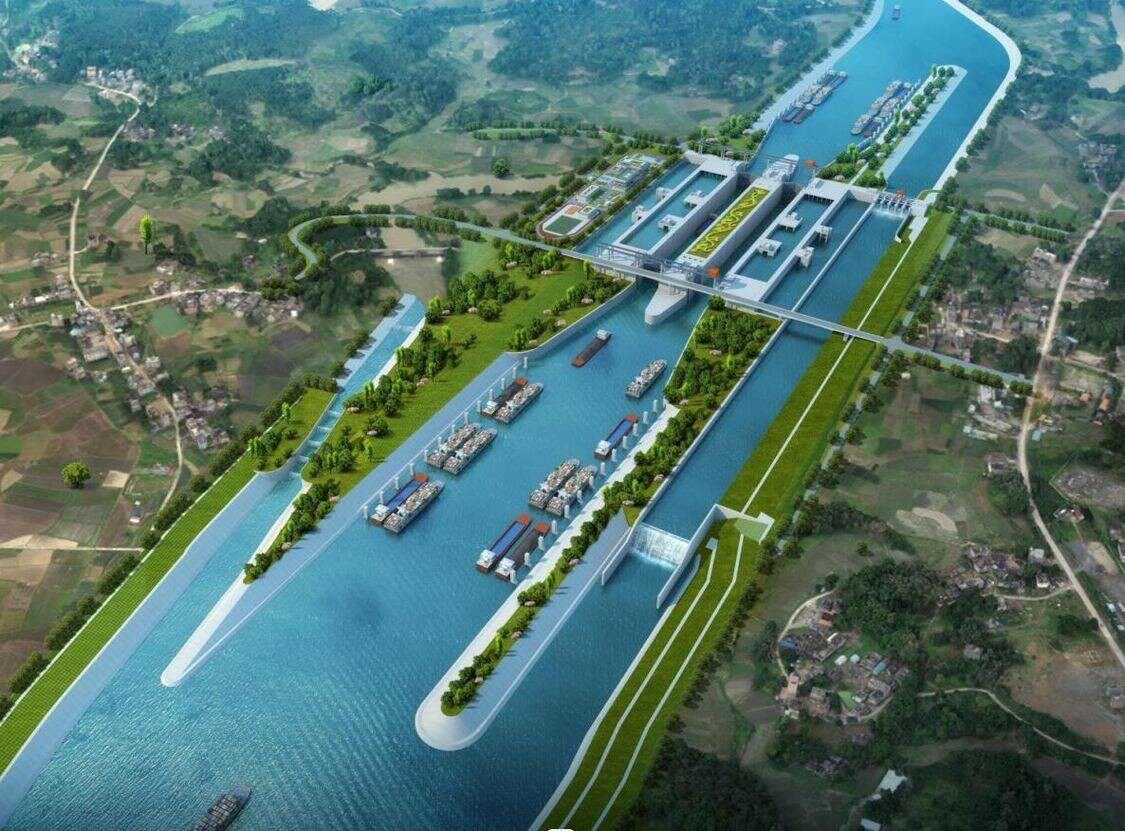
Breaking through shipping bottlenecks
Guangxi boasts a high-quality golden waterway of the Xijiang River, with extremely strong water transportation and navigation capabilities. However, for a long time, the waterway has only been able to travel eastward, and goods can only bypass ports in the Pearl River Delta to go out to sea. The long detour route significantly increases transportation time and also fails to fully utilize the inherent location advantage of the excellent deep-water port in the Beibu Gulf. In the past, the process of exporting goods from the southwestern hinterland was cumbersome, the distance was long, and the transportation efficiency was greatly reduced. The Pinglu Canal has successfully opened up a direct channel between the river and the sea, shortening the sea voyage by 560 kilometers and opening up the shortest and most efficient sea transportation route for the southwest region.
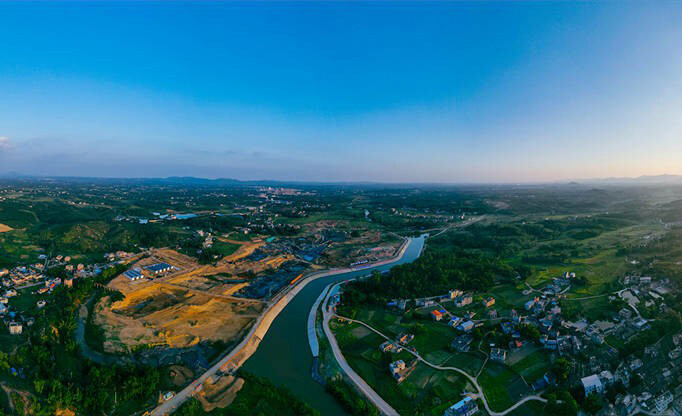
Reduce costs and improve efficiency
Relying on the benefits of the ASEAN Free Trade Area and RCEP policies, Guangxi's cross-border industrial chain continues to improve, with increasingly frequent trade in electromechanical manufacturing, specialty agricultural products, and new energy related products. The total regional freight volume continues to steadily increase. After the completion of the Pinglu Canal, a comprehensive multimodal transportation system will be established, allowing goods to be transported directly to the Beibu Gulf Port for rapid sea diversion. After the navigation, the comprehensive cost of logistics has significantly decreased, saving over 5 billion yuan in transportation costs annually, effectively reducing the burden on physical industries and significantly enhancing the competitiveness of regional industrial markets.
The benefits brought by the Pinglu Canal are not limited to reducing logistics costs, but also promote Guangxi to break away from the traditional transit circulation development model and accelerate its transformation into a commercial and logistics hub city. The seamless connection of the Jianghai railway and air transportation network enables the smooth two-way flow of ASEAN characteristic products and local industrial materials in Southwest China. Keywords: Pinglu Canal, River Sea Intermodal Transport, ASEAN Trade
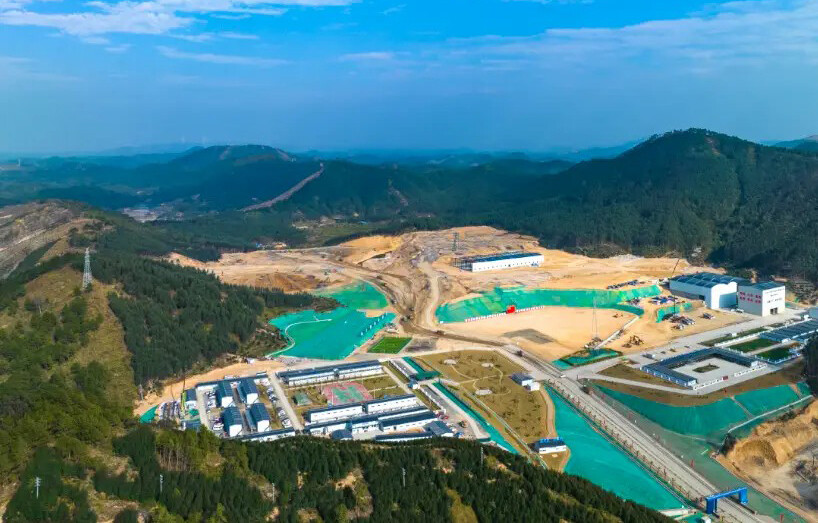
Against the backdrop of accelerating global industrial chain adjustments, the canal has strengthened the economic and trade cooperation between China and ASEAN, improved the three-dimensional transportation network of the Western Land Sea New Corridor, and enhanced the operational efficiency of cross-border industrial and supply chains. Relying on this golden waterway, Guangxi has successfully achieved a transformation of its identity and become a frontier highland for opening up to the outside world.Editor/Gong Ziwei
Comment



 Praise
 Collect
 Comment

 Share
Share


Write something~