 Search


- Opportunities and challenges coexist, and the 3.0 version of the Free Trade Zone will lead the new development of regional integration

The Asia Pacific picture of 2026 is slowly unfolding, despite occasional storms, cooperation and win-win is still the main theme. On May 31, 2026, Xu Ningning, Chairman of the RCEP Industrial Cooperation Committee, pointed out that in the first five months, political mutual trust between China and 11 Southeast Asian countries has continued to strengthen, and economic and trade linkage has become increasingly close. Although facing external intervention and regulatory barriers, the long-term positive fundamentals will not change.

Building a solid foundation through high-level interaction
Since 2026, the heat of bilateral interaction between China and ASEAN has not diminished. General Secretary of the Central Committee of the Communist Party of Vietnam, Su Lam, visited China and made the series of relations with China a diplomatic priority; The China Cambodia cooperation mechanism has been upgraded to a "3+3" linkage of diplomacy, national defense, and public security, and the construction of an all-weather community with a shared future continues to be implemented. In the field of economy and trade, ASEAN continues to remain China's largest trading partner, with strong growth in exports of high value-added products such as new energy vehicles and lithium batteries. The two-way investment vitality continues to be released in the fields of new energy and digital economy.
Multiple dividends combined with empowerment
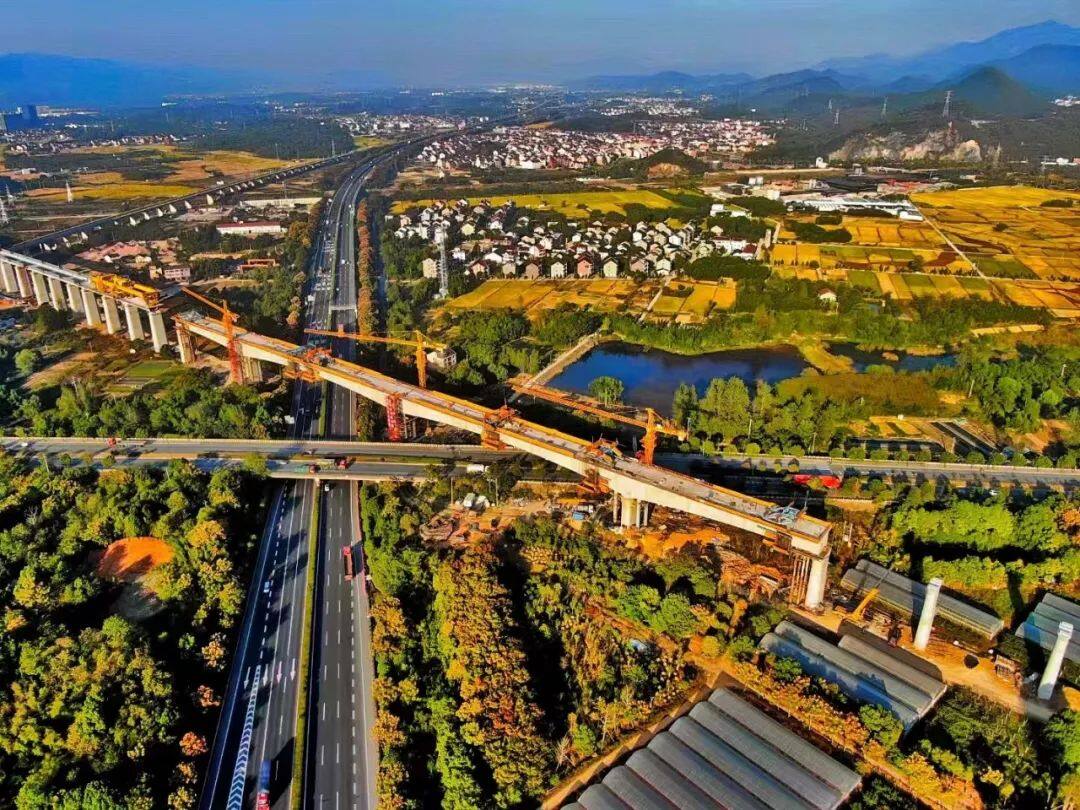
The resilience of cooperation stems from the convergence of multiple forces. The recovery of the Chinese economy and the completion of the industrial chain have provided solid support for Southeast Asia. The institutional dividends of the Regional Comprehensive Economic Partnership (RCEP) have been deeply released, forming a two-way empowerment with the upcoming 3.0 version of the free trade zone. At the same time, connectivity projects such as the China Laos Railway and the Ya'an Wanzhou High speed Railway have accelerated the circulation of regional elements, which precisely meets the strategic demands of ASEAN countries to adhere to development priority and avoid camp confrontation. Keywords: Strategic News Network, International Cooperation

Breaking through barriers and tackling challenges
Faced with the intervention of external geopolitical forces and differences in internal rules, the direction of the second half of the year has become clear. In response to the differences and hidden operating costs in the South China Sea, both sides will rely on the fifth anniversary of the establishment of the China ASEAN comprehensive strategic partnership to accelerate the negotiation of the South China Sea Code of Conduct. Focus on the digital economy, green and low-carbon development, and infrastructure connectivity, break down technical barriers, and transform phased challenges into opportunities for deepening strategic communication and jointly maintaining peace and stability in the Asia Pacific region.Editor/Gao Xue
Comment


 Praise
 Collect
 Comment

 Share
Share


Write something~