 Search


- Comsa undertakes the upgrade of the Zagreb Rijeka railway, aiming to increase the speed to 160 kilometers by 2029
On April 17, 2026, the Croatian infrastructure management company HZ Infrastructure and the Spanish company Comsa officially signed an engineering contract, marking the substantial stage of upgrading and transforming the M202 railway mainline connecting the capital city Zagreb and the port city Rijeka.
This large order worth 278.8 million euros not only received funding support from the EU's Competitiveness and Cohesion Plan for 2021-2027, but is also seen as a key turning point for Croatia's railway network to overcome its long-term lag. With the witness signatures of high-ranking officials such as Deputy Prime Minister Oleg Butkovic, this 44 kilometer road that carries the logistics lifeline of Croatia is about to embark on a five-year thorough reshaping this summer.
EU funding and technological iteration
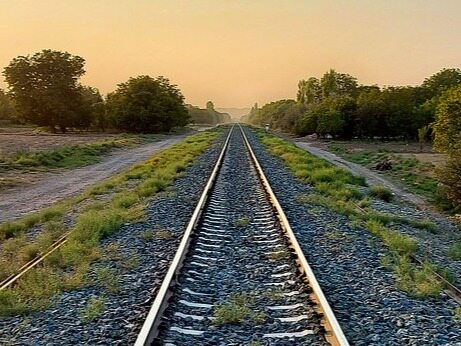
According to the plan, this renovation is not a simple repair. The project covers a comprehensive track renovation from Hrvatski Leskovac to Karlovac, the laying of a second electrified track, and a thorough replacement of the signal system. In addition to the hard upgrade of rail infrastructure, the building facilities at three key stations, Hrvatski Leskovac, Jastrebarski, and Karlovac, will also undergo renovation.
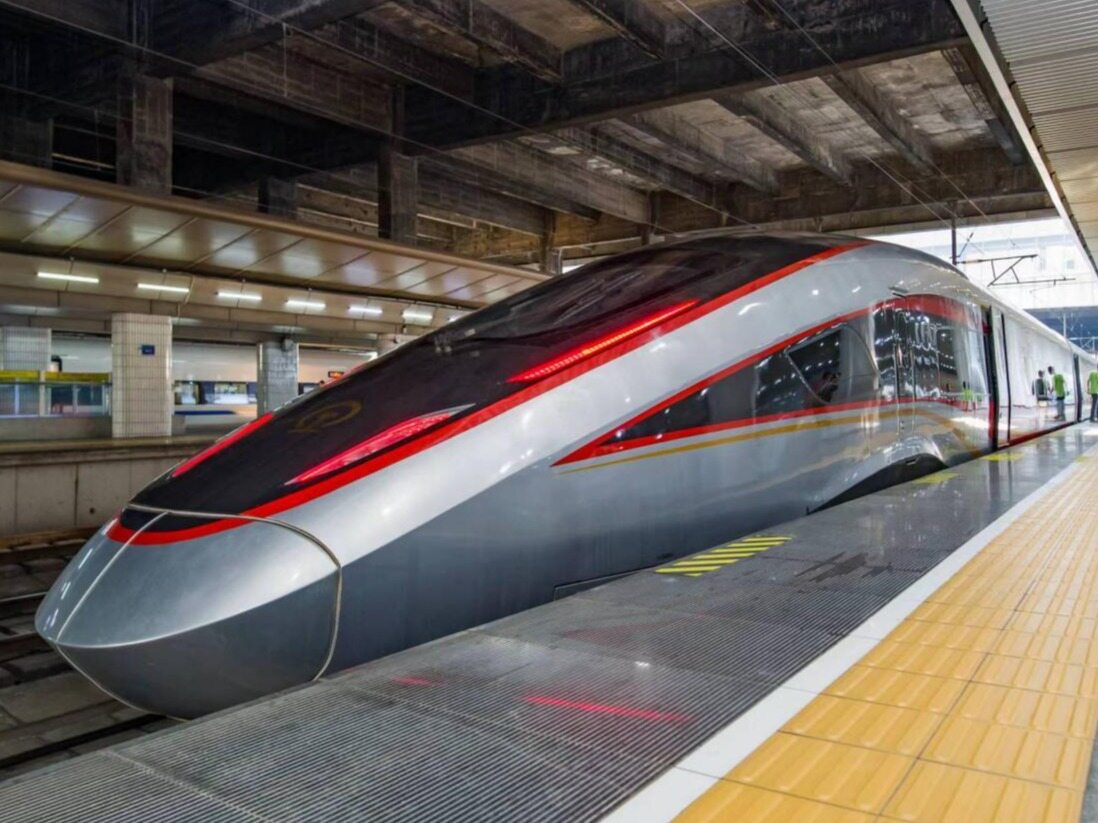
The engineering goal directly refers to a qualitative change in operational efficiency - to increase the maximum speed of trains to 160 kilometers per hour. The increase in speed not only means a significant reduction in travel time from Zagreb to Rijeka, but also represents a double leap in capacity and safety, enabling the line segment to seamlessly integrate with European railway traffic management system standards. Keywords: railway transportation, international news
For a long time, Croatian railways have faced criticism of aging facilities and insufficient transportation capacity due to a lack of funds. Butkovic stated at the signing ceremony that this is one of the largest investments in infrastructure in the past decade and an important step towards European interoperability standards.Editor/Cheng Liting
Comment

 Praise
 Collect
 Comment

 Share
Share


Write something~