 Search


- New 311 kilometer cross-border line directly connecting to Beira Port in Mozambique
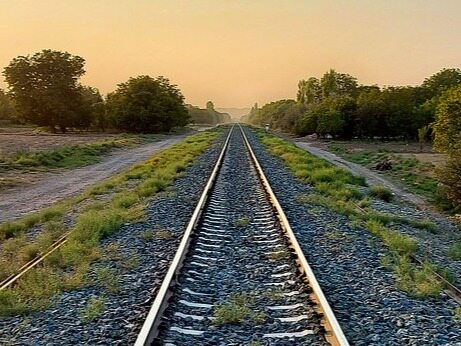
Deep in the interior of southern Africa, a steel artery worth 2.18 billion US dollars is about to break through. Recently, the transportation ministers of Zimbabwe and Zambia officially signed a memorandum of understanding to jointly launch the "Lion's Nest Kafue" cross-border railway project.

This newly built railway with a total length of 311 kilometers is not only a milestone in the interconnection of infrastructure between the two countries, but also regarded as a key strategic pivot to break regional logistics bottlenecks and directly reach the port of Beira in Mozambique. Against the backdrop of global supply chain restructuring, this measure undoubtedly injects a shot in the arm for landlocked countries that rely on transit trade.
311 kilometers of steel and iron wire connected to the Three Kingdoms
According to the plan, this new railway will depart from Kafue, Zambia, cross Mazabuka and Chikankata, and extend through Hulungwe National Park to Lion's Nest in Zimbabwe, with a length of 217 kilometers within Zimbabwe. The line is laid along the existing highway corridor, with 16 stations and 2 marshalling yards, using a 1067mm Cape gauge and reserving interfaces for upgrading the standard gauge with great foresight.
The grander vision is that the railway will deeply integrate with Zimbabwe's existing road network, pass through Harare and connect directly to Mozambique's Macipanda Port, and ultimately reach the Port of Beira, forming a logistics corridor with a total length of approximately 762 kilometers. Therefore, the 445 kilometer existing road section in Zimbabwe must be modernized simultaneously to eliminate transportation bottlenecks.
Multi corridor layout forces cost reduction and efficiency improvement
In response to external doubts about Zambia's investment determination, the Zambian Minister of Transport strongly refuted them at the signing ceremony and promised to spare no effort in exploring transportation channels. His confidence stems from the reality of regional port competition - as the competition for goods between Dar es Salaam Port and Beira Port becomes increasingly fierce, the parallel operation of multiple corridors has effectively driven down costs, and even forced Tanzania to proactively reduce port handling fees. Keywords: railway infrastructure, logistics channels
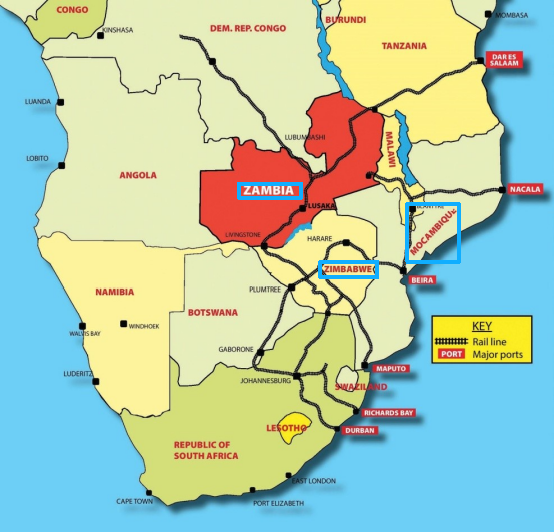
This railway is not only a physical connection, but also a bargaining chip in the economic game. With the launch of the trilateral consultation mechanism, an efficient logistics triangle covering Zambia, Zimbabwe, and Mozambique is gradually taking shape, opening up a more cost-effective lifeline for inland resource exports.Editor/Cheng Liting
Comment


 Praise
 Collect
 Comment

 Share
Share


Write something~