 Search


- Target to achieve an annual transit freight volume of 100 million tons by 2035
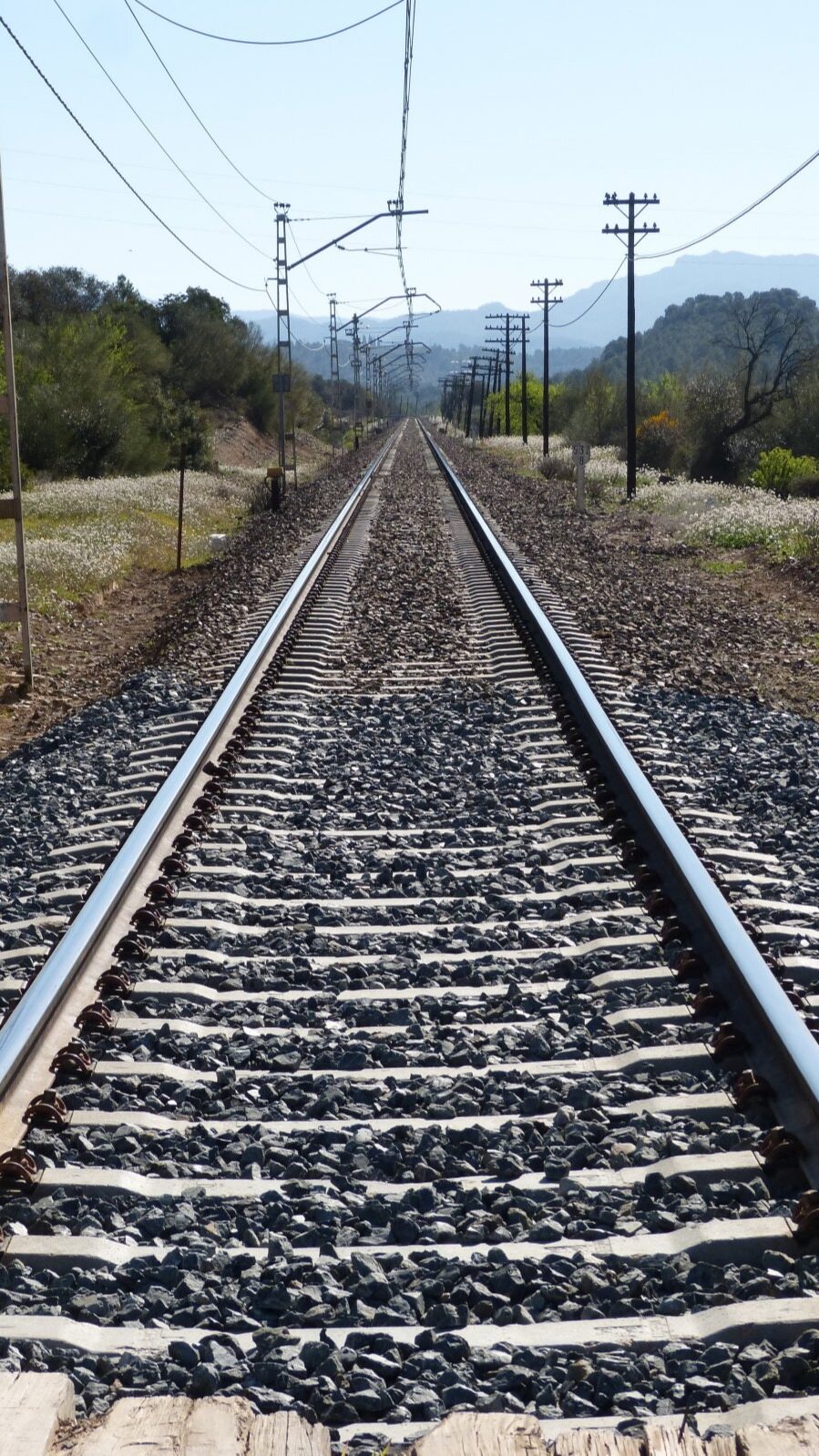
In Astana in April, there is still a hint of chill in the air, but the atmosphere inside the conference center located in the city center is lively. More than 300 railway company leaders from over 30 countries gathered here to celebrate the 70th anniversary of the establishment of the Organization for the Co operation of Railways (OSJD). On the big screen, there is a huge map of the Eurasian railway network, with Kazakhstan's location specifically highlighted in bright colors - it resembles a heart, connecting the blood vessels of the East and West.
Kazakhstan's Prime Minister Orzas Bektenov stood in front of the speech stage, with a prominent number displayed on the PPT behind him: 5000 kilometers. He outlined a blueprint to the attendees: "Over the past 15 years, we have invested $35 billion in building a transportation network. In the next four years, these 5000 kilometers of new railways will completely transform Kazakhstan from a 'landlocked country' to a 'landlocked country'
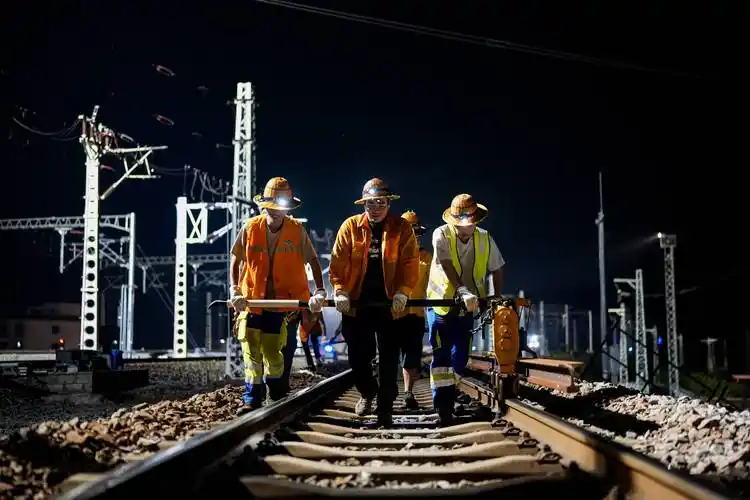
Strategic breakout of 5000 kilometers
Kazakhstan is the world's largest landlocked country, and the lack of access to the sea was a natural weakness that hindered its economic development. But Prime Minister Bektenov emphasized in his speech that they are working hard to transform this geographical challenge into a strategic advantage.
Over the past 15 years, Kazakhstan has allocated approximately $35 billion to the transportation industry and built over 2500 kilometers of new railway arteries. Currently, about 85% of land transportation between Western Europe and China passes through Kazakhstan. But this is just the beginning.
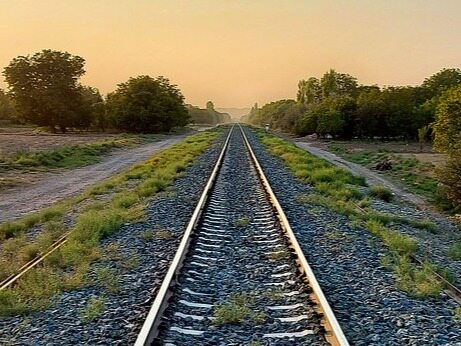
In the next four years, Kazakhstan plans to build another 5000 kilometers of new railways. This massive infrastructure plan aims to completely connect the "Ren Du Er Mai" of the Eurasian continent. The goal set by the Prime Minister is to increase the transit freight volume to 100 million tons per year by 2035. This means that Kazakhstan not only needs to become a transit channel, but also an indispensable logistics hub for Eurasian trade.
The three major corridors go in parallel
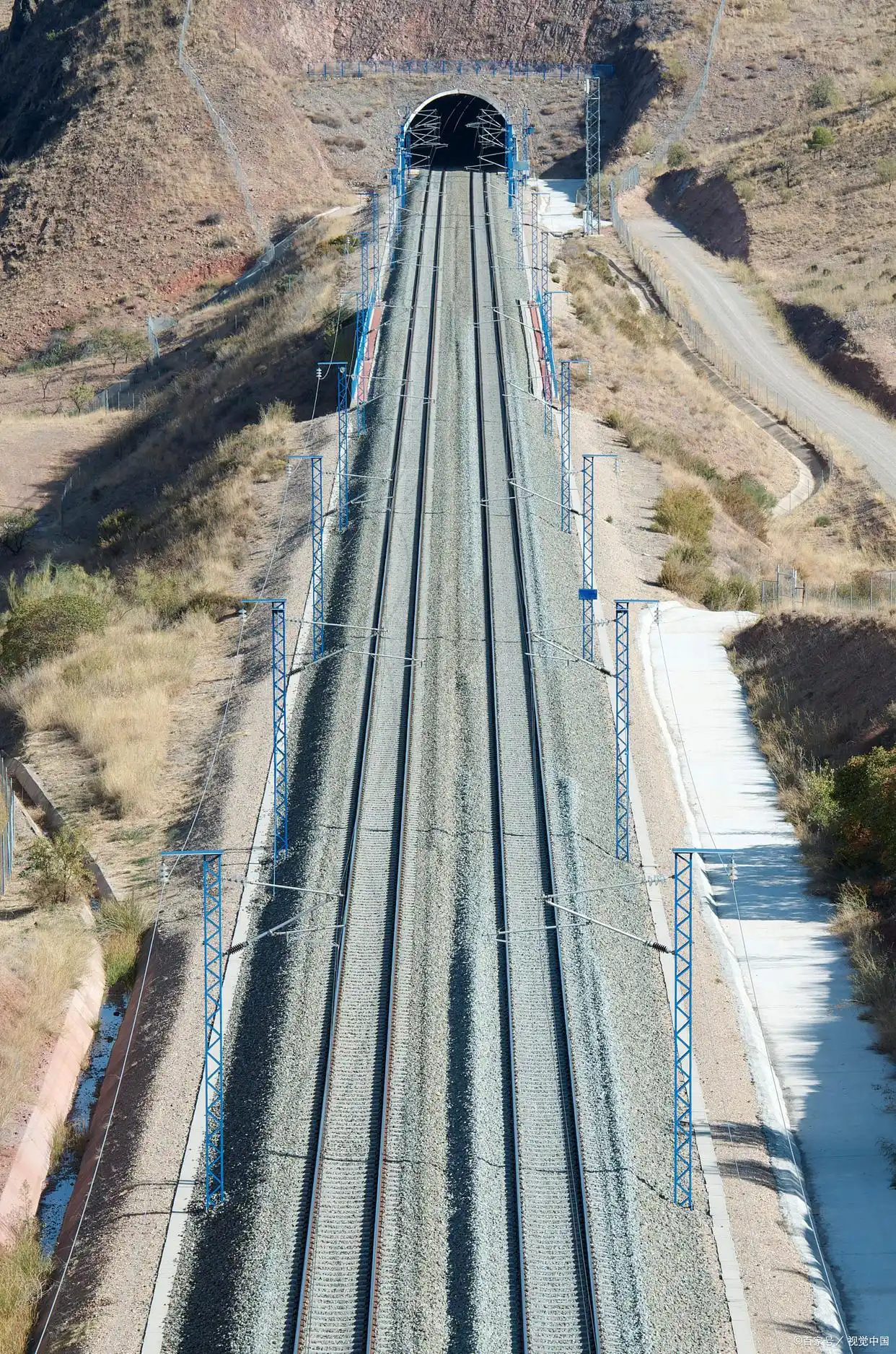
This 5000 kilometer new railway is not evenly spread, but focuses on three strategically significant international corridors, aiming to race against time.
Cross Caspian International Transport Route (Middle Corridor)
This is currently the top priority of construction. The focus is on expanding the container capacity of Aktau and Kurik ports, with the participation of international partners. The plan is to significantly increase the container capacity of the corridor from 80000 to 300000 containers by 2029. The full delivery time of goods has been shortened from nearly a month in the past to 18 days, and the future goal is to compress it to 10 days, directly challenging the time competitiveness of sea freight.
North South Corridor (connecting the Persian Gulf and India)
In addition to the east-west direction, Kazakhstan is also actively opening up the north-south "Ren Du Er Mai". This corridor aims to provide the shortest path to the Persian Gulf and Indian markets, complementing the east-west corridor and increasing the flexibility of logistics routes.
The third railway corridor between China and Kazakhstan: Bakht Ayaguz Line
This 303 kilometer railway line will commence construction in the Abai region in 2023 and is expected to be completed by the end of 2027. It will become the third railway connection on the China Kazakhstan border, which will greatly alleviate the congestion at existing ports and provide a smoother new path for Chinese goods to enter Kazakhstan and be transported to Europe.
The integration of digital technology and steel
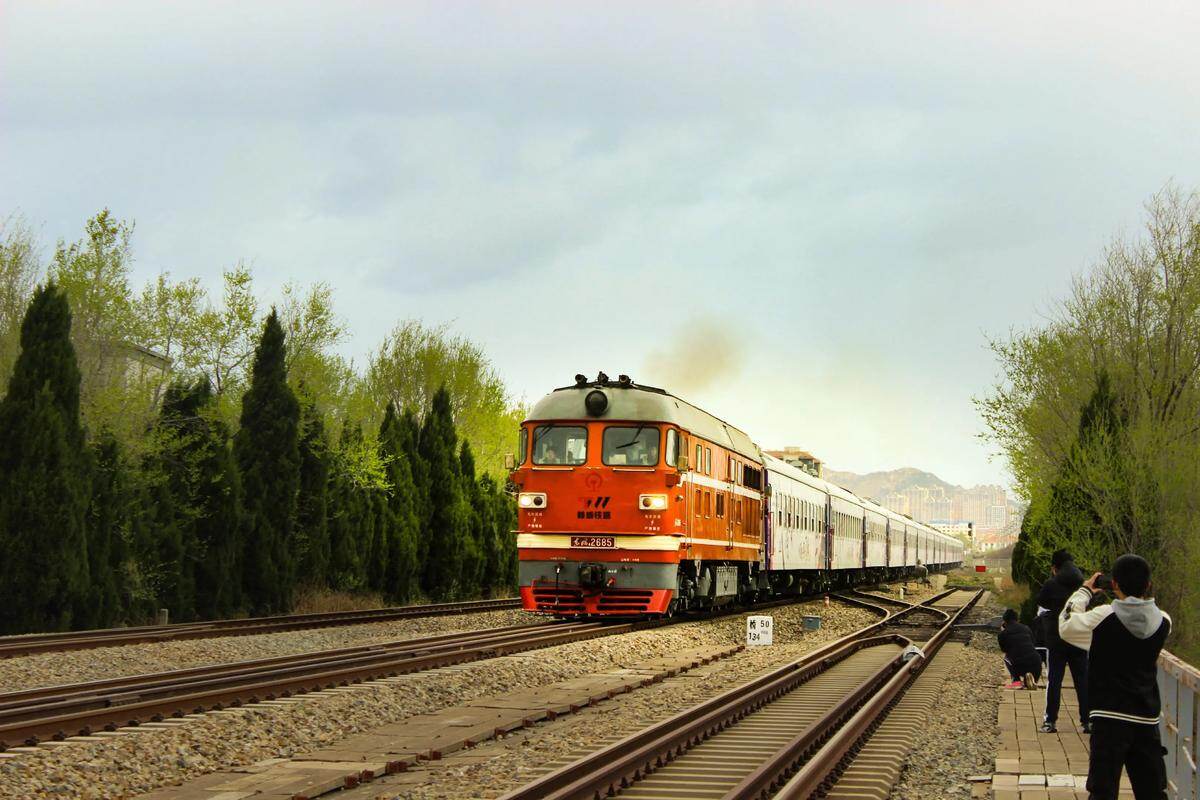
Beyond the steel track, the introduction of digital technology is seen as another major engine for enhancing transportation capacity. Prime Minister Bektonov specifically mentioned that 2026 has been declared the "Year of Digitalization and Artificial Intelligence" by the President of Kazakhstan, and the railway industry is at the forefront of digital transformation.
The most significant achievement is reflected in the China Kazakhstan border. By implementing the TezCustoms platform, the clearance processing time at the China Kazakhstan border has been reduced from the past 8 hours to 30 minutes. This' paperless' technological transformation not only reduces the waiting time for truck drivers, but also greatly improves the overall throughput efficiency of the railway network.
In addition, the introduction of intelligent management systems and personnel training are also the focus of discussion at this conference. The OSJD organization brings together a railway network of over 320000 kilometers, transporting approximately 5.5 billion passengers and 5 billion tons of goods annually. Representatives from various countries reached a consensus in Astana that future competition is not only about railway tracks, but also about data and efficiency.Editor/Yang Meiling
Comment

 Praise
 Collect
 Comment

 Share
Share


Write something~