 Search


- The coordinated layout of five provinces will deepen the regional industrial chain

On May 6, 2026, in the conference room of Liyuan Mountain Villa in Nanning, the 23rd China ASEAN Business and Investment Summit Liaison Officer Meeting had just concluded. Xu Ningning, Chairman of the RCEP Industrial Cooperation Committee, opened a report that marked the trade data of Guangdong, Hainan, Fujian, Guangxi, and Yunnan provinces towards ASEAN, and told a reporter from Southern Daily that these five land and sea frontier provinces are cultivating the same fertile land of ASEAN in their own ways.
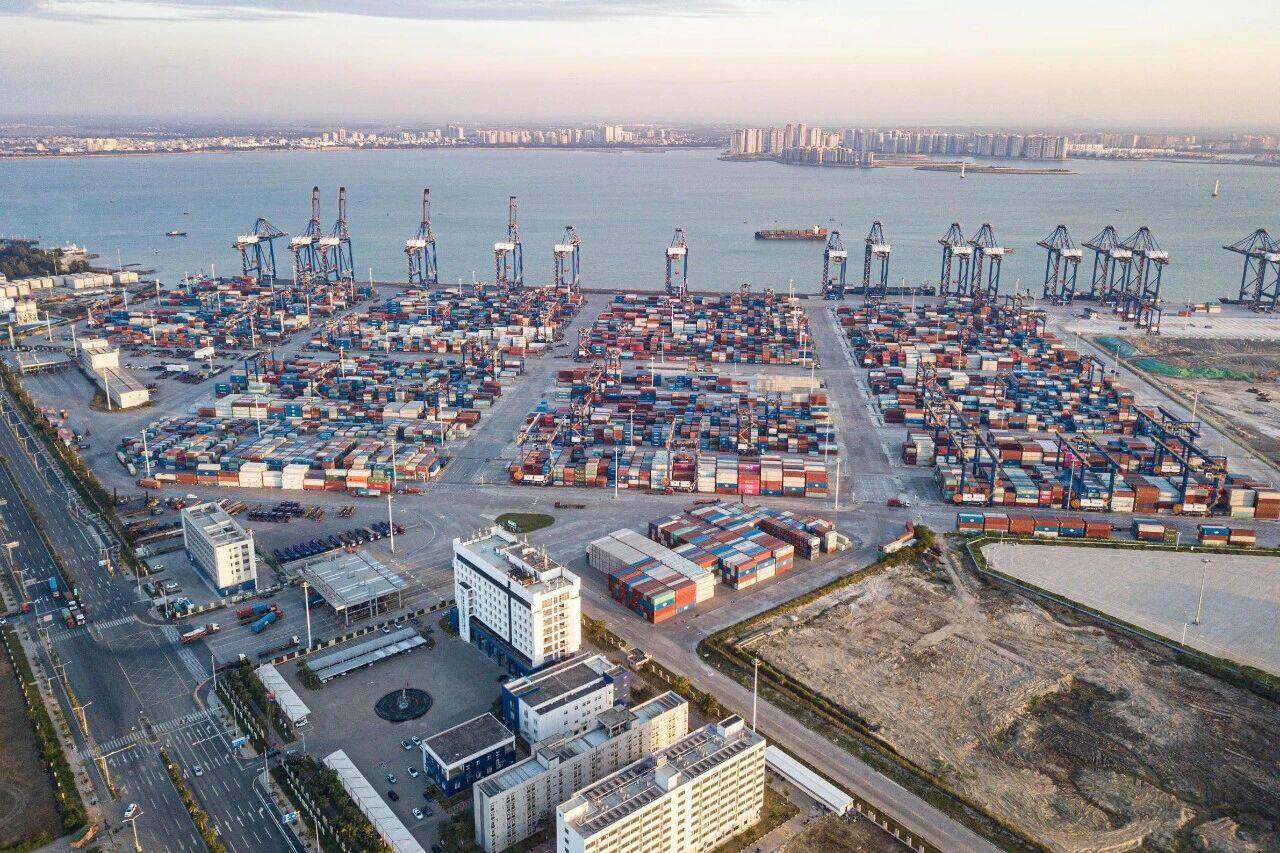
Guangdong leads the trade scale to a new high
By 2025, the trade volume between Guangdong and ASEAN will exceed 1.53 trillion yuan, setting a new historical high. Mechanical and electrical products, high-tech products, and advantageous consumer goods have shown stable performance in ASEAN imports and exports. The industrial chain of leading enterprises is accelerating its extension to ASEAN, and the cross-border logistics network and the carrying capacity of overseas economic and trade cooperation zones continue to strengthen. Facing the 15th Five Year Plan, Guangdong has clearly and deeply integrated into the joint construction of the the Belt and Road, encrypted shipping and air cargo channels to ASEAN, laid out industrial cooperation parks and logistics nodes, and strengthened the synergy between high-end manufacturing and scientific and technological innovation and ASEAN's industrial chain.
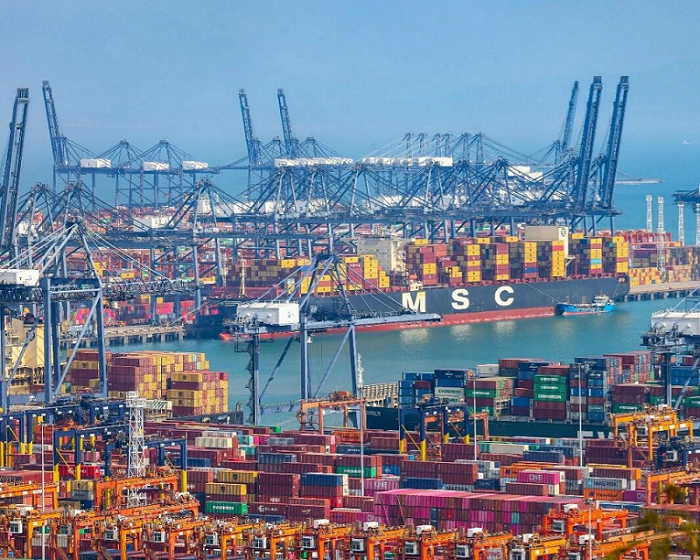
Continuous expansion of Guangxi Yunnan border channels
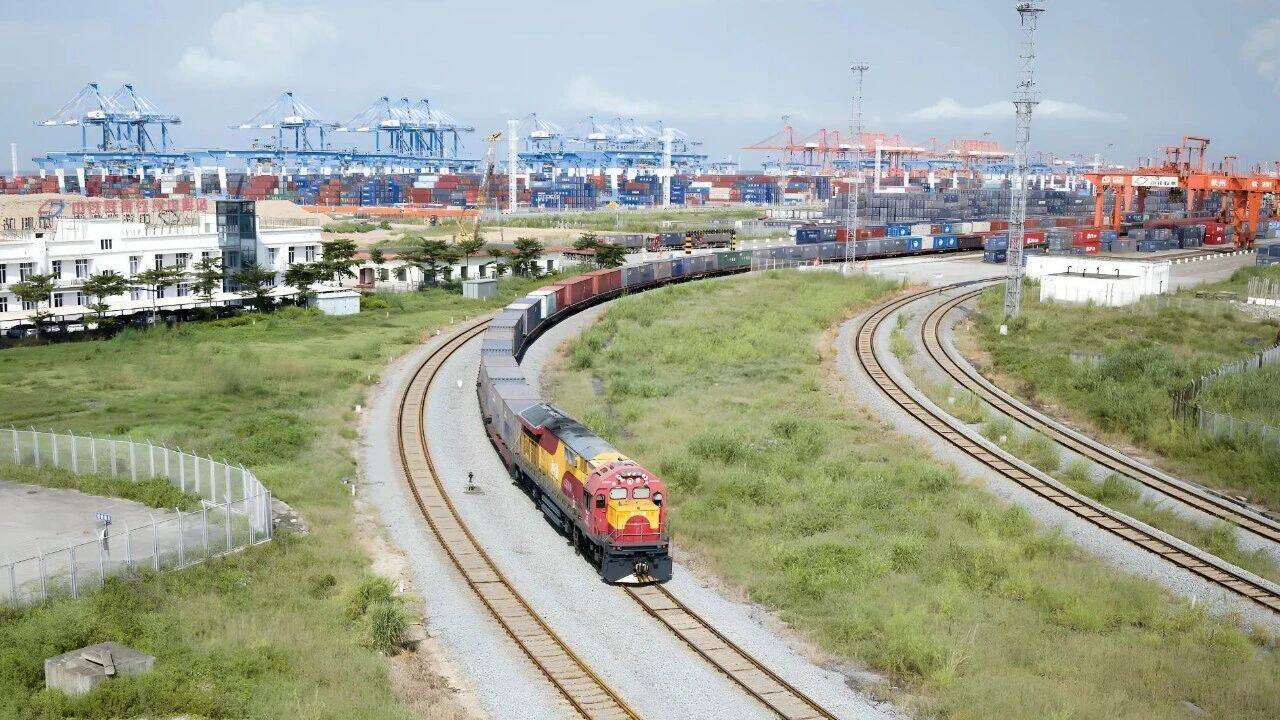
As the only province in China connected to ASEAN by land and sea, Guangxi will focus on upgrading the quality of the Western Land Sea New Corridor in 2026. The Beibu Gulf Port route will cover major ports in ASEAN, and the efficiency of sea rail intermodal transportation will continue to be released. The 15th Five Year Plan lists China ASEAN cooperation as a core area, and continues to strengthen cross-border processing, bonded logistics, and digital trade. Yunnan is bordered by Myanmar, Laos and Vietnam. Comprehensive development along the China Laos railway has been accelerated. The functions of key ports such as Mohan, Ruili and Hekou have been upgraded. The vitality of cross-border agriculture and border processing has been fully unleashed.
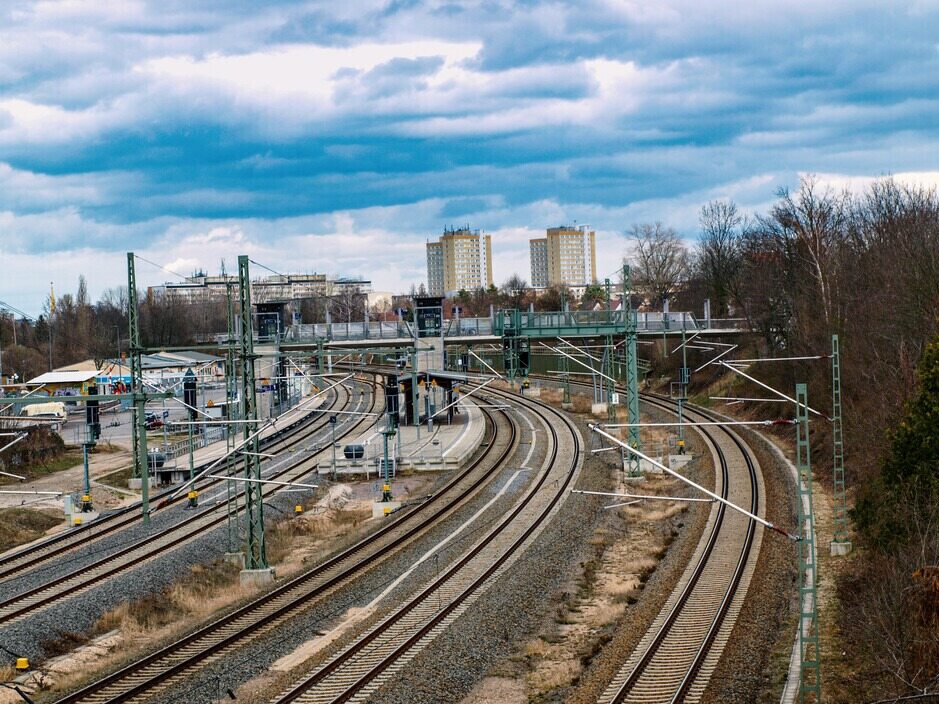
Hainan, Fujian, Overseas Chinese Sea Joint Multi point Deep Cultivation
The sea routes from Yangpu Port in Hainan to major ASEAN ports such as Singapore, Malaysia, and Vietnam are operating normally. Cross border e-commerce and the import and export of tropical agricultural products have become new growth points. The free trade port is benchmarking against the 3.0 version of the China ASEAN Free Trade Zone rules to create an open highland facing the South China Sea. Fujian relies on the resources of overseas Chinese hometowns to deeply cultivate the markets of the ten ASEAN countries, and maintains good vitality in civil economic and trade interactions and park co construction with countries such as the Philippines, Indonesia, and Singapore. The cooperation pattern of overseas Chinese sea linkage and multi-point deep cultivation has already taken shape. Keywords: the Belt and Road news network, regional cooperation
Xu Ningning suggested that the next step should be based on the functional positioning of each province to avoid homogeneous competition, promote the extension of deep cooperation from goods trade to industry, simultaneously promote the hard connectivity of cross-border infrastructure and the soft connectivity of mutual recognition of customs supervision standards, expand and strengthen the port economy, and strengthen the foundation of cultural cooperation. As the cutting-edge gateway functions of the five provinces and regions deeply integrate with the institutional dividends of the ASEAN common market, the foundation of China ASEAN economic and trade cooperation is shifting from quantitative to qualitative changes.Editor/Gao Xue
Comment



 Praise
 Collect
 Comment

 Share
Share


Write something~