 Search


- Coordinate opportunities and challenges to promote high-quality development of regional energy
- Relying on bilateral resource complementarity, activate new potential for cross-border energy cooperation
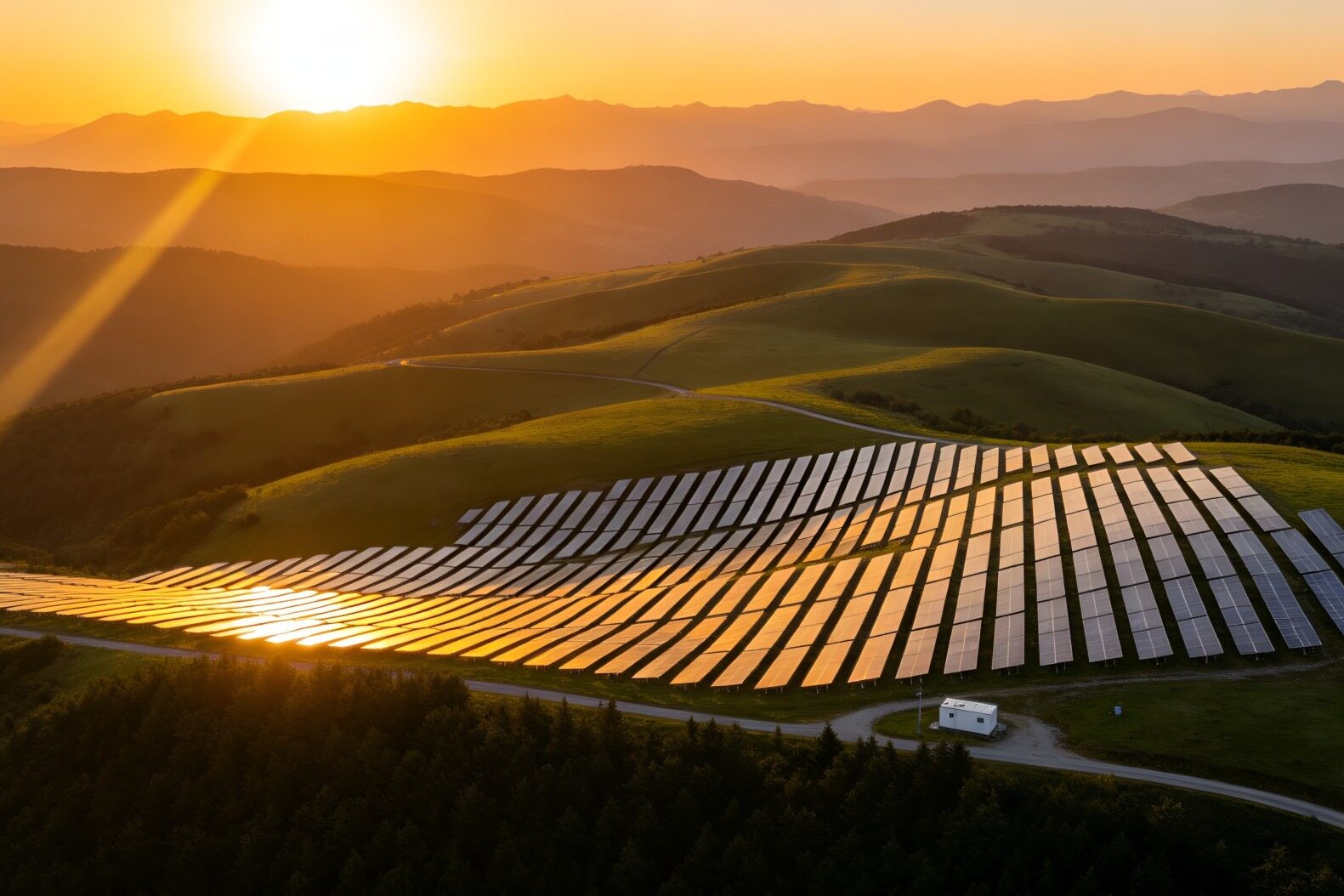
Energy cooperation is a key area in the joint construction of the the Belt and Road, which is related to the economic development of countries along the Belt and Road and China's energy security. Deepening energy cooperation between China and the three countries in the South Caucasus can not only help China build a diversified and stable energy supply system, diversify import risks, but also promote the upgrading and structural transformation of local energy facilities, achieving mutual benefit and coordinated development. The South Caucasus region is located at the core of the Eurasian continent, covering Azerbaijan, Georgia, and Armenia, and is an important channel for the transportation of Caspian Sea energy to Europe. With the restructuring of the global energy landscape and the intensification of geopolitical games, the strategic value of this region continues to rise, becoming a core area for international energy cooperation and competition.
Currently, complex regional geopolitical conflicts and differences in development demands among countries are constraining the advancement of energy integration cooperation across the entire region. The conflict between Azerbaijan and Armenia has limited the coordinated layout of energy pipelines, and Georgia's geopolitical situation poses security risks to transit channels, making it difficult for the three countries to form a development synergy. At the same time, the cooperation needs of both sides are highly compatible. China urgently needs to expand its land energy channels and optimize its energy layout. The three countries in the South Caucasus also urgently need to leverage China's capital, technology, and market to achieve their development goals of energy export, transit economy, and new energy transformation. Based on a solid foundation of complementarity, this paper systematically combs the current situation, synergy mechanism and development path of energy cooperation between the two sides, helps to build a regional energy cooperation community, and enables high-quality energy development along the the Belt and Road.
The advantages and disadvantages of multidimensional integration coexist
Relying on the the Belt and Road cooperation platform, energy cooperation between China and the three countries in the South Caucasus continues to deepen, covering oil and gas trade, infrastructure connectivity, engineering services, equipment manufacturing and other fields. A number of key projects have been launched, laying a solid foundation for bilateral strategic cooperation, while facing many practical challenges.
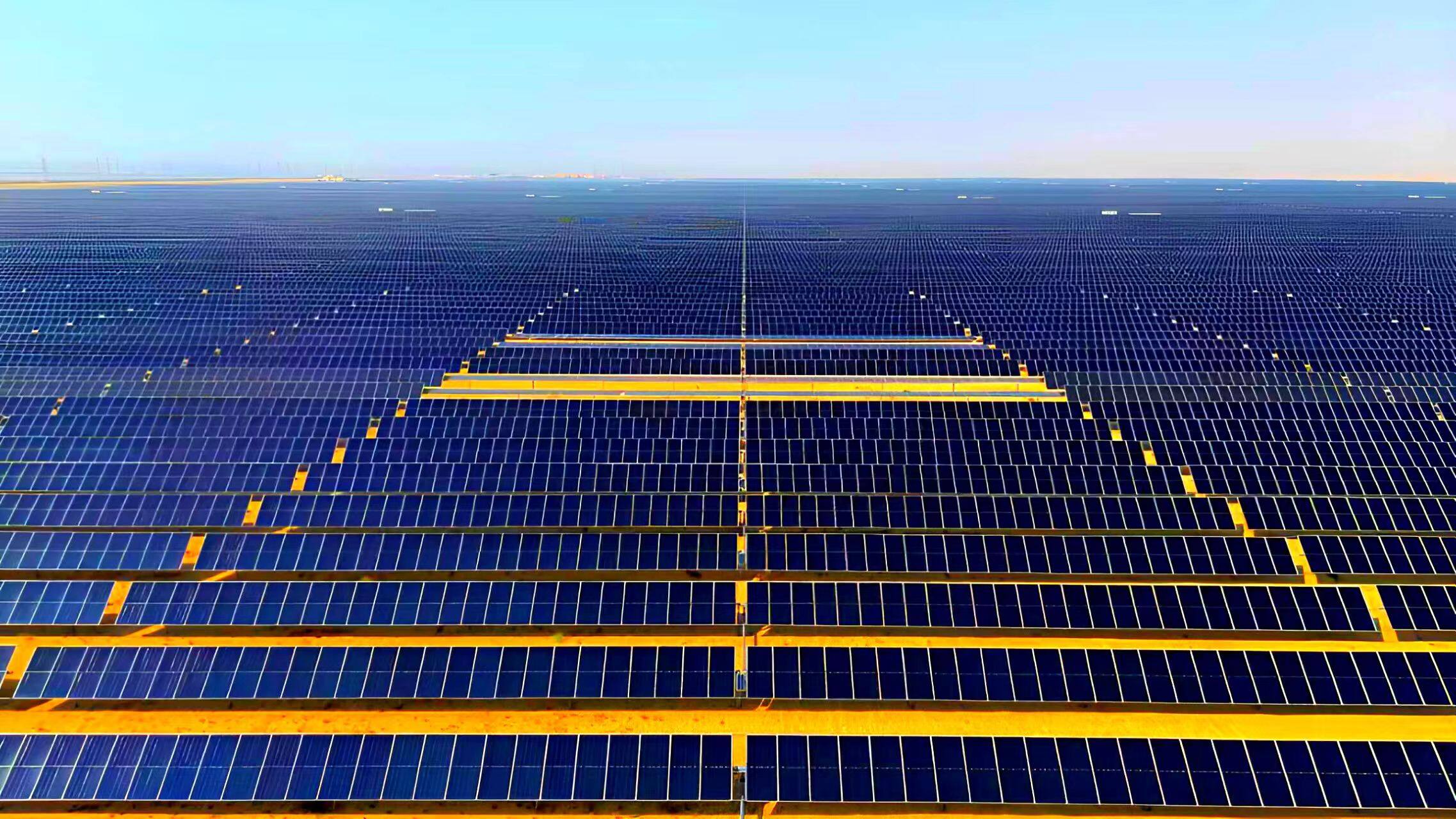
Oil and gas cooperation is the core area of cooperation between both parties. China and Azerbaijan have established a mature model of equity cooperation and technical services, deeply participating in local oil and gas exploration and development. The cooperation model has been upgraded from traditional trade to equity investment and full industry chain cooperation, effectively enriching China's energy supply channels. The oil and gas cooperation between China and Georgia is still in its early stages, with considerable development potential. The local key natural gas power station projects undertaken by China have effectively ensured the stable supply of regional energy. Infrastructure interconnectivity lays a solid foundation for energy cooperation. The BTK cross-border railway has been optimized and upgraded by the Chinese side, greatly improving the efficiency of energy and material transportation, and becoming an important transportation channel in southern China and Europe; The multimodal transport terminal jointly built by China and Arab countries has further improved the transportation system of the intermediate corridor. At the same time, the power grid projects such as substation renovation and wind power development implemented by the Chinese side have effectively improved the stability of regional power supply and helped promote the development of clean energy and low-carbon transformation in the local area.
China relies on its advantages in the entire industry chain to comprehensively assist in the upgrading of the local energy industry. Multiple Chinese energy companies provide core equipment for local power stations, effectively reducing energy consumption and increasing production capacity. Projects such as Zhongge Wind Power and Sino Arab Clean Energy are steadily advancing, continuously unleashing the potential for new energy cooperation. At the same time, the Chinese side cultivates professional talents for the local area through localized operations and technical training, and consolidates the independent development capability of the regional energy industry.
Prominent risks and insufficient collaboration
Bilateral energy cooperation has achieved significant results, but due to factors such as regional geopolitical situation and development differences, deepening cooperation still faces multiple bottlenecks and risks.
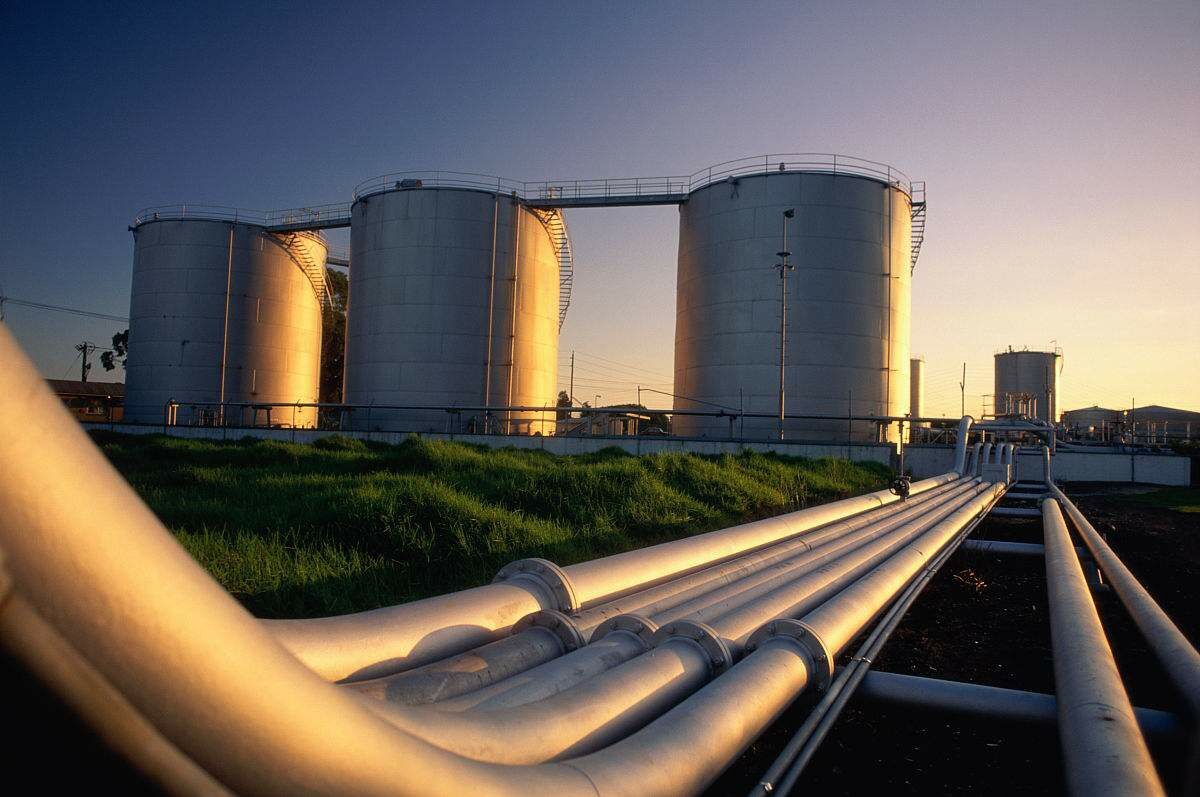
One is the prominent geopolitical risk. The South Caucasus is the core region of great power competition, where geopolitical conflicts among multiple countries have long existed and the stability of the situation is insufficient. This has led to the construction of energy channels and large-scale energy projects being vulnerable to political interference, resulting in strong uncertainty in cooperation. Secondly, there are shortcomings in infrastructure and financing. The middle corridor has problems such as insufficient sea transportation capacity, poor multimodal transport connection, and inconsistent customs clearance standards among countries, which limits transportation efficiency. At the same time, the single cooperative financing model and insufficient financial support constrain the large-scale implementation of energy projects. The third issue is weak regional collaboration capability. There are significant differences in resource endowment and development positioning among the three countries. Azerbaijan focuses on energy export, Georgia deeply cultivates transit economy, and Armenia focuses on energy independence. The development demands are difficult to unify and cannot form a regional energy development synergy, which hinders the promotion of integrated cooperation.
Dual empowerment of supply and demand alignment
The continuous deepening of energy cooperation between the two sides is the result of multiple factors such as external opportunities, two-way demand, and cooperative guarantees, forming a sound mechanism for coordinated development. From an external driving perspective, the global low-carbon energy transformation and the reconstruction of the international energy supply chain have brought significant opportunities for bilateral cooperation. The high-quality clean energy resources in the South Caucasus are highly complementary to China's leading new energy technologies, coupled with the strategic value enhancement of regional energy channels, and the cooperation space continues to expand. At the same time, the scope of energy security continues to expand, and non-traditional security risks are increasing, forcing both sides to work together to safeguard energy channels and industrial security.
From an internal perspective, the development demands of both parties are highly aligned. China has a large scale of energy consumption and concentrated import channels, which urgently require the opening of diversified land routes to ensure energy security. The countries in the South Caucasus generally face problems such as a single industrial structure, outdated energy technology, and a shortage of development funds. China's capital, technology, and market advantages can accurately assist in its industrial upgrading and diversified economic development, forming a mutually beneficial and symbiotic pattern.
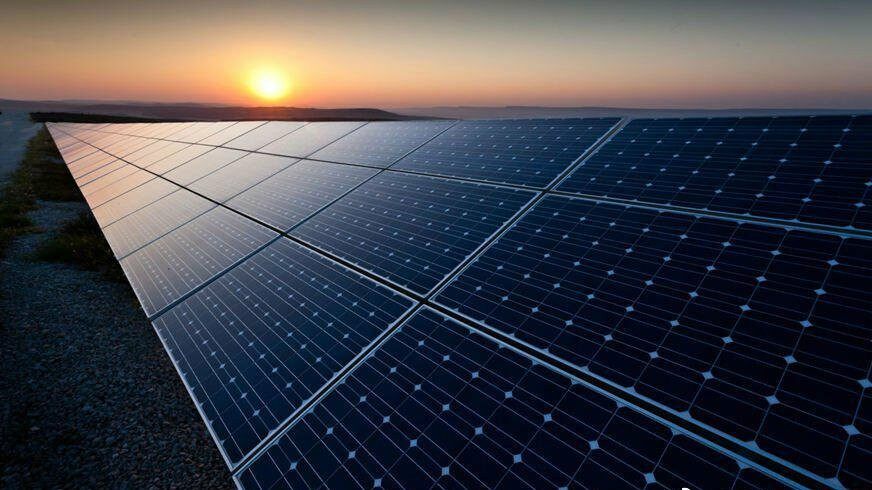
From the perspective of cooperation conditions, the foundation of bilateral cooperation is solid. The the Belt and Road Initiative is precisely aligned with the development strategies of the three countries, and policy consensus is solid; Both sides have extensive interests in areas such as energy trade, infrastructure construction, and capacity cooperation; Multilateral platforms such as SCO, AIIB and the Silk Road Fund have provided institutional and financial guarantee for project implementation. Overall, both parties have formed a triple core synergy advantage: in terms of supply and demand synergy, regional stable energy supply complements China's huge consumer market, reducing market volatility risks; In terms of geopolitical coordination, land energy channels make up for the shortcomings of China's maritime channels and alleviate the risk of dependence on a single channel; In terms of development synergy, China's advantages in the entire industry chain help upgrade the local energy industry, drive regional industrial linkage and economic integration, and achieve a win-win situation.
Multi dimensional efforts to improve quality and upgrade
To fully unleash the collaborative value of cooperation and promote the quality and efficiency improvement of energy cooperation, both parties can make precise efforts from three dimensions: strategy, mechanism, and project, and build a comprehensive and multi-level cooperation system.
At the strategic level, deepen mutual trust and coordination, and consolidate consensus on cooperation. Strengthen bilateral high-level dialogue and policy communication, prioritize energy cooperation as a key area of cooperation, and develop precise cooperation plans based on the differentiated development needs of each country. Building a regional energy dialogue mechanism based on multilateral platforms, adhering to the principle of consultation, co construction and sharing, respecting the development demands of all countries, and creating an open and inclusive cooperation environment. At the mechanism level, improve the cooperation platform and strengthen the guarantee system. Establish a special energy cooperation working group and enterprise alliance to coordinate project promotion and solve cooperation difficulties. Innovate investment and financing models, establish special funds relying on multilateral financial institutions, promote diversified cooperation models, and leverage social capital participation. Promote the pilot of RMB settlement in energy trade, deepen financial cooperation, and avoid exchange rate and market risks.
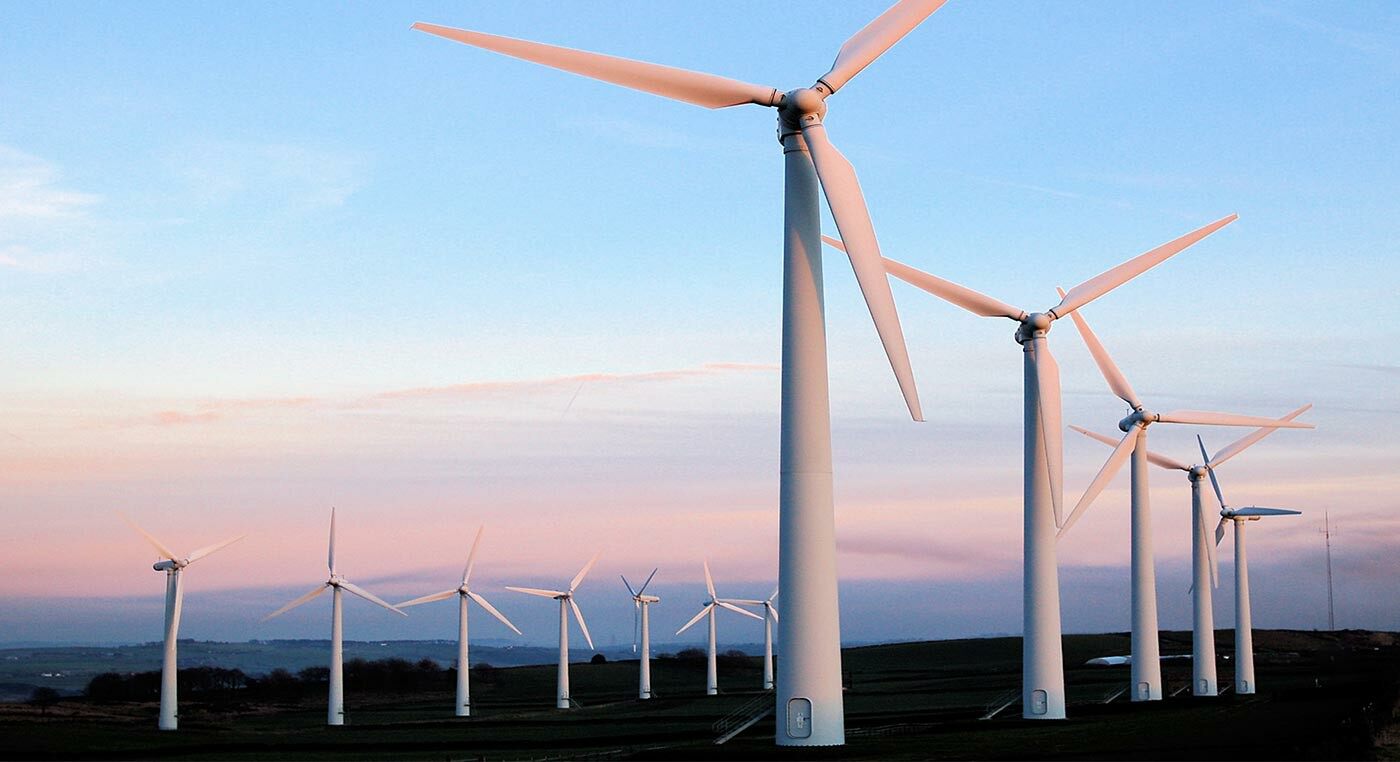
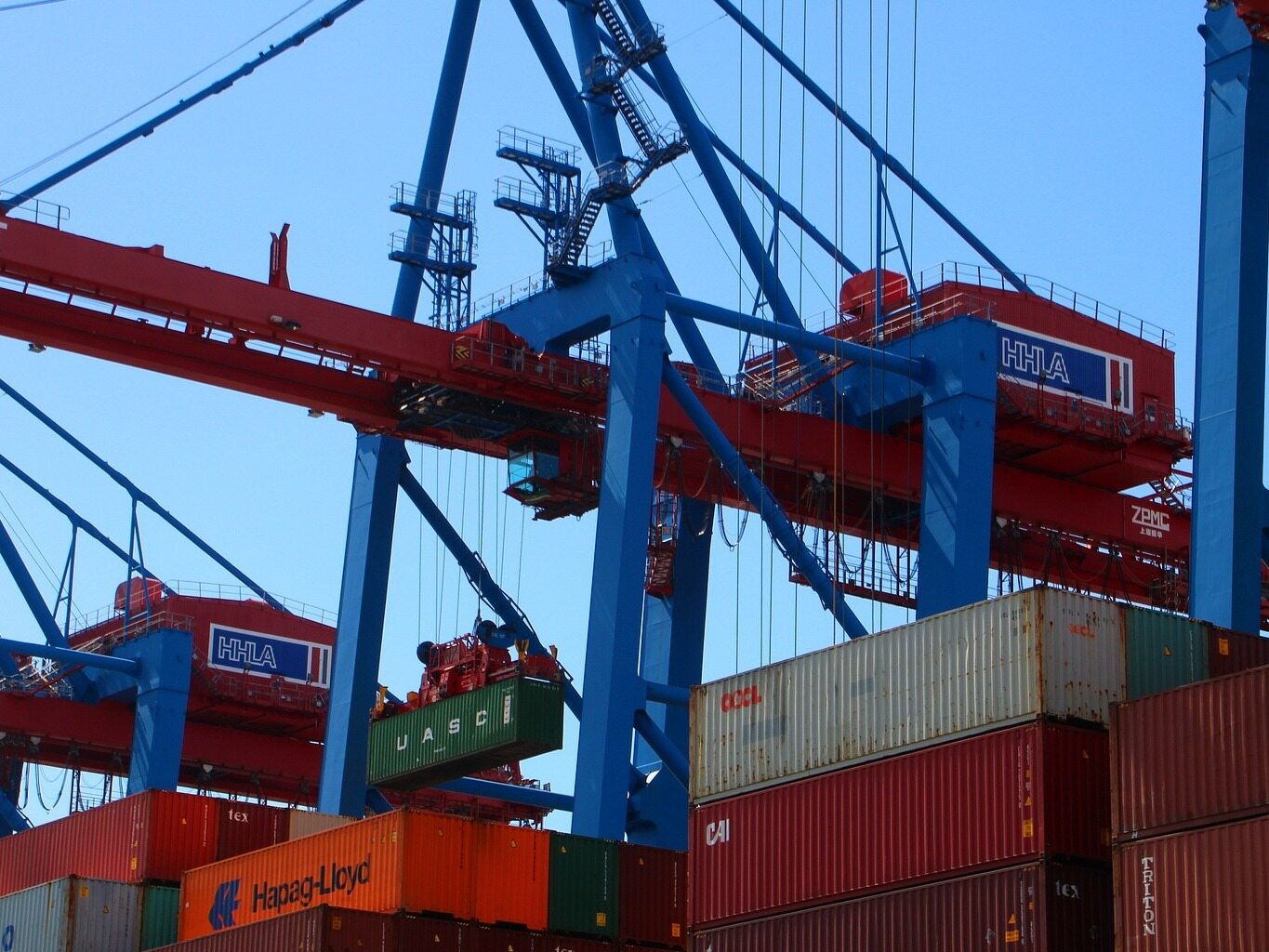
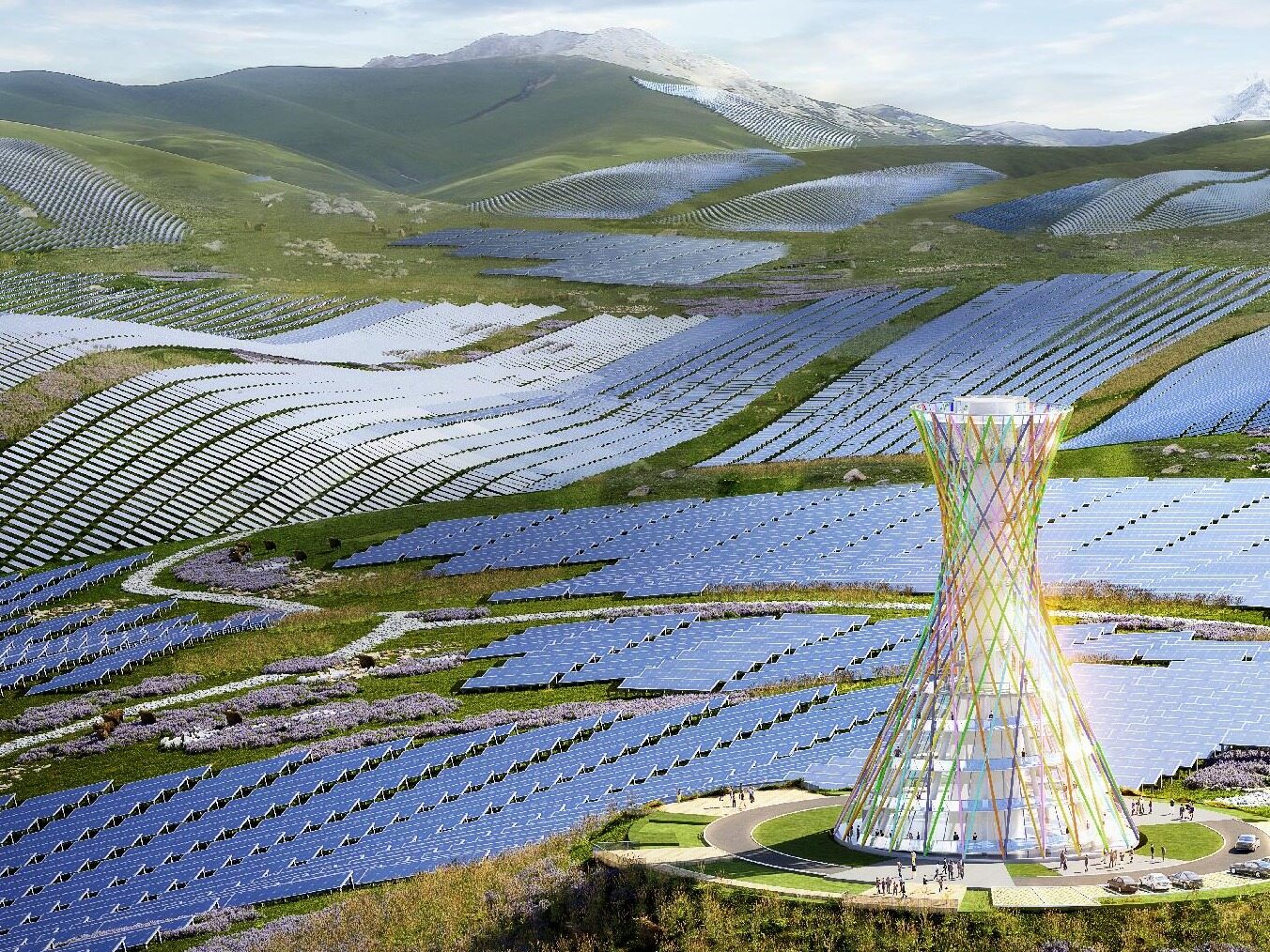
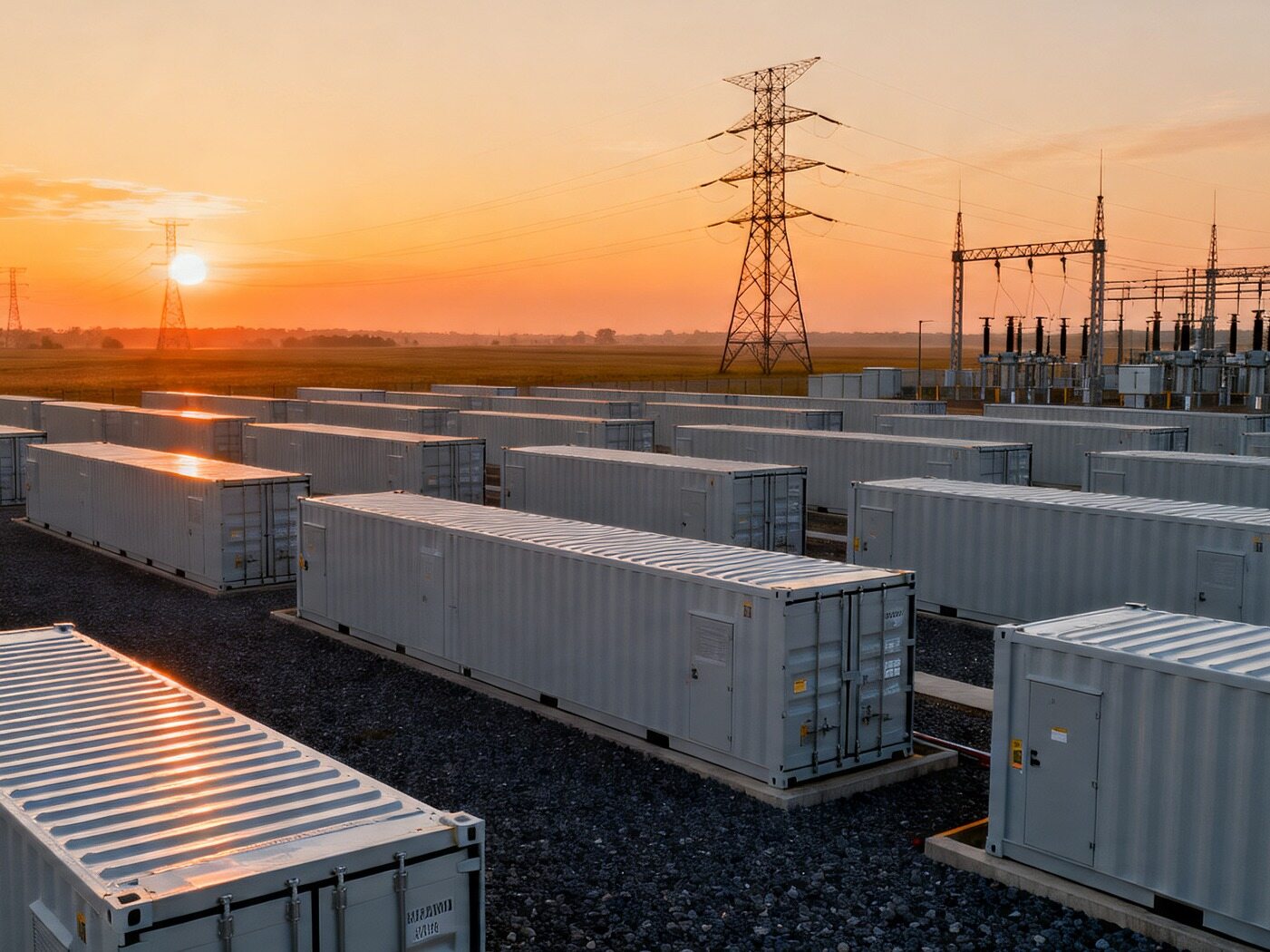
At the project level, focus on key areas and promote practical implementation. Consolidate traditional oil and gas cooperation, deepen Azerbaijan's oil and gas equity and trade cooperation, and expand the trans Caspian energy corridor. Continuously upgrading cross-border infrastructure such as railways, ports, and pipelines to enhance the efficiency of channel connectivity. Deeply cultivating the field of new energy, carrying out cooperation in photovoltaics, wind power, energy storage, and smart grids according to local conditions, and assisting in the green and low-carbon transformation of regional energy. Keywords: the Belt and Road, South Caucasus, energy cooperation
The South Caucasus region is a key fulcrum of China's the Belt and Road energy cooperation. Bilateral cooperation has a solid foundation, strong complementarity of resources, and huge development potential. Despite facing challenges such as geopolitical risks and insufficient regional coordination, the interests of both sides are highly aligned and the cooperation momentum is sufficient. In the future, the two countries can rely on their multidimensional synergies to deepen practical cooperation, innovate cooperation models, prevent various risks, and continue to build a regional energy cooperation community, contributing to safeguarding China's energy security, promoting regional prosperity, and improving the global energy governance system.Editor/Gong Ziwei
Comment




 Praise
 Collect
 Comment

 Share
Share


Write something~