 Search


- Scientific innovation enables fishing and light to complement each other, and Shandong saline alkali mudflat becomes a green energy base
- The third phase of the 2 GW fishery photovoltaic complementary power generation project in Zhanhua, Binzhou, Shandong Province has successfully achieved grid connected power generation
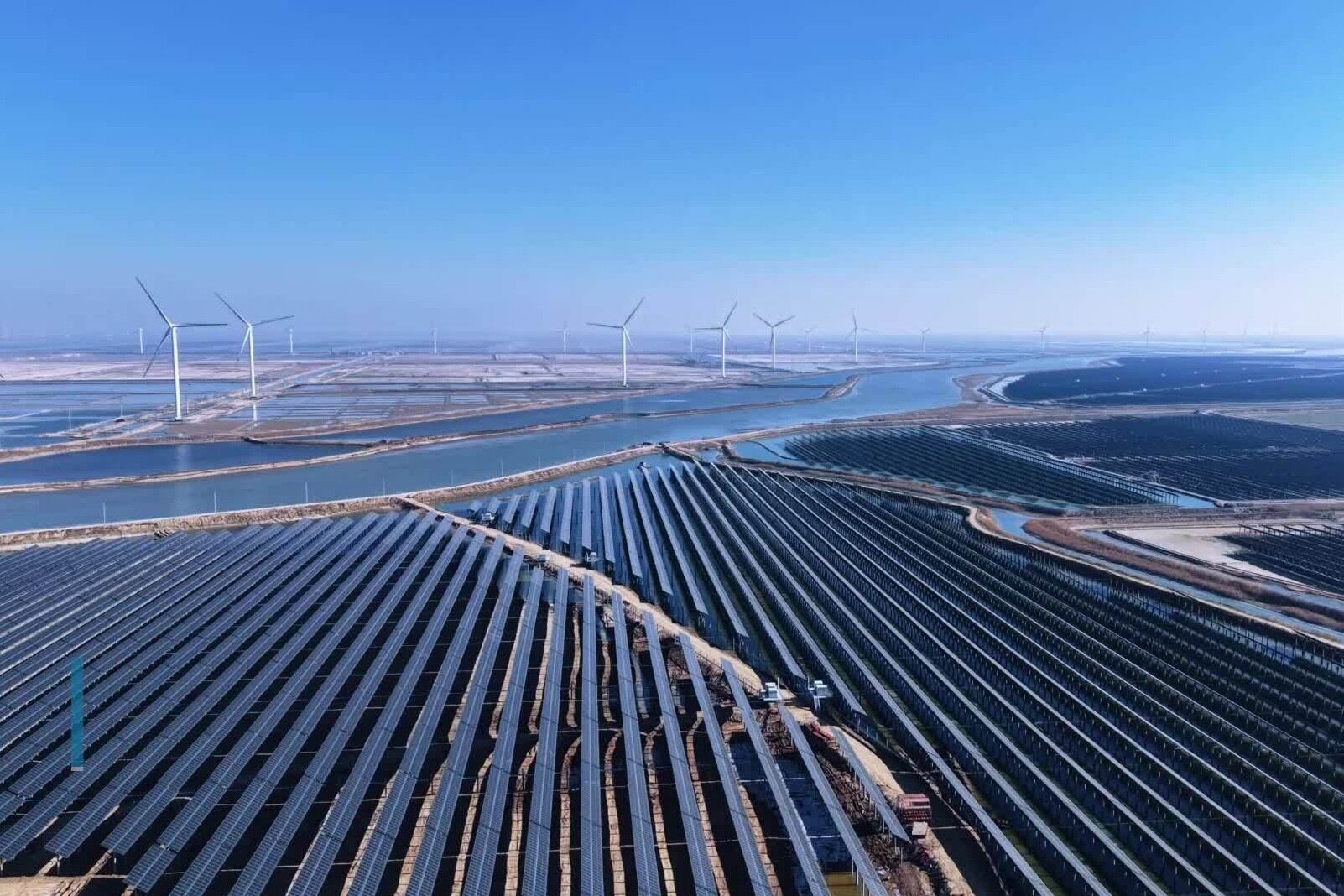
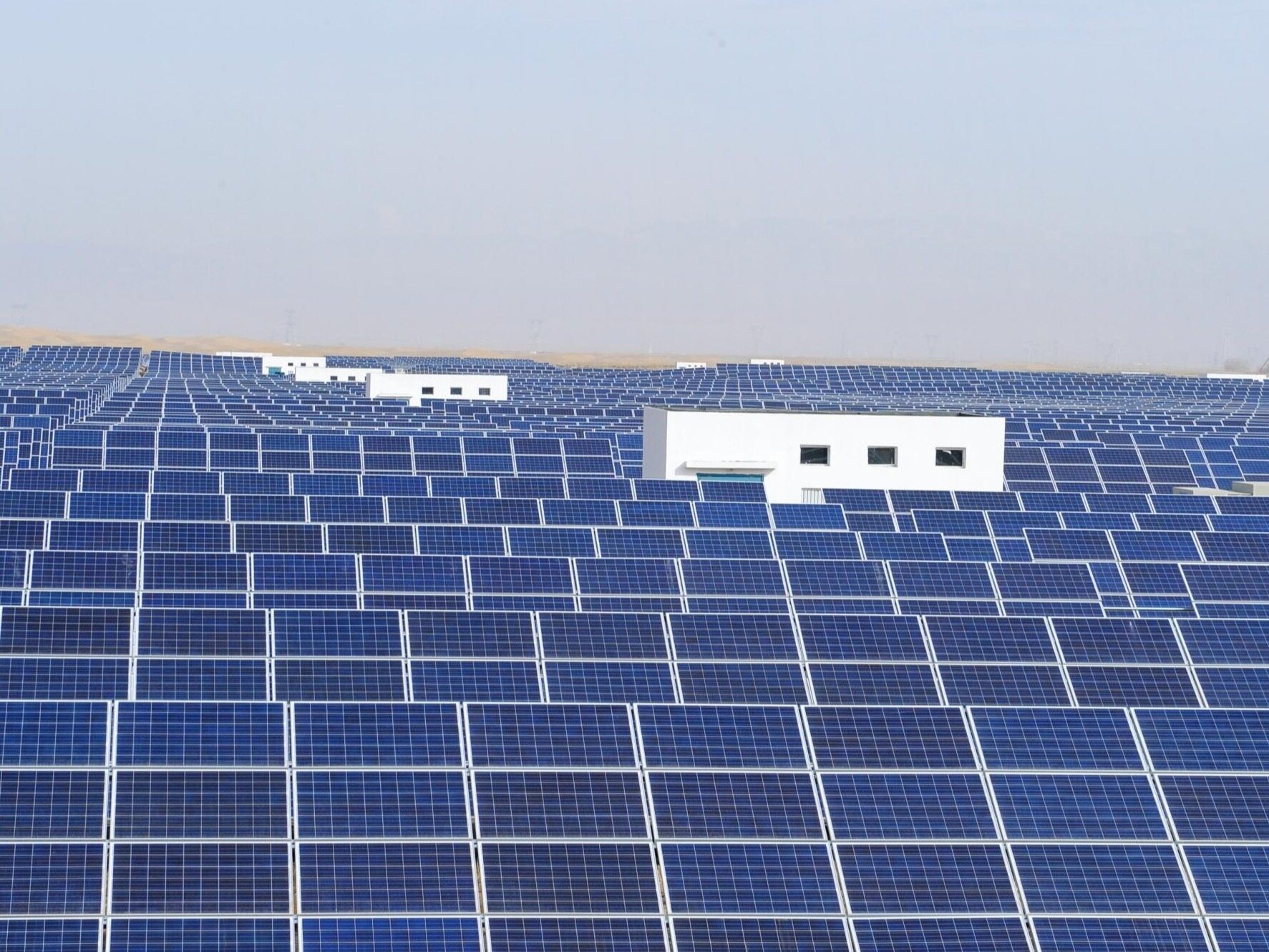
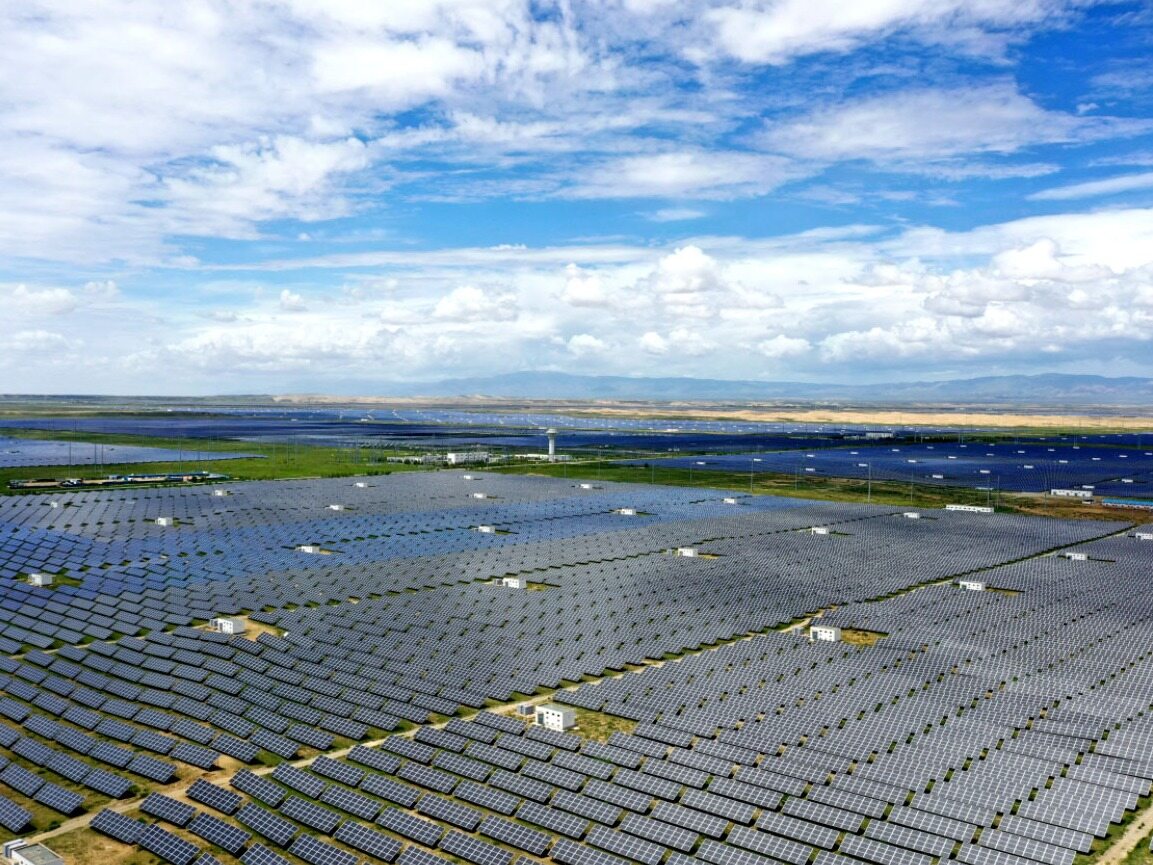
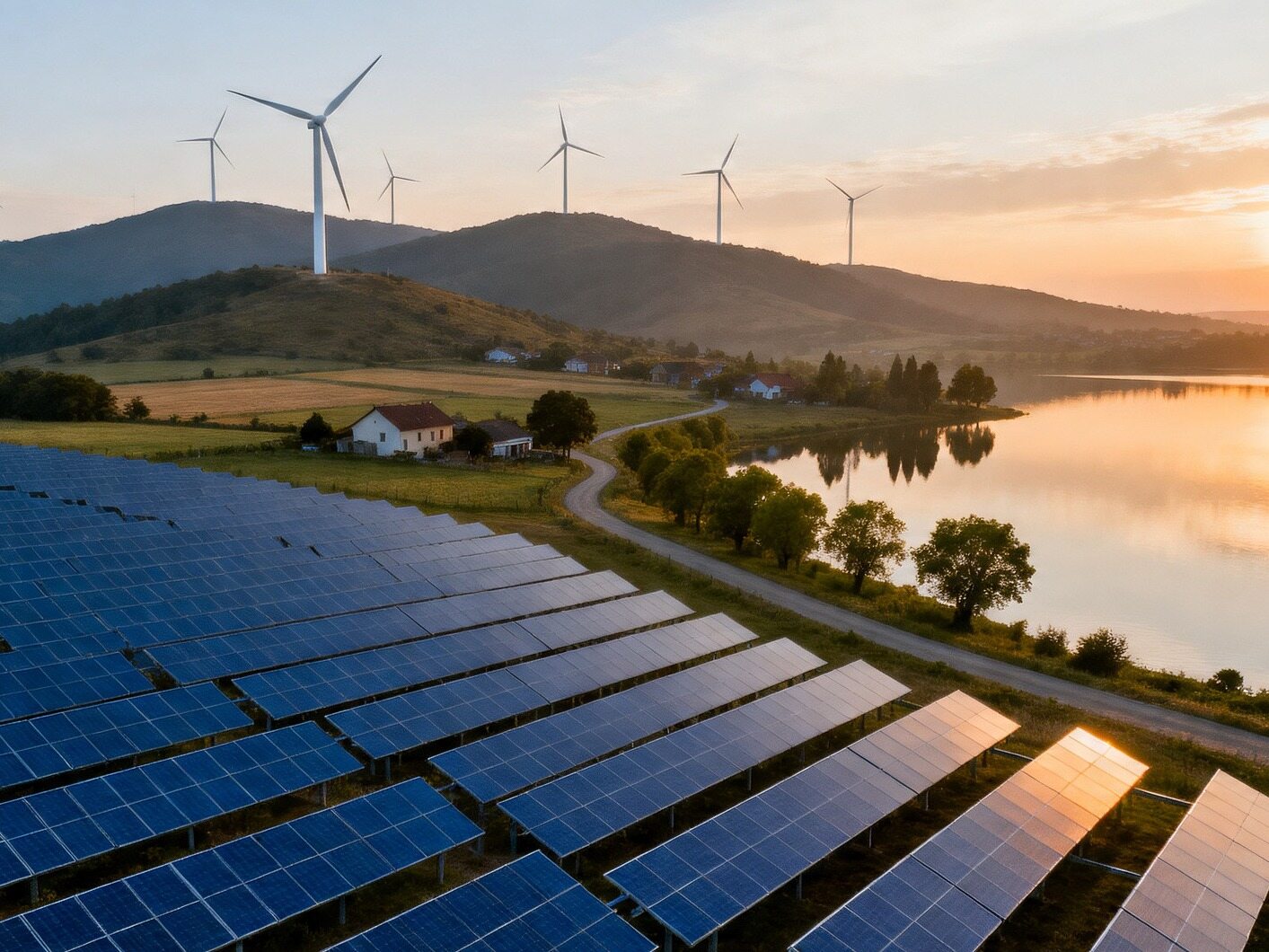
The barren beach has transformed into a new appearance, with the blue sea reflecting the clear sky. Recently, the third phase of the world's largest fishery photovoltaic complementary power generation project, the Binzhou Zhanhua 2 GW fishery photovoltaic complementary power generation project, constructed by China Power Construction, has successfully achieved grid connected power generation. The once barren saline alkali mudflat, relying on the mode of water power generation and underwater aquaculture, have found a new path of green development that gives consideration to both ecology and benefits.
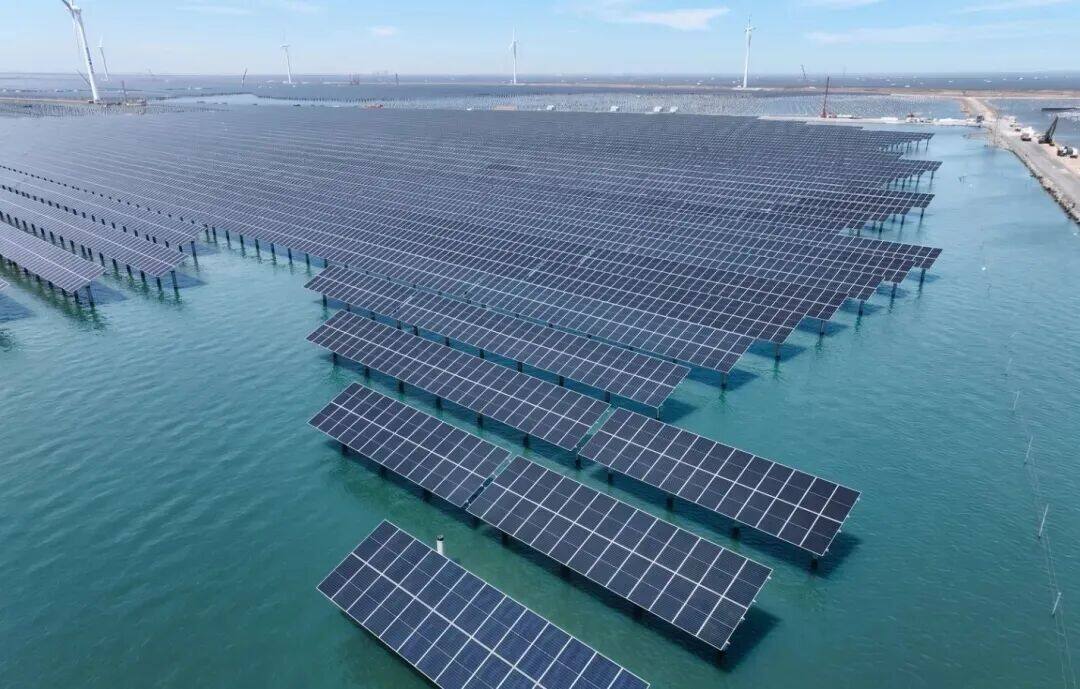
Large scale and complete layout
The project is located in Binhai Town, Zhanhua District, Binzhou City, Shandong Province, with a total area of approximately 66000 acres and a planned total installed capacity of 2 gigawatts. It will also be accompanied by the construction of a leading 220 kV substation and transmission line in Asia. The project adopts a five phase segmented construction mode, with China Electric Power Construction 10th Bureau responsible for the EPC general contracting of the booster station, transmission line, and the construction of the PC section of the photovoltaic plant area. At present, the first and second phases of the 299 MW capacity project have been fully connected to the grid and put into operation. The installed capacity of the third phase of the project is 203 megawatts, which can meet the annual electricity demand of 200000 households after completion, and has a significant role in empowering people's livelihoods.
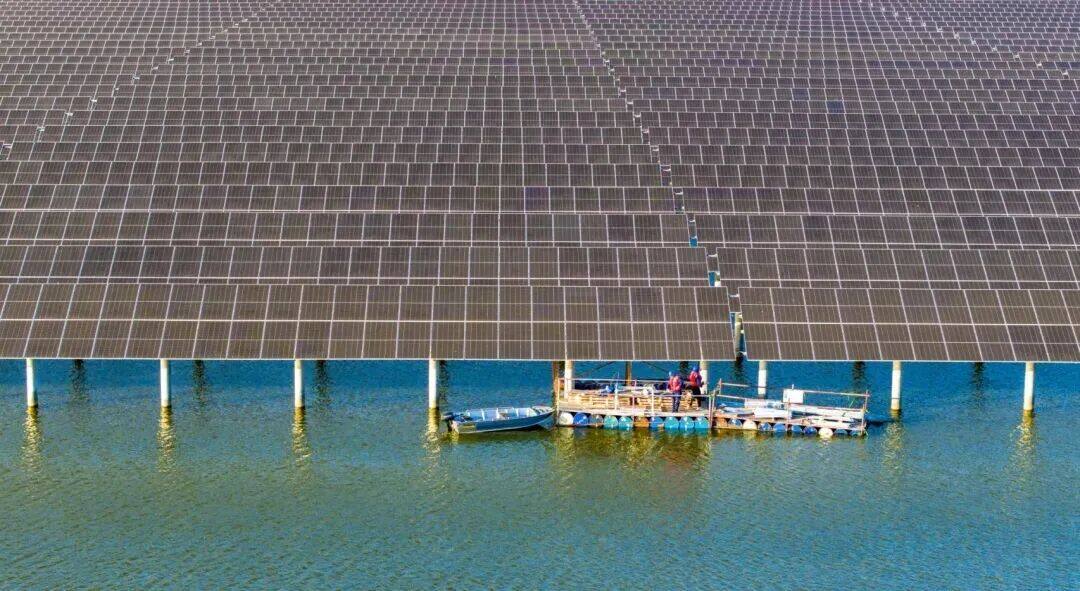
The project innovatively implements the development mode of fishing and light complementation of water power generation and underwater aquaculture, effectively promotes the deep integration of photovoltaic new energy industry and traditional aquaculture industry, turns the idle saline alkali wasteland into a green treasure basin with high efficiency and income increase, and further improves the overall layout of the integration base of wind, light, storage and transmission on the saline alkali mudflat in northern Shandong.
Science and technology empower efficient construction
The construction scope of the third phase project is wide, the volume is huge, and it is located in the coastal mudflat, the geological environment is complex, and the construction is difficult. To ensure the high-quality and efficient promotion of the project, the China Electric Power Construction project team has taken multiple measures and innovatively tackled challenges. At the technical level, smart security and intelligent traffic management systems will be implemented, combined with unmanned aerial vehicles and fast boats for joint inspection mode; At the material level, PHC prestressed high-strength concrete pipe piles and anti salt spray and weather resistant steel special supports are used to adapt to the special coastal environment; At the process level, we will promote new technologies such as pre assembly of photovoltaic brackets, construction of prefabricated platforms, and optimization of electrical design; At the equipment level, advanced equipment such as the Beidou cloud pile driving positioning system and professional water pile driving boats were deployed to replace traditional construction equipment, setting an excellent construction record of 1399 piles per day. Keywords:Photovoltaic new energy information,Photovoltaic new energy news,Photovoltaic New Energy Latest News Network,solar energy storage projects
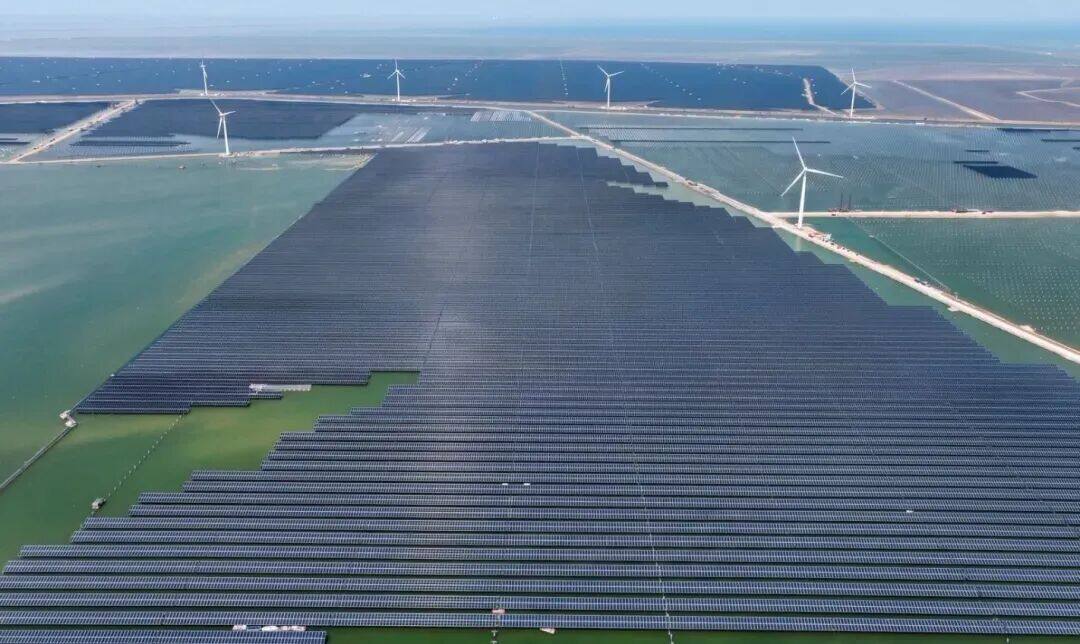
After achieving full capacity grid connection, the project can output approximately 3.39 billion kilowatt hours of clean and green electricity annually. It is of great practical significance and demonstration value to promote the conversion of new and old kinetic energy in Shandong Province, optimize the regional energy supply structure, reduce regional pollutant emissions, and accelerate the construction of the integration base of landscape, wind and storage of salt marshes in northern Shandong.Editor/Gong Ziwei
Comment


 Praise
 Collect
 Comment

 Share
Share


Write something~