 Search


- China's hydrogen energy industry is transitioning from policy driven to market driven
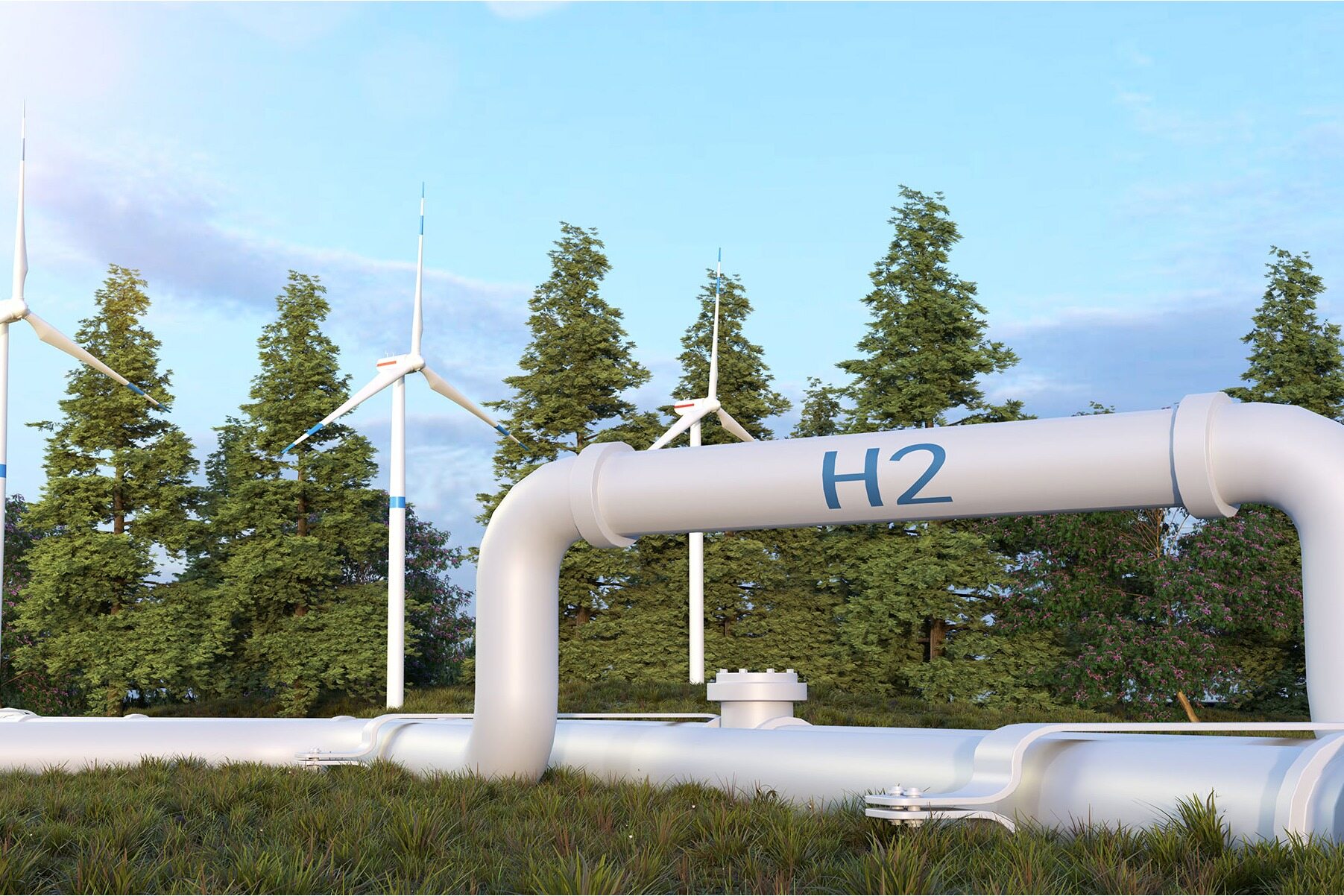
The hydrogen energy industry in China is at a critical juncture of transitioning from policy driven to market driven. Since its first inclusion in the government work report in 2019, hydrogen energy has gradually completed its identity transition from a forward-looking layout to a strategic pillar. In 2025, the Energy Law will include hydrogen energy in the energy management system for the first time at the legal level. The 2026 government work report proposes the establishment of a national low-carbon transformation fund to cultivate new growth points such as hydrogen energy.
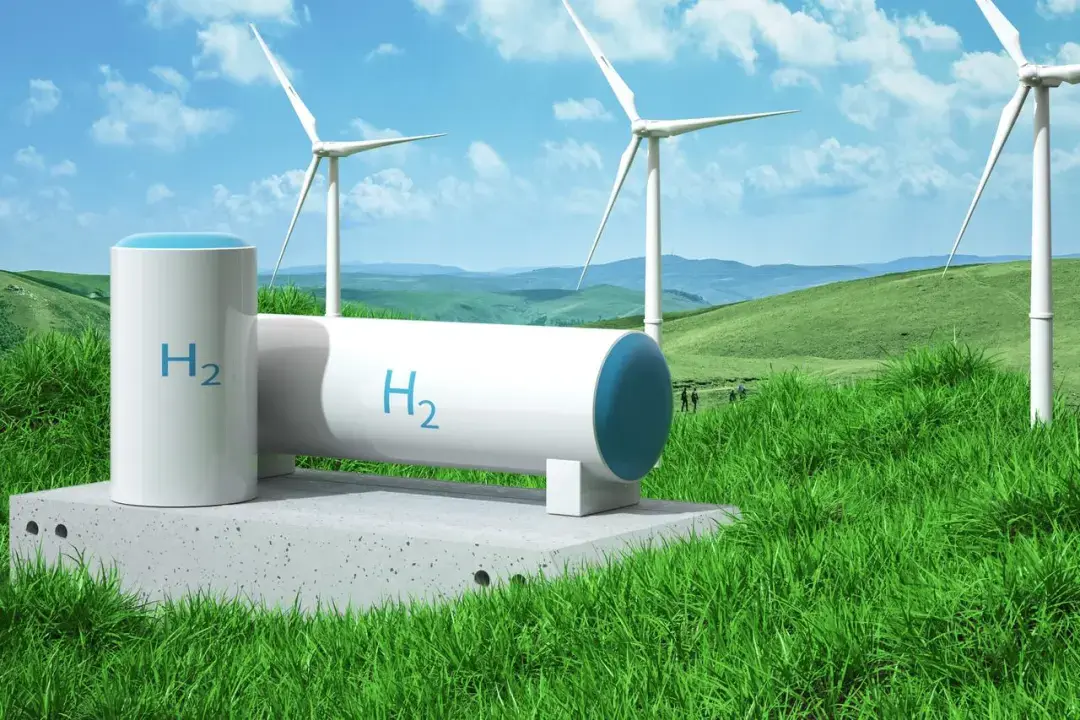
Policy dividends continue to be released
In March 2026, the Ministry of Industry and Information Technology, the Ministry of Finance, and the National Development and Reform Commission issued a notice to expand the application scenarios of hydrogen energy from fuel cell vehicles to multiple fields such as transportation and industry through urban cluster pilot sites. By the end of 2025, the cumulative sales of hydrogen fuel cell vehicles will be nearly 40000, and 574 hydrogen refueling stations will be built. The application of hydrogen energy is accelerating its expansion from transportation to green fuels, metallurgy, energy storage and other fields. China's first million ton nearly zero carbon steel production line has been connected in Zhanjiang, and the world's first commercial green hydrogen ammonia project has produced the first tank of green ammonia in Inner Mongolia.
The cost inflection point is accelerating and becoming apparent
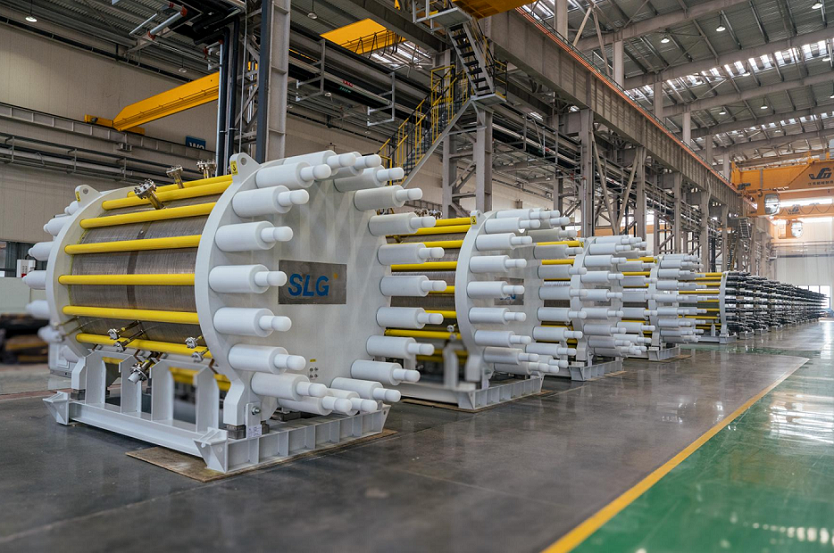
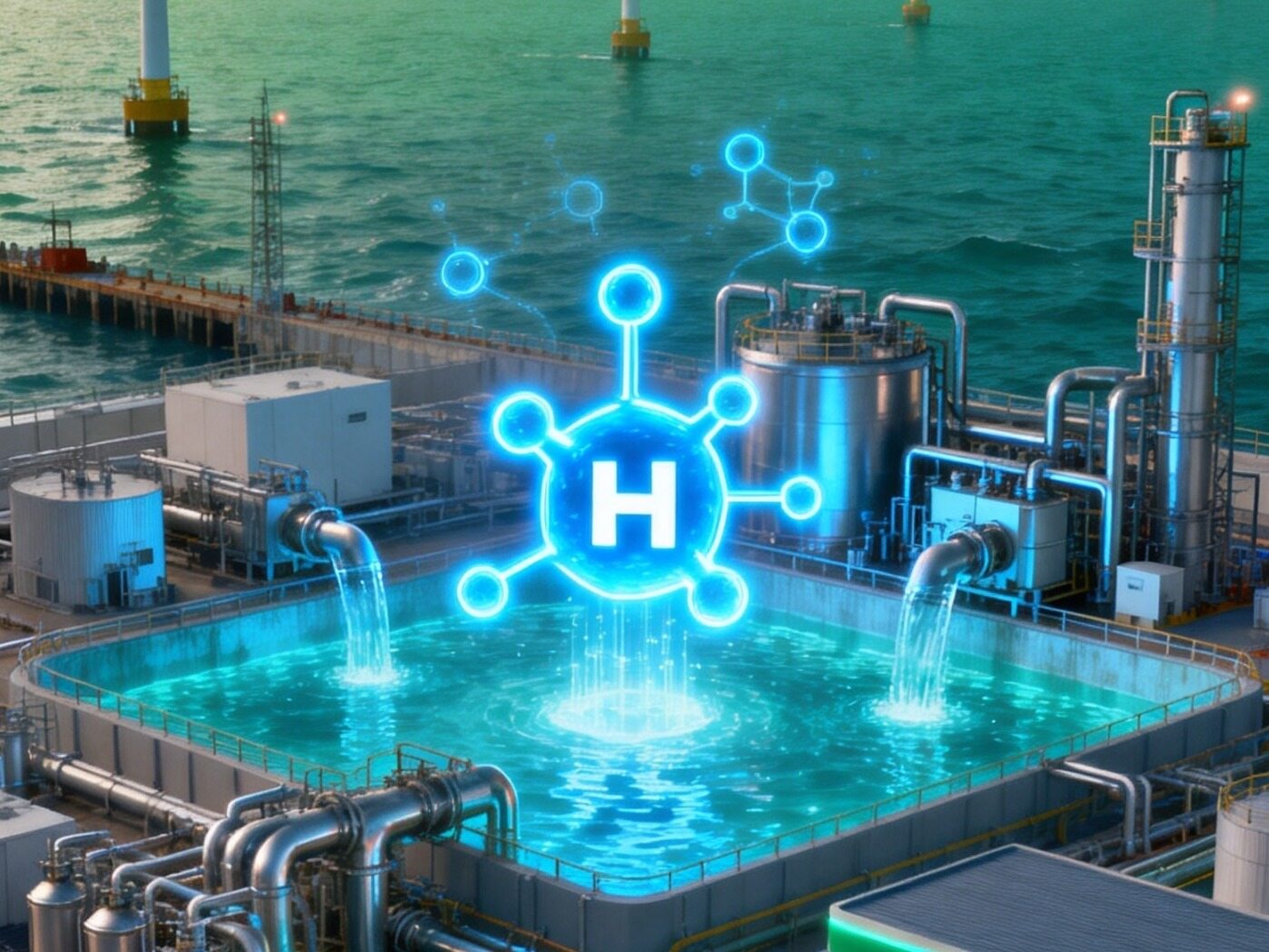
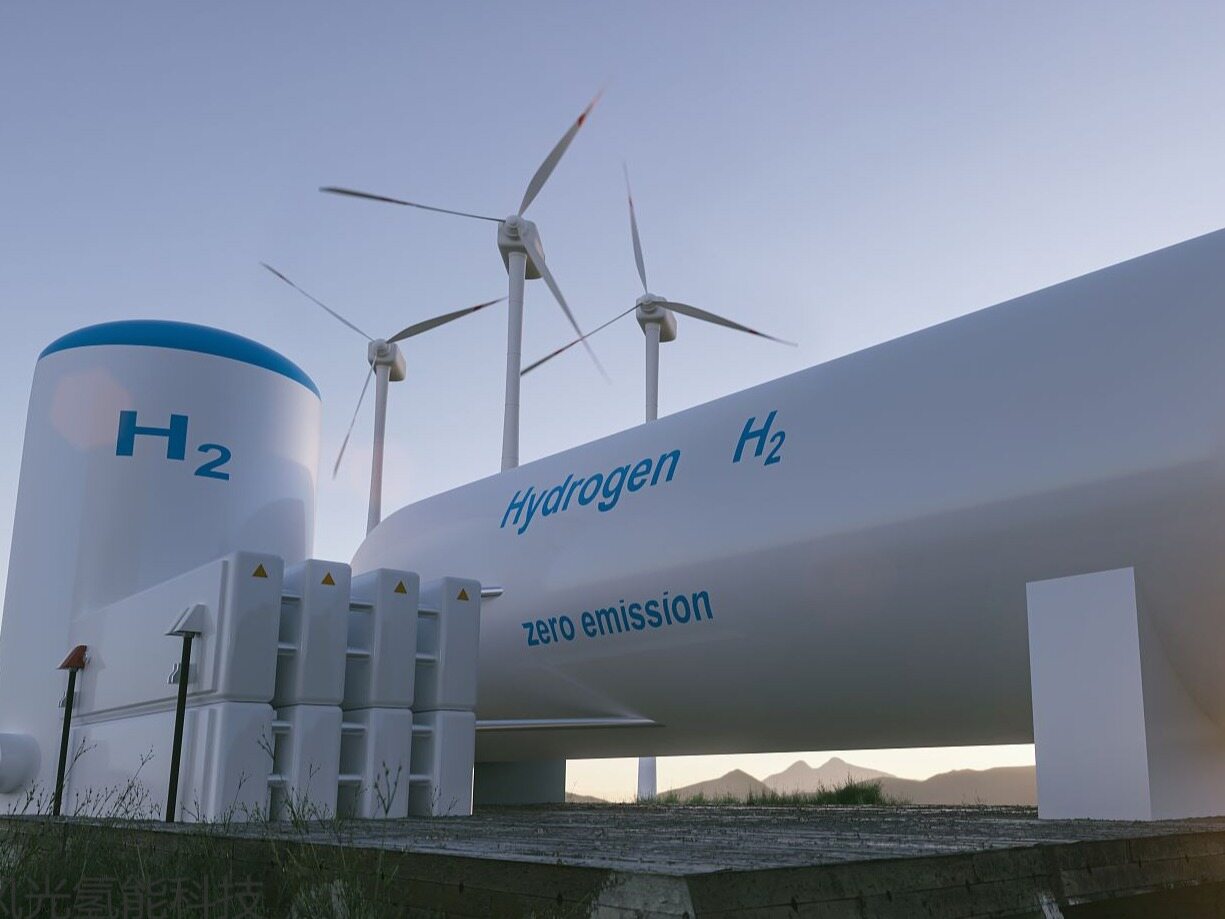
The person in charge of Shuangliang Energy Conservation stated that the cost of green hydrogen in areas with abundant wind and solar resources has shown a clear downward trend. The cost of electricity accounts for the main proportion of the total cost of green hydrogen, and with the large-scale development and grid connection of wind and photovoltaic bases in the western region, the cost of green electricity is steadily declining. The cost of electrolytic cell equipment continues to decrease, and the wind solar direct hydrogen production mode effectively reduces the cost of intermediate links. Local green hydrogen has gradually developed the potential to compete with fossil fuel based hydrogen production. Keywords: New Energy News Network, Hydrogen Energy
Enterprises strive for efficient delivery
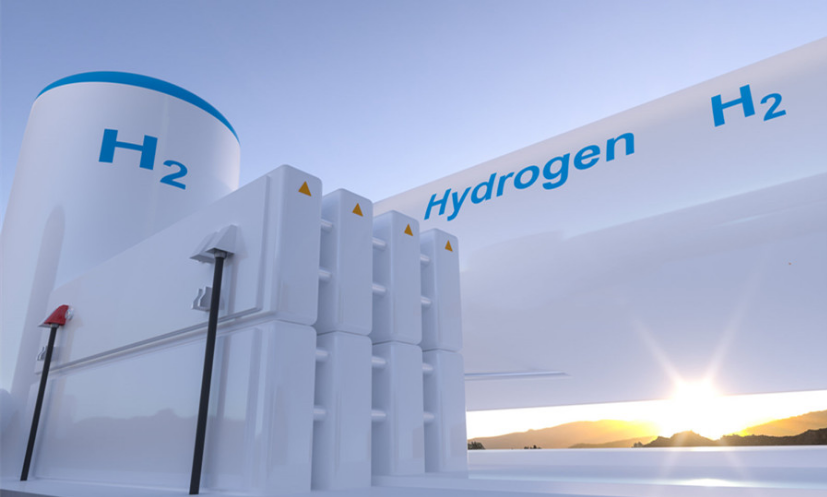
As of the end of March 2026, the scale of renewable energy hydrogen production capacity built and under construction in China exceeds 1 million tons per year, of which over 250000 tons are built and put into operation per year, an increase of more than double compared to the end of 2024. Shuangliang Energy Saving has launched 16 sets of green electricity intelligent hydrogen production systems for the Oman ACME green ammonia project, completing the entire closed-loop process from winning the bid to delivery. CITIC Securities pointed out that substantial progress is expected in areas such as hydrogen electric coupling and industrial carbon reduction, and the industry is expected to enter a virtuous cycle of cost reduction and volume increase.Editor/Gao Xue
Comment

 Praise
 Collect
 Comment

 Share
Share


Write something~