 Search


- This project marks China's official departure from the demonstration phase in the field of hydrogen based liquid fuels
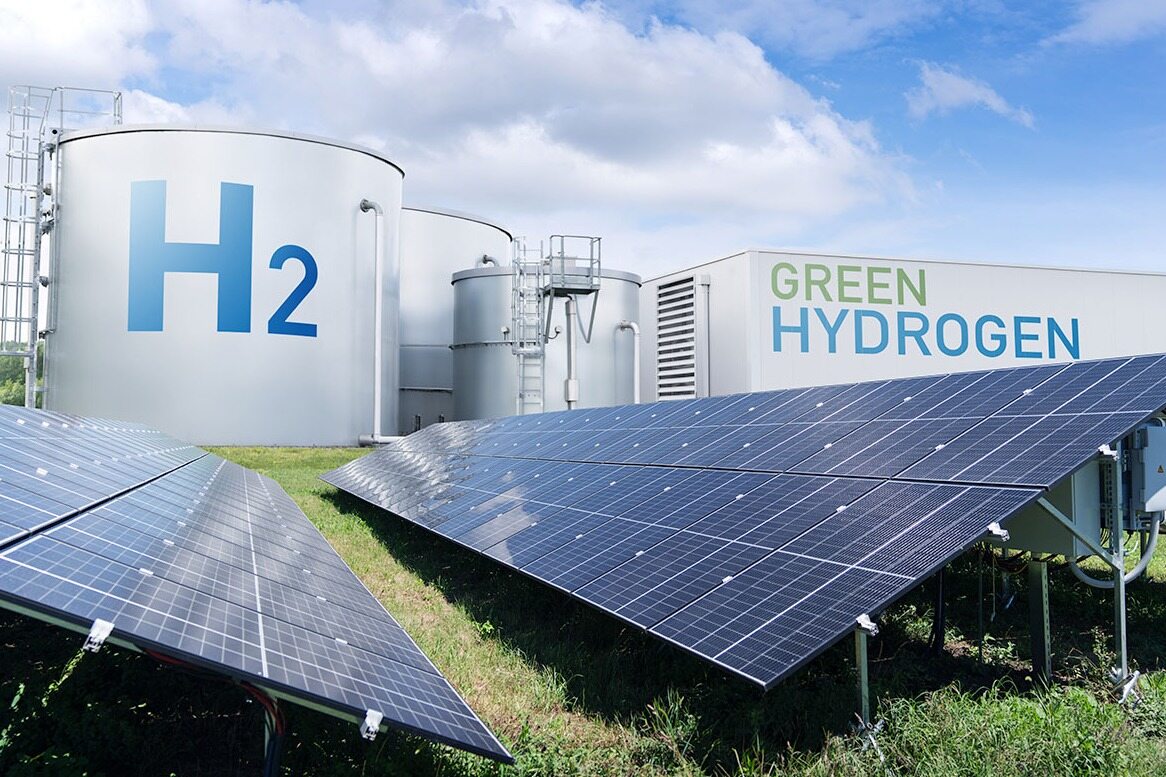
In the cold wind of the Liaohe Plain in Northeast China, a calm and turbulent current about the transformation of energy forms is accelerating. When CEEC China Electric Power Engineering Consulting Group buried the first pile foundation in Kangping County, Shenyang, China's first 500000 ton wind solar hydrogen fusion biomass green alcohol oil demonstration project officially moved from drawings to reality. This is not only the breakthrough of a single project, but also a historic milestone for the hydrogen energy industry to transition from a single gaseous application to liquid fuel.
In the face of the natural contradiction between wind and solar green wave dynamics and chemical production continuity, this project attempts to build a liquid solar power plant on black soil through innovative coupling technology routes, providing a large-scale solution from China for the global shipping and aviation industry that is difficult to decarbonize.
Breaking down the molecular barriers between green hydrogen and biomass
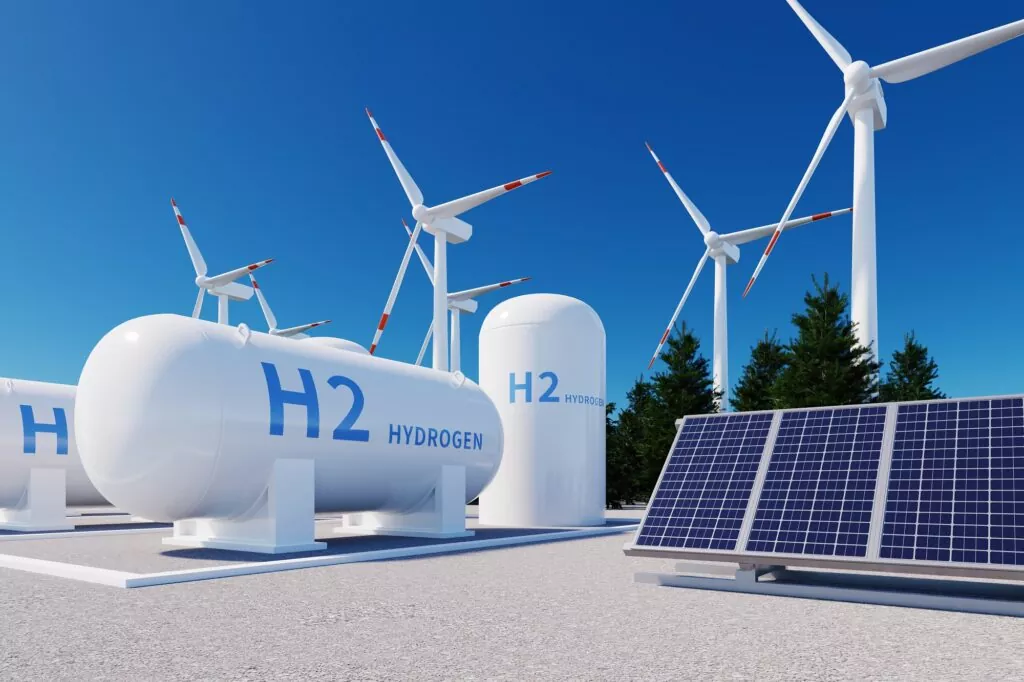
For a long time, green hydrogen production has been plagued by difficulties in electricity costs and energy storage, while biomass gasification faces bottlenecks in raw material collection and synthesis efficiency. The core breakthrough of the Shenyang project lies in the construction of a deep coupling system of "wind solar hydrogen production+biomass gasification". Unlike traditional single technology routes, this project utilizes the abundant wind and solar resources in Kangping County to drive electrolysis of water for hydrogen production, while converting surrounding agricultural waste into synthetic gas.
According to authoritative institutions' calculations, this dual source gas supply model can increase carbon utilization efficiency to over 95%, reducing carbon emissions by about 60% compared to the traditional coal to methanol pathway. The green alcohol oil efficient synthesis technology barrier overcome by the project actually solves the matching problem between the volatility of green hydrogen and the stable operation of biomass gasification furnaces. Through an intelligent scheduling system, millisecond level load response is achieved, allowing unstable wind power to ultimately be converted into stable liquid fuel.
From gram level experiments to the industrial torrent of millions of tons
The annual production capacity of 500000 tons not only fills the gap in industry scale demonstration, but also means a significant downward shift in the cost curve of green alcohol oil. According to the "Hydrogen Industry Development Report" released by the China Hydrogen Energy Alliance, when the production scale of green alcohol exceeds the critical point of 300000 tons, its unit cost will have the potential to compete with fossil fuels.
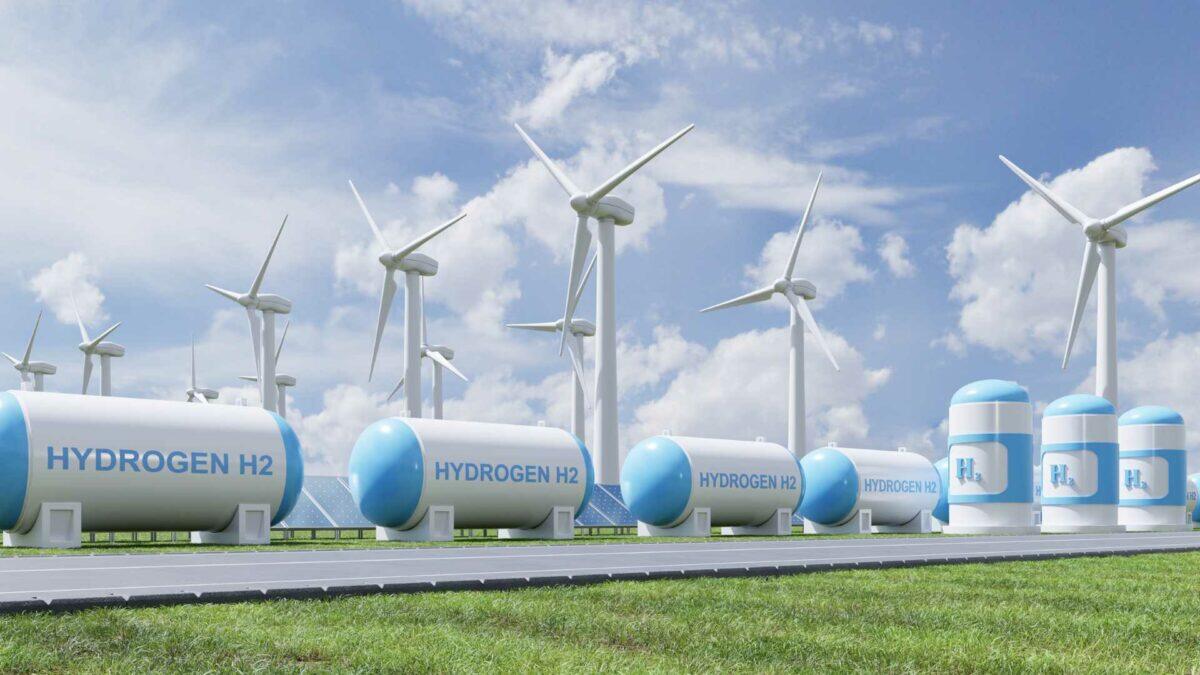
The green methanol and sustainable aviation fuel produced by this project accurately benchmark the decarbonization needs of global shipping giants Maersk Line and Dafei Shipping. The International Energy Agency predicts that the global green shipping fuel shortage will reach 20 million tons by 2030, and the start of the Shenyang project is timely. As the leader of Shenyang Biochemical Industry Park, it will also drive the downstream high value-added chemical industry chain to gather in Liaoning, injecting a shot in the arm for the green transformation of the old industrial base in Northeast China. Keywords: new energy, wind solar hydrogen alcohol
When the first can of green alcohol oil is produced in Shenyang, it will not only release energy when burned, but also the determination of China's energy structure transformation. In the long tunnel of switching from fossil fuels to new energy, this 500000 ton energy island is like a lighthouse, proving the coupling of technology and economies of scale.Editor/Cheng Liting
Comment


 Praise
 Collect
 Comment

 Share
Share


Write something~