 Search


- Green intelligent dual wheel drive accelerates the construction of a modern inland waterway transportation system
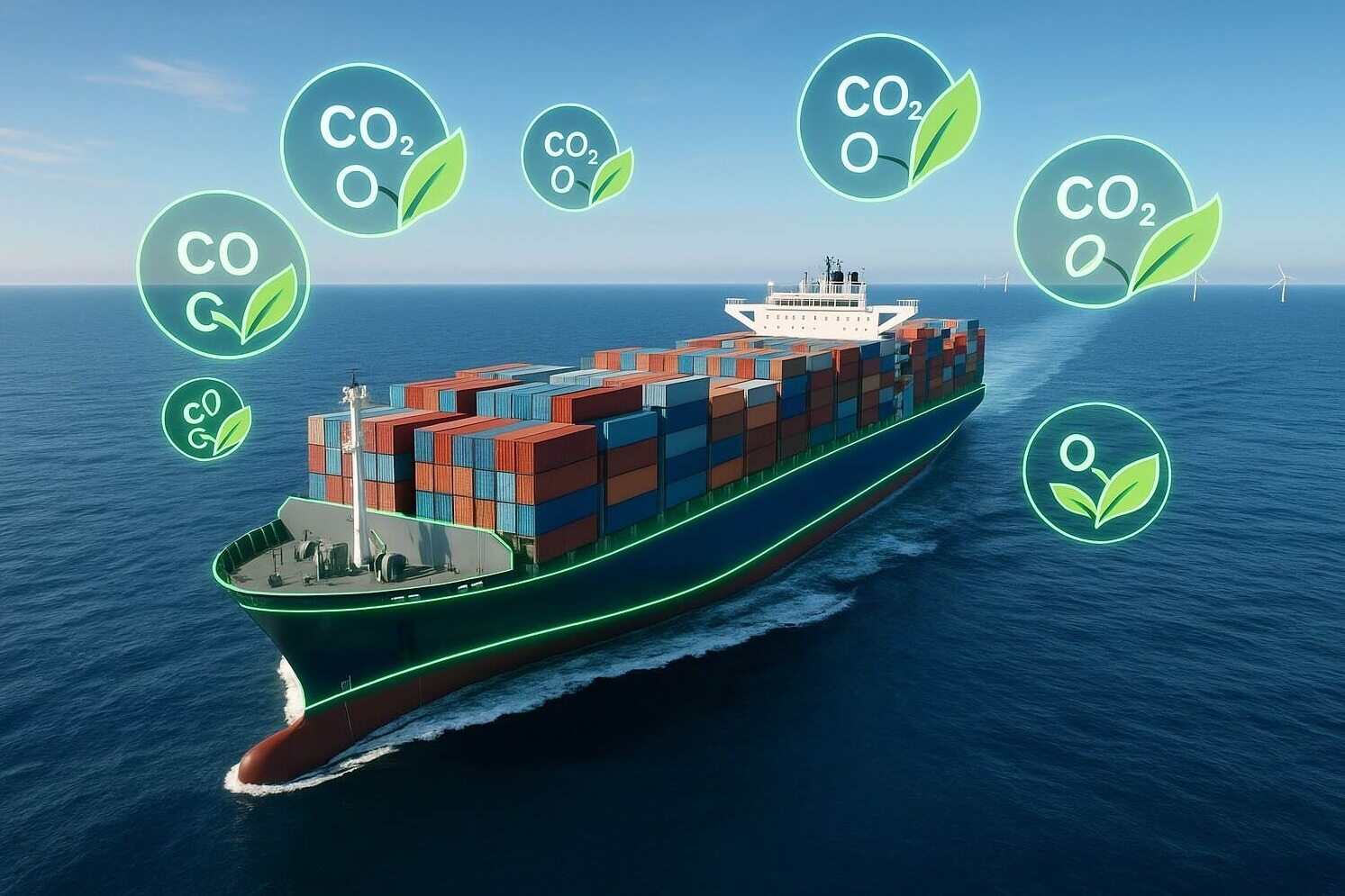
In May 2026, Li Zuomin, Vice President of China Transport Association, pointed out in a public seminar that with the reshaping of the global shipping pattern, China's inland waterway transportation is accelerating towards green, low-carbon and intelligent development. Faced with the increasing demand for bulk cargo transportation, although the industry has achieved initial results under policy dividends, it still needs to solve the deep pain points of infrastructure and industrial chain matching in order to build a modern shipping system.
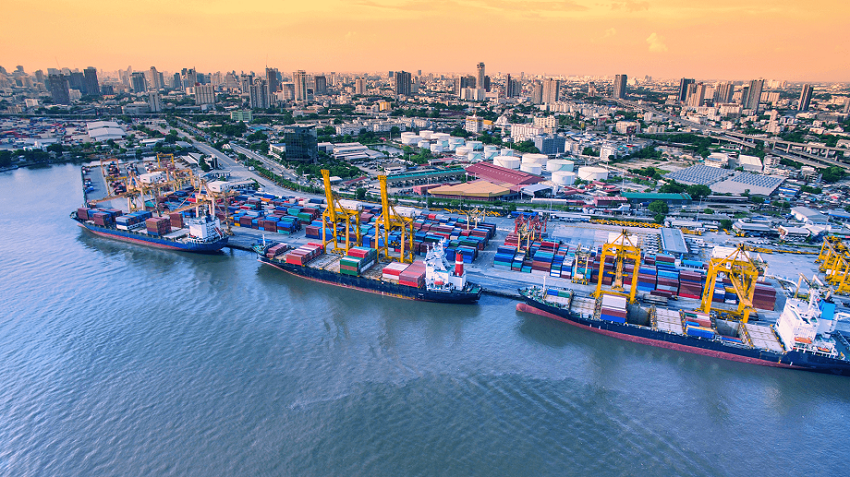
Policy dividends release transformational momentum
In recent years, China has issued heavyweight documents such as the "Intelligent Shipping 2030 Action Plan" to strengthen the guarantee from the top-level planning. On the market side, there is a significant trend of bulk goods revolving around water, coupled with subsidies for scrapping and updating old ships and increased efforts in shore power construction, effectively sharing the cost of enterprise transformation and greatly mobilizing the enthusiasm of operating entities to eliminate high energy consuming ships and promote new energy transportation capacity.
Fill in the gaps and solve the landing difficulties
Despite the continuous improvement of top-level design, the shortcomings of infrastructure are still prominent. In response to the pain points of uneven layout of shore power hydrogenation, inconsistent cross regional standards, and financial pressure on small and medium-sized enterprises, the industry has pointed out the need to simplify the approval process and unify the implementation of standards. By implementing a mandatory supporting system for port shore power and building a unified shipping carbon accounting system, we aim to bridge the last mile of industrial implementation. Keywords: Strategic News Network, Green Shipping
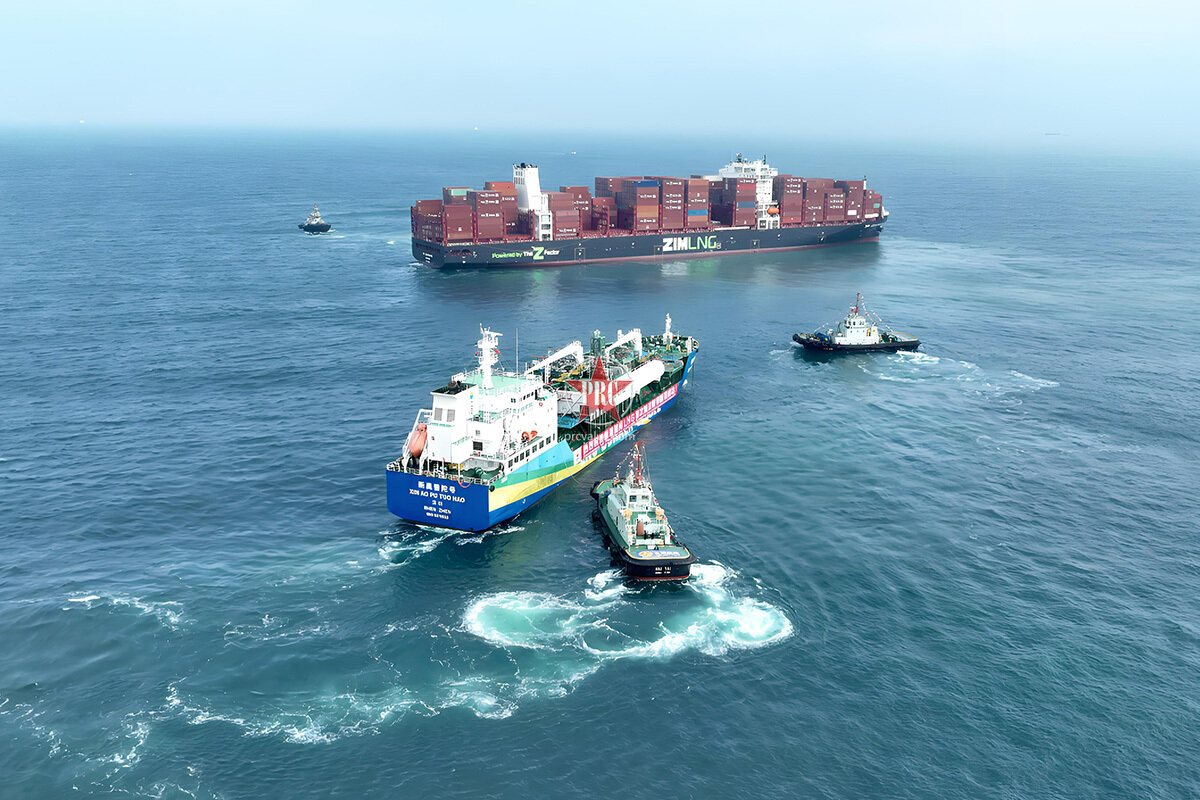
Building a global collaborative shipping ecosystem
Facing 2026 and the future, China will promote specialized legislation on shipping and build an integrated pattern of shipping channels, ports, and ships. Building a world-class green shipping channel by relying on core trunk lines such as the Yangtze River and the Beijing Hangzhou Grand Canal. At the same time, we will deepen the multimodal transportation of water, iron, and rail, unite the three parties of government, enterprise, and association, and comprehensively build a low-cost, low emission, and high-efficiency intelligent inland waterway transportation ecosystem.Editor/Gao Xue
Comment



 Praise
 Collect
 Comment

 Share
Share


Write something~