 Search


- In the first half of 2026, Southeast Asia's computing power investment will exceed 8 billion US dollars
- Johor, Chumphon, and Batam are accelerating simultaneously, and the computing power arms race of global technology giants has been fully upgraded

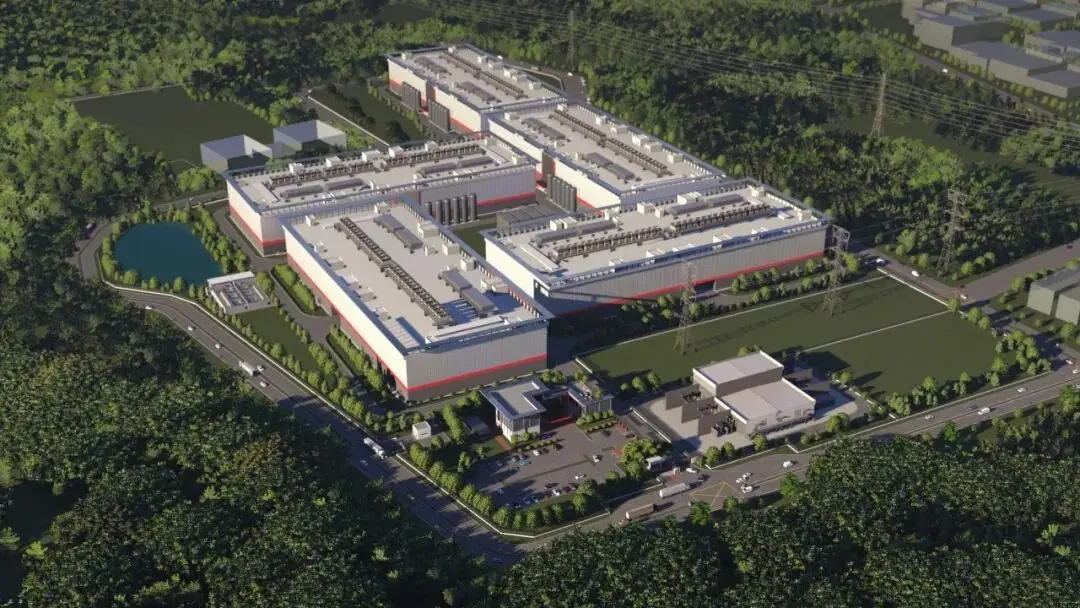
In June 2026, the Southeast Asian computing power competition has moved from a concept to a reality. In the first half of the year alone, the region saw an increase of over 8 billion US dollars in computing power investment, with Johor state data center supply exceeding 4 gigawatts, and the first batch of AI computing power centers in Chumphon entering the debugging phase. When the global technology giants regard Southeast Asia as the second battlefield, a question worth asking is: is this power arms race an opportunity or a foam?
The speed of capital influx is astonishing
Southeast Asia is expected to attract over $55 billion in AI infrastructure investment commitments by 2025, and this number is expected to continue rising by 2026. As of Q1 this year, the disclosed total investment has exceeded 20 billion US dollars, and the actual scale may far exceed this. It is expected that by 2030, the total capacity of data centers in Southeast Asia will reach 5.2-6.5 gigawatts, tripling from 2025. AWS、 Microsoft, Google, ByteDance, World Data - almost all the world's leading players have gone. This is not an industrial transfer, but a reshuffling of the computing power landscape.
Each of the four countries has its own plan in the power struggle
Singapore remains a hub with a capacity of 1.4 gigawatts and a vacancy rate of 1.4%, which is the lowest in the Asia Pacific region. However, land and electricity bottlenecks have forced demand to spill over. Johor has completed a comeback, with 42 projects, $35 billion investment, and 5.7 gigawatts of capacity, surpassing Singapore during the same period.
Thailand's $8.8 billion bet on TikTok has become the biggest variable, as Chumphon is transforming from a tourist destination to a computing powerhouse. Indonesia, with a population of 270 million and positioned as a gateway for submarine cables, has attracted heavyweight investments such as AWS $6 billion and EDGNEX $2.3 billion.
Hidden worries emerge under prosperity
But the triple risk cannot be ignored. One is the power supply. The power infrastructure in many Southeast Asian countries is weak, and data centers are major consumers of electricity, so power shortages may become a hard constraint. The second is the talent gap, as computing power construction requires a large number of high-end engineers, and Southeast Asia currently heavily relies on foreign talents. The third is geopolitical competition. Against the backdrop of technological decoupling between China and the United States, Southeast Asia is becoming a "computing power buffer zone" for both sides to compete for, and political risks cannot be ignored. Keywords: skyrocketing computing power, big data
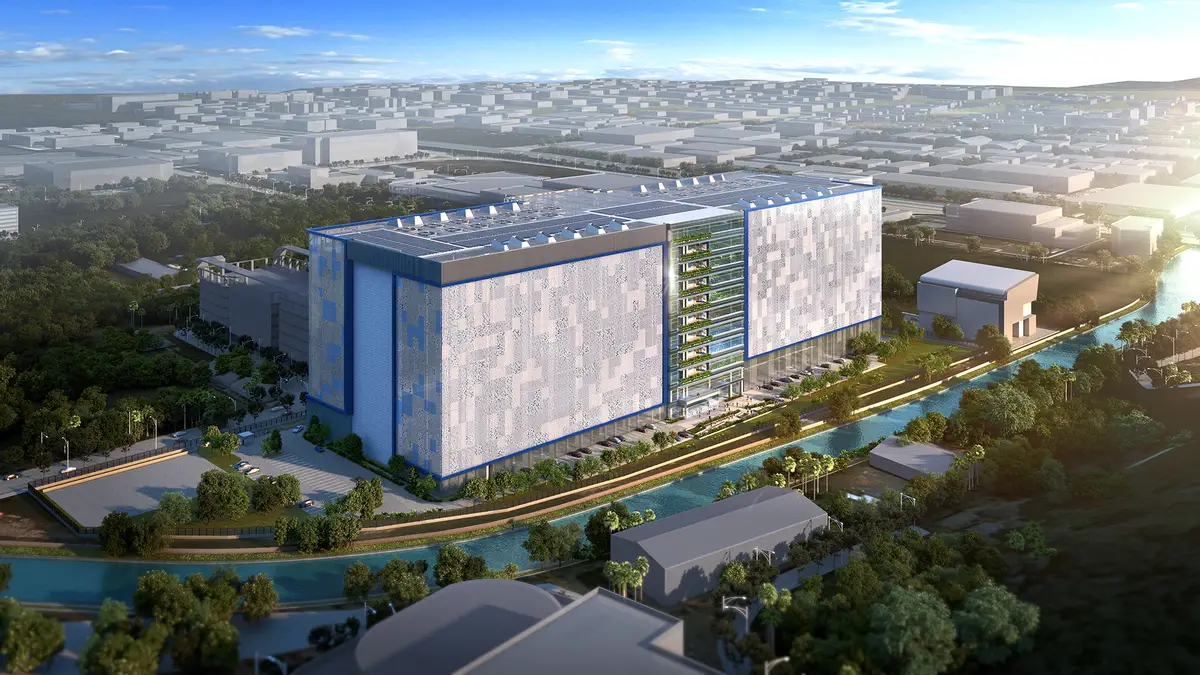
In Southeast Asia in 2026, computing power is no longer a concept of the future, but a concrete being poured. A $55 billion investment will not only build computer rooms, but also a new version of the global digital economy. But capital can build data centers, but cannot build power grids and talent systems. Whoever can stay clear headed in the midst of the frenzy is the true winner.Editor/Cheng Liting
Comment


 Praise
 Collect
 Comment

 Share
Share


Write something~