 Search


- The total length is 562 kilometers, with priority given to the construction of the first 147 kilometers
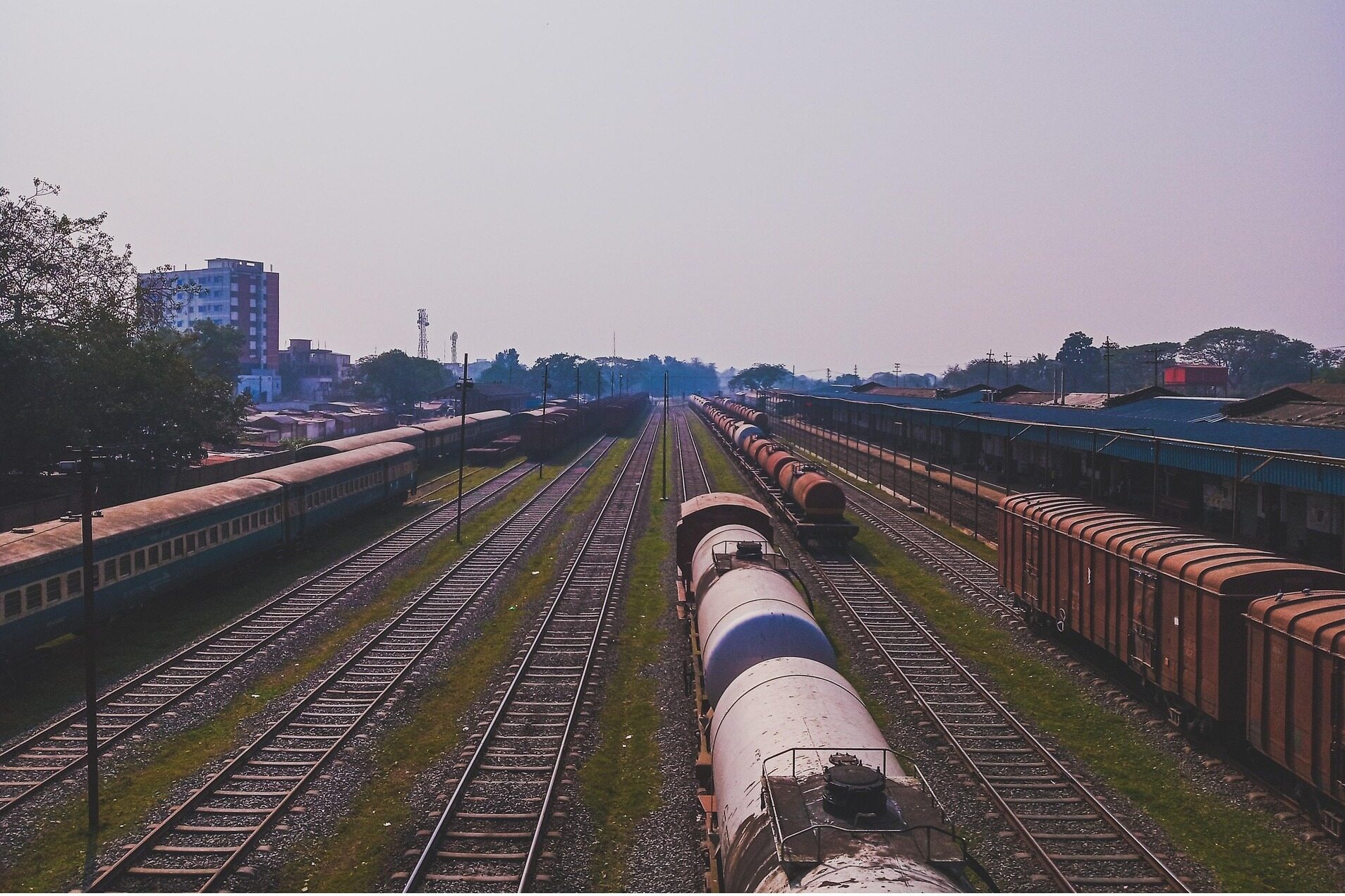
Recently, Laos and Vietnam held ministerial level talks in Hanoi, and the Laos Vietnam cross-border railway project was officially signed. This is the second strategic international railway corridor in Laos after the China Laos Railway, and also the flagship project of the 10-year transport cooperation plan between the two countries from 2026 to 2035. Lao Petroleum Trading Company PTL and Vietnam's Deo Ca Group signed an investment cooperation agreement, and the project has entered the substantive promotion stage from consensus. Both sides will simultaneously clarify the promotion of cooperation on the Vientiane Hanoi expressway, upgrading of border facilities, and talent cultivation.

Priority construction for the first 147 kilometers
The total length of the Laos Vietnam cross-border railway is about 562 kilometers, and the planned route is from Vientiane to Thaqun, then to the Muja Pass border and finally to Yong'an Port in Vietnam. The first phase prioritizes the construction of a 147 kilometer section within Laos (from Thammasat to the border of Muja Pass), and a franchise agreement has been signed, with preparations underway. PTL has signed a comprehensive investment cooperation agreement with Deo Ca Group, covering construction, financing, technical design, and operation; Vietnam's CONINCO and Laos' LTEC have also signed a memorandum of understanding on cooperation, forming a multi-party cooperation pattern.
Four solutions to solve cross-border cooperation problems
Deo Ca Group proposes four core recommendations: firstly, the competent authorities of the two countries should unify and coordinate financing schemes, technical standards, PPP models, and business models; Secondly, the two governments provide support or guarantees for project loans to enhance financial feasibility; The third is that the Vietnamese government undertakes about 70% of the construction investment in the domestic section, and the land clearance is independently implemented according to the PPP model, with SCIC participating in about 30% of the shares; The fourth is to establish a revenue sharing mechanism or set a minimum revenue guarantee for the entire route to minimize cross-border operational risks.
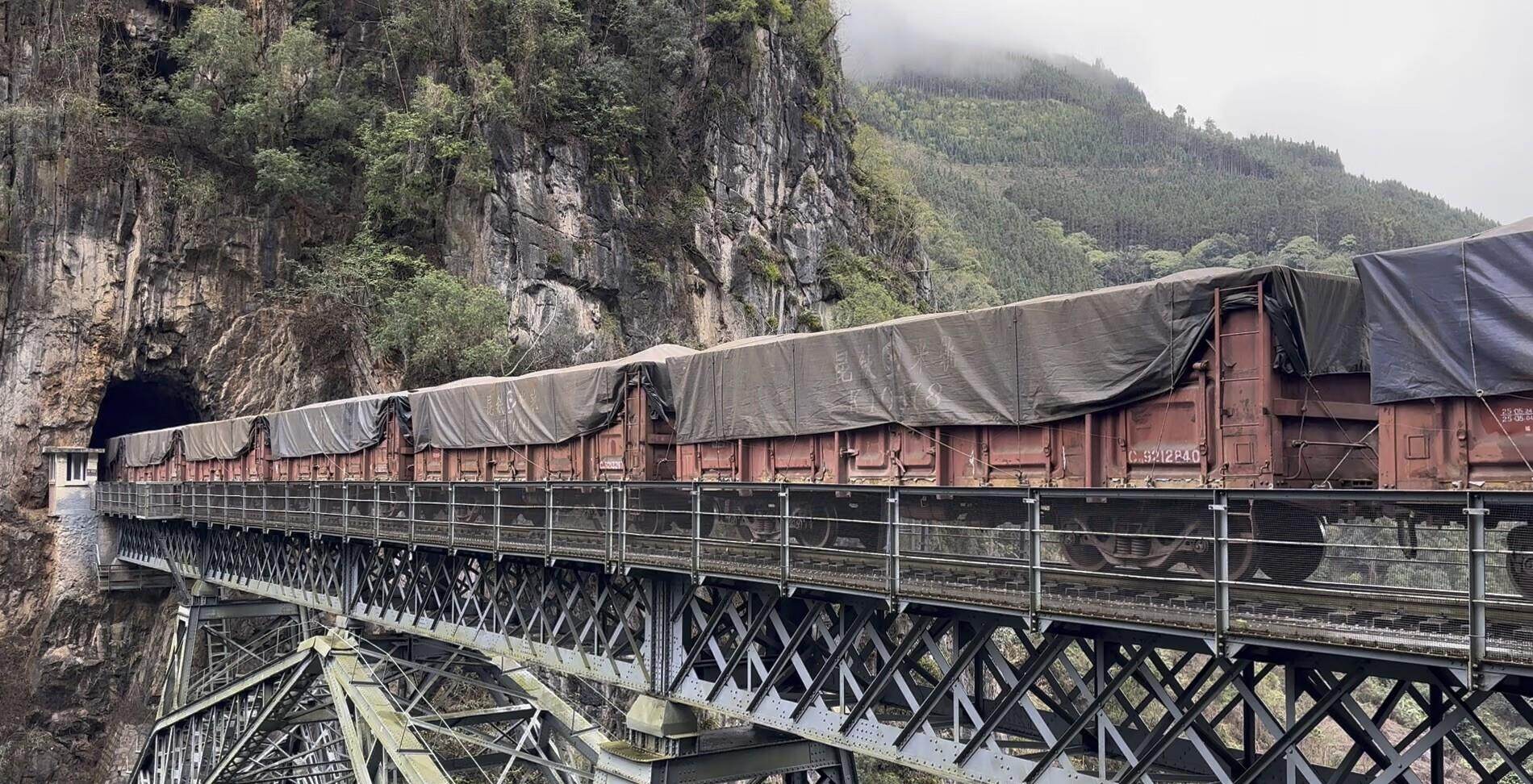
Directly connected to the east coast of Vietnam
Different from the north-south orientation of the China Laos Railway, the project will build an east-west logistics channel connecting Laos and the east coast of Vietnam. In the future, Laos' mineral resources and commodities can be directly transported to the Yong'an Deepwater Port via railway, and exported to Northeast Asia and international markets, significantly reducing trade logistics costs. Keywords: Cross border railway, transportation, logistics
2026 is the starting year of the ten-year plan for transportation cooperation between Laos and Vietnam, with multiple collaborations advancing simultaneously. This railway is not only an infrastructure project, but also a crucial step for Laos to move from a landlocked country to a landlocked country.Editor/Cheng Liting
Comment




 Praise
 Collect
 Comment

 Share
Share


Write something~