 Search


- Global energy investment reaches a historic high in 2026, with 65% flowing towards low-carbon electricity
- By 2026, global power grid investment will increase by 20%, energy storage will surpass 100 billion yuan for the first time, and fossil fuels will give way to electricity, making it a foregone conclusion
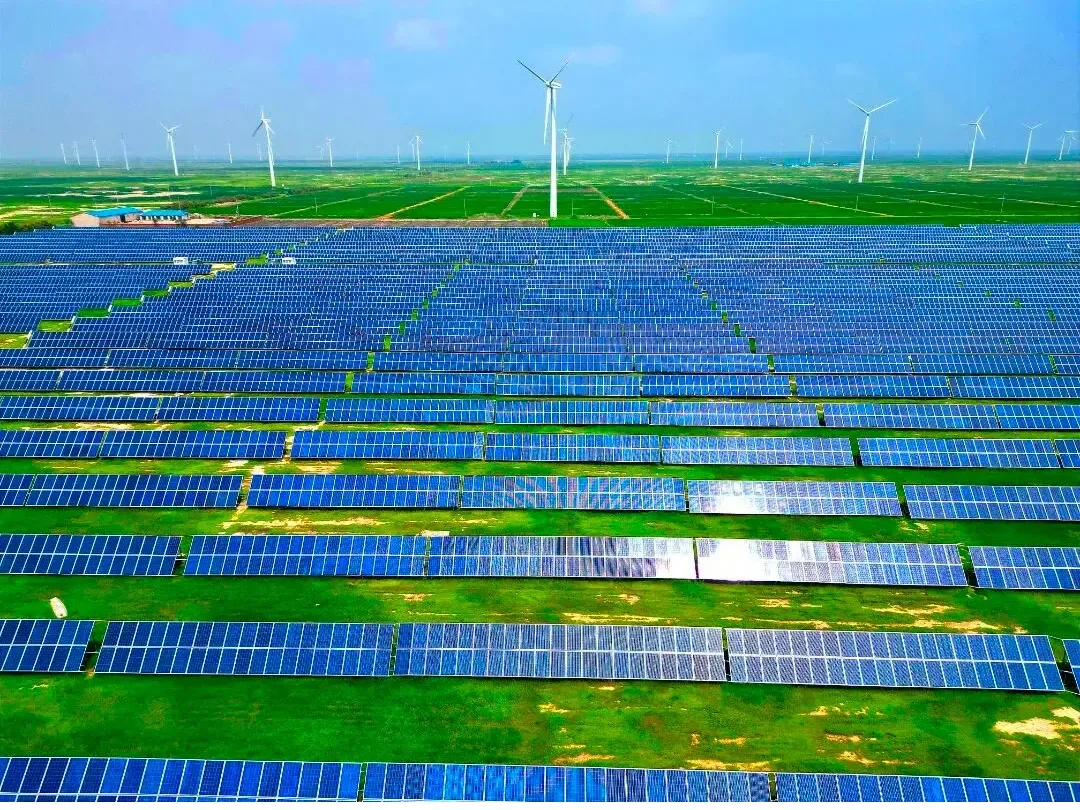
On May 28, 2026, the International Energy Agency released a set of alarming figures: global energy investment $3.4 trillion, a historic high. But more noteworthy than the total amount is the structure -65% of the money is flowing towards low-carbon electricity, while fossil fuels only receive 35%. When the AI computing power center forces energy storage investment to exceed 100 billion US dollars for the first time, when the Philippines' solar energy imports tripled in the first quarter, and when China's power grid investment exceeded 160 billion yuan in the first quarter, a silent energy power transfer is being completed.
Electricity replacing fossils is irreversible
According to IEA data, electricity supply and infrastructure investment will approach $1.6 trillion by 2026. If terminal electrification is included, the total plate will reach $2 trillion, accounting for nearly 60% of global energy investment. The investment logic of humanity has officially shifted from mining resources to building systems.
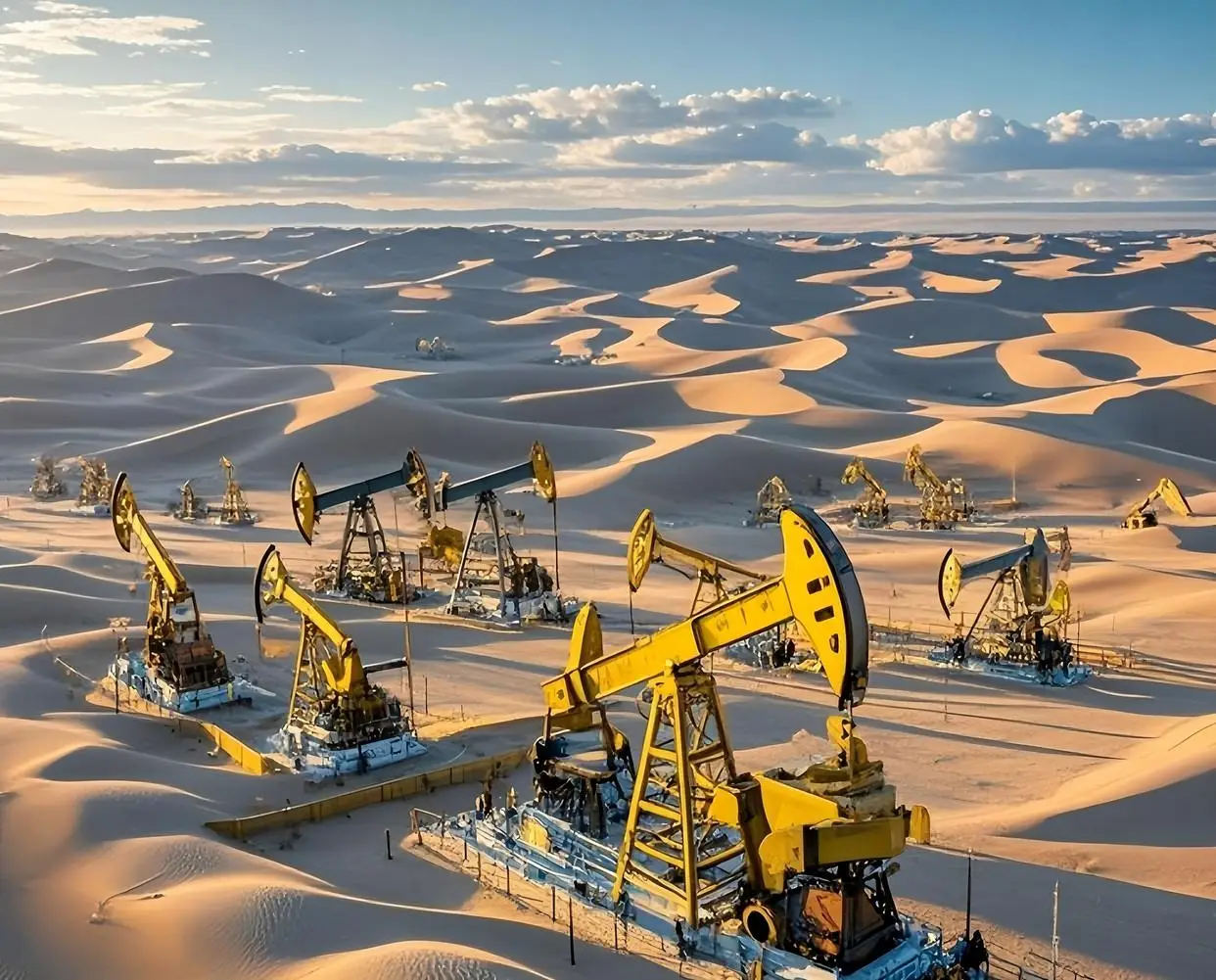
Inside fossil fuels, there is a clear distinction between ice and fire. Oil investment has declined for the third consecutive year, falling below $500 billion - no matter how high the oil price is, companies dare not bet on long-term projects. Natural gas has surged to a ten-year high of $330 billion against the trend, driven by two major factors: the US LNG export project and supply guarantee anxiety in Asian importing countries. Coal is also rebounding, and many Asian countries are extending the lifespan of coal-fired power units, with no one replacing its role as a short-term safety net.
AI has become the most powerful variable
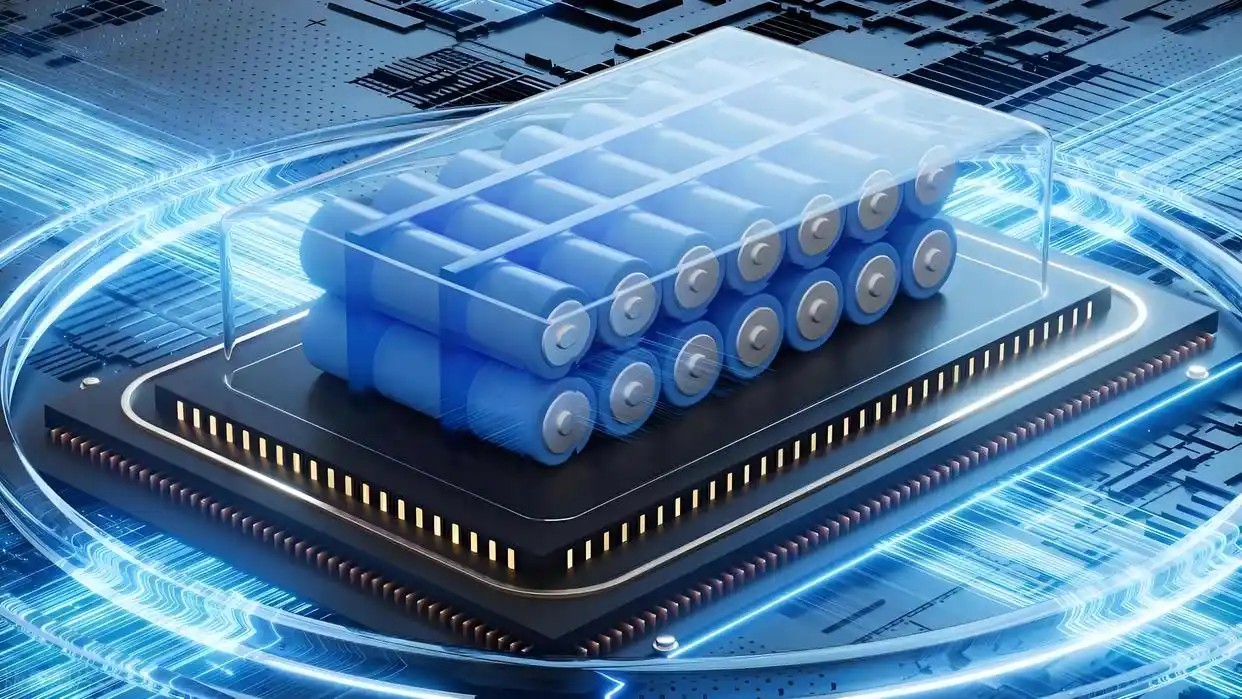
Power grid investment of 550 billion US dollars, a year-on-year increase of nearly 20%; Battery energy storage has exceeded 100 billion US dollars for the first time, with a growth rate of over 40%. Behind these two numbers, AI is the core driving force.
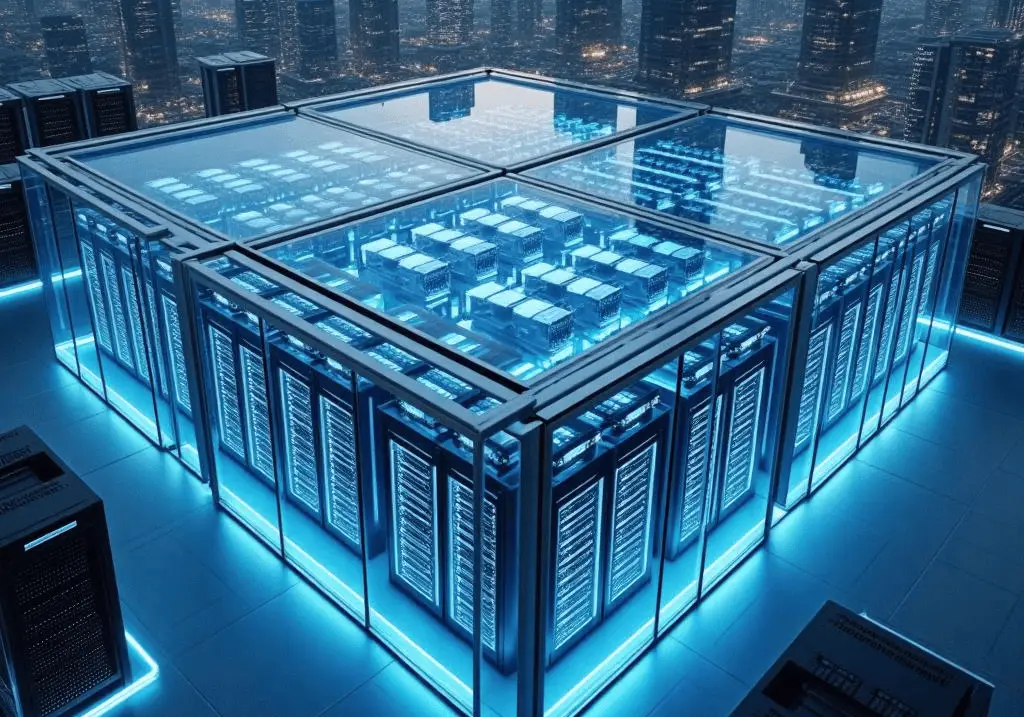
The power of computing power cabinets is 10 times that of traditional data centers, and the surge in data centers directly forces power grid upgrades and energy storage matching. Energy storage is no longer just an accessory of new energy, but an independent demand track. At the same time, solar energy leads the entire energy race with a total investment of 365 billion US dollars, with an average daily investment of over 1 billion US dollars. Fifteen countries are simultaneously building 78GW nuclear power projects, with China alone accounting for one-third of the global nuclear power investment plan.
The regional differentiation gap is widening
On the investment map, China ranks first with a total investment of 940 billion US dollars, making comprehensive efforts in photovoltaics, nuclear power, power grid, and energy storage. The United States is closely following with $615 billion, with LNG and data center power matching being the focus. The EU's $440 billion focus is on renewable energy and energy efficiency.
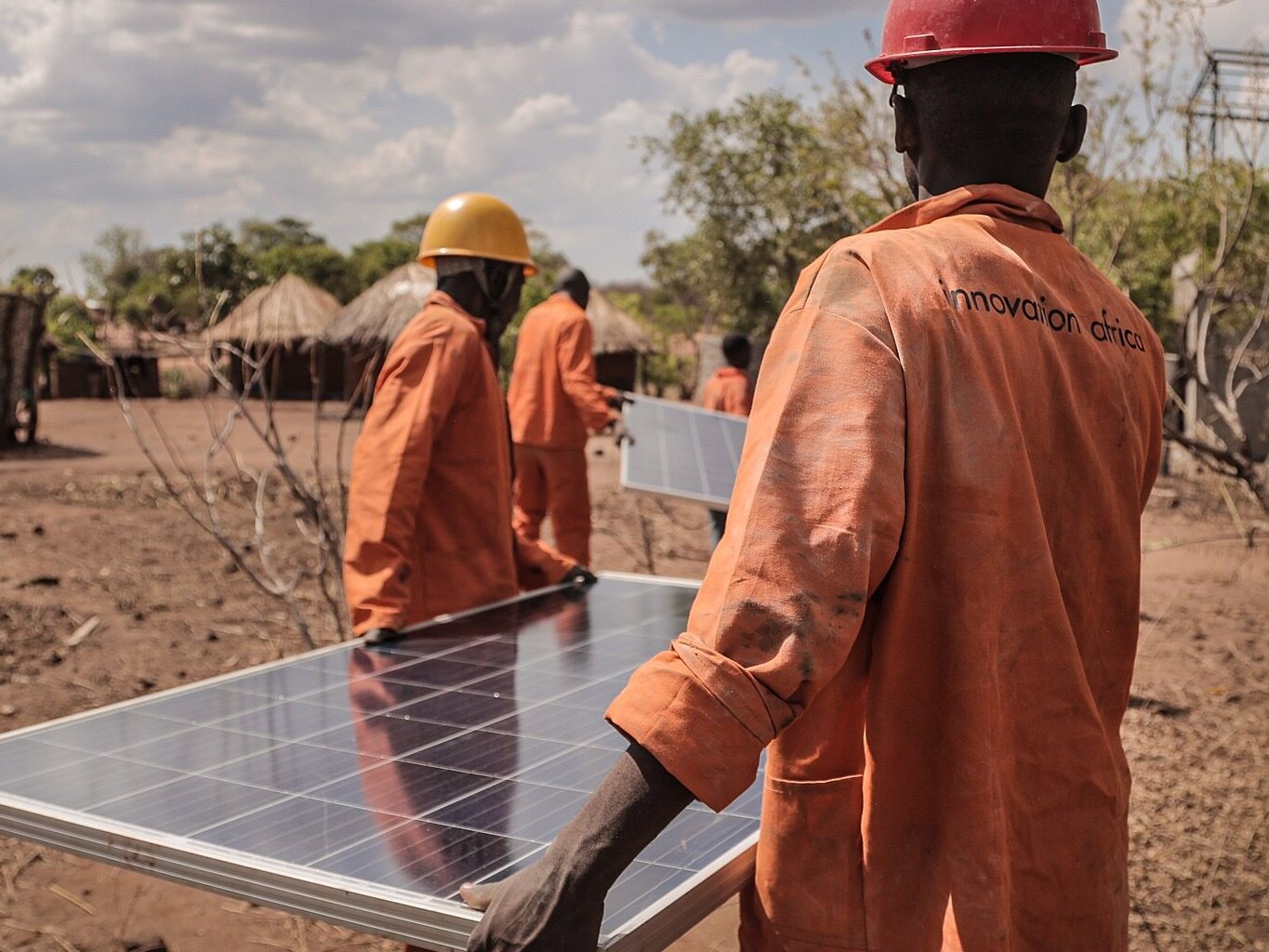
But the other side is shocking: Africa's annual energy investment is less than 110 billion US dollars, and although 15 countries set a record for solar energy imports in the first quarter, it reflects the lack of local manufacturing capacity. Latin America is seizing opportunities - Brazil's daily crude oil production has exceeded 900000 barrels, and Guyana's crude oil revenue in the first quarter was 760 million US dollars - but infrastructure bottlenecks are still hard to overcome.
The transition back to safety has not stopped
The IEA specifically pointed out that about 75% of investment decisions were locked in before the outbreak of the Middle East conflict, and the geopolitical impact will gradually become apparent in subsequent years. The obstruction of shipping in the Strait of Hormuz is reshaping the global energy trade route, and the investment logic of various countries is shifting from a single carbon neutrality to a dual goal of security and low-carbon. Keywords: international energy transformation, new energy
The direction of $3.4 trillion is clear: whoever controls the power system will control the next decade. For China, a volume of 940 billion US dollars is both an advantage and a responsibility - the investment in the new power grid in the 15th Five Year Plan is expected to exceed 5 trillion yuan, which is not only infrastructure, but also the foundation of energy discourse power.Editor/Cheng Liting
Comment

 Praise
 Collect
 Comment

 Share
Share


Write something~