 Search


- This project marks the transformation of China's new energy going global from selling equipment to building industrial chains
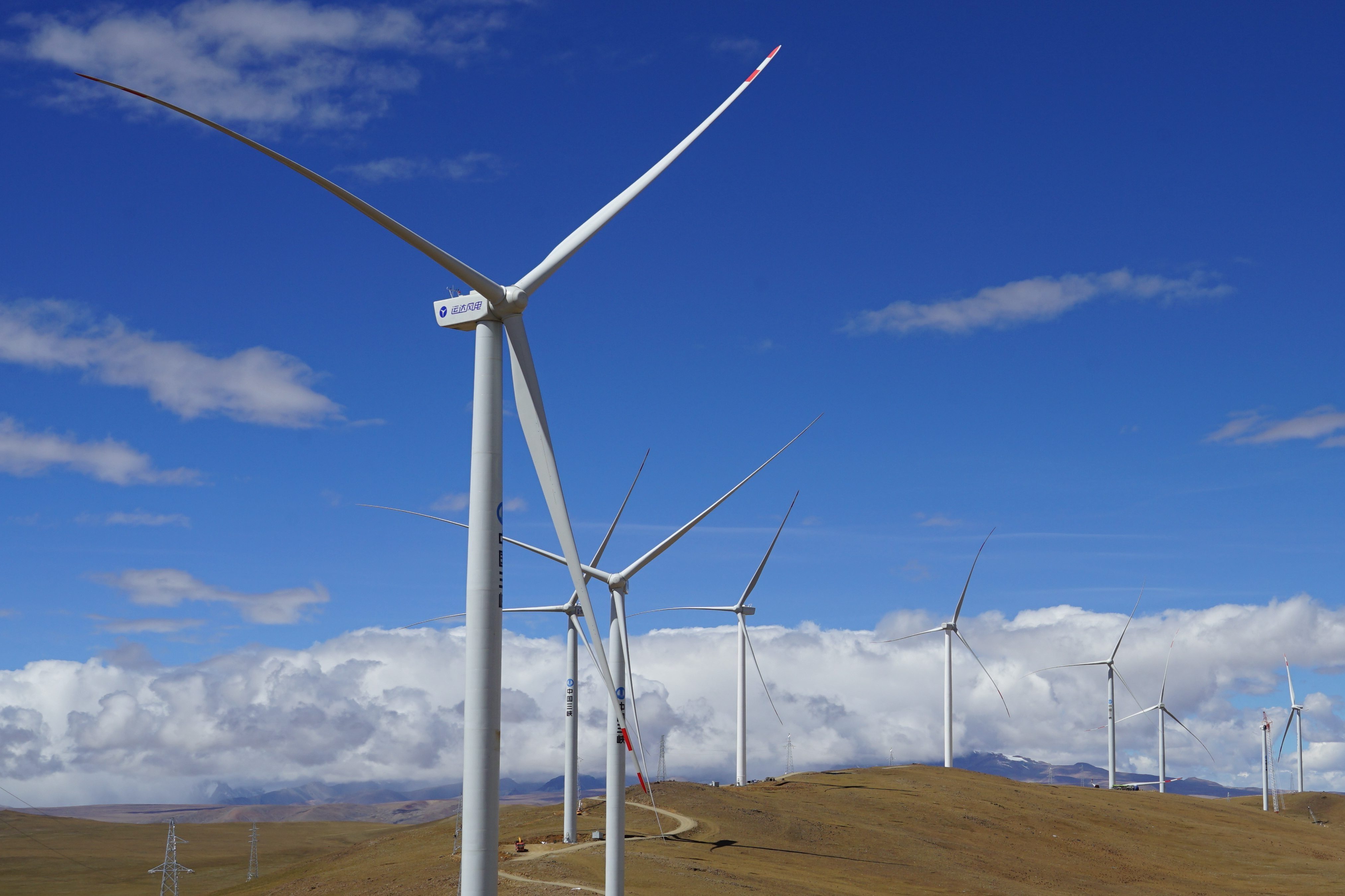
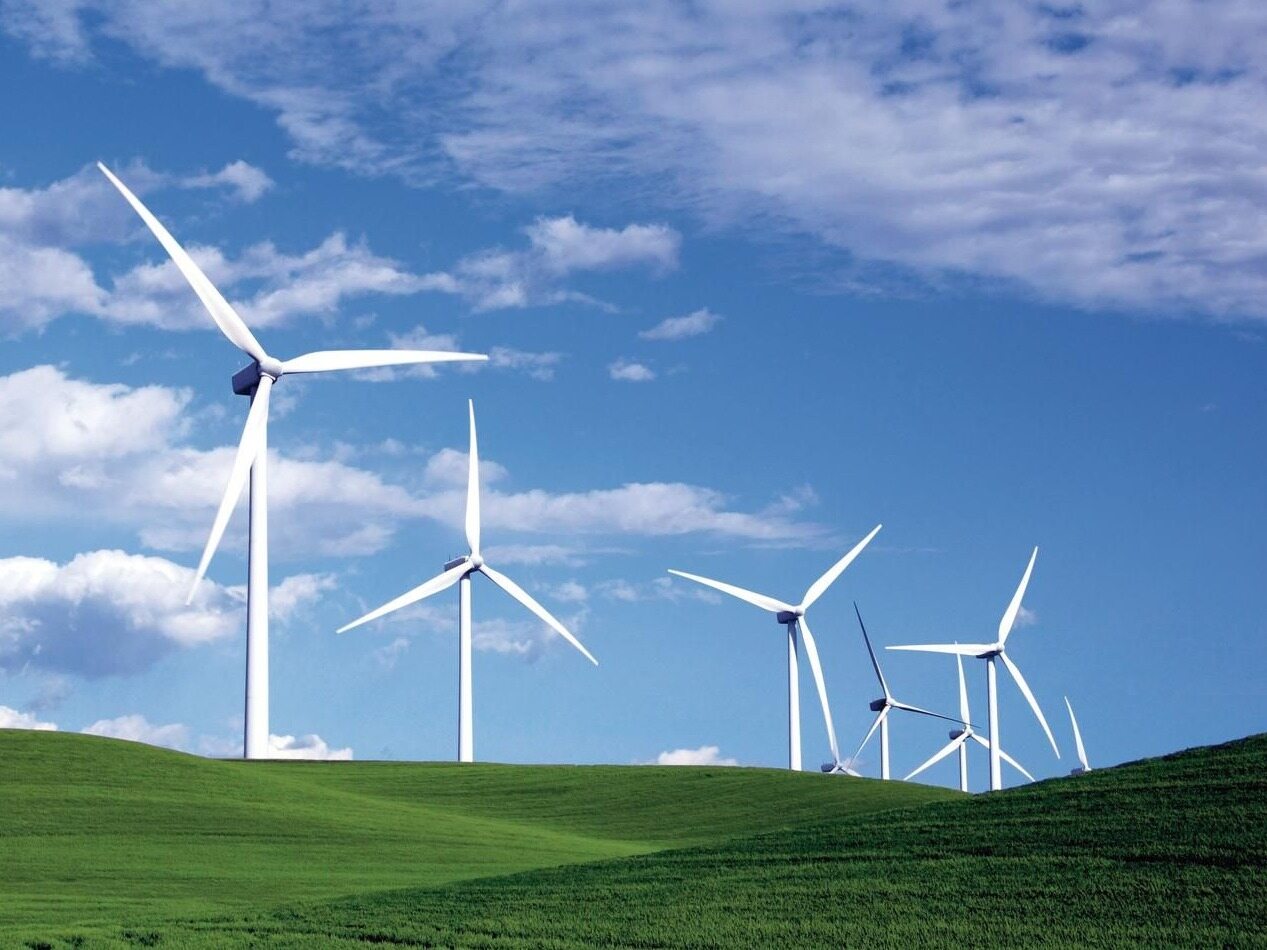
On June 1, 2026, an unofficial but highly influential news spread from Cairo, attracting the attention of the global new energy industry - Chinese construction machinery giant Sany Group is planning to spend over $300 million to build a wind turbine manufacturing base for the entire industry chain in the Suez Canal Economic Zone.
This is not just a simple green investment rumor, but more like a watershed: the long-standing model of Chinese new energy companies carrying equipment to explore Africa is being replaced by a deep localization of "bringing factories, technology, and standards". When Egypt is eager to link new energy installations with local industrial capabilities, Sany's move has become the best slice to observe the advancement of China Africa capacity cooperation.
Cairo's New Bargain: Cairo wants factories, not single machines
The Egyptian Ministry of Electricity and Renewable Energy reached out to the three parties twice in January and May 2026, and the trump card displayed at the negotiating table was straightforward: the project is acceptable, but it must be accompanied by technology transfer, localized equipment application, and local currency settlement of electricity pricing mechanism.
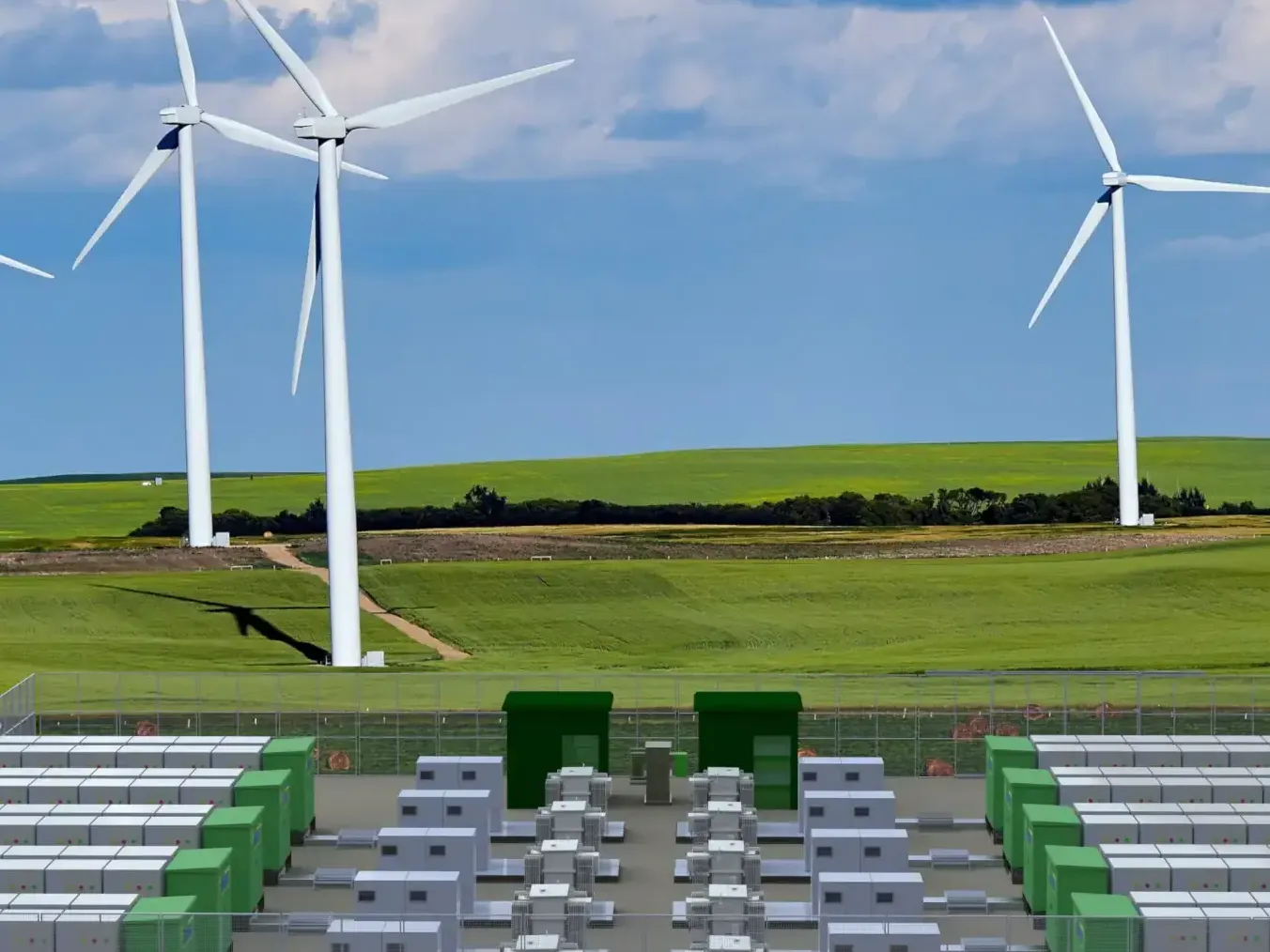
This is in line with the logic of Sunshine Power's announcement in early 2026 to promote 1.7GW photovoltaic+4GWh energy storage in Mingya at the same district's Luozi energy storage battery plant and Scatec in Norway - Cairo hopes to convert the annual import bill of over $235 million for wind turbines into local employment and tax revenue, and anchor the goal of 42% renewable energy by 2030 on the basis of independent industry. If Sany lands, it will agree to the new game rules of "bundling the entire industry chain".
Suez Gulf gigawatt order supports bottom line
The manufacturing side dares to spend money, provided that there are intensive orders to digest production capacity.
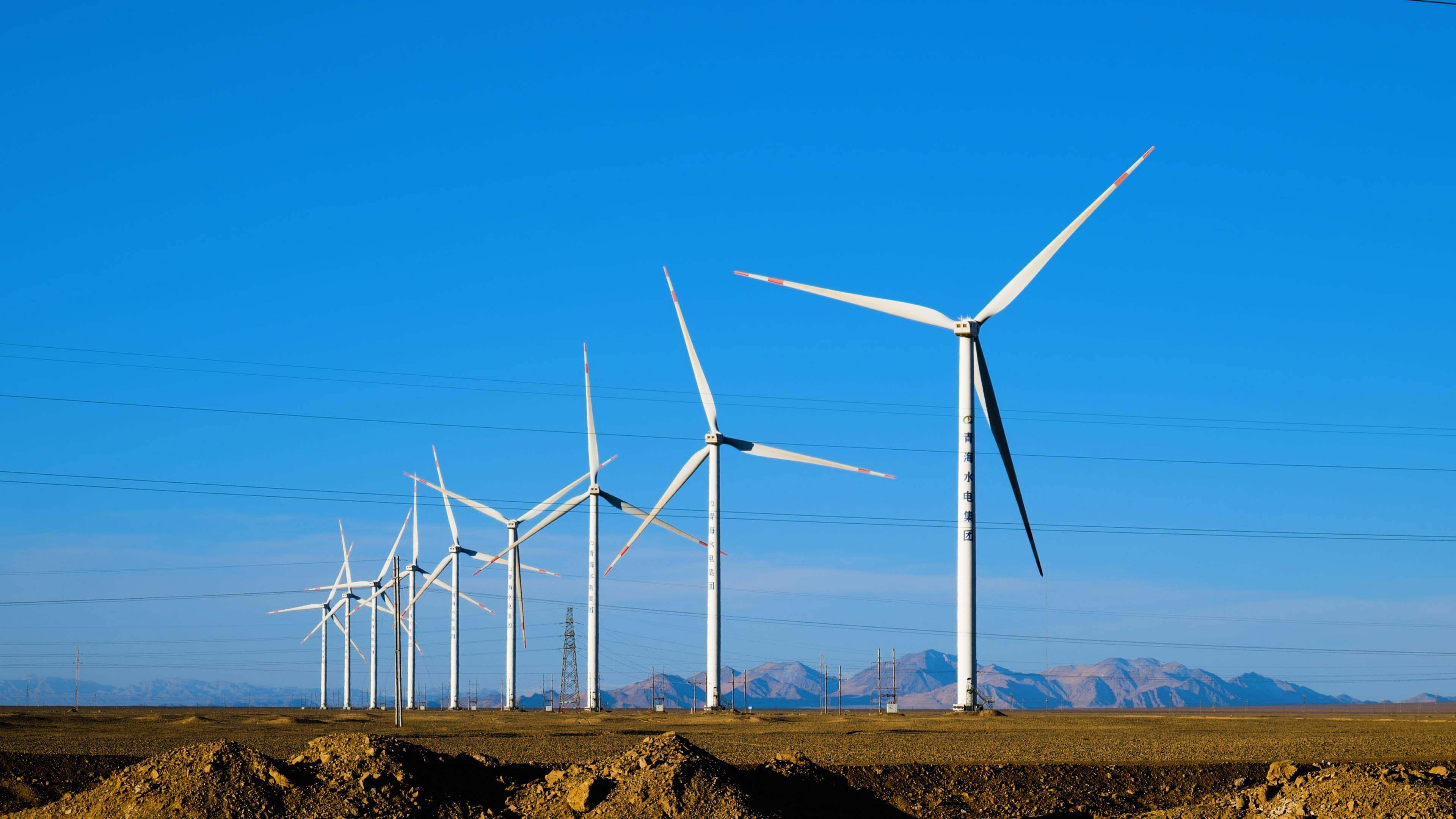
The 1000MW wind power cluster planned for the North Suez Bay (pending disclosure of PPA and financing closure) is only the tip of the iceberg; The 1.1GW project in the Gulf of Suez, undertaken by China Power Construction, has started its first unit installation by the end of 2025. The European Bank for Reconstruction and Development has granted a credit of 200 million US dollars for support, and ACWA Power and Hassan Allam Utilities have participated in the investment; ENGIE from France has teamed up with Orascom to secure a 900MW onshore wind power plant near Ras Shokeir, with construction expected to begin in 2026 and operation scheduled for 2028. These gigawatt level arrays that have entered the power purchase agreement or construction schedule constitute the potential first core customer group of Sany Factory, and also make it natural for the Suez Canal Economic Zone to undertake another high-end manufacturing node after Sunrev Solar Photovoltaic Component Park.
The supporting chain is logged in with the host factory
For Chinese small and medium-sized suppliers who follow Sany, Goldwind, Mingyang and other host factories, this may be a secret entry point into the North African market. Keywords: New Energy News Network, Wind Power
The tower, flange, engine room cover, blade mold, heavy parts logistics, substation transformer, and even later maintenance spare parts warehouse can all release demand synchronously with the localization of the host factory. Light asset enterprises can first establish service centers and bonded spare parts warehouses, while heavy asset steel structure and anti-corrosion enterprises can evaluate joint bidding with local engineering companies in Egypt. Of course, the mismatch of exchange rates caused by the matching of Egyptian pound income with the purchase of core components in US dollars/Chinese yuan, the increase in localization ratio pushing up initial costs, and the constraints of the pace of power grid consumption on order release are still practical constraints for entrants to verify PPA, financing closure letters, local currency exchange rate adjustment mechanisms, and clear localization limits before they can proceed.Editor/Gao Xue
Comment

 Praise
 Collect
 Comment

 Share
Share


Write something~