 Search


- France and Europe implement new policies to support sea breeze, leveraging the transformation of the European new energy industry chain
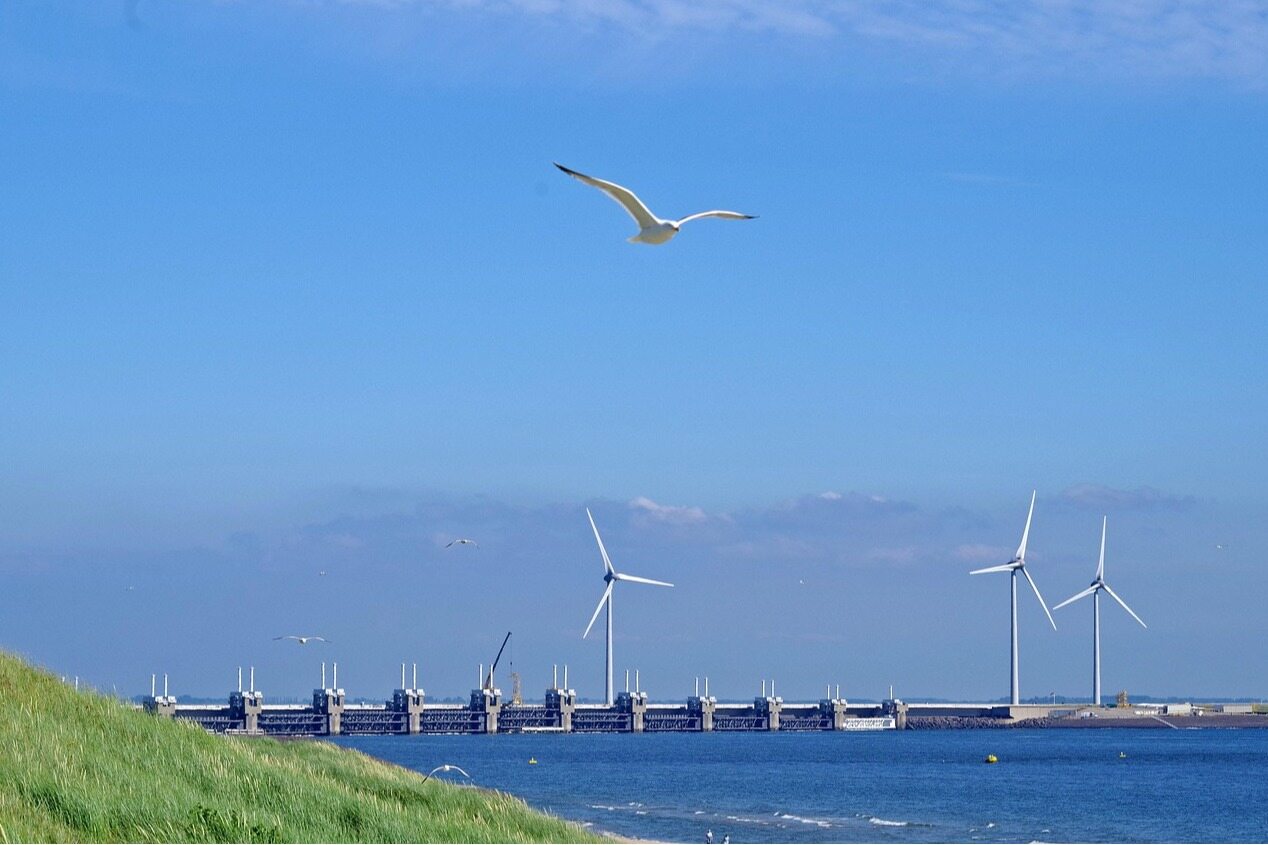
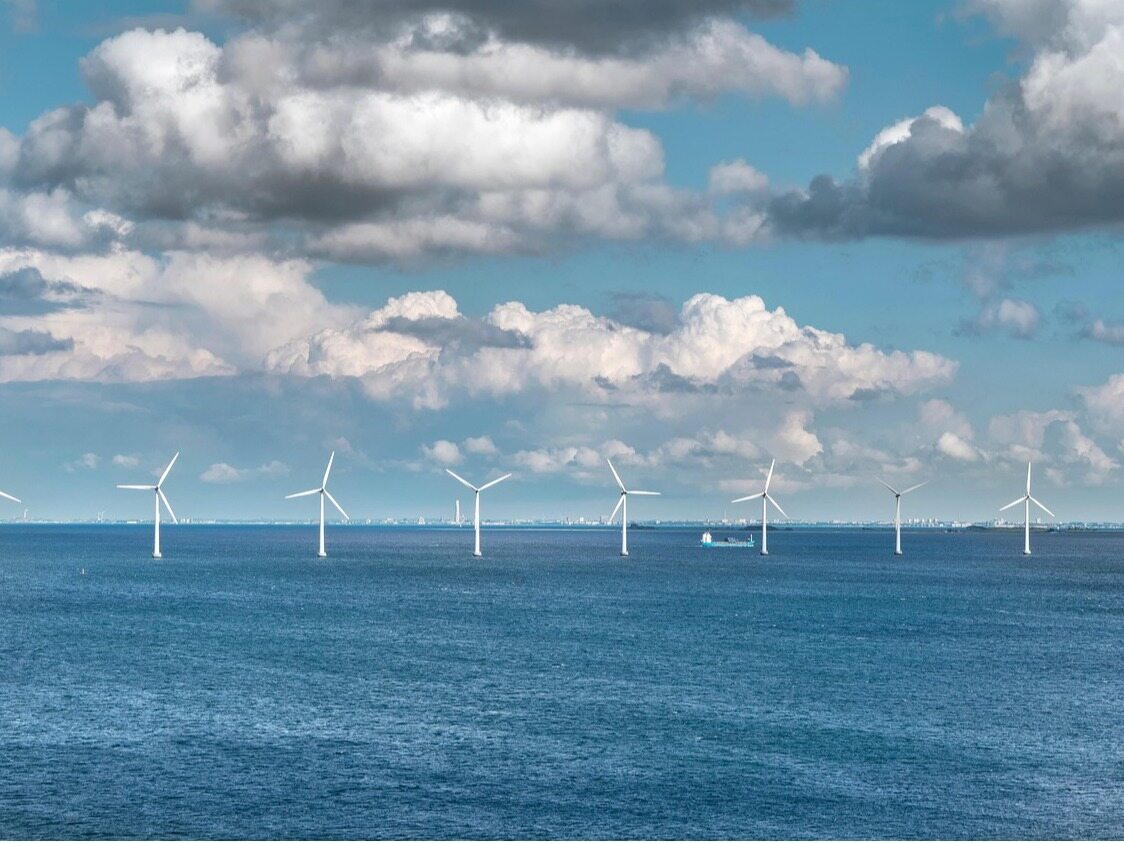
The European offshore wind power industry has been deeply mired in challenges such as rising costs, tight supply chains, and project delays in recent years, hindering its development. In order to break through the situation and improve quality, the European Union has officially approved the French offshore wind support plan, which will provide long-term financial support to help France expand its offshore wind power layout and activate the vitality of the regional new energy industry.
Long term mechanism to stabilize industry development
Recently, the European Commission officially approved the French offshore wind power special support plan, with a total budget of 63 billion euros and a support period of 25 years, mainly used for the construction and operation of 11 offshore wind farms. This plan is formulated based on the EU Clean Industry Agreement National Aid Framework, which will be implemented in June 2025, and is in line with the EU's net zero transformation development goal. The total installed capacity of this plan is up to 11.1GW, with an annual power generation of 47.8 billion kilowatt hours, which can cover 10.6% of France's annual electricity consumption. At the same time, three new projects will replace the old approved plans, reflecting the dynamic optimization of the French offshore wind support mechanism.
This 63 billion euros is not a direct engineering investment, but a long-term income guarantee fund. The project adopts a two-way price difference contract mechanism, and the development subject is determined through open bidding, based on the bidding reference electricity price. When the market electricity price is low, the difference is subsidized, and when the electricity price is high, excess profits are returned to the government. This model achieves shared risks between government and enterprises, stabilizing project cash flow, reducing financing costs, and avoiding the drawbacks of one-way subsidies. It also sets up a negative electricity price compensation and prevention mechanism to eliminate ineffective power generation incentives.
Global layout to expand industrial space
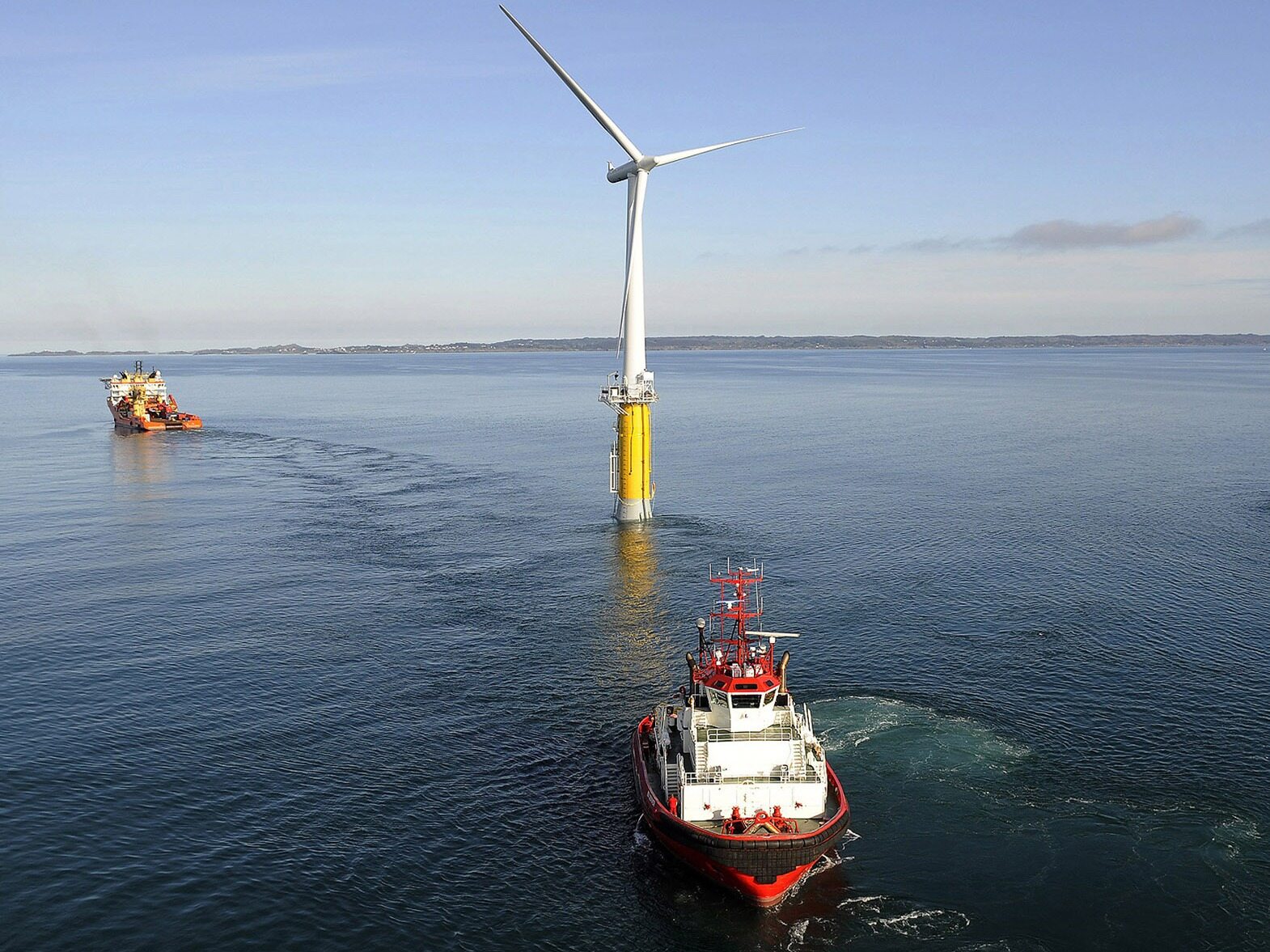
This wind power project is distributed in three major sea areas: the North Sea, the Atlantic Ocean, and the Mediterranean Sea, relying on the resource advantages of each sea area for differentiated development. The North Sea can be linked to the Northwest European offshore wind industry cluster, the Atlantic has high-quality wind resources and port infrastructure, and the Mediterranean is suitable for the landing of new floating wind power technologies. For a long time, France's power supply has mainly relied on nuclear power. This large-scale offshore wind layout will fill the gaps in the power structure and achieve diversified energy development.
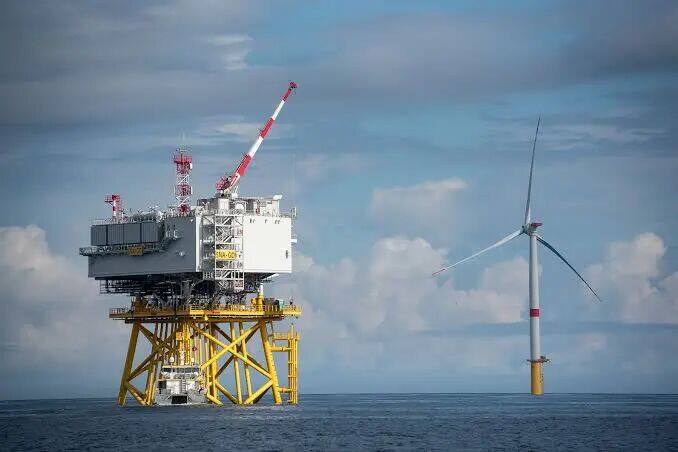
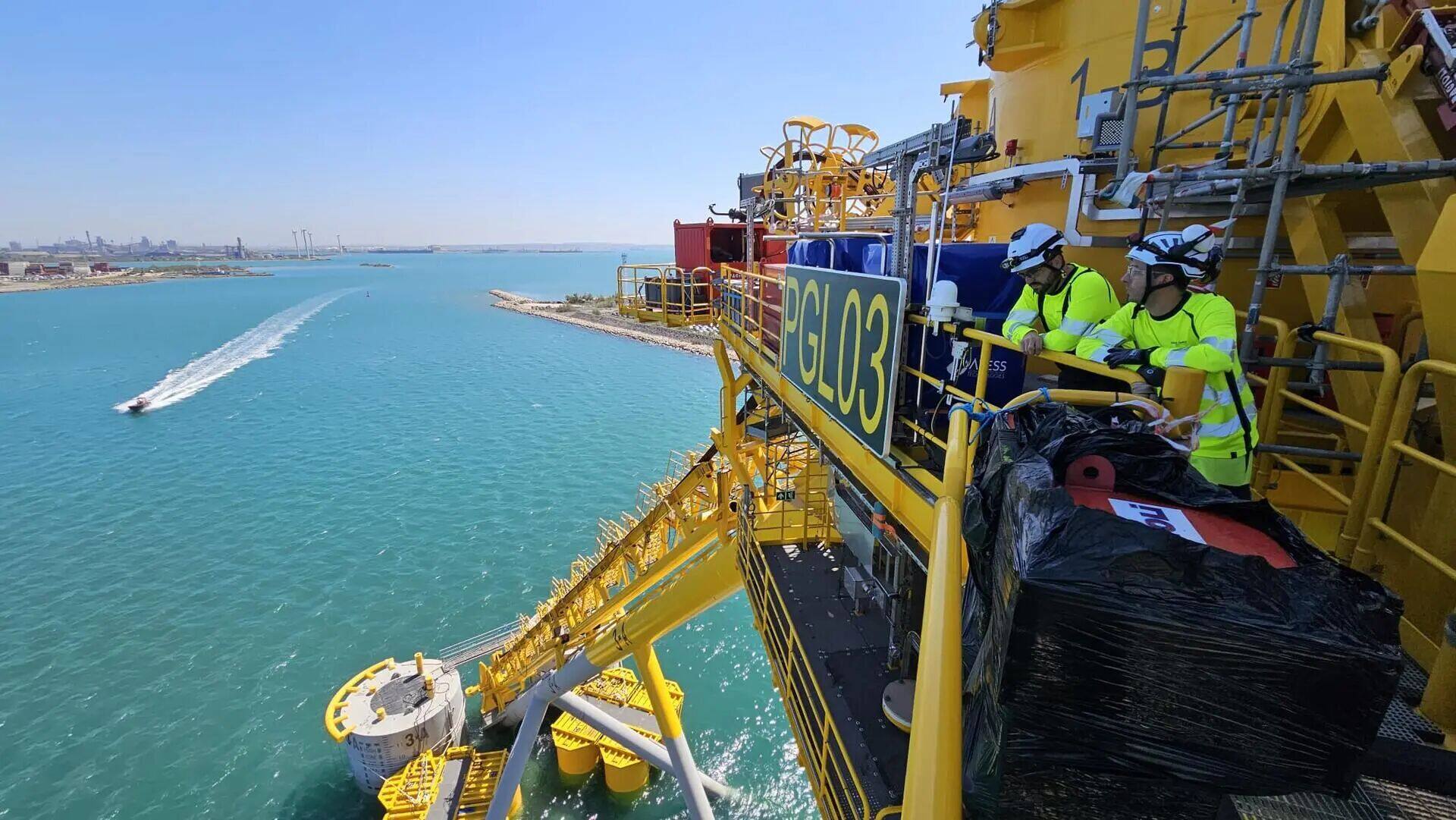
The large-scale project reserve of 11.1GW will bring sustained and stable orders to the entire industry chain of offshore wind turbines, blades, submarine cables, offshore boosting stations, construction and operation, completely changing the cautious development trend of French offshore wind and helping it enter a new stage of large-scale deployment.
Industry iteration brings new opportunities
The implementation of the EU policy marks the departure of the European offshore wind industry from the single low price bidding model and the shift towards a high-quality development stage that balances project financing and supply chain stability. Long term stable policy expectations can help enterprises lock in equipment and construction resources, promote the coordinated improvement of local sea breeze manufacturing, port operation and maintenance, and power grid supporting systems in Europe, and strengthen regional supply chain resilience. Keywords: offshore wind power, upgrading of new energy industry
For Chinese new energy enterprises going global, this is an important market window period. There are broad opportunities in the industrial chain links such as complete machines, submarine cables, energy storage, and digital operation and maintenance. However, the market threshold is increasing synchronously. Enterprises need to adapt to EU regulatory rules, deeply cultivate localized services, strictly control full cycle costs, and seize the new round of development dividends of European sea breeze with comprehensive strength.Editor/Min Jing
Comment

 Praise
 Collect
 Comment

 Share
Share


Write something~