 Search


- Marking the further extension of the cross-border railway logistics route between China and Vietnam
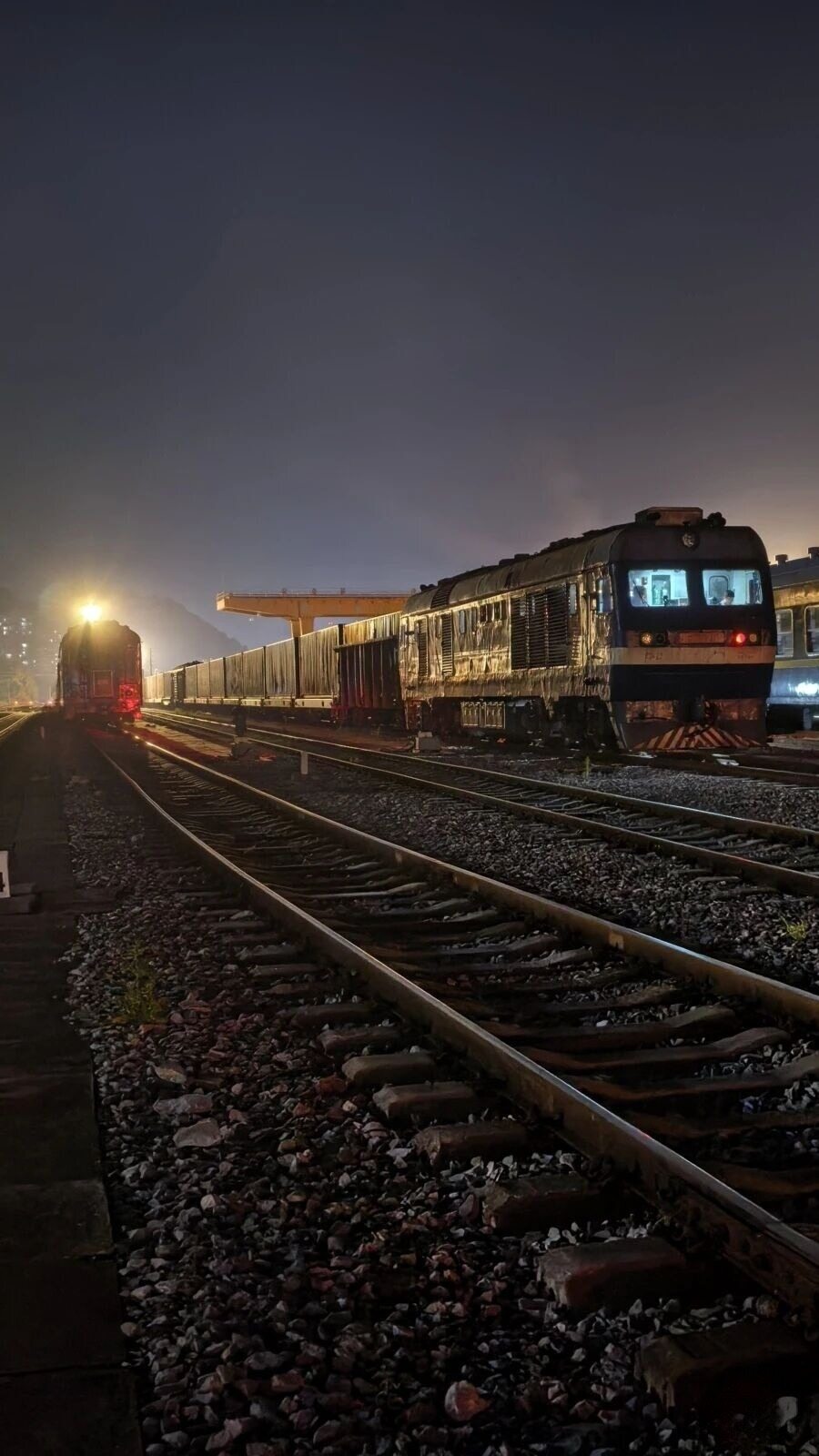
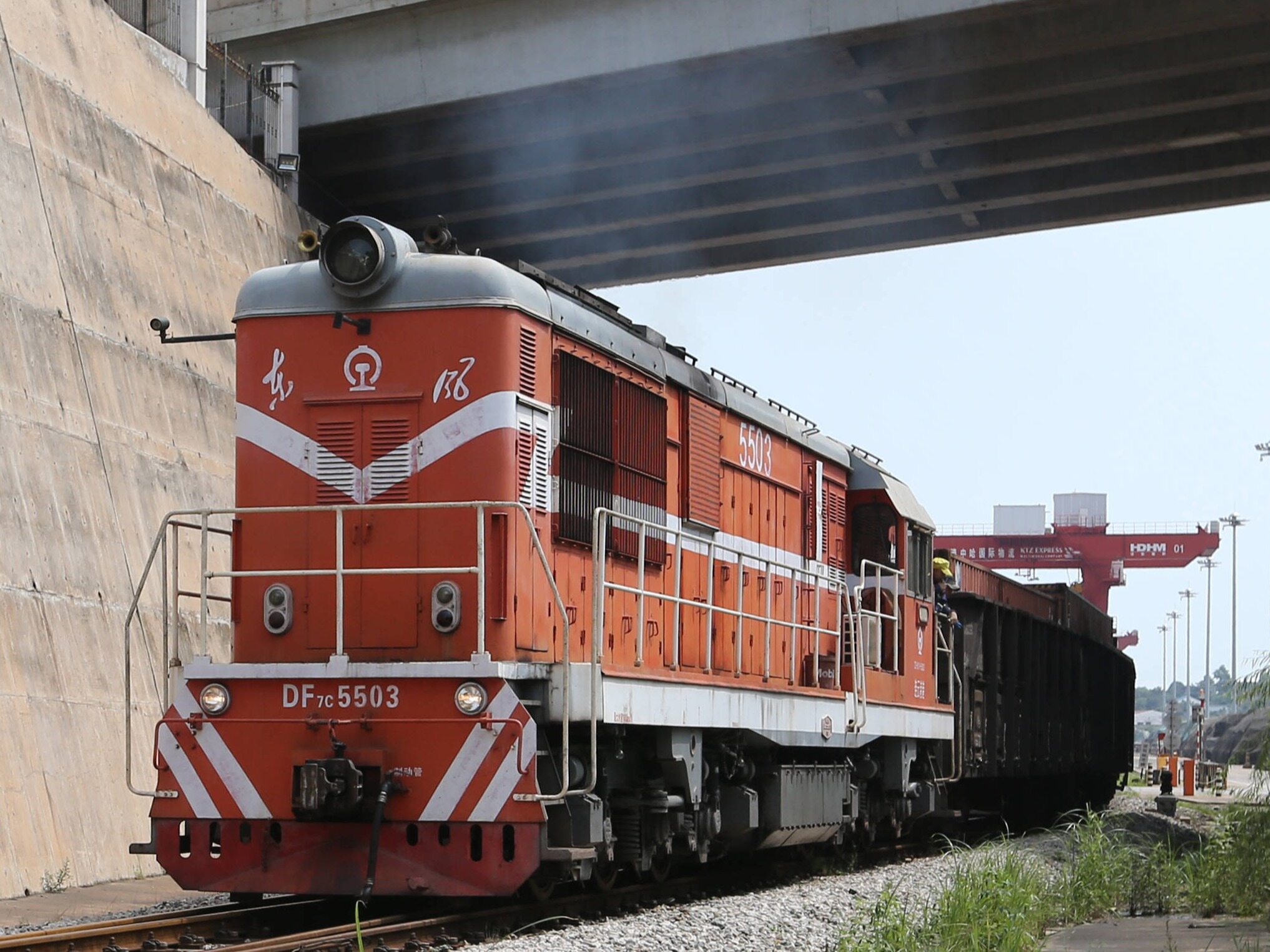
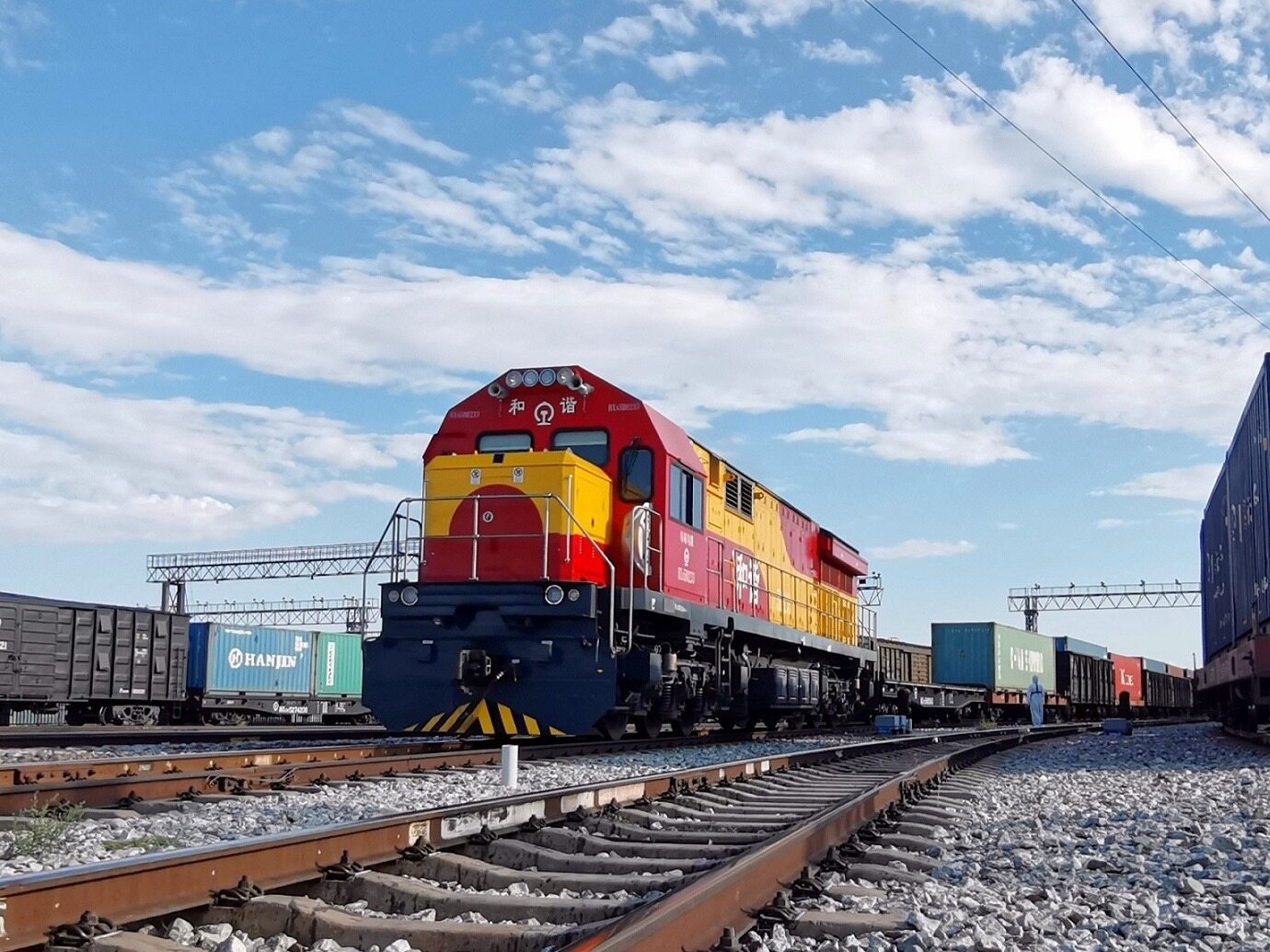
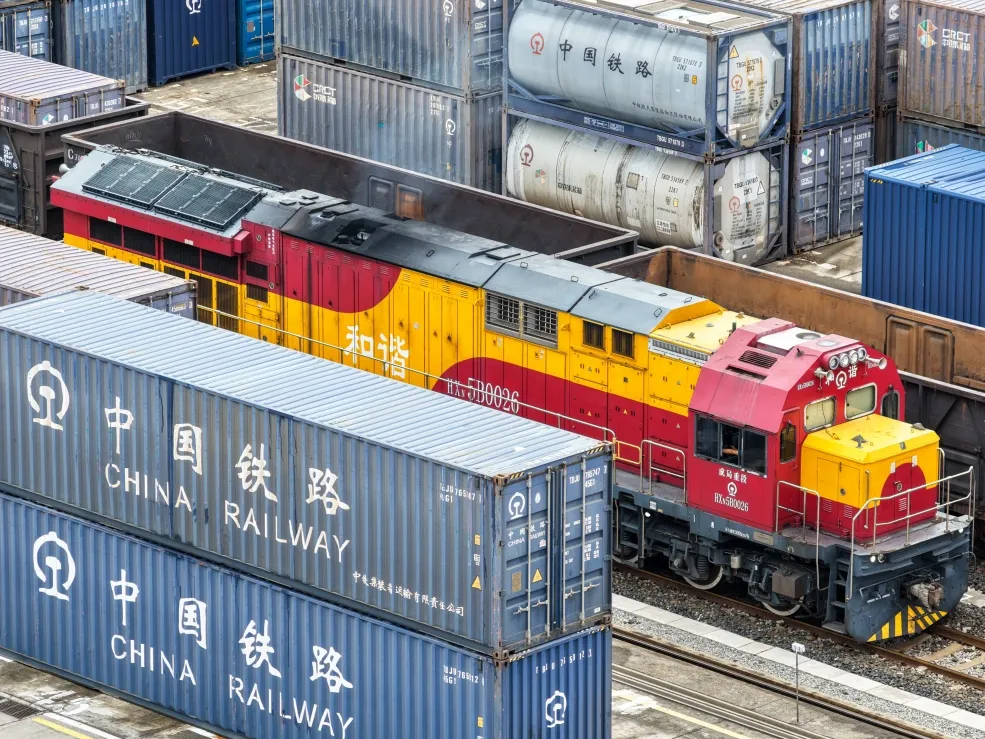
The morning light of early summer in Xining shines on the tracks of the Xining Shuangzhai Logistics Center on the Qinghai Tibet Railway. With a long whistle, container trains loaded with polyvinyl chloride slowly start. This train will depart from Qinghai, cross over 3000 kilometers of mountains and rivers, pass through the Pingxiang Railway Port in Guangxi, and head straight to Ho Chi Minh City, Vietnam. For enterprises along the route, this is not just a freight train, but also a "green brand" chemical product that has opened the door to the Southeast Asian market.
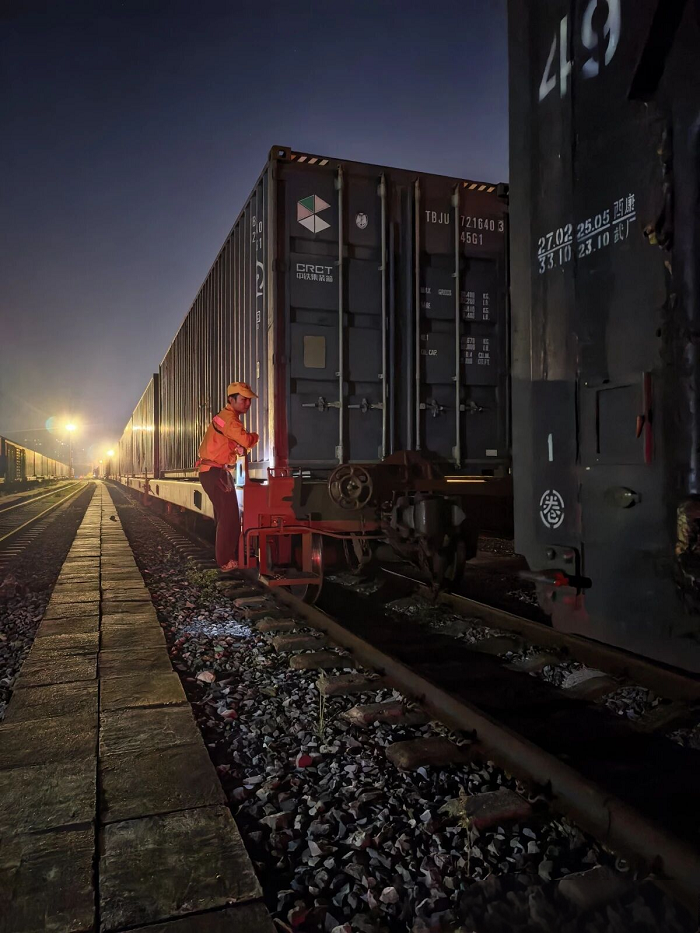
Qinghai Chemical takes the cross-border direct train
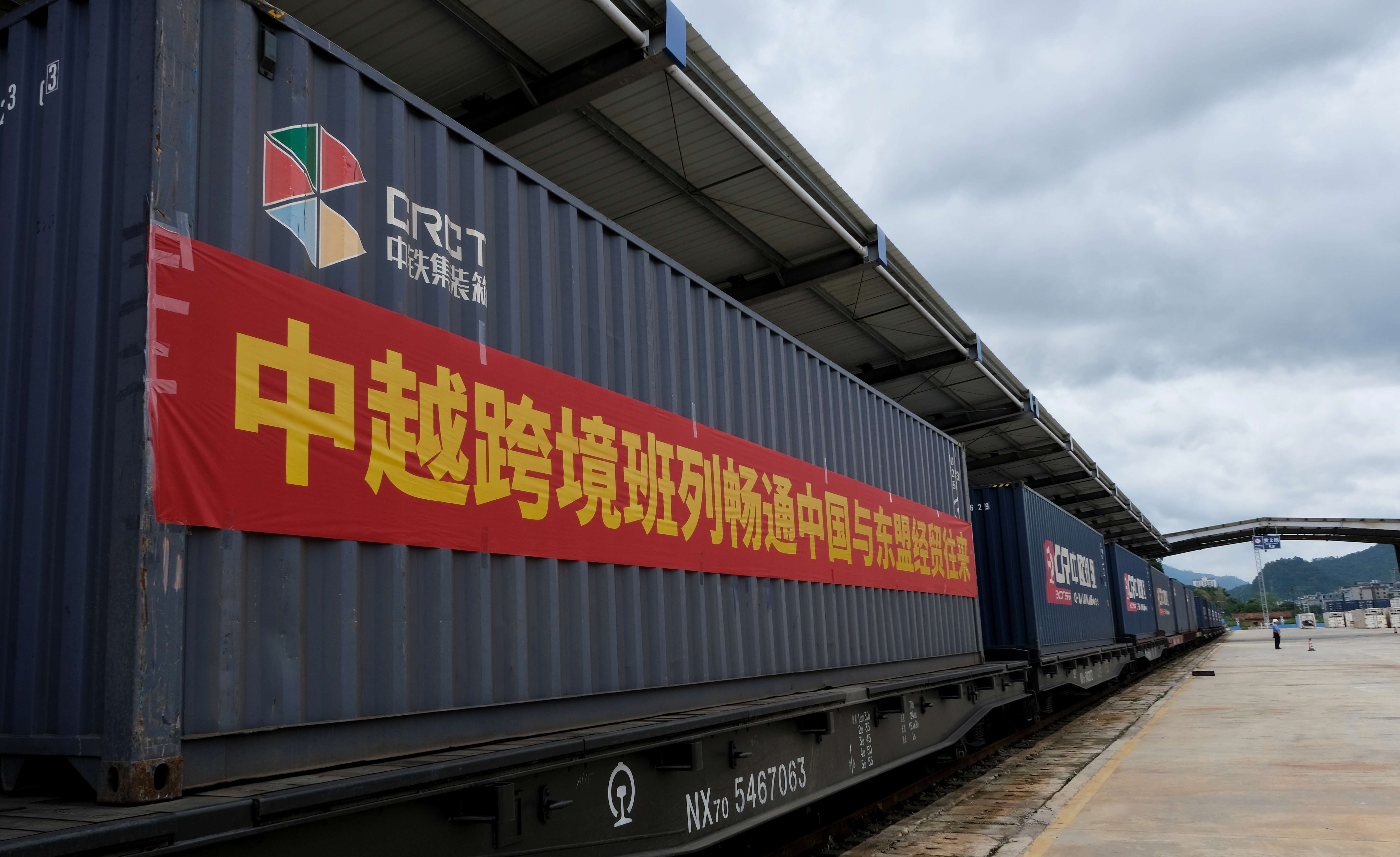
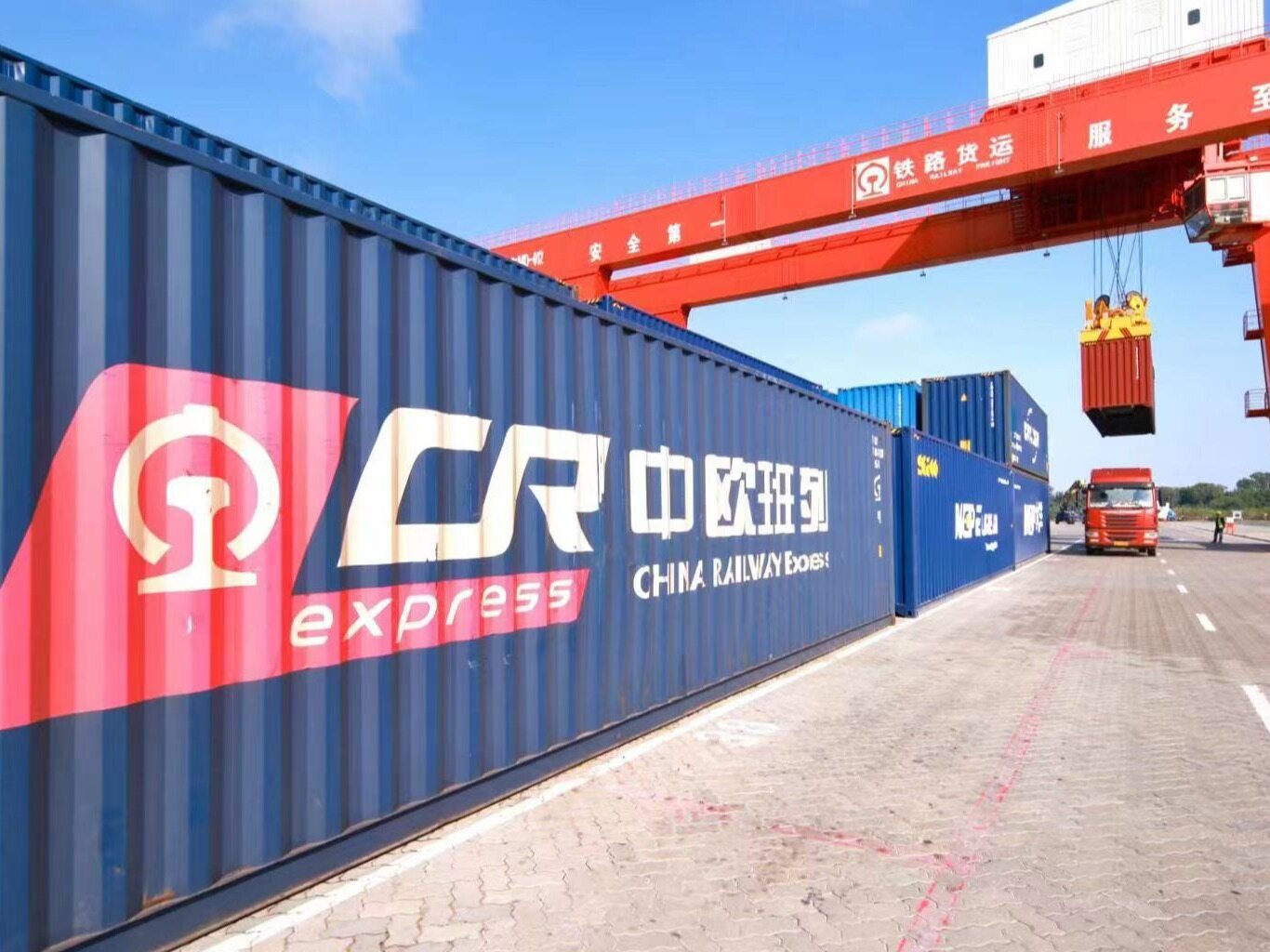
The train departs from the Xining Shuangzhai Logistics Center on the Qinghai Tibet Railway, loaded with approximately 1000 tons of polyvinyl chloride, and departed from Guangxi Pingxiang Railway Port in three batches. The entire railway transportation was about 3200 kilometers, and all goods arrived in Vietnam on the evening of June 1st. This is the first time that Qinghai has launched an international freight train directly to Ho Chi Minh City, using a full container railway transportation mode. Compared with traditional multimodal transport, it significantly reduces transportation time, eliminates secondary loading and unloading processes within Vietnam, effectively reduces the comprehensive logistics costs of enterprises, and also builds a stable and efficient cross-border logistics channel for the continuous expansion of exports of advantageous products such as Qinghai Salt Lake Chemical and new materials.
Four priorities to ensure the efficiency of cross-border trains
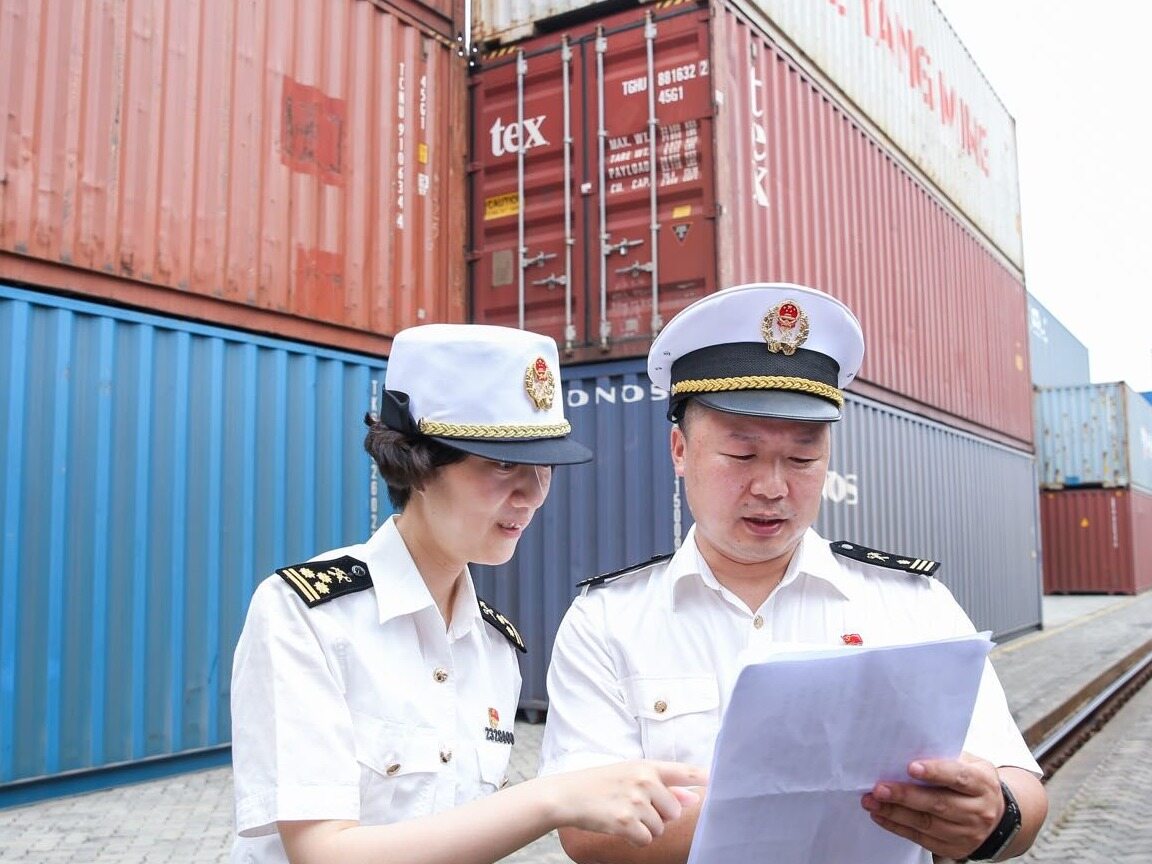
In order to improve the transportation efficiency of this cross-border train, the Nanning Rolling Stock Depot of China Railway Nanning Bureau organized the shunting team and cargo inspection personnel to carry out double-sided inspection operations, improve the efficiency of vehicle inspection, and implement policies of priority delivery, priority loading, priority grouping, and priority driving for cross-border trains. Pingxiang Customs promotes the railway express mode, allowing enterprises to complete one declaration and one inspection in the local area. After the goods arrive at the port, they can be cleared directly, and 24-hour customs clearance services are provided to ensure efficient operation of trains.
The Land Sea New Channel weaves a dense logistics network between China and Vietnam
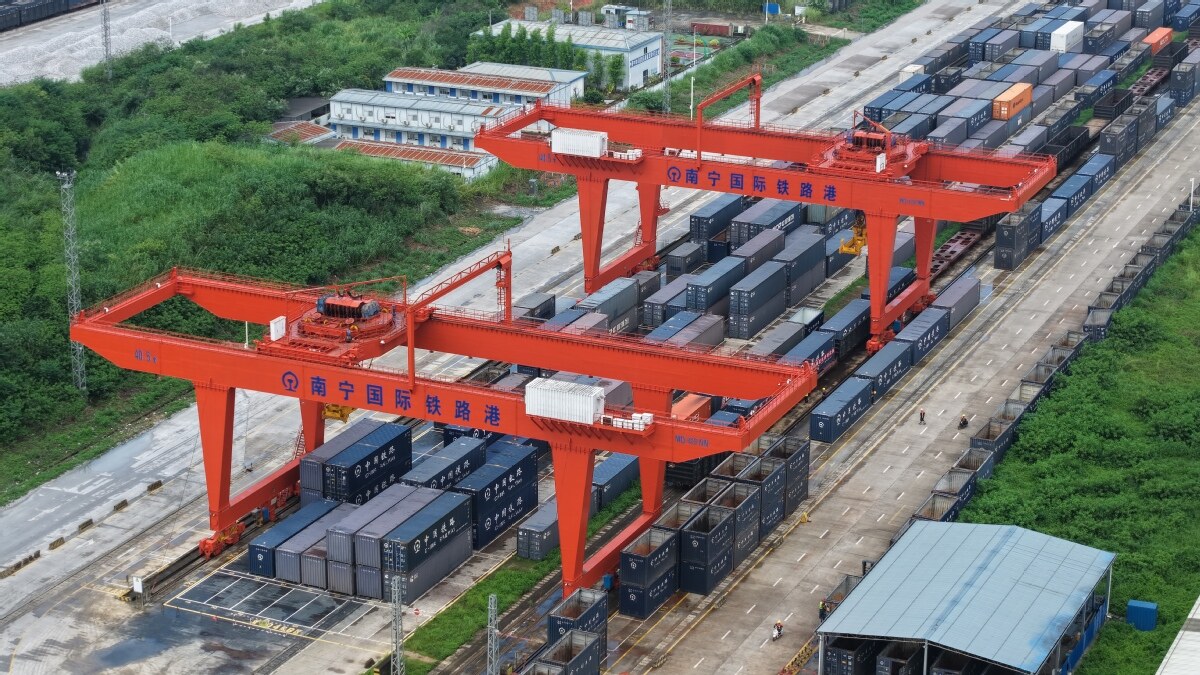
As a key transportation node of the Western Land Sea New Corridor, Pingxiang Railway Port has attracted goods from Chongqing, Chengdu, Guangzhou, Huaihua, Jinan, Suzhou and other places to exit here and be sent to Vietnam and other ASEAN countries. At present, there are over 450 types of goods exported through the Pingxiang Railway Port, and over 180 types of goods imported, covering industrial machinery, technological products, and specialties from various provinces and cities. The proportion of high-tech and high value-added goods has been increasing year by year, injecting new impetus into promoting high-level opening-up and deepening cooperation between China and ASEAN.
The iron and steel caravan, which sails from the Qinghai Tibet Plateau to the coast of the South China Sea and then connects with ASEAN, is becoming a vivid footnote to the infrastructure connectivity of the the Belt and Road, and also allows more high-quality goods in the central and western regions to go to the world through Guangxi.Editor/Yang Meiling
Comment

 Praise
 Collect
 Comment

 Share
Share


Write something~