 Search


- Deeply cultivating technology to support the cultivation of local talents and contribute to the sustainable development of agriculture
- Chinese mushroom and grass technology goes abroad, solving the pain points of Zimbabwe's agricultural and animal husbandry development
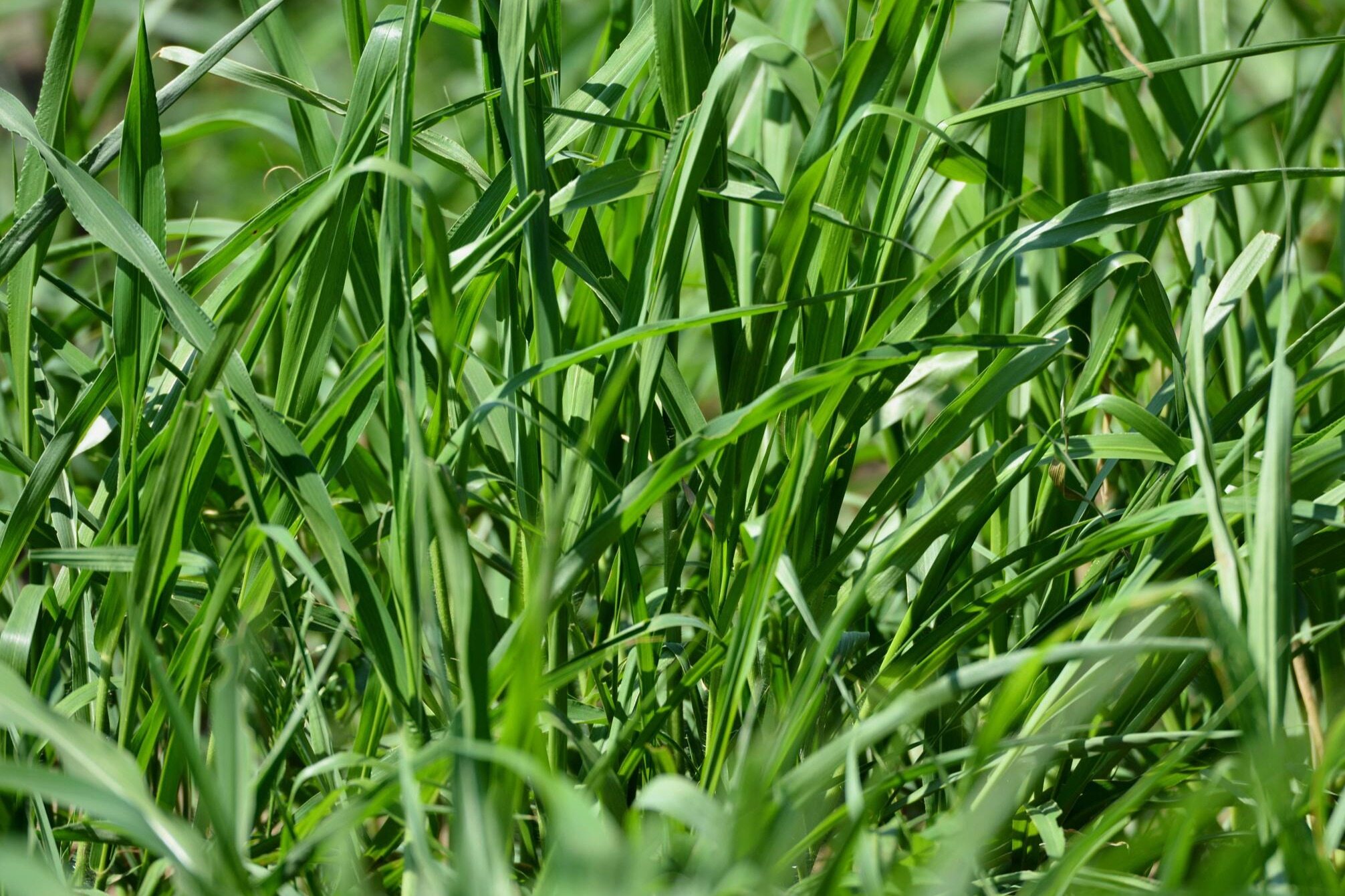
In South Matabeleland Province, Zimbabwe, herder Obert Chinahamo guards the mushroom field on his farm, looking at the thriving giant mushroom grass with joy. The local climate is arid, and the supply of grass has always been in short supply. The more than 300 livestock he raises are constantly short of food, but mushroom grass has completely reversed this dilemma.
Solving the problem of feed for herdsmen
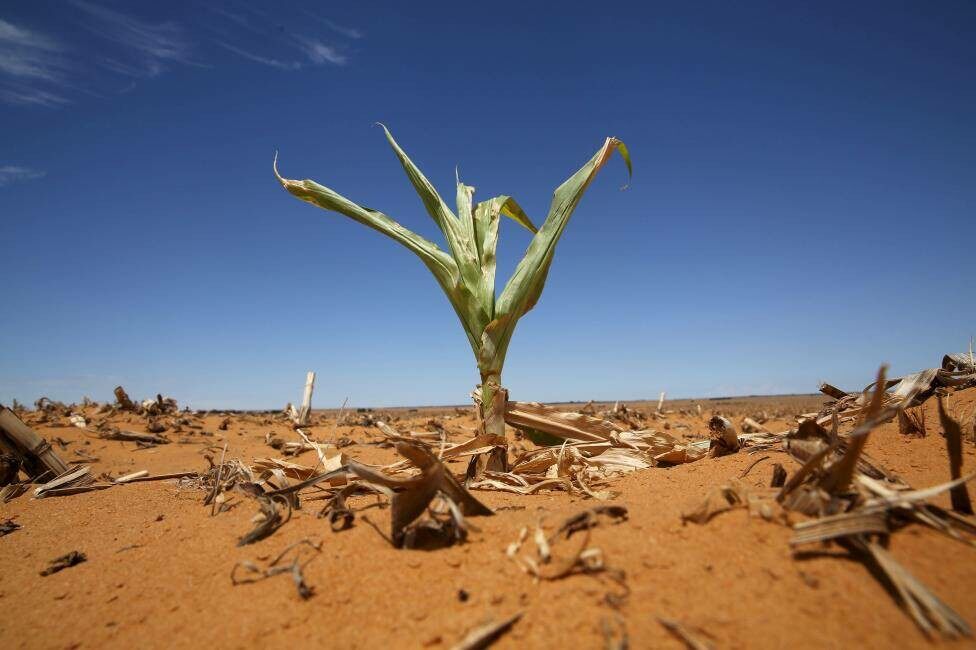
Drought, lack of rainfall, insufficient feed, and outdated technology have long hindered the progress of Zimbabwe's agriculture and animal husbandry industry. In February 2025, the mushroom grass technology project assisted by China was officially launched, and drought resistant and high-yielding mushroom grass took root here. The project aims to popularize planting and processing technologies, promote the upgrading of local agriculture and animal husbandry, and help people increase their income and become prosperous. After more than a year of operation, the technology has covered 9 provinces across the country, established 69 demonstration bases, piloted 9 universities, and cultivated 187 demonstration households for edible mushroom cultivation.
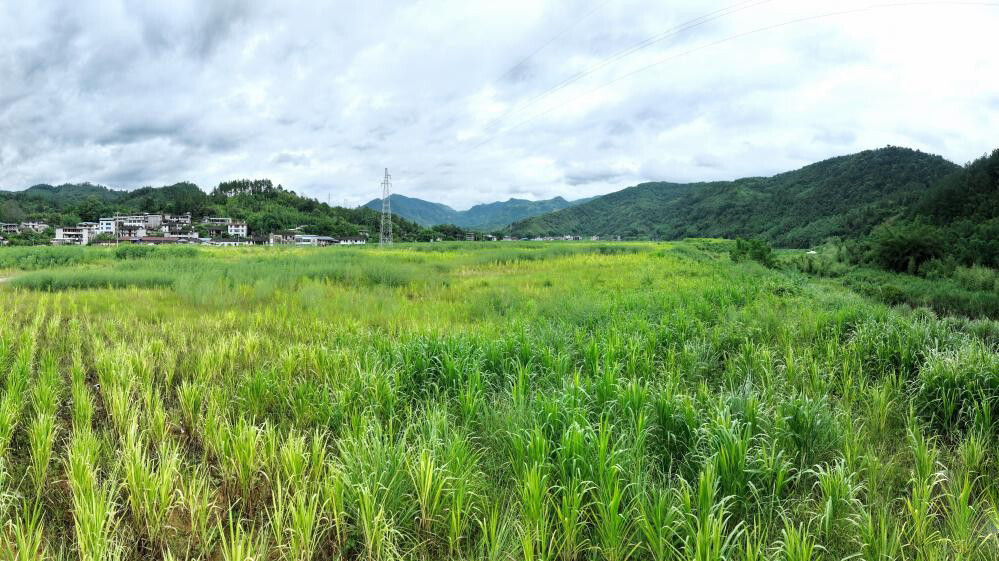
Mushroom grass is adapted to the local natural environment, filling the gap in livestock feed in arid areas and opening up new ways to increase income through edible mushroom cultivation. It truly achieves the goal of revitalizing industries with one grass and benefiting all people, and is affectionately called the magical grass by the locals. In South Matabeleland Province, mushroom grass becomes a food guarantee for livestock; In the province of Xishuangbanna, edible mushroom cultivation allows villagers to earn income at their doorstep, and changes are quietly happening in various places.
Farmers taste the sweetness of development
Tengdai Qualanba, a farmer in East Mashonaland Province, received 200 mushroom grass seedlings in March 2026 and tested them on 60 square meters of land. The rapid growth of mushroom grass showed him the vast prospect of self-sufficiency in local feed. He plans to rely on mushroom and grass to develop diversified breeding, raising cattle, goats, and poultry, while cultivating edible mushrooms, creating a circular farming model of grass, mushroom, and livestock. Kwalanba plans to expand the planting area to nearly 1 hectare next year, shifting from experimental planting to large-scale operation.
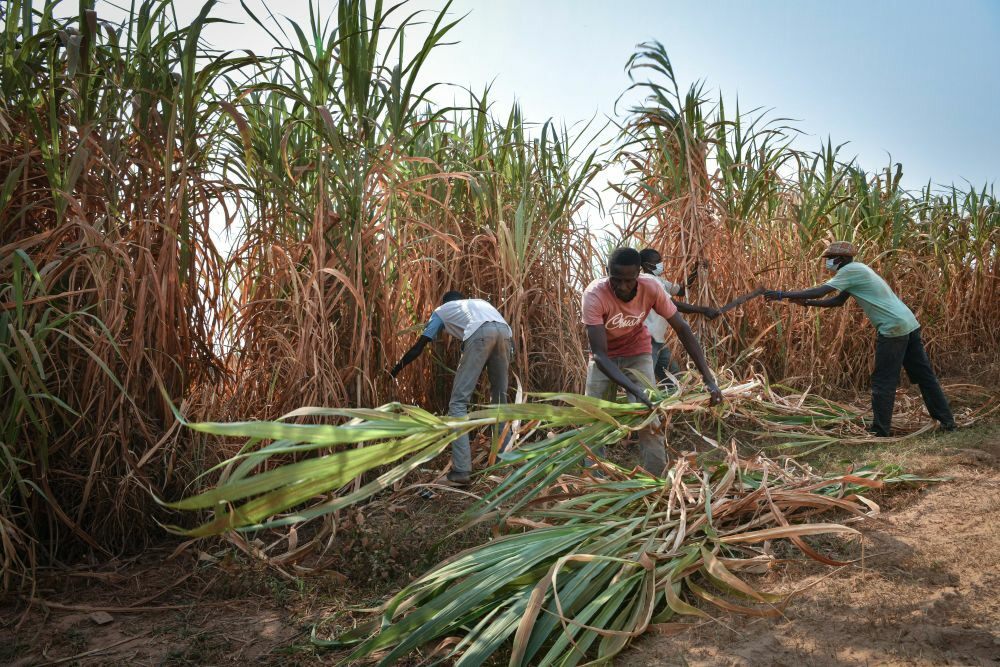
The project team has conducted 19 technical training courses so far. Patiens Magondo in Xishuangbanna Province relies on mushroom packs provided by the Chinese side to grow edible mushrooms, steadily increasing his monthly income by $100 and significantly improving his living standards. Based on the current agricultural situation in Zimbabwe and the actual needs of farmers, the project team not only introduced high-quality giant mushroom grass varieties, but also continuously improved crop yields through technical guidance. Dr. Lin Dongmei from the National Mushroom Grass Engineering Technology Research Center of Fujian Agriculture and Forestry University has led expert teams to conduct field research and guidance multiple times, fully exploring the diverse value of mushroom grass.
Long cooperation period
The aid project has a period of three years, and will further improve the integrated circulation mode of mushroom grass, animal husbandry, mushroom, and organic fertilizer, expand the scale of planting and mushroom packaging production, continue to carry out skill training, cultivate local technical talents, and promote the long-term implementation of technology. In addition, mushroom grass technology will also be applied to the field of ecological restoration in mines, assisting in local ecological environment governance. Zimbabwean Ministry of Agriculture official Dumisani Kutwayo evaluated that this technology has greatly contributed to the sustainable development of local agriculture and increased income for the people. Keywords: the Belt and Road news network, fungus technology, Zimbabwe
Chinese Ambassador to Zimbabwe Zhou Ding stated that the mushroom grass project has yielded fruitful results since its implementation, and this plant has become a vivid example of practical cooperation between China and Zimbabwe. China will continue to expand the promotion of technology, leverage the multiple roles of mushroom grass planting, breeding, soil stabilization, and water conservation, and use technological strength to support the development of local agriculture and animal husbandry, improve people's livelihoods, reduce poverty and poverty, enhance climate response capabilities, and safeguard Zimbabwe's agricultural modernization and food security.Editor/Gong Ziwei
Comment







 Praise
 Collect
 Comment

 Share
Share


Write something~