 Search


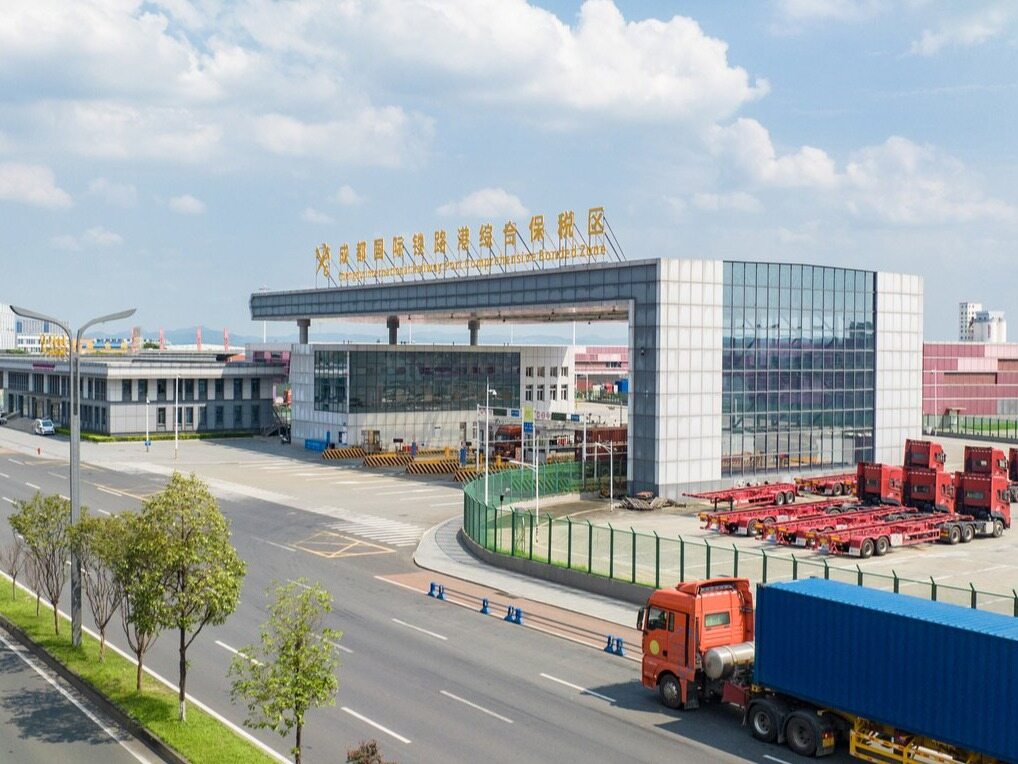
- Entering the North China Assembly Center Shijiazhuang International Land Port
In 2026, the China Europe freight train will celebrate its 15th anniversary of operation. From the first Chongqing Xinjiang Europe train sounding its horn westward in 2011 to the current cumulative operation of over 100000 trains, this steel corridor spanning Asia and Europe has grown from an experimental route to a global trade artery.
From node to hub
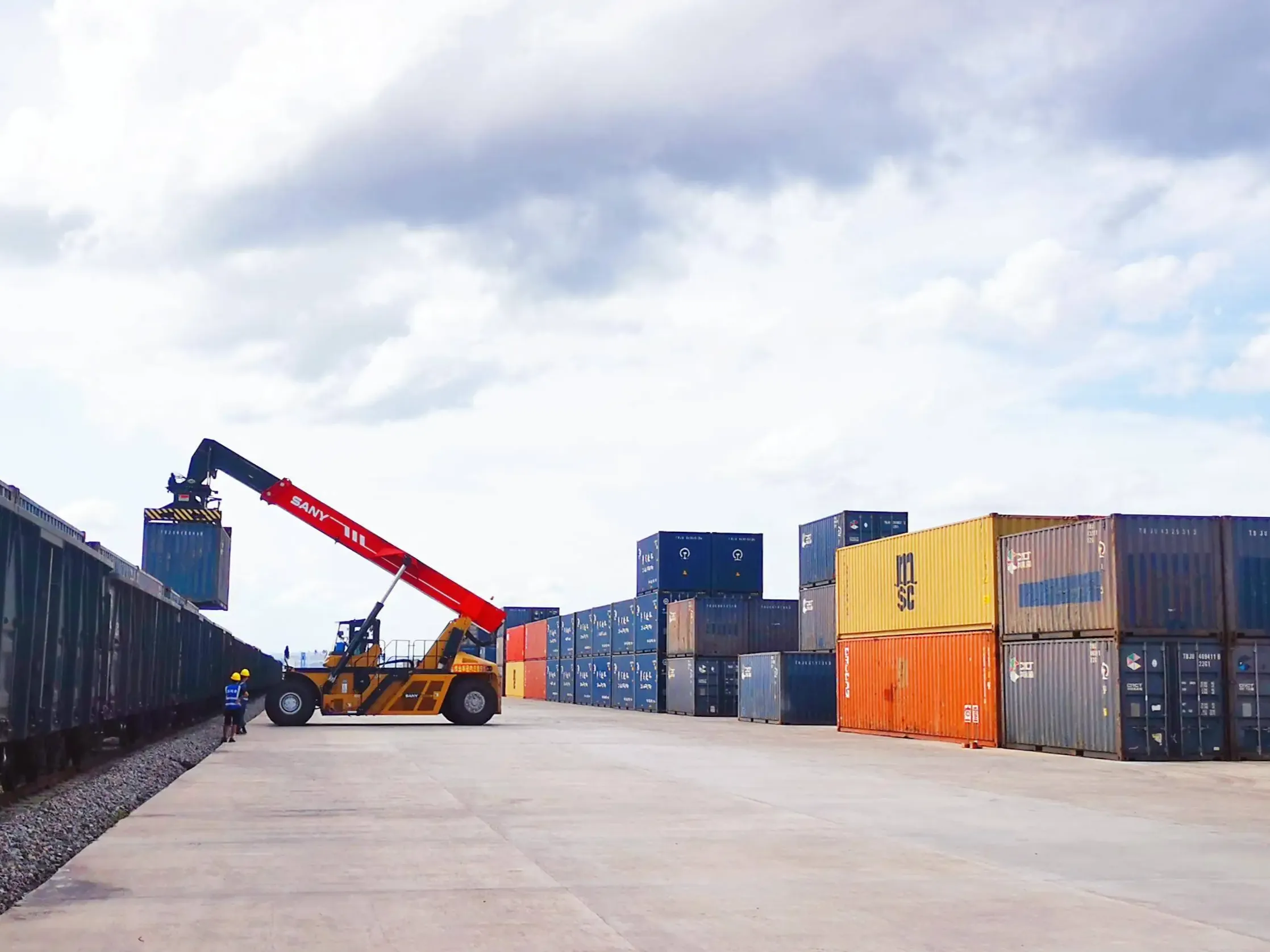
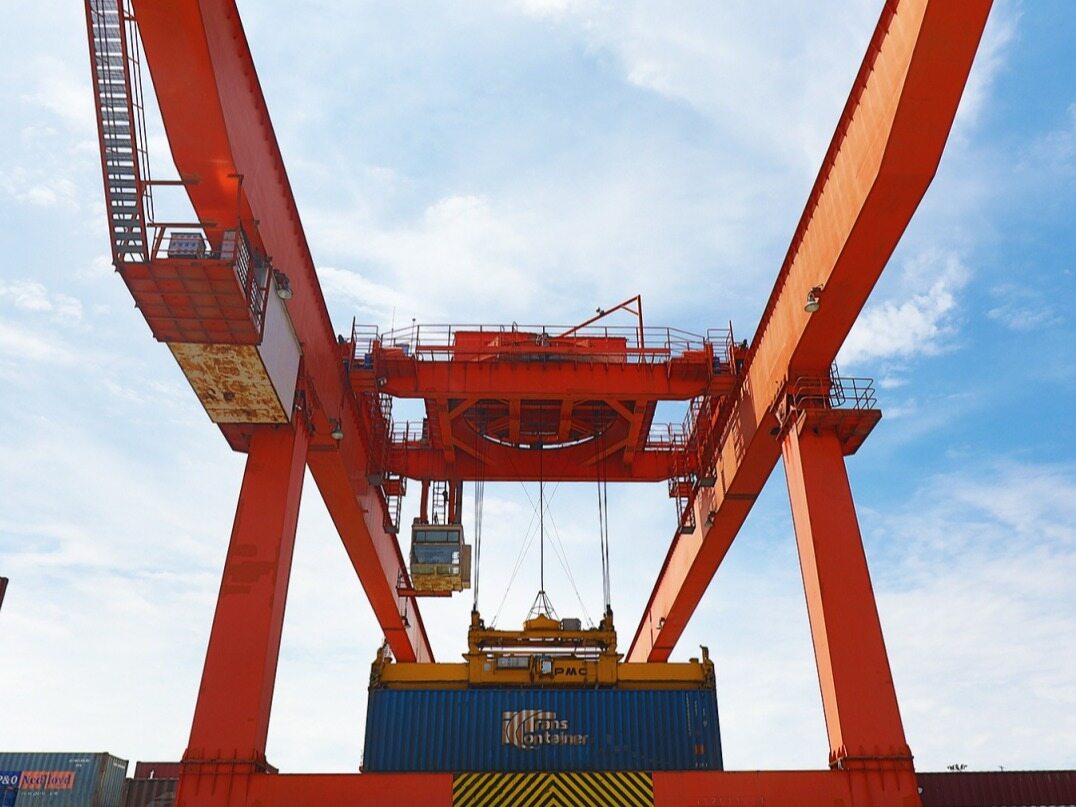
Since its operation in 2018, Shijiazhuang International Land Port has seen a continuous increase in the scale of China Europe (Asia) freight trains, with international routes expanding from the initial few to a dense network covering five Central Asian countries, Russia, and multiple European countries. The train not only provides direct access to overseas markets for Hebei's automotive parts, photovoltaic modules, and other Hebei goods, but also introduces Central Asian grain and oil, as well as high-quality European products into the domestic market, achieving two-way connectivity. At present, Shijiazhuang has firmly ranked among the top in terms of train assembly volume in North China, with continuous growth in annual operation volume. The land port function has been upgraded from a simple freight node to a comprehensive logistics hub.
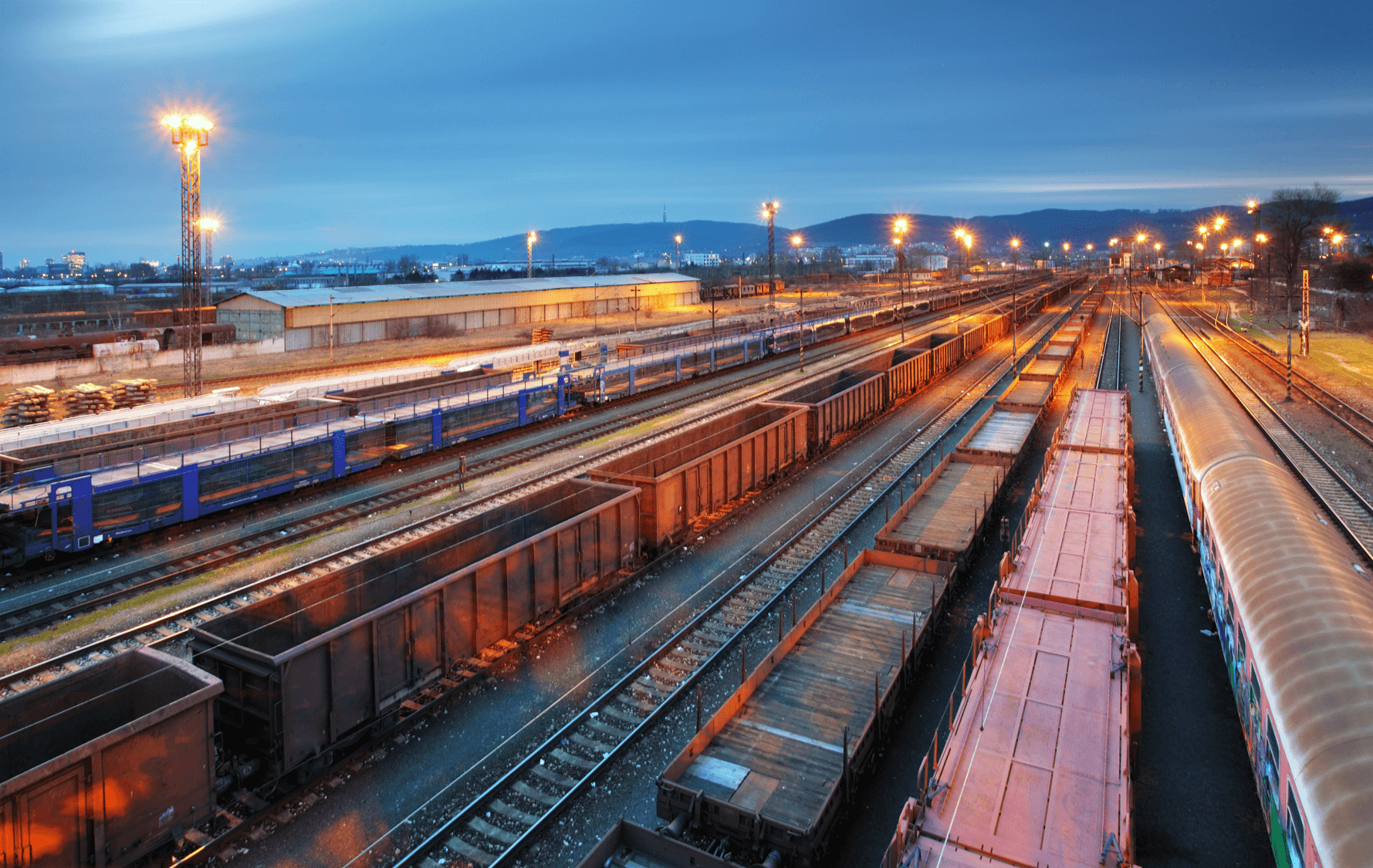
15 years ago, the China Europe freight train was still an exploratory route; Nowadays, it has become the main trade artery connecting Asia and Europe. The growth trajectory of Shijiazhuang International Land Port is a microcosm of the China Europe freight train's transition from novelty to normalcy. With the continuous encryption of routes and upgrading of services, this steel caravan is galloping at a faster pace on the New Silk Road.Editor/Cheng Liting
Comment

 Praise
 Collect
 Comment

 Share
Share


Write something~