 Search


- Regional energy cooperation continues to deepen, with stable operation of transmission channels
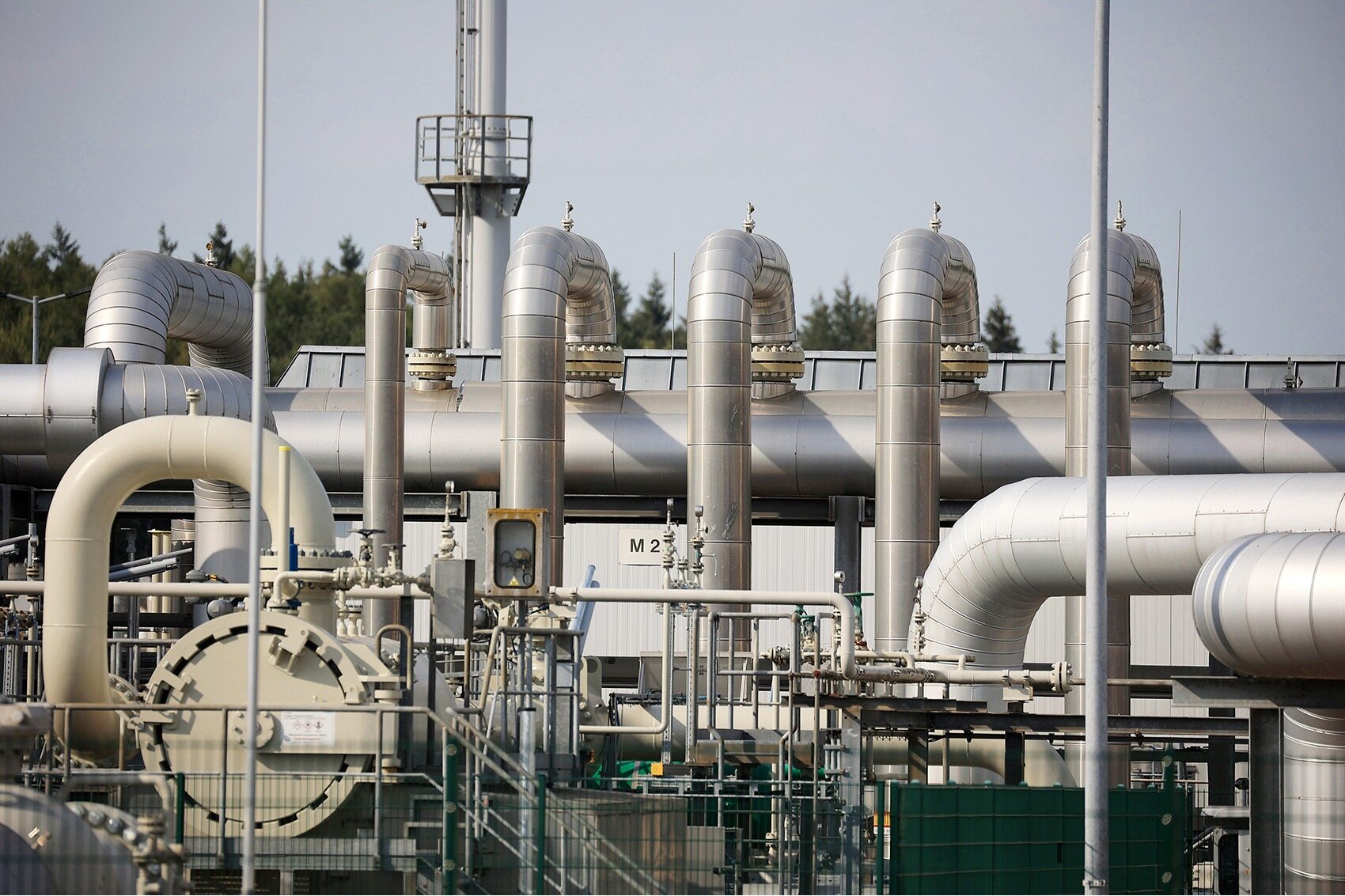
Deep in the grasslands of southern Kazakhstan, a massive natural gas pipeline tirelessly delivers clean energy to Uzbekistan day and night. In the morning, the engineers at the pipeline station recorded pressure and flow data as usual, and the jumping numbers on the screen reflected a new change in the cross-border energy link over the past year.
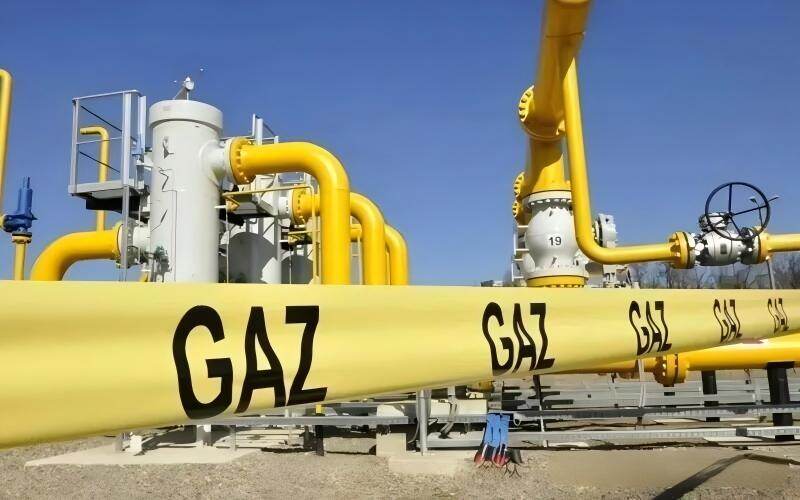
According to data released by Gazprom, Uzbekistan imported 5.64 billion cubic meters of natural gas from Russia in 2024, while last year this number climbed to 6.48 billion cubic meters, an increase of 15%. All of this natural gas is transported through the Central Asia Central Gas Pipeline passing through Kazakhstan, which has maintained stable operation for many years and provided reliable energy security for Ukraine.
At the same time, Russia's overall gas supply to Central Asia is also expanding. The representative of Gazprom revealed that its natural gas exports to Kazakhstan, Uzbekistan, and Kyrgyzstan will increase by 22.2% year-on-year in 2025, and its exports to Georgia will increase by 40.4%. This means that as the regional economy recovers and energy demand increases, Russia is further consolidating its energy supply position in Central Asia and the Caucasus region through its existing pipeline network.
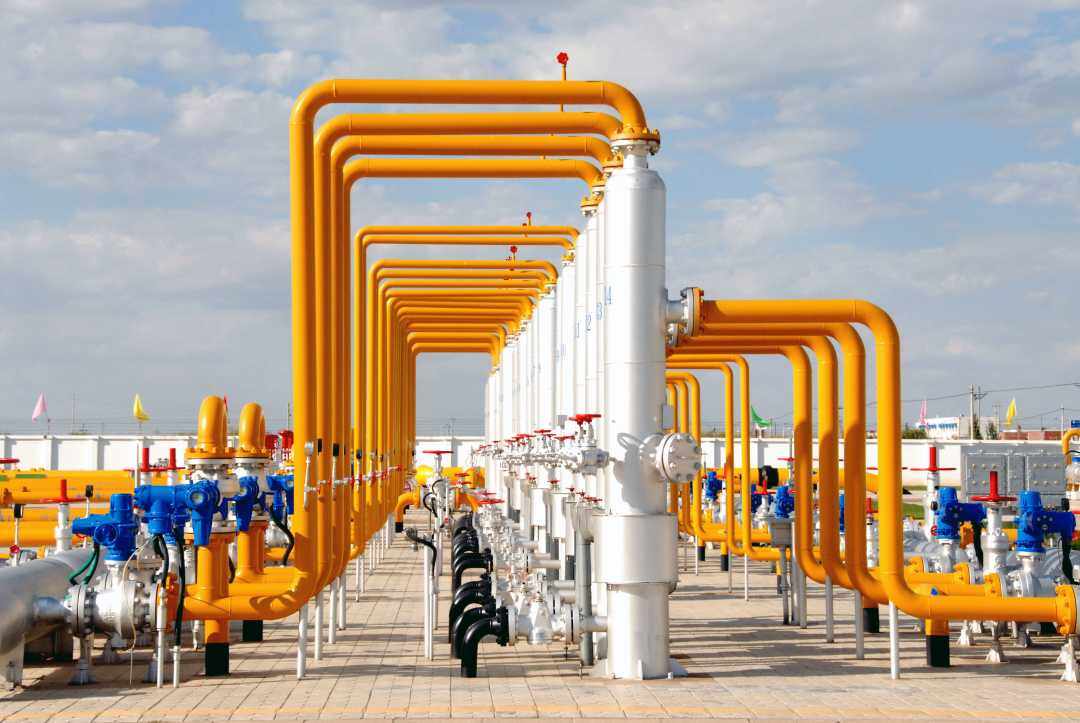
For Uzbekistan, such cooperation not only alleviates domestic supply and demand pressures, but also provides practical support for participating in regional energy integration. Under the framework of the the Belt and Road, the stable operation of transnational infrastructure has enabled more countries to share resources and market dividends, and has also enabled this ancient Silk Road to glow with new vitality in the modern energy landscape.Editor/Yang Meiling
Comment




 Praise
 Collect
 Comment

 Share
Share


Write something~