 Search


- Central Asia's largest economy and Middle Eastern oil giant are accelerating their resource alliance
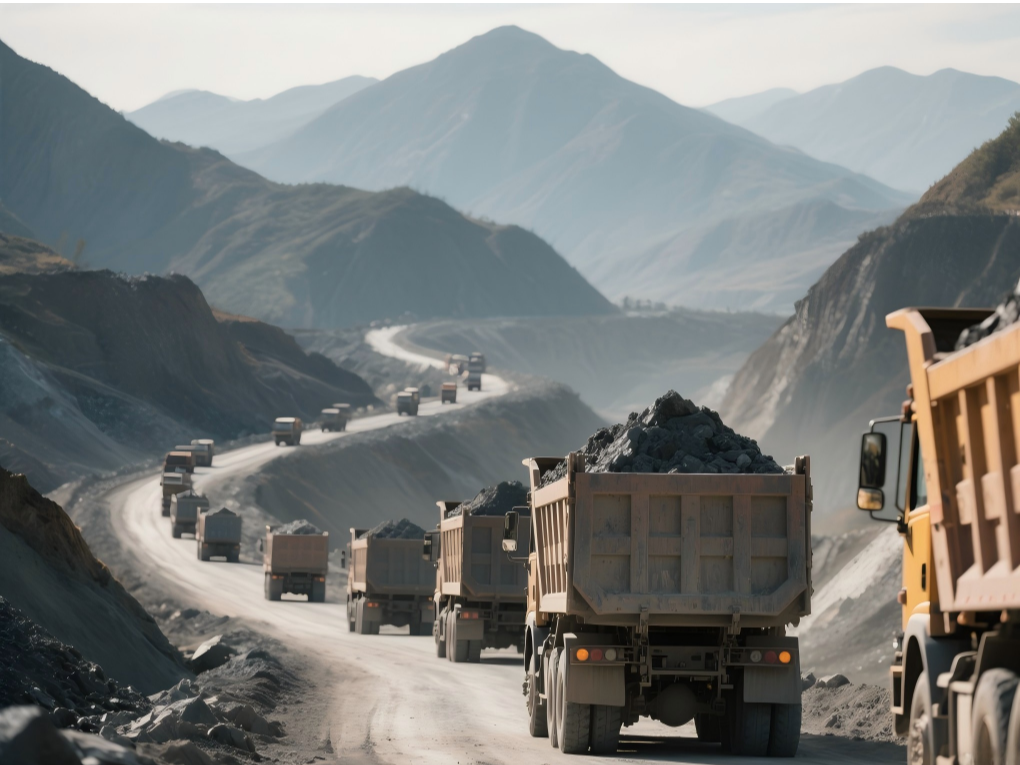
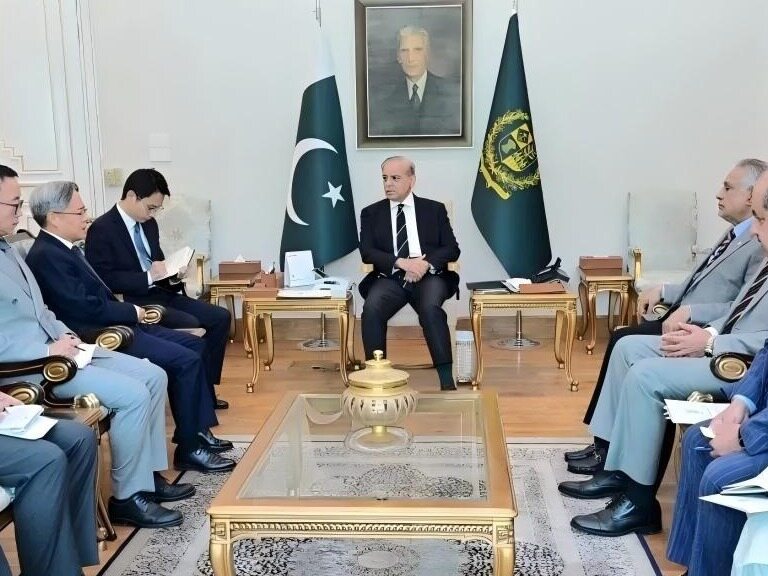
The desert wind blew through the Caspian Sea, carrying the smell of petrodollars, and landed precisely on the vast mineral deposits of Central Asia. At the meeting between Kazakhstani Prime Minister Orzas Bekutenov and Saudi Minister of Industry and Mineral Resources Bandar Khalev, there was not much exchange of pleasantries, and both sides went straight to the topic - how to transform the buried black gold and metal treasures into a powerful engine for promoting economic transformation between the two countries. This is not only a diplomatic visit, but also a strategic handshake between two resource-based countries in the post energy era.
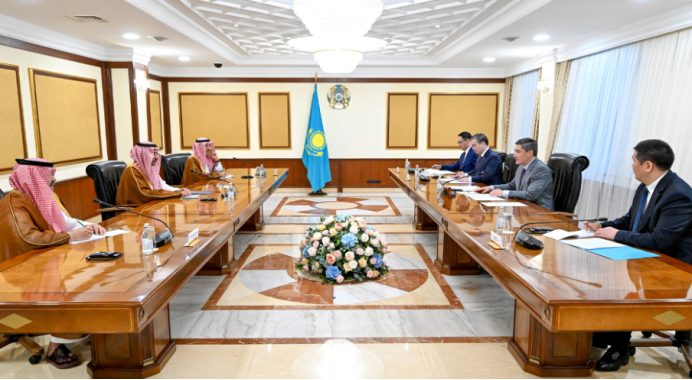
High level coordination and cooperation direction
The core of this high-level dialogue is to shift the cooperation between the two countries from simply buying and selling raw materials to jointly building high-tech physical industries. Both sides have made it clear that the main battlefield in the future will be the modernization and upgrading of mining and metallurgical complexes.
The meeting locked in the full chain collaboration from geological exploration to deep processing. Unlike before, the focus this time is on "key minerals" such as lithium, rare earths, and other scarce resources that are indispensable to the new energy industry. Both sides have reached a consensus that they will no longer be satisfied with exporting raw materials, but will be committed to landing high value-added joint projects in Kazakhstan, allowing resources to double their value before leaving the country.
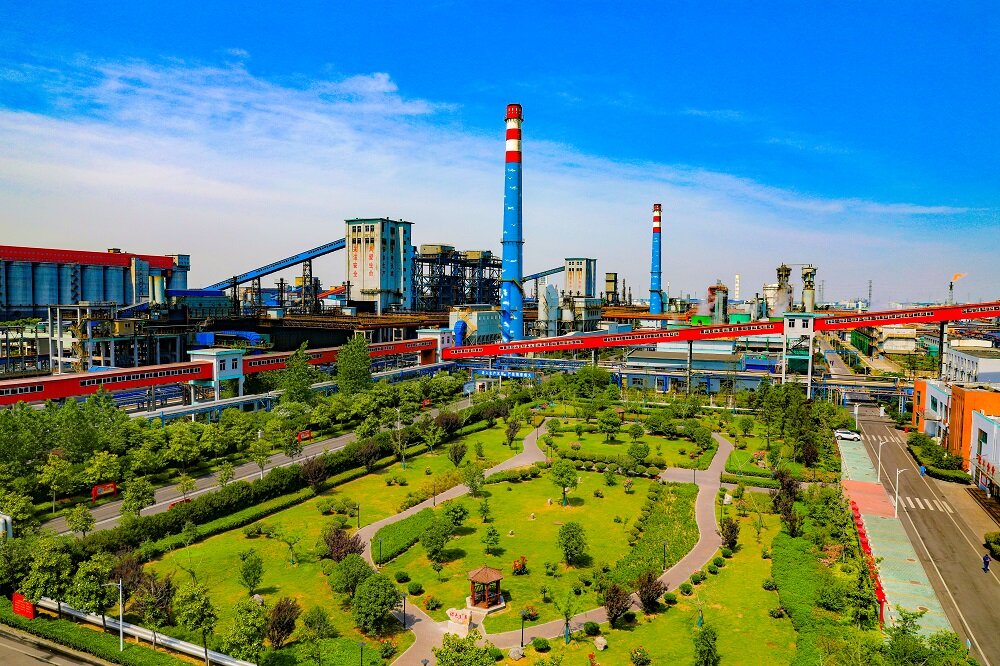
Strong increase in economic and trade data
The rapid transformation of political mutual trust is directly reflected in the statistical data of customs. Saudi Arabia has long been Kazakhstan's top economic partner in the Middle East, and its performance this year has been particularly impressive.
Official data shows that the trade volume between the two countries achieved a steady growth of 17% in 2025, reaching 11.7 million US dollars. Even more astonishing is that after entering 2026, the potential for cooperation will fully erupt, with trade volume surging to 6.1 million US dollars in just the first four months, a year-on-year increase of 2.9 times. The flow of capital is also active, and over the past two decades, Saudi Arabia's direct investment stock in Kazakhstan has reached 115.3 million US dollars. In February of this year, with the signing of two key bilateral agreements, institutional barriers were completely cleared, laying a solid foundation for the subsequent industrial landing.
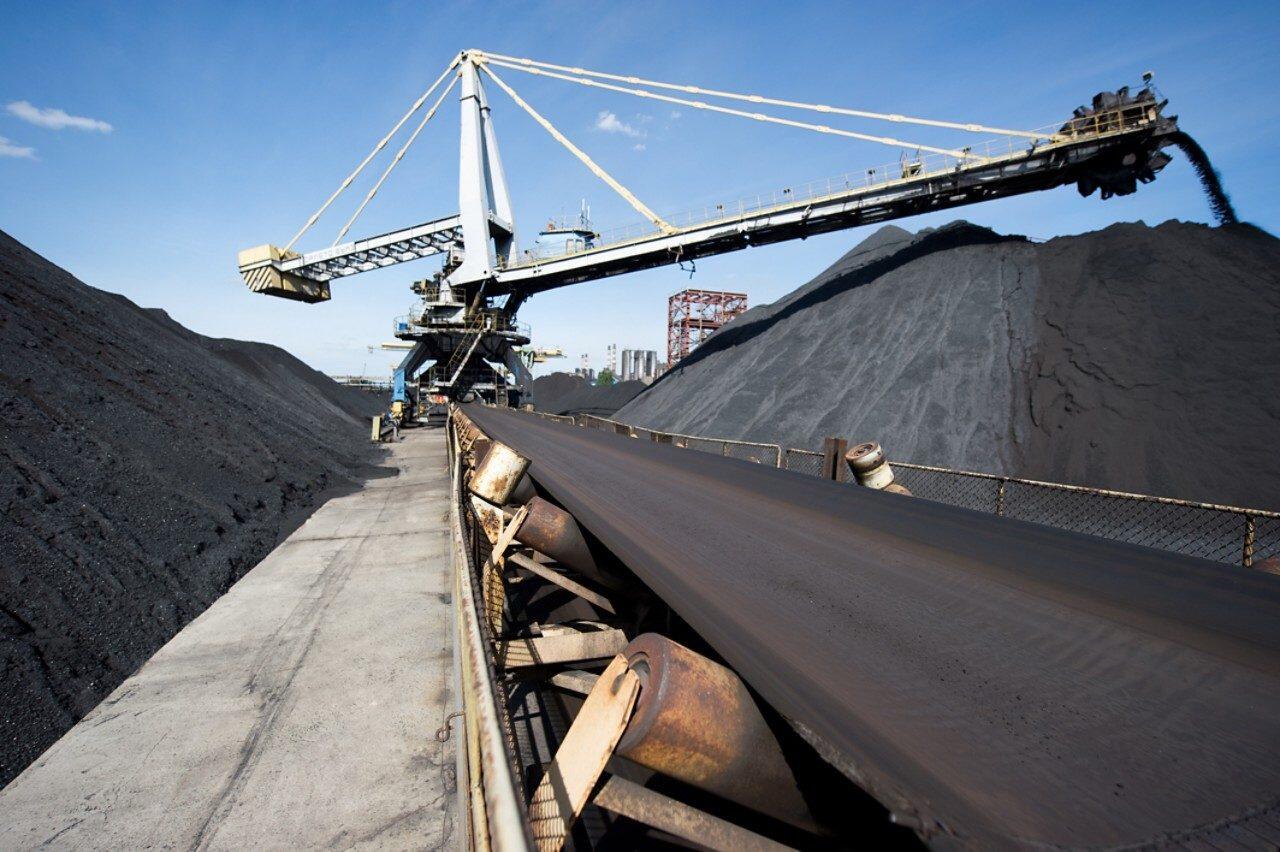
Industrial transformation shifts and accelerates speed
Relying on a strong economic and trade foundation and newly signed policy dividends, the two countries are reshaping the regional resource map. Kazakhstan has abundant metal minerals, while Saudi Arabia has strong capital and an industrial system under construction.
Both sides have decided to abandon the traditional low buy high sell model and instead focus on deep processing of key minerals and high-end metallurgical manufacturing. This combination of "resources+funds+technology" aims to break down industrial barriers between Central Asia and the Middle East. By improving the mineral industry chain, both countries are not only making money, but also reducing their dependence on a single energy source and achieving true economic diversification transformation in the future global economic landscape. This collaboration across the Caspian Sea is providing a new model for cooperation among resource-based countries worldwide.Editor/Yang Meiling
Comment

 Praise
 Collect
 Comment

 Share
Share


Write something~