 Search


- SLB signs digital transformation agreement with PDVSA, ushering in AI revolution in Venezuela's oil industry

In a conference room in Caracas, with the signing of two documents, a business friendship spanning nearly a century has opened a new chapter. For SLB (formerly Schlumberger), the world's largest oilfield technology service provider, this is not only a commercial signing, but also a return. Since entering Venezuela in 1929, whether during the boom period of the industry or the frozen period of sanctions, SLB's presence has never been far away. Nowadays, facing the urgent need for recovery in Venezuela's oil industry, this technology giant has brought new weapons - artificial intelligence and digitization.
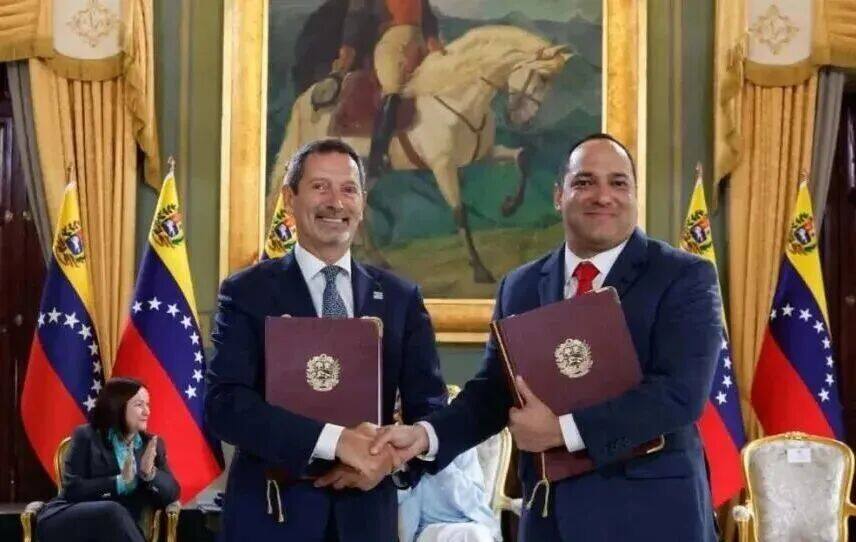
Although Venezuela has the world's largest proven crude oil reserves, reaching 303 billion barrels, the reality is somewhat fragile. The country's daily oil production has declined from a peak of over 3 million barrels twenty years ago to approximately 800000 barrels per day currently. To reverse this situation and restore production to the level of 1.5 million barrels per day, billions of dollars in investment and cutting-edge technological support have become the top priority. It is in this context that SLB and PDVSA have finalized this long-term framework agreement.
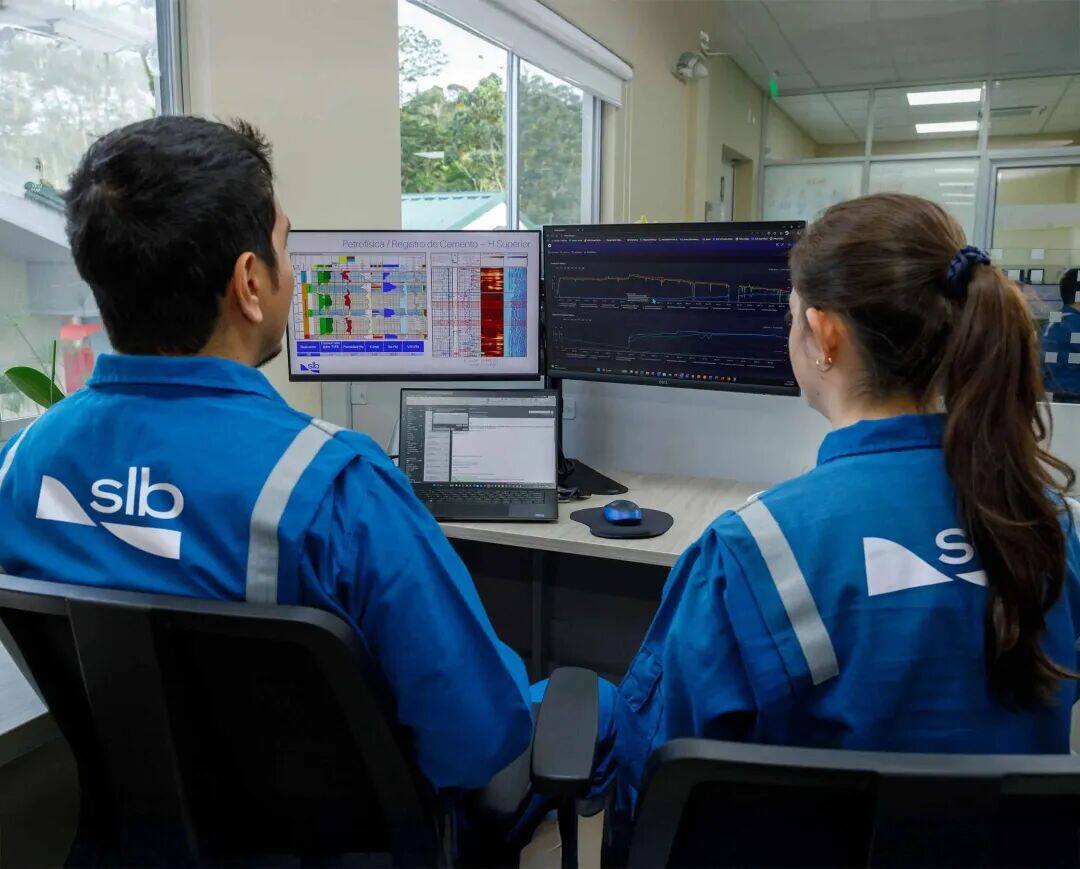
AI reshapes old oil fields
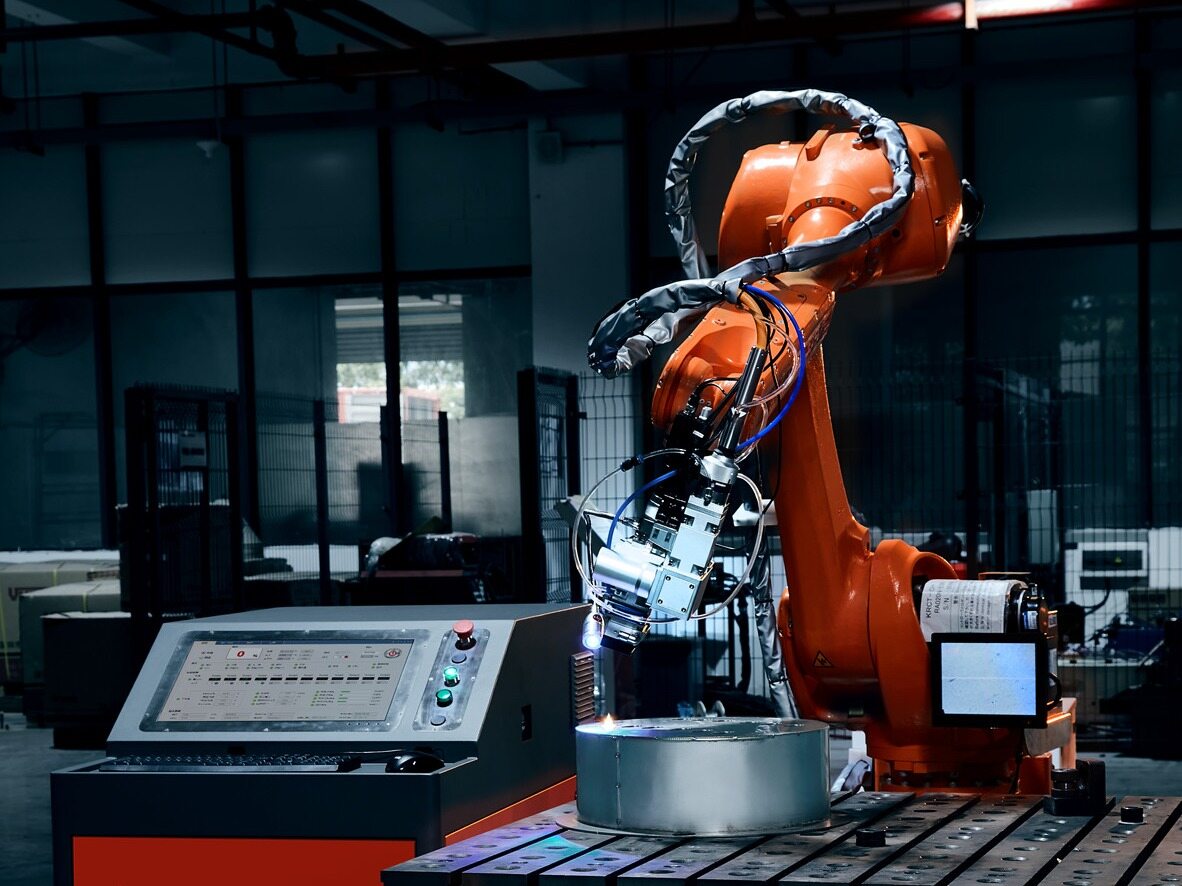
The core of this cooperation is to transform the traditional petroleum industry with digital intelligence. According to the agreement, SLB will deploy interconnected data systems and predictive models on a large scale in Venezuela's oil fields. This means that oilfield operations that originally relied on human experience will be replaced by workflows driven by artificial intelligence. Through real-time data analysis, operators can accurately predict equipment failures, optimize drilling paths, significantly improve operational efficiency, and accelerate decision-making processes. This is not only an upgrade to old equipment, but also a reconstruction of the entire oil production logic.

The steadfastness of 1997
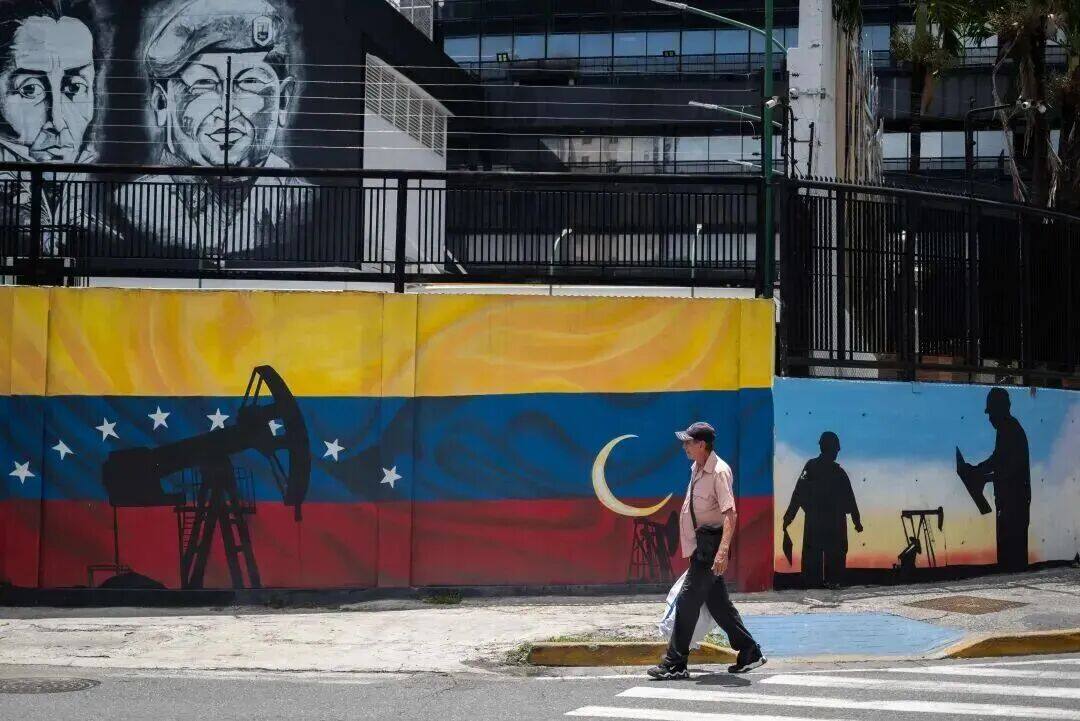
The reason why SLB can become the protagonist of this revival plan is due to its 97 year deep cultivation in Venezuela. When the industry entered the harsh winter of 2017, most multinational companies chose to withdraw, and SLB was the only multinational oil service company to maintain uninterrupted operations. In 2023, with a specific license issued by the Office of Foreign Assets Control, SLB was able to continue providing critical drilling services in the Orinoco heavy oil belt. SLB CEO Lepeche has clearly stated that as long as the licensing and compliance conditions are in place, the company has the ability to rapidly expand its business scale in Venezuela, which undoubtedly injects a shot in the arm for PDVSA.
Cultivate local strength
In addition to the injection of hard technology, the construction of soft power has also been put on the agenda. The agreement particularly emphasizes the importance of human capital development. SLB plans to collaborate with PDVSA and local academic institutions in Venezuela to carry out labor training programs. Through systematic knowledge transfer, help cultivate a new generation of petroleum engineers and technical experts in the local area. As Venezuelan Acting President Rodriguez has stated, the country is firmly on the path of opening up strategic industries and sees international investment as the core engine of development, with talent reserves being the cornerstone of undertaking this wave of investment.Editor/Yang Meiling
Comment




 Praise
 Collect
 Comment

 Share
Share


Write something~