 Search


- The blockade of the Strait of Hormuz has caused a 70% drop in UAE bauxite imports

While global aluminum demand is still growing moderately, the supply chain of bauxite is already under pressure on multiple fronts. The blockade of the Strait of Hormuz has caused a 70% drop in UAE imports, while China and India are competing against the trend to grab goods. On the surface, it appears to be a temporary interruption in transportation routes, but in reality, a long-term game around pricing power for raw materials is accelerating.

UAE eliminated, India takes over
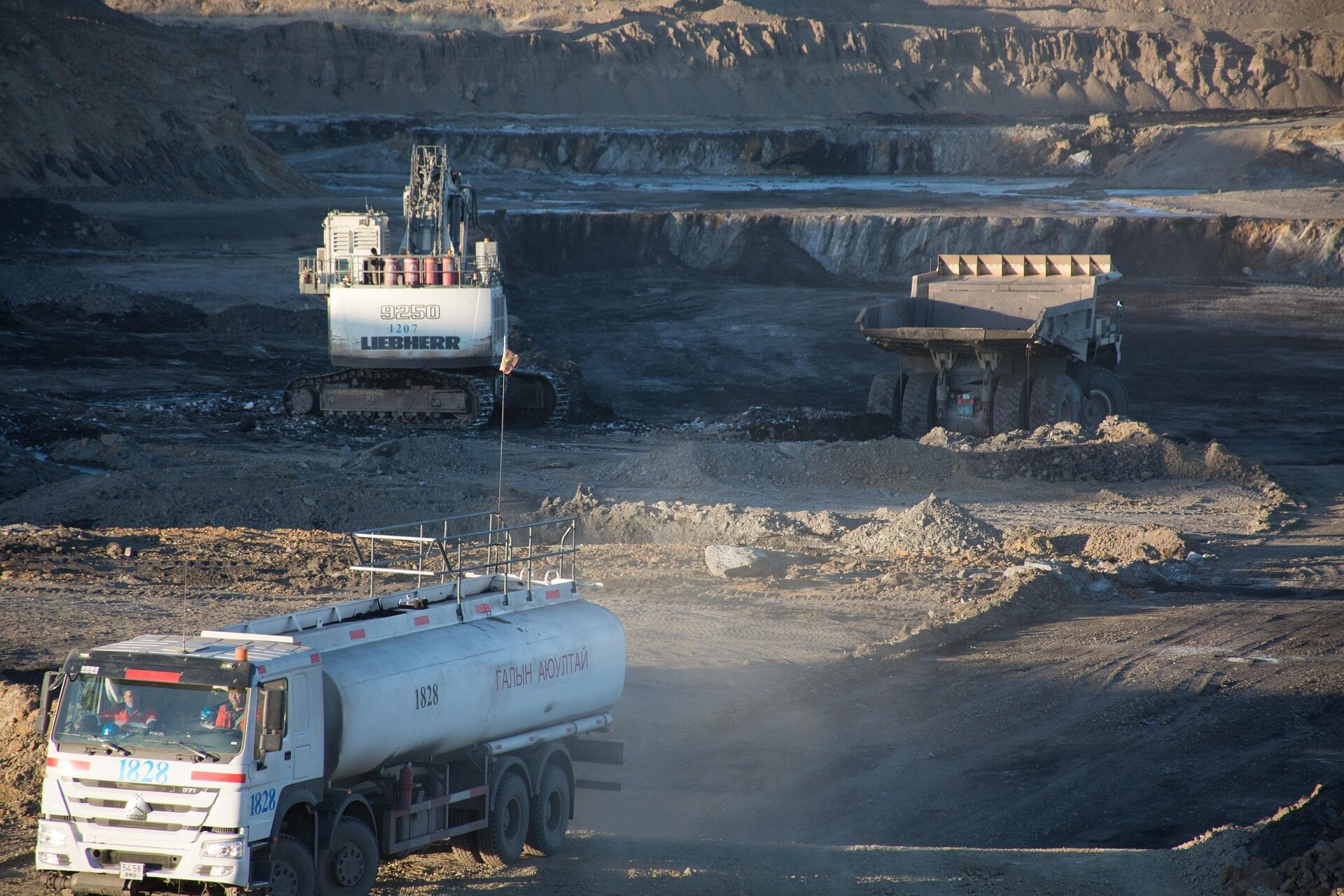
According to Ocean Signal data, not a single ton of bauxite was shipped to the United Arab Emirates in March 2026, but only recovered to 126000 tons in April, a year-on-year drop of over 71%, and the global share plummeted from the normal 3% to 0.6%. The position of the United Arab Emirates as the world's second-largest recipient of bauxite has almost been hollowed out.
The most direct beneficiary is India, which imported 2.5 million tons of bauxite in the first quarter of 2026, a year-on-year surge of 285%, and 781000 tons in April, a year-on-year increase of 24%. This is not a short-term arbitrage, but the release of production capacity from the expansion of alumina refineries by Vedanta Group and Aluminum India over the years, and structural demand will not disappear due to the opening of the strait.
China supports bottom, India competes for position
As the largest importer, China's bauxite imports reached 23 million tons in April, a year-on-year increase of 24%, providing a solid bottom line for global demand. The global demand for aluminum is expected to grow by nearly 2% in 2026, with both China and India making efforts simultaneously. The overall outlook for bauxite is optimistic. But there are two variables hidden in optimism: one is that it is still uncertain when the blockade of the Strait of Hormuz will be lifted, and transportation costs in the Arabian Gulf region continue to rise; Secondly, Guinea is transitioning from a passive supplier to an active pricing party.
The cape type ship market is under pressure
Guinea has started to reduce exports since April and has signaled to consider setting the export ceiling for 2026 at 150 million tons, lower than the 178 million tons in 2025. Once executed, it will release approximately 46 cape type bulk carriers, directly impacting the strong performance of the dry bulk market in 2026.
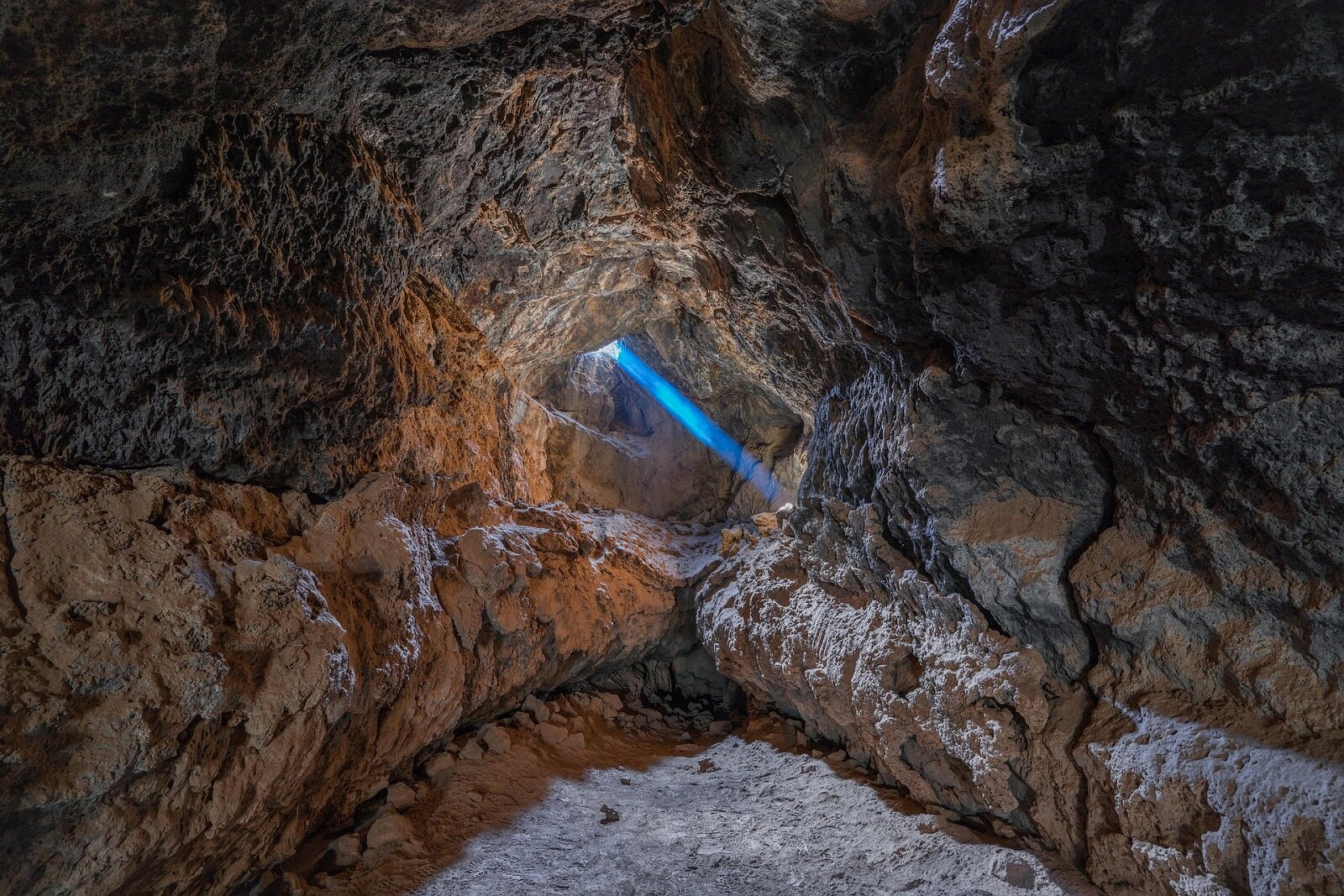
The logic of Guinea is clear: the soaring freight rates have squeezed the profits of producers, and if there is no limit to prices, they cannot go up. It is better to actively reduce supply to support prices. The Ministry of Mining has made it clear that if the export volume does not significantly decrease and prices do not rise, stricter controls will be implemented.
The surface of the bauxite market is a dispute over transportation routes, while the underlying logic is a dispute over pricing power. The demand growth of China and India is certain, but Guinea's export policy is the biggest uncertainty in the second half of 2026. For shipping companies and traders, what really needs to be closely monitored is not when the Strait of Hormuz will open for navigation, but when the export cap red line in Conakry will land.Editor/Cheng Liting
Comment




 Praise
 Collect
 Comment

 Share
Share


Write something~