 Search


- Small initial investment can enhance infrastructure resilience and significantly reduce potential huge asset losses in new energy
- Photovoltaic, wind, and hydroelectric power all have high disaster risks, and Vietnam and the Philippines face significant pressure to resist disasters in their energy facilities
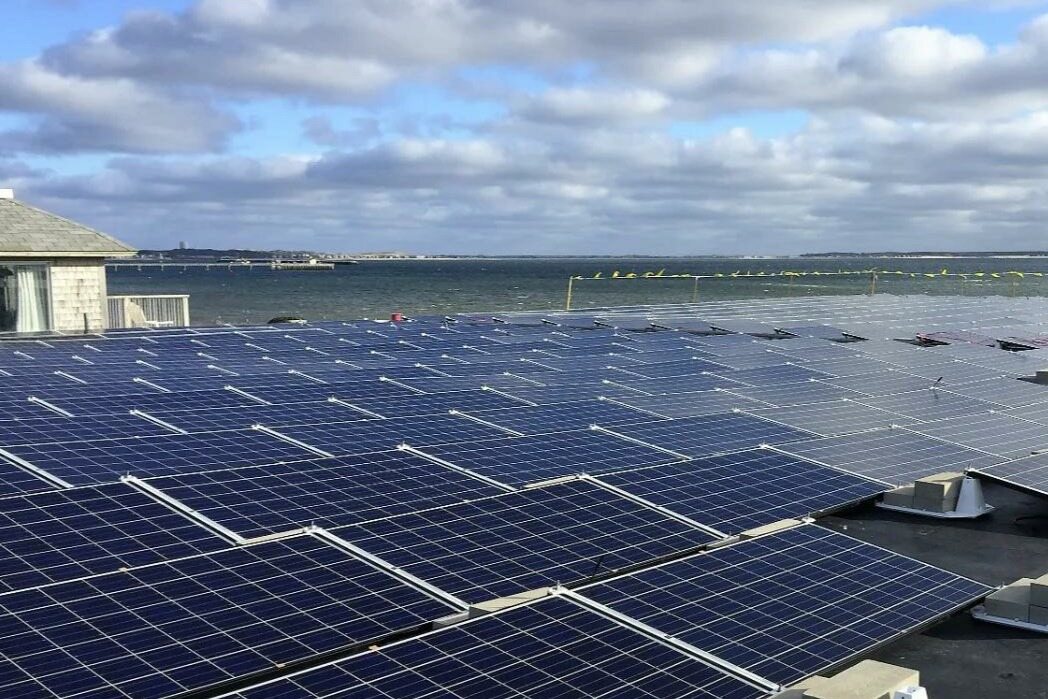
Typhoon passage damages photovoltaic panels, flash floods inundate wind turbines, and many new clean energy projects in Southeast Asia are often forced to shut down due to extreme weather conditions. Seemingly green and reliable new energy infrastructure is being buried with huge hidden dangers by frequent climate disasters.
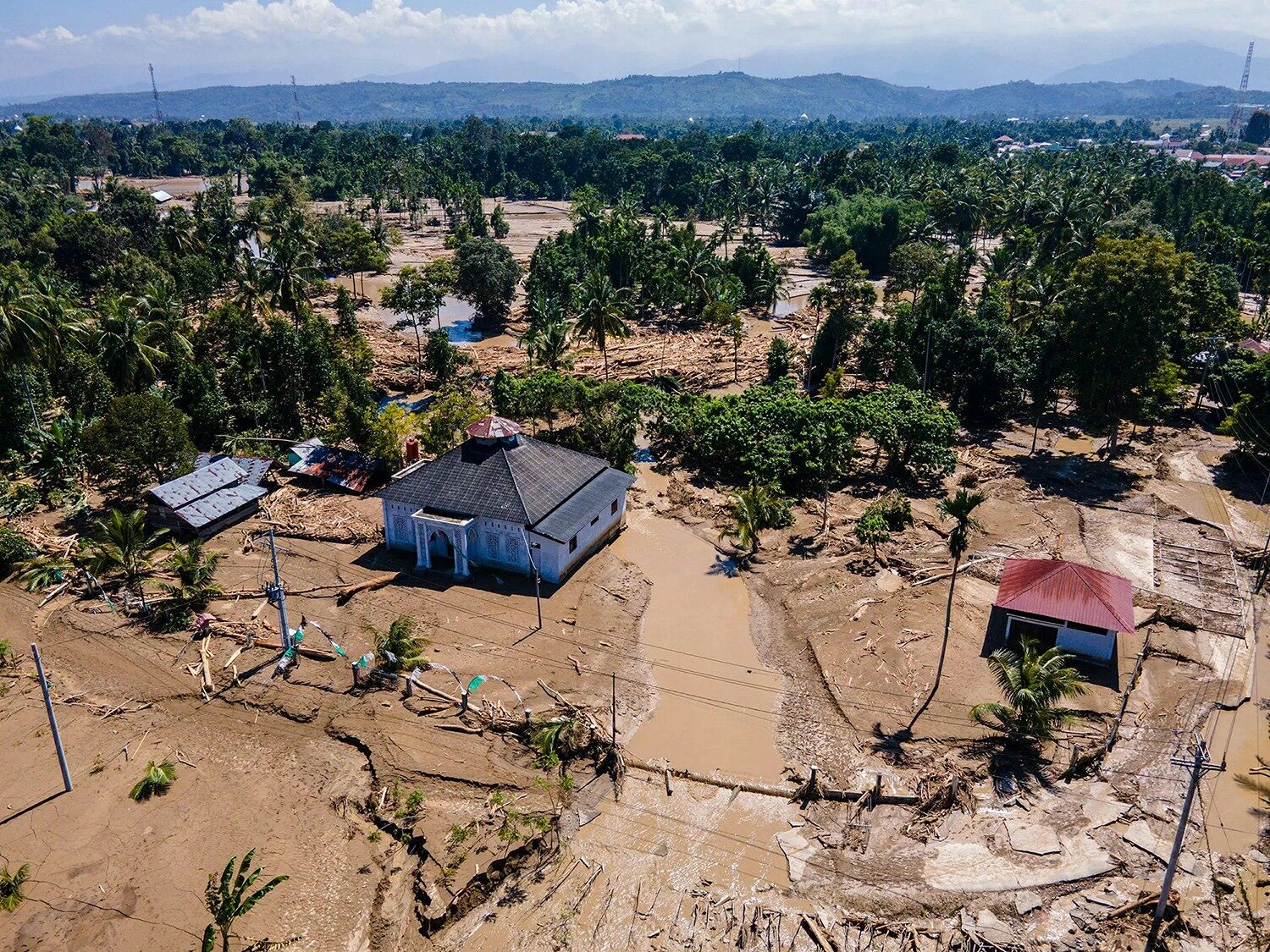
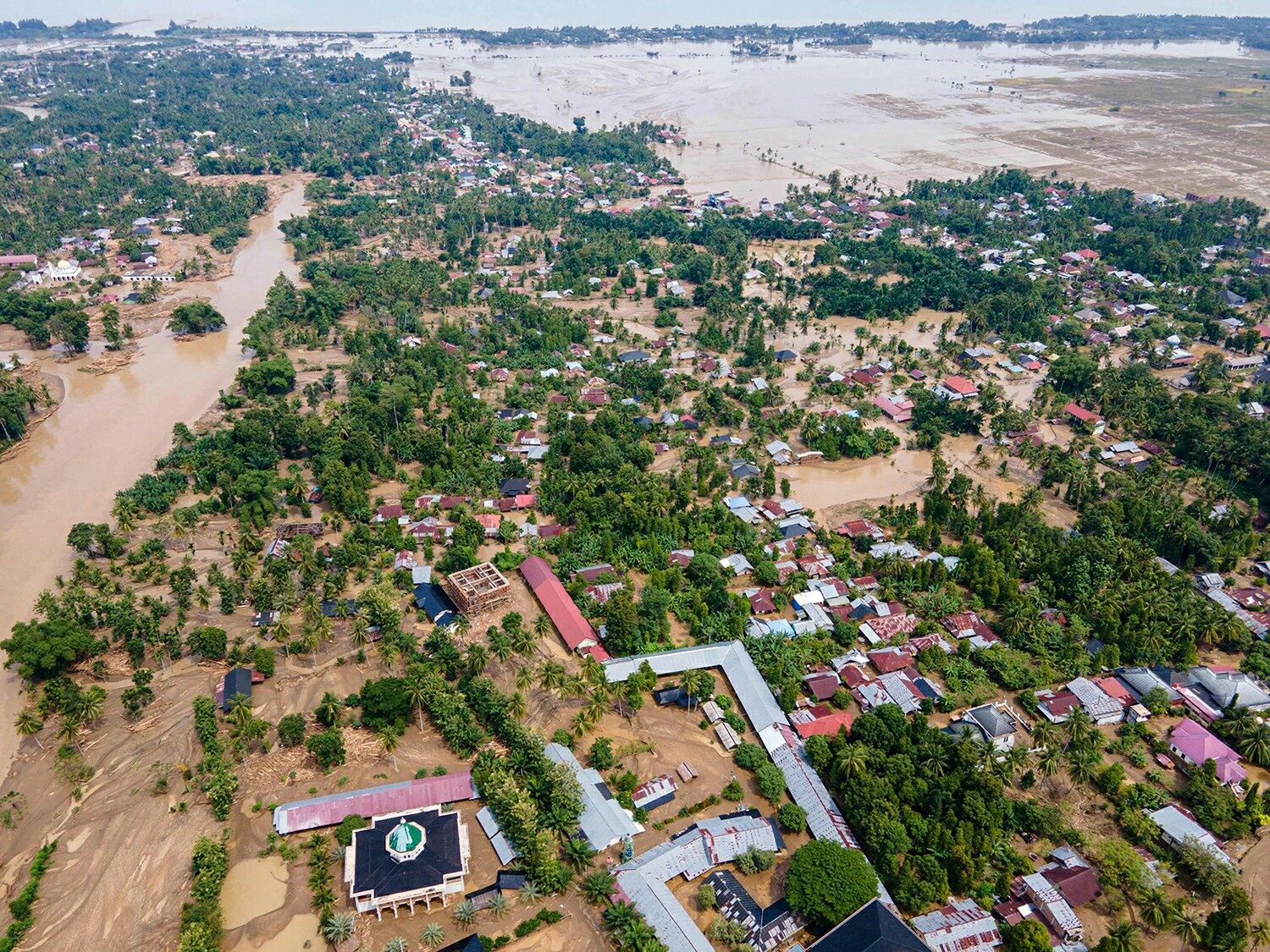
Zurich Insurance has issued a warning that nearly 70% of the planned new energy production capacity in Southeast Asia by 2030 is likely to be shut down due to climate disasters, and only a small amount of upfront investment can avoid huge economic losses. The report titled 'Overcoming Difficulties: Building Climate Resilience for Southeast Asia's Energy Future' summarizes 1380 planned, under construction, and publicly announced new energy projects in ASEAN, and concludes that by 2030, a total of 927 projects with 181000 MW of installed capacity will face severe climate shutdown risks.
Regional new energy faces climate backlash
ASEAN countries are accelerating their clean energy deployment, with plans to increase the proportion of renewable energy installed capacity from the current 30% to 45% by 2030. The rising demand for electricity, the guarantee of energy independence, and the reduction of equipment costs jointly promote the largest scale development of new energy in local history. However, extreme weather events occur frequently in Southeast Asia, and disasters such as typhoons, floods, droughts, and wildfires continue to impact power generation facilities. According to a 16 category disaster model, six types of disasters including strong winds, floods, and wildfires are the main causes of damage to new energy infrastructure.
Various types of power generation projects have different risks
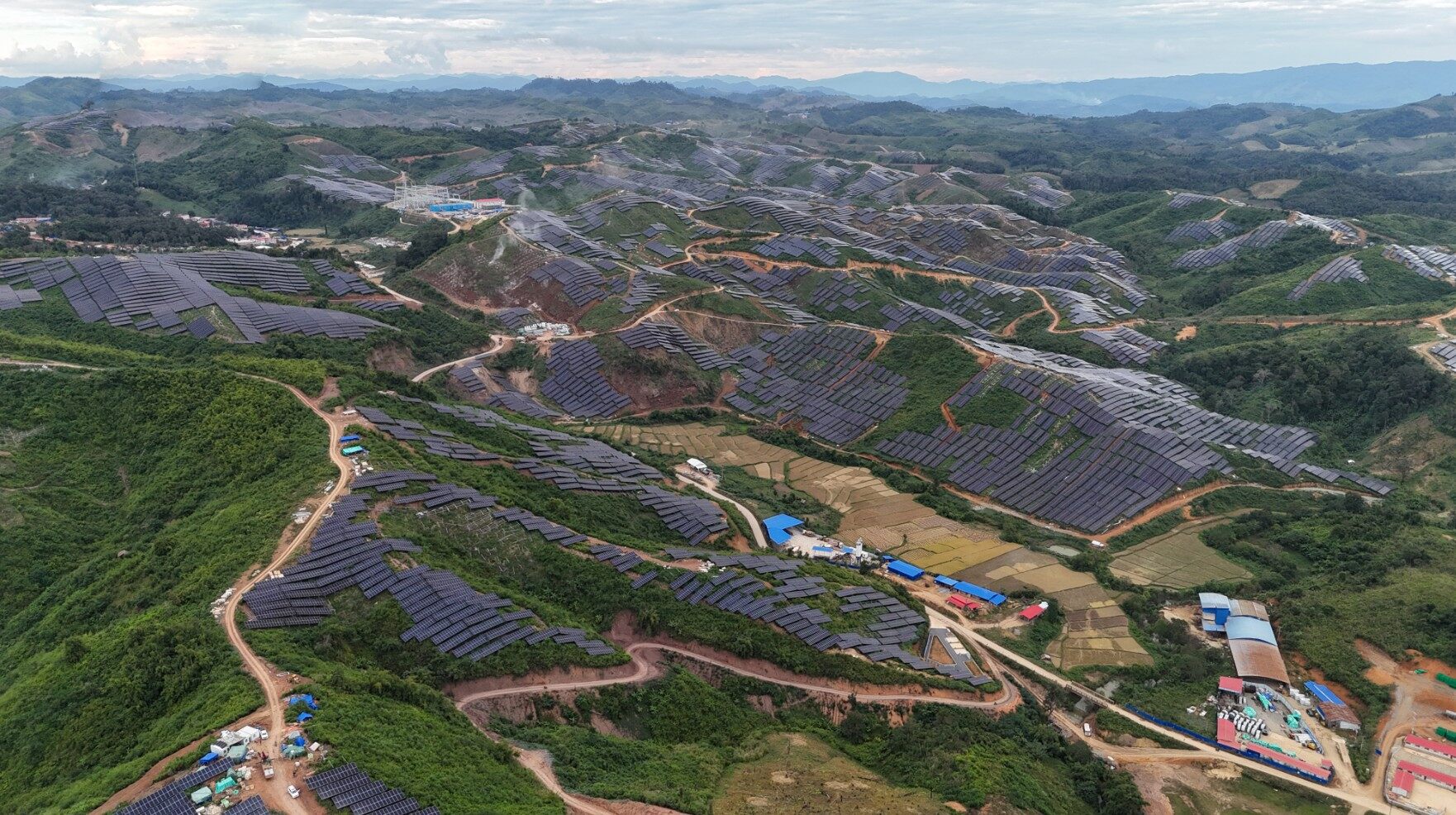
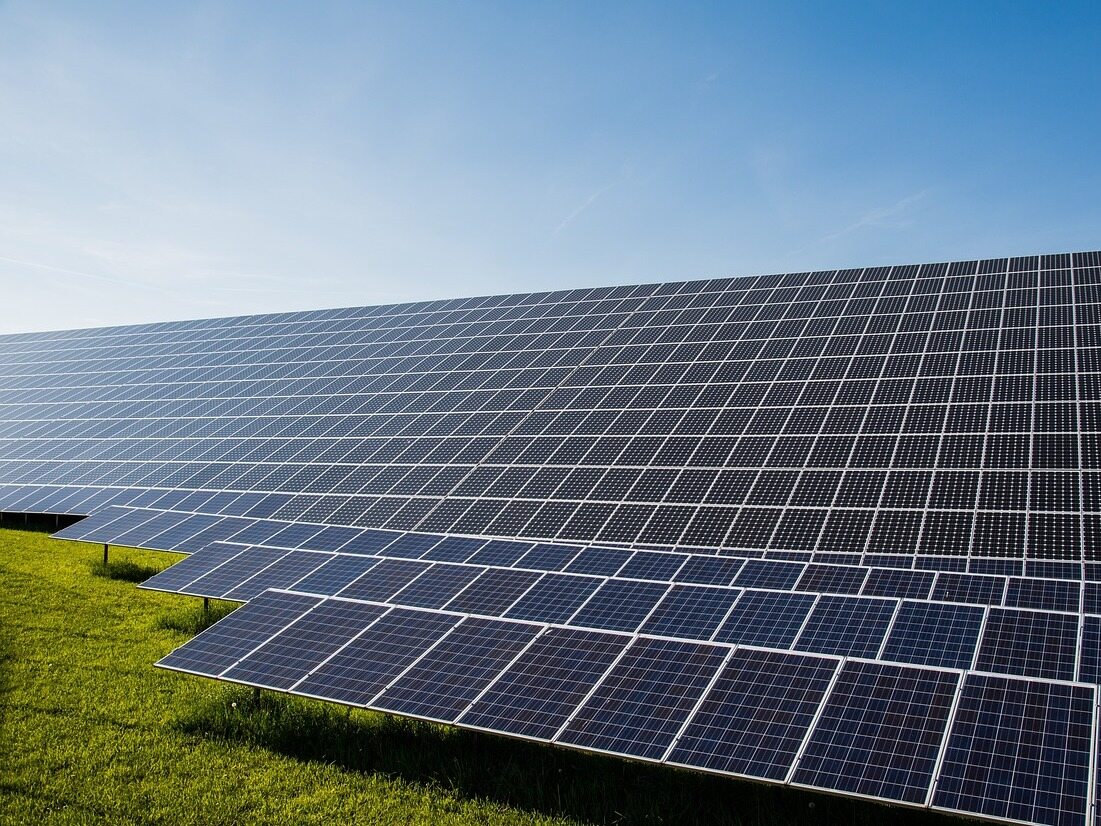
Photovoltaic is the new energy category with the most layout in Southeast Asia, and the risk of disaster is also the most prominent. There are 731 photovoltaic projects in the region with a total installed capacity of nearly 118 gigawatts, of which 80% of the units will be classified as the highest climate risk level. Wind power equipment is affected by typhoons and coastal floods, with 56% of planned installed capacity at significant risk of shutdown. Vietnam and the Philippines have large project volumes, and their disaster resistance shortcomings are even more apparent. The number of hydropower projects is relatively small, but the single project investment is high and the asset volume is huge. More than half of the planned hydropower installed capacity is also deeply trapped in the high-risk zone.
A small amount of investment can recover huge losses
Calculations show that without the addition of disaster relief facilities, Southeast Asia's new energy assets will suffer $165 billion in climate losses by 2030. By allocating only 2% of the total project value to enhance facility resilience, we can reduce losses by $82 billion and achieve a return on investment of over 6.5 times. After disaster relief renovation, the equipment has lower difficulty in insurance and financing, and the power generation can also meet the expected standards.
Climate risks not only cause equipment damage, but also directly affect project insurance approval and funding. Three quarters of the planned new energy installations have a high risk level, making it difficult for high-risk projects to obtain sufficient insurance policies, which lowers project returns and increases financing difficulties. Nowadays, disaster resilience is no longer just an environmental requirement, but a financial key that investors, banks, and development companies must pay attention to. Keywords:Foreign construction news network,Southeast Asia engineering information network,Overseas engineering construction,Foreign engineering construction news
The report provides practical suggestions: mandatory climate risk assessment for project approval, early completion of disaster stress testing for high-risk units, and targeted addition of disaster prevention configurations during the design and construction phases. The future construction of new energy cannot only pursue the scale of installed capacity, and the disaster resistance capability of equipment and engineering quality are equally indispensable.Editor/Gong Ziwei
Comment

 Praise
 Collect
 Comment

 Share
Share


Write something~